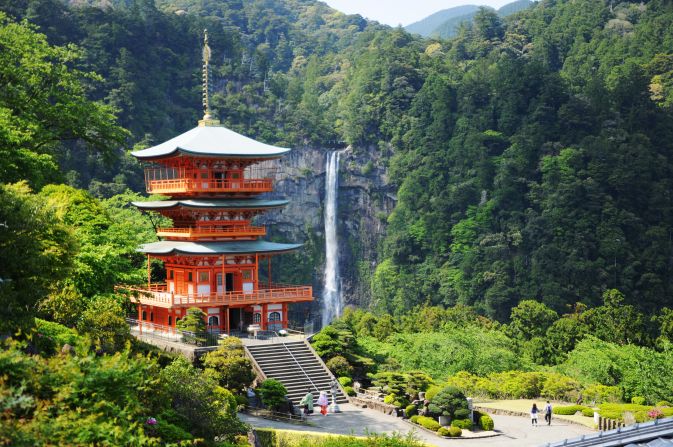
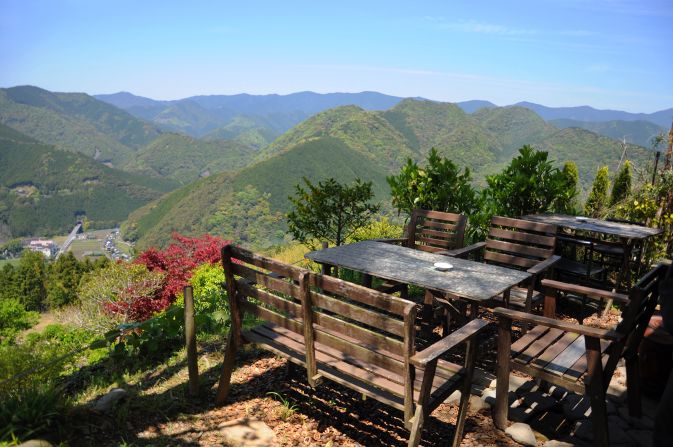
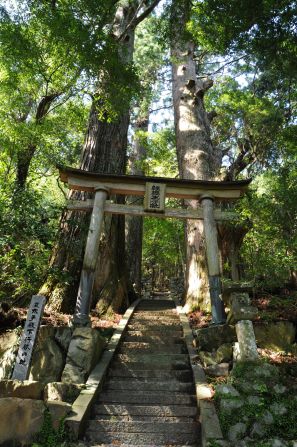
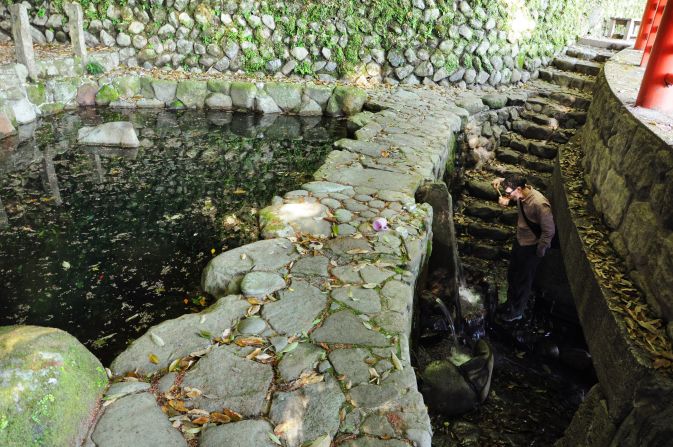
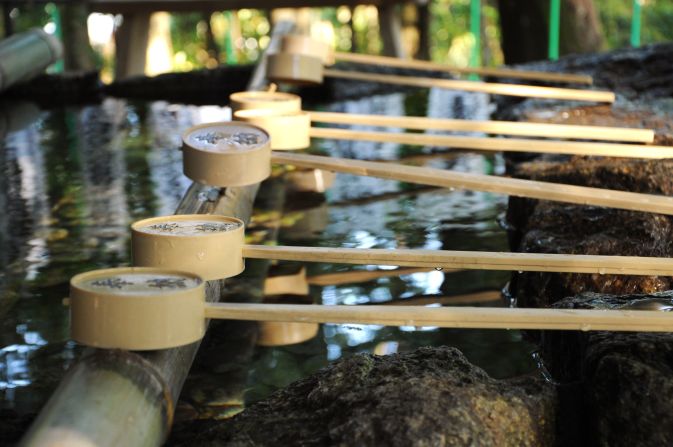
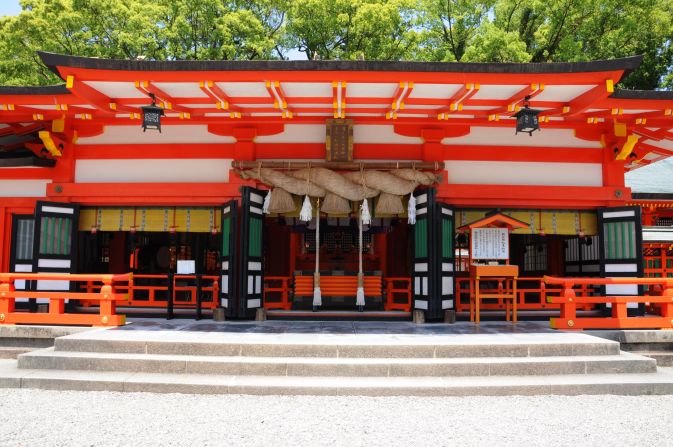
One of the highlights. Nachi Falls, at 133-meters high, is the biggest waterfall in Japan. It steals some spotlight from the last grand shrine, Kumano Nachi Taishai. This picture was taken at a top-secret sweet spot, shared by the local head priest. I promised not to tell. So forget about the viewing platform near the Taishai.
hiufu wong/cnn
Kumano Kodo —
Kumano Kodo in the Kii Peninsula of Japan, together with Way of St. James in Spain, are the only two pilgrimages with UNESCO World Heritage recognition.
hiufu wong/cnn
Takijiri-oji information center —
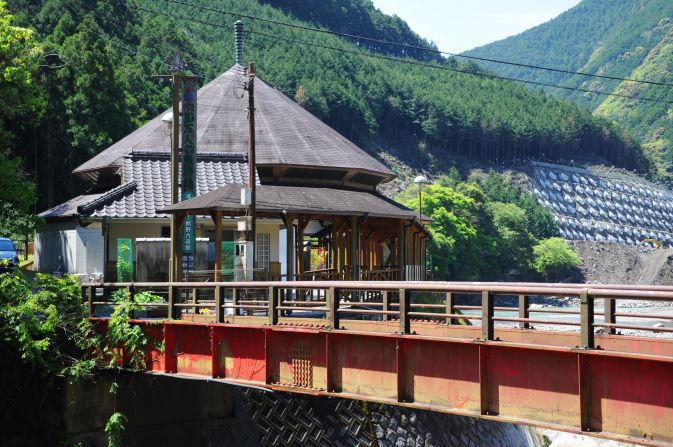
The entrance to Kumano Kodo and the start point of our recommended Nakahechi route, the information center at Takijiri-oji is where pilgrims and tourists can pick up stamp booklets and free bamboo hiking sticks.
hiufu wong/cnn
Takahara Kumano-jinja —
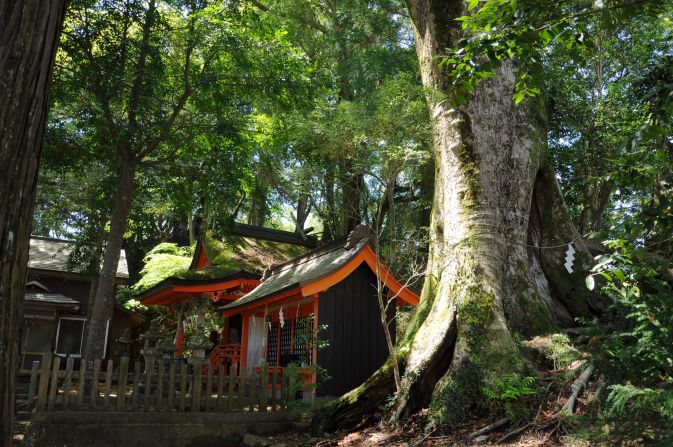
Shrines in Japan usually worship natural objects. Takahara Kumano-jinja enshrines the surrounding ancient trees, which are marked by white folded papers, called shides.
hiufu wong/cnn
Kiri-no-Sato Takahara lodge —
One of the obstacles that may hinder your journey: excellent views at Kiri-no-Sato Takahara lodge make it hard to leave.
hiufu wong/cnn
Tsugizakura-oji —
Tsugizakura-oji is one of more than 100 subsidiary shrines along the Kumano Kodo route. The area is known for its natural beauty as well as its frequent precipitation. Travelers often end up hiking in the rain.
hiufu wong/cnn
Nonaka-no-Shimizu spring —
Nonaka-no-Shimizu spring is a small detour from Kumano Kodo near Tsugizakura-oji. Containers are provided for travelers to refresh themselves with natural spring water.
hiufu wong/cnn
Purification fountain —
When entering a shrine on the trail, visitors should cleanse their hands and mouths at each shrine's purification fountain.
hiufu wong/cnn
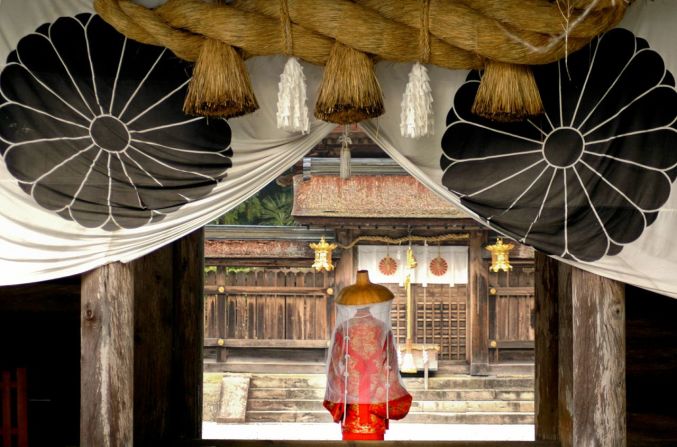
Kumano Hongu Taisha —
The door to Kumano Hongu Taisha. Priests sometimes offer guided tours around the grand shrine.
hiufu wong/cnn
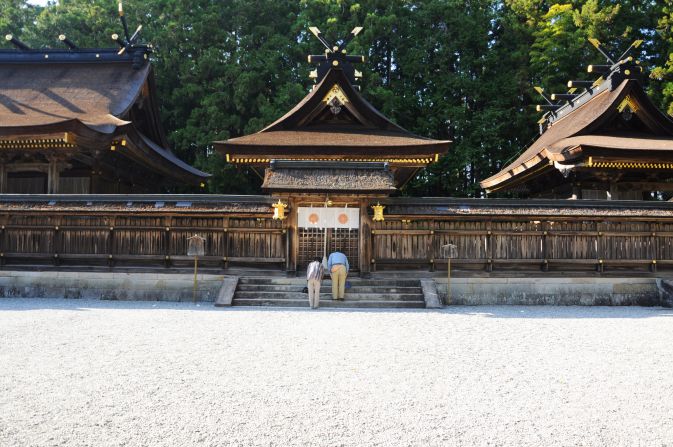
Kumano Hongu Taisha —
Relocated due to floods, Kumano Hongu Taisha was re-constructed based on the traditional architectural design of the original shrines.
hiufu wong/cnn
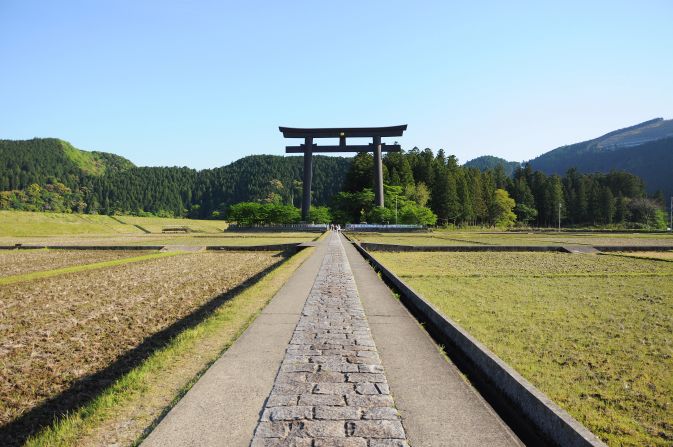
Otorii —
Otorii --- which means 'big gate' in Japanese -- is the entrance to the original sacred Oyunohara grounds.
hiufu wong/cnn
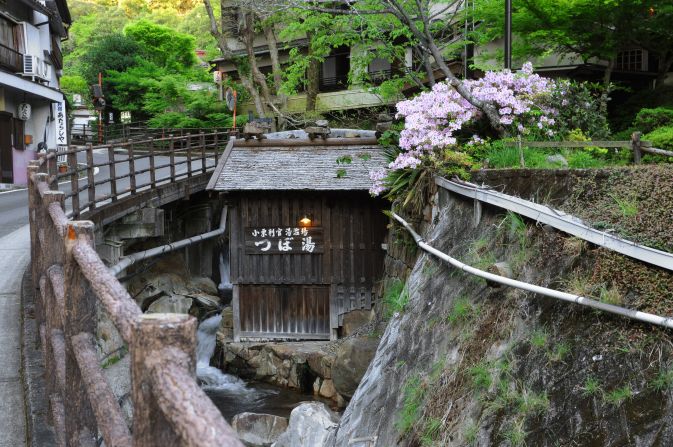
Yunomine Onsen —
Yunomine Onsen is one of the oldest hot springs in Japan. Onsen water is used for everything from public cooking in a pot next to the river to a sauna in the hotel.
hiufu wong/cnn
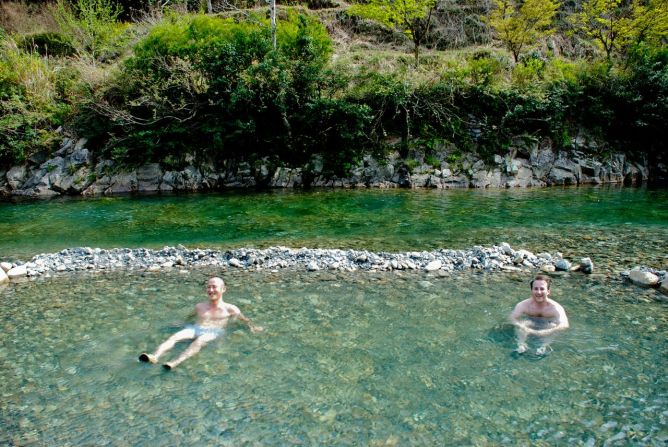
Kawayu Onsen —
If the indoor onsens and the half-outdoor onsens fail to satisfy, the public onsen pool in the river of Kawayu Onsen may be the place for you. Visitors are supposed to wear at least a bathing suit in the public onsen but you must go nude in the guesthouse ones.
courtesy Tanabe City Kumano Tourism Bureau
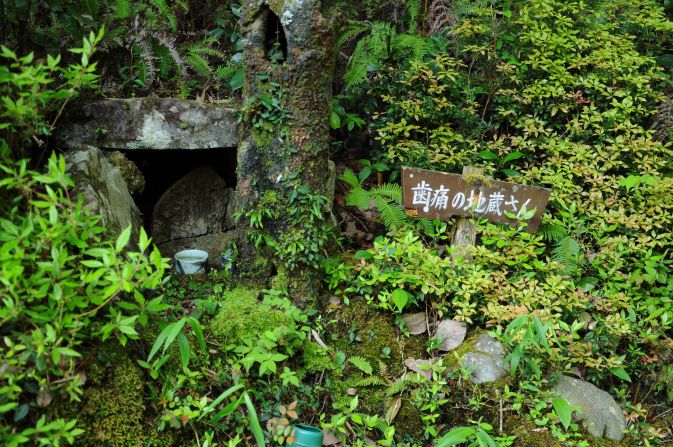
Old-school dentist —
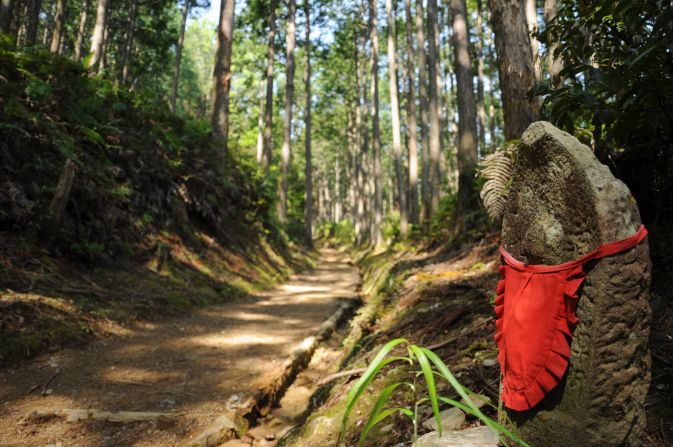
Small statues can be found along the route, each based on different Japanese folktales. No need for a dentist when you've got this god, believed to cure rotten teeth.
hiufu wong/cnn
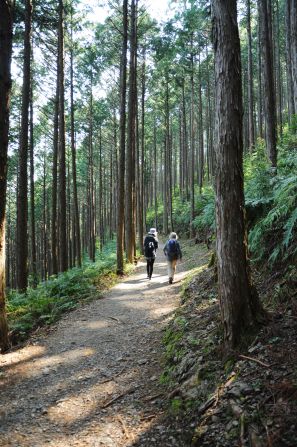
The best walk —
The journey between Hosshinmon-oji and Kumano Hongu Taisha is considered to be the top short walk on the Wakayama prefecture pilgrimage.
hiufu wong/cnn
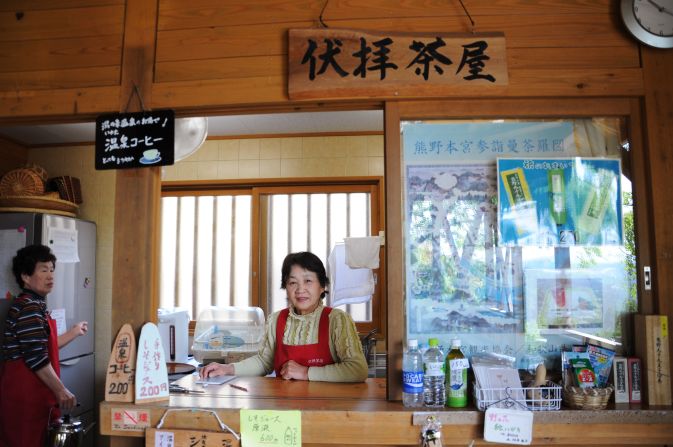
The guide, the teahouse keeper, the proud villager —
I met Matsumoto Seiko twice, once when she was guiding a tour in Oyunohara, another at the teahouse. Born and raised in the area, Matsumoto used to be shy about her country accent, but these days she says she's proud to be part of the UNESCO World Heritage pilgrimage.
hiufu wong/cnn
Kumano Hayatama Taishai —
Kumano Hayatama Taishai. Check -- another stamp in the Kumano Kodo passport.
hiufu wong/cnn
Kaminkura Shrine —
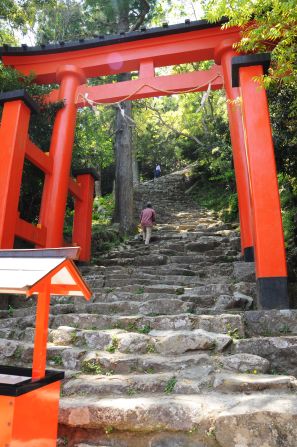
Locals climbing these steep steps in dresses and suit pants make the vertical ascent seem easy. It isn't.
hiufu wong/cnn
Kaminkura Shrine —
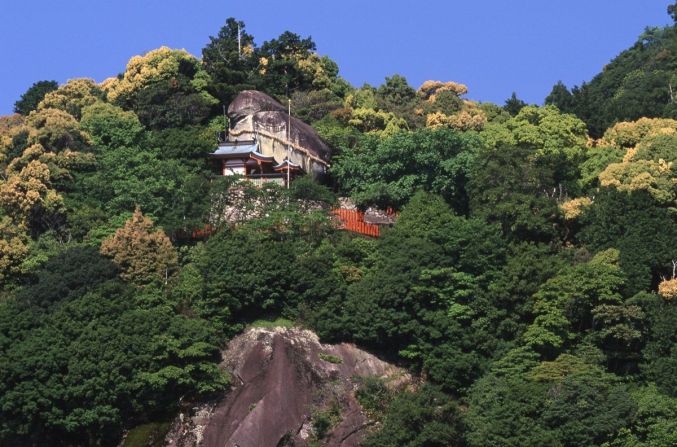
A gigantic rock, Gotobiki-iwa, on top of Gongen Mountain is the "enshrined natural object" of Kaminkura Shrine near Kumano Hayatama Taishai.
courtesy Tanabe City Kumano Tourism Bureau
Daimonzaka —
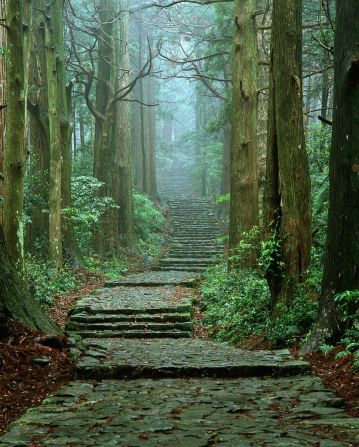
Daimonzaka. For those who've always wanted to feel like they're on a "Lord of the Rings" set. In Japan.