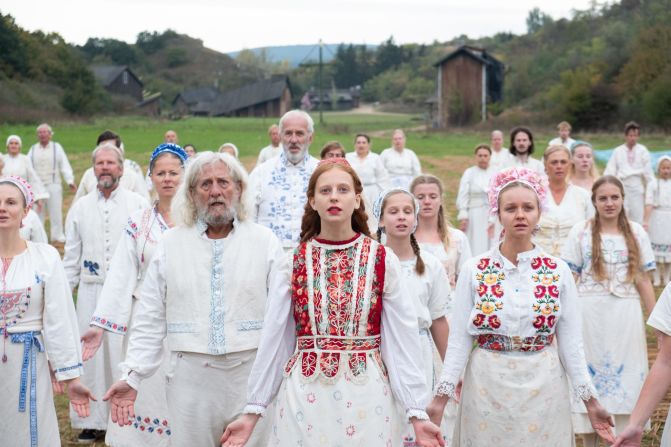
Midsommar: The rural Swedish commune in was built in two months on a temporary set outside Budapest, Hungary. But there's plenty of horror movie locations you can actually visit. Scroll through to discover more.
Csaba Aknay/A24
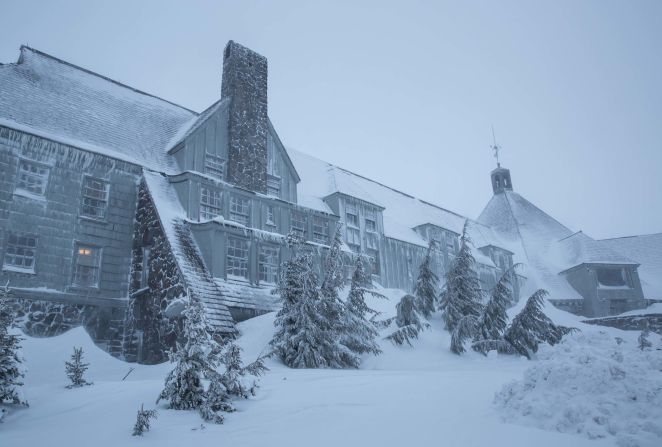
Timberline Lodge, Oregon ("The Shining") -- The Overlook Hotel in Stanley Kubrick's "The Shining (1982) is located on Mount Hood, but unlike in the film, the Timberline Lodge and Ski Bowl isn't closed in winter. Exterior shots of the hotel featured in the movie starring Jack Nicholson, but the production also built a colossal façade for scenes shot in England, as Kubrick, a UK resident, had developed a fear of flying.
George Rose/Getty Images
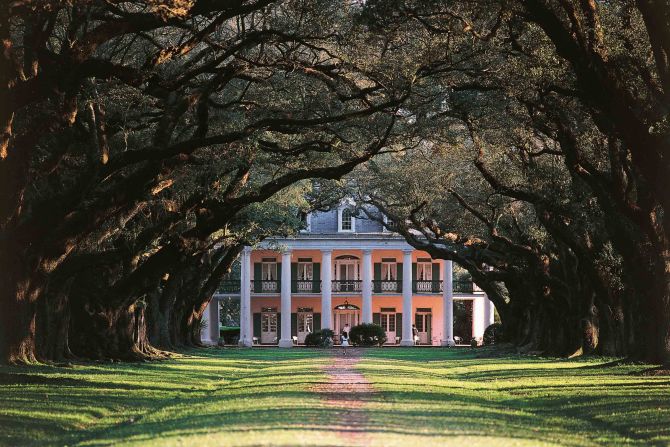
Oak Valley Plantation, Louisiana ("Interview with the Vampire") -- The vampire flick directed by Neil Jordan and starring Tom Cruise, Brad Pitt and a young Kirsten Dunst used the plantation as one of two locations for the estate of Louis, played by Pitt. Other locations around New Orleans were used, but much of the film's interior scenes were shot at Pinewood Studios outside London.
DeAgostini/Getty Images
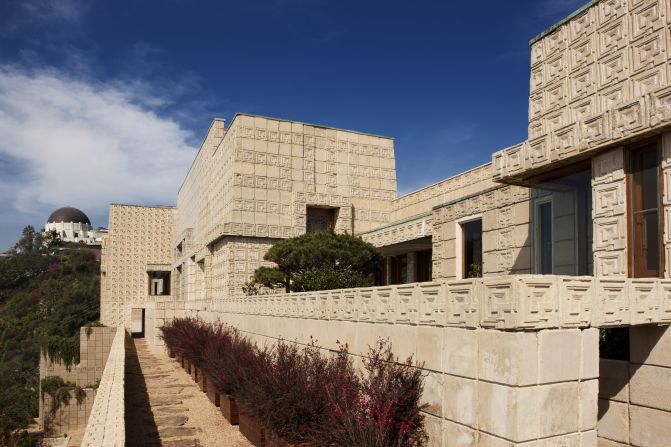
Ennis House, California ("House on Haunted Hill") -- Few locations can claim to be steeped in more film history. The Frank Lloyd Wright-designed building from 1924 channels Mayan architecture and has featured in the likes of "Blade Runner," "Predator 2" and "The Day of the Locust." But its striking exteriors were never better captured than in 1959's "House on Haunted Hill" by William Castle.
Mary L. Nichols
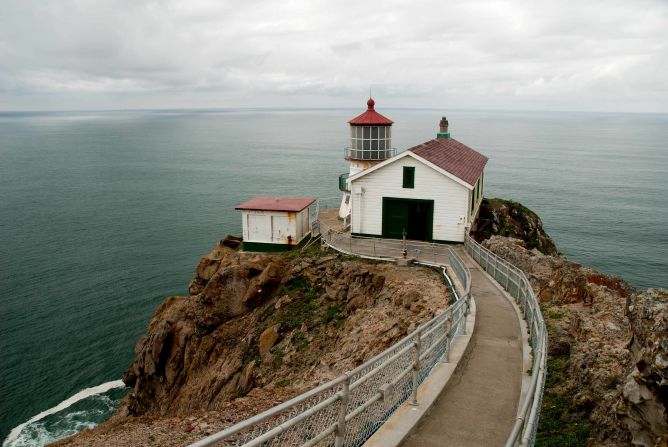
Point Reyes Lighthouse, California ("The Fog") -- Undergoing a $5 million restoration until October 2019, the lighthouse north of San Francisco first shone in 1870. It hit the big screen in John Carpenter's "The Fog" (1980) and was the location of radio station KAB, where many of the film's deadliest scenes play out.
Shutterstock
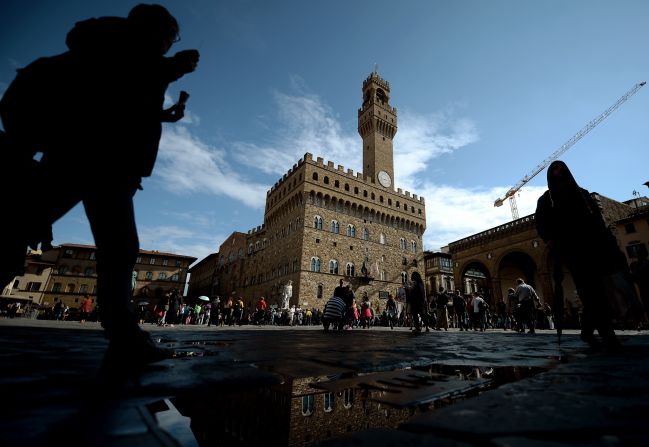
Palazzo Vecchio, Florence, Italy ("Hannibal") -- The good doctor is the worst kind of tour guide in Ridley Scott's 2001 follow-up to "Silence of the Lambs." While in Florence, Hannibal uses the Palazzo Vecchio as the scene for the particularly operatic murder of Chief Inspector Pazzi.
FILIPPO MONTEFORTE/AFP/AFP/Getty Images
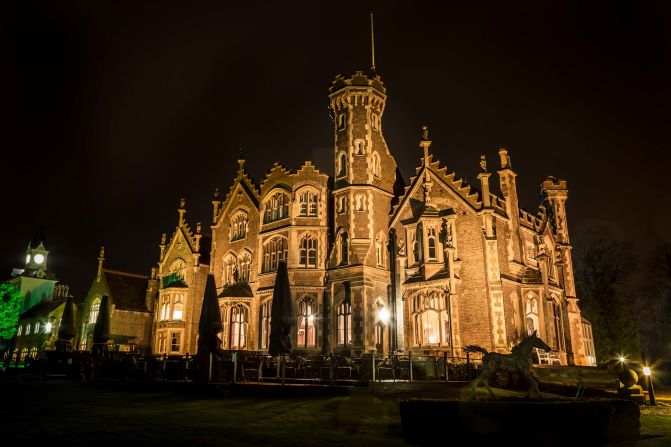
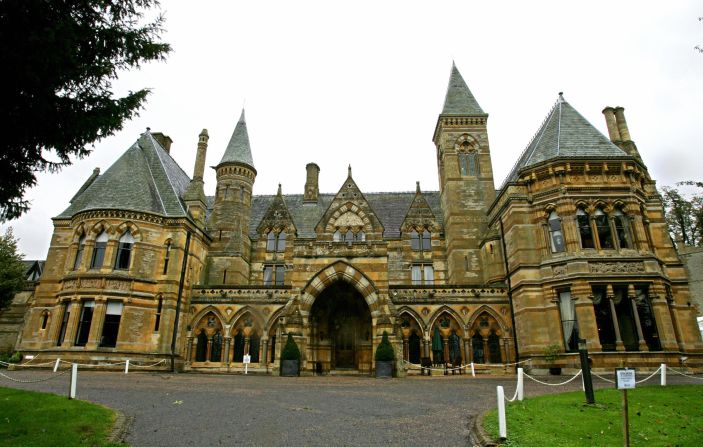
Oakley Court Hotel, Windsor, England (various) -- The Victorian Gothic-style pile in Windsor has a storied history in British horror, becoming the go-to location for the Hammer studio in the 1950s and '60s. "The Man in Black," "The Brides of Dracula" and "The Lady Craved Excitement" were filmed all or in part there. Later Oakley Court would put in another star turn as Frank N Furter's castle in comedy horror "The Rocky Horror Show" (1975) by Richard O'Brien.
Shutterstock
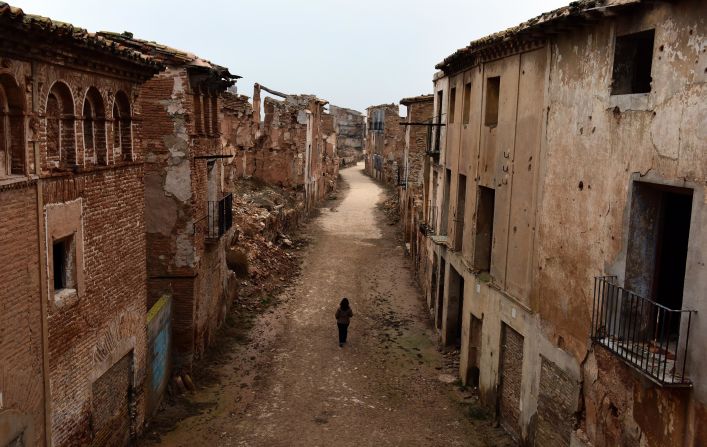
Belchite, Spain ("Pan's Labyrinth") -- The northeastern town of Belchite was left ruined by the Spanish Civil War of 1936-39 and never restored. A new town was later built nearby, but the old rubble and deserted streets remain today. Belchite featured in the opening of Guillermo del Toro's Oscar-winner "Pan's Labyrinth" (2006).
GERARD JULIEN/AFP/AFP/Getty Images
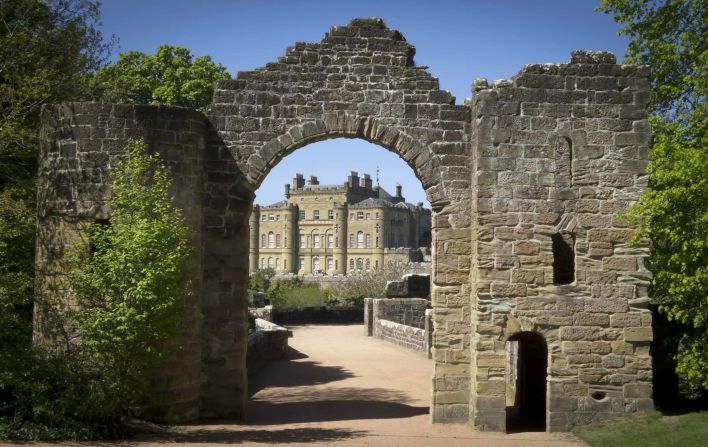
Culzean Castle, Ayrshire, Scotland ("The Wicker Man") -- The go-to folk horror film of the 20th century used numerous sites to create Summerisle in the Scottish Highlands. For the castle belonging to the larger-than-life Lord Summerisle (played by Christopher Lee), Culzean Castle was used for its majestic exteriors.
Shutterstock
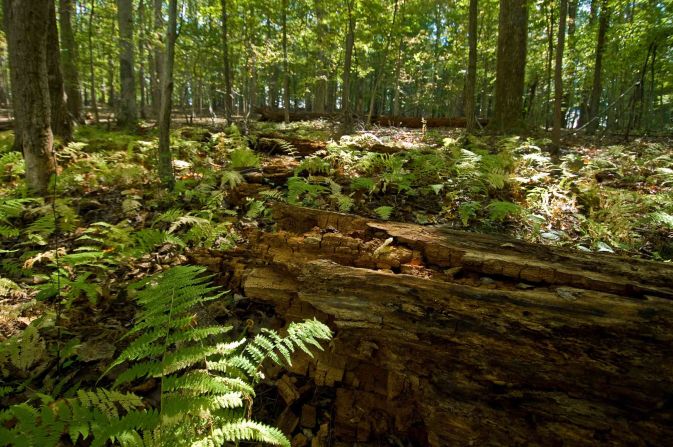
Seneca Creek State Park, Maryland ("The Blair Witch Project") -- You might want to steer clear of Seneca Creek at night. The location for the ultra-low budget "The Blair Witch Project (1999) is actually rather beautiful when it's not seen through the lens of shaky camera.
Brian Gordon Green/National Geographic Image Collection/Alamy Stock Photo
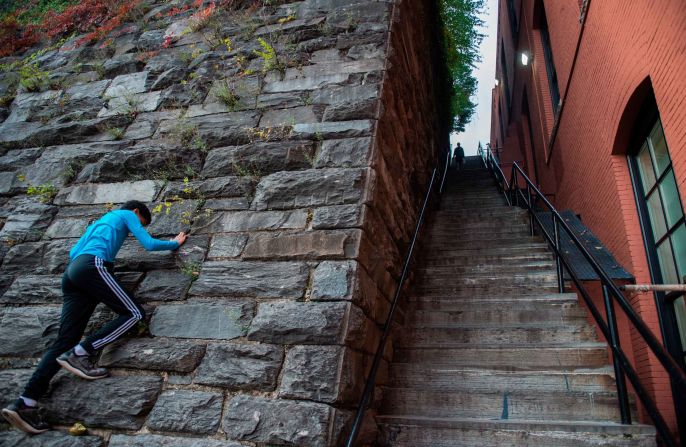
Prospect Street and M Street Northwest, Georgetown, Washington D.C. ("The Exorcist") -- Remember the end of "The Exorcist" (1973) and a possessed Father Damien Karras (Jason Miller) meeting his maker? Well these were the 75 steps he tumbled down after jumping out of the window. The stairs may have been padded with rubber, but the poor stunt double reportedly had to fall down all those steps twice.
ANDREW CABALLERO-REYNOLDS/AFP/Getty Images
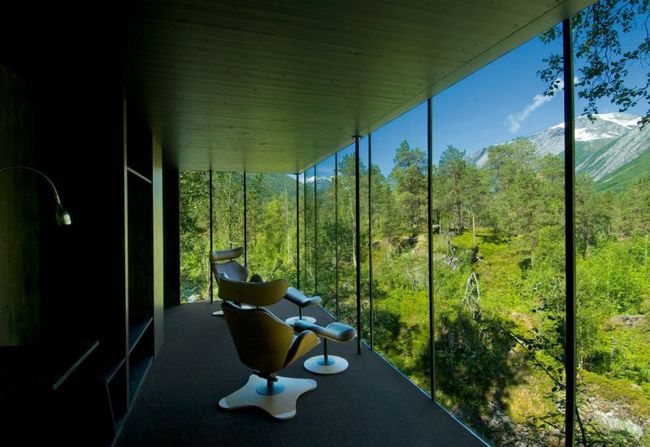
Juvet Landscape Hotel, Norway ("Ex Machina") -- Alex Garland's multi-hyphenate sci-fi-horror "Ex Machina" (2014) used a private residence, the Juvet Landcape Hotel and soundstages to create the exquisitely designed home of tech megalomaniac Nathan Bateman. The hotel in Valldal with its angular design has nine rooms and really does have those stunning views of the surrounding woodlands.
MCT/Tribune News Service/MCT via Getty Images
Ettington Park, Warwickshire, England ("The Haunting") -- Ettington Park was the setting for this haunted house classic from 1963. Interiors were shot at MGM-British Studios with a number of tricks including extreme high and low angle shots building a sense of claustrophobia.
CARL DE SOUZA/AFP/AFP/Getty Images
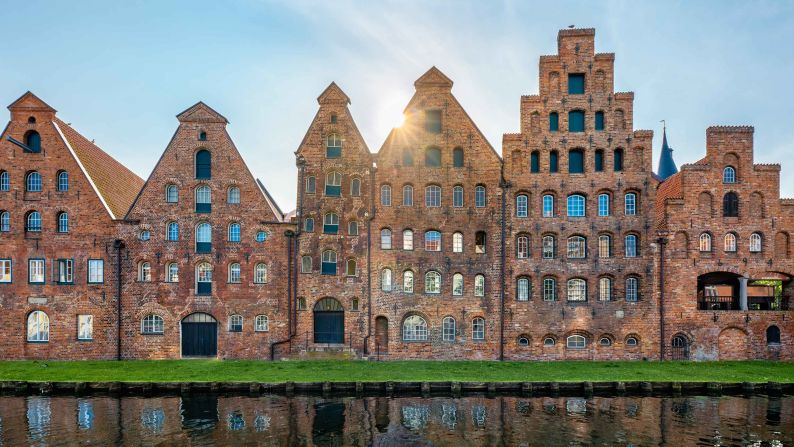
Salzspeicher, Lubeck, Germany ("Nosferatu") -- Lubeck's 16th-century salt storehouse became the home of Nosferatu in the groundbreaking 1922 horror title by F.W. Murnau. Today the Hanseatic City in northern Germany is listed as a UNESCO World Heritage Site.