Your effort and contribution in providing this feedback is much
appreciated.
Close
Ad Feedback
Take a photo tour of Hearst Castle
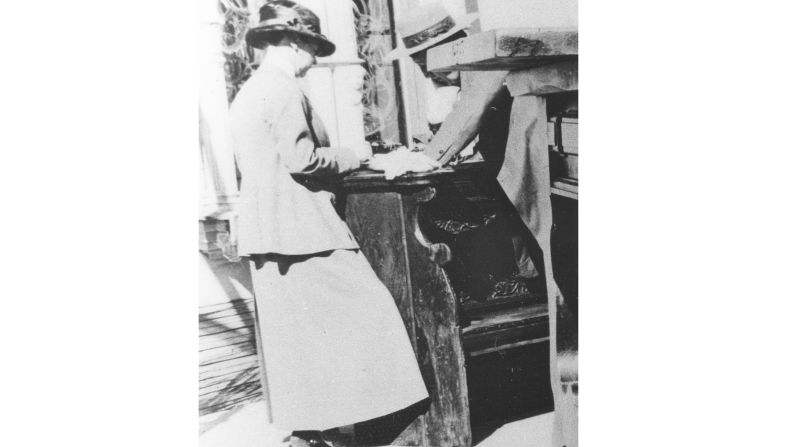
Hearst Castle. Publisher and businessmanWilliam Randolph Hearst hired Julia Morgan to be the architect of Hearst Castle. She's pictured here in a photo taken in the early 1900s.
Courtesy Hearst Castle/State of California
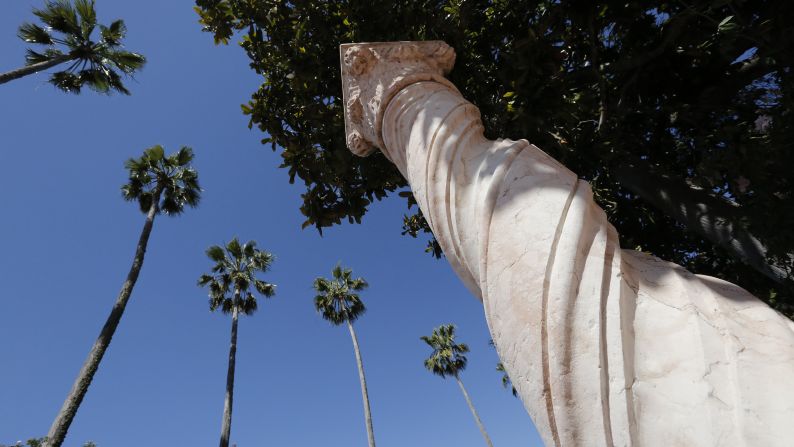
An ode to empire. Roman columns dot the expansive courtyards surrounding the main house and guesthouses. This marble column was purchased from an art dealer in 1920.
Jeff Simon/CNN
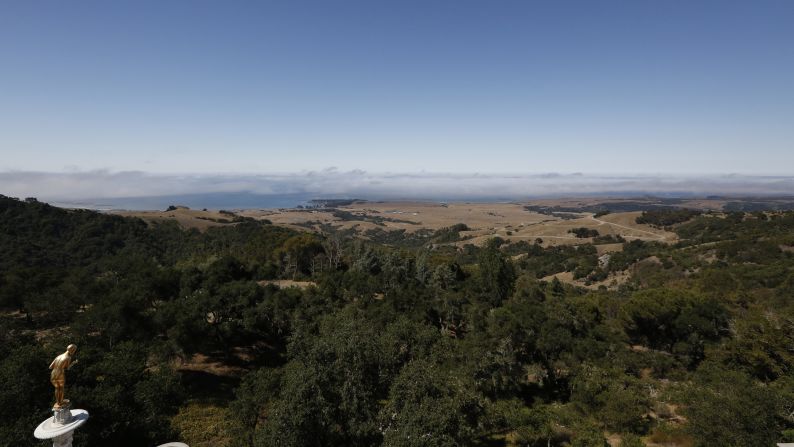
A castle with a view. The vistas from Casa Grande, the main house, are spectacular. Many look out toward the Pacific Ocean, more than a quarter mile below the estate grounds.
Jeff Simon/CNN
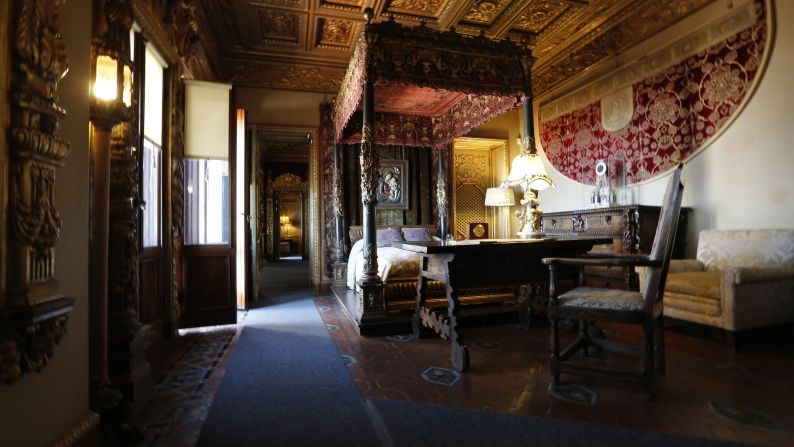
Several bedrooms. Hearst used this room in Casa del Mar, one of the three guesthouses, as his bedroom during construction.
Jeff Simon/CNN
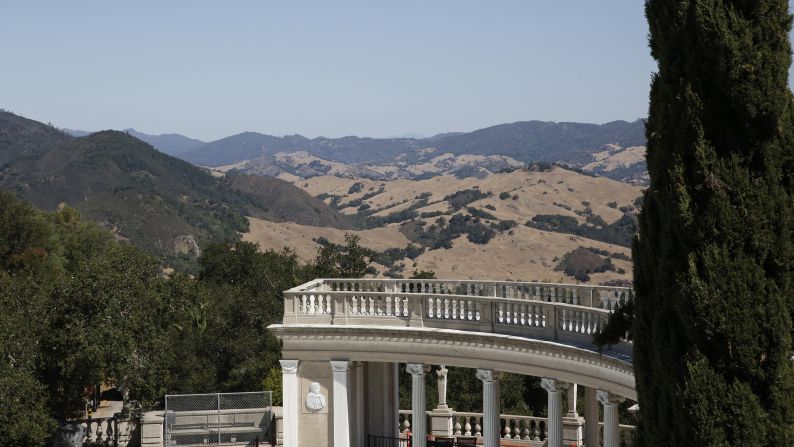
As far as the eye could see. At his peak, Hearst owned the land from the castle all the way to the faint shadow of a mountain in the distance -- roughly 34 miles away.
Jeff Simon/CNN
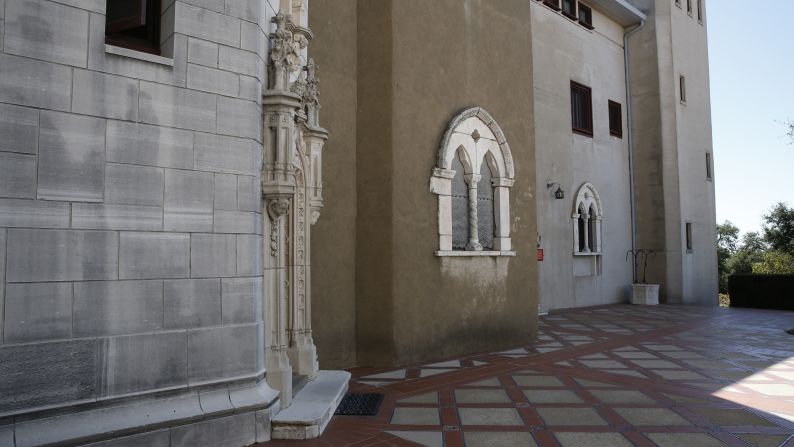
An unfinished castle. The exterior of the castle is made from Utah limestone cut to look like a Spanish masonry building. Most of the castle looks like the wall in the foreground, while the rest is unfinished.
Jeff Simon/CNN
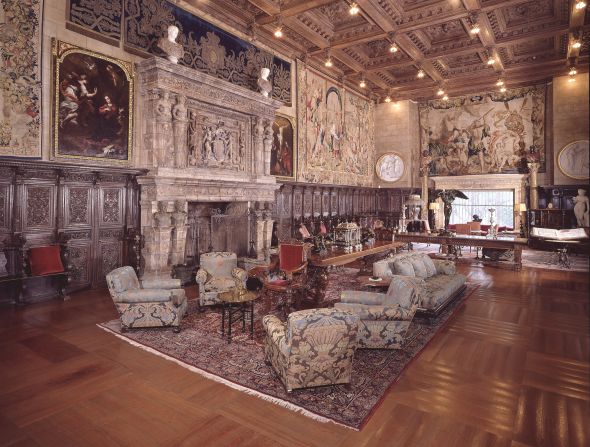
Rooms larger than a house. The assembly room in Casa Grande is bigger than the average American home. There was a telephone at each end so guests wouldn't have to walk to the other side of the room unnecessarily.
Courtesy Hearst Castle/California State Parks
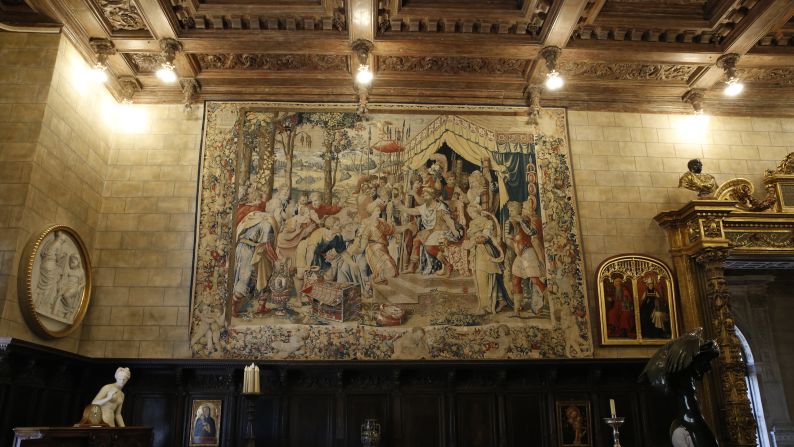
Original art. Located in the assembly room, this is one of four original 16th-century tapestries from the Deeds of Scipio Africanus series. Some of the same tapestries are in the Louvre in Paris -- but theirs are copies.
Jeff Simon/CNN
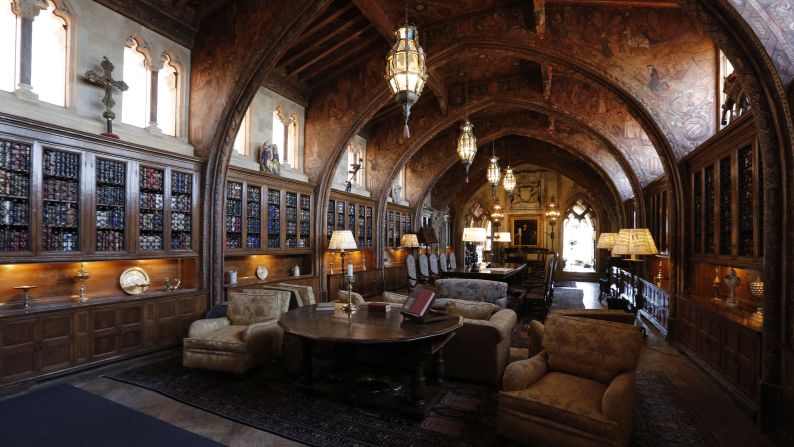
Almost everything's on display. Only about 2% of the collection is not available for viewing because the items are being conserved, stored or loaned out to another institution. Shown here is one of two libraries.
Jeff Simon/CNN
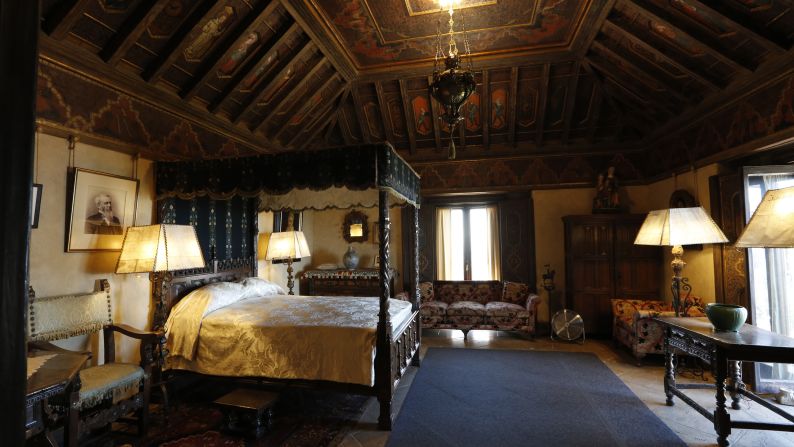
Modest quarters. This is Hearst's bedroom in Casa Grande. It's actually quite small, which may be because Hearst worked long hours and probably only retired to his bedroom to sleep.
Jeff Simon/CNN
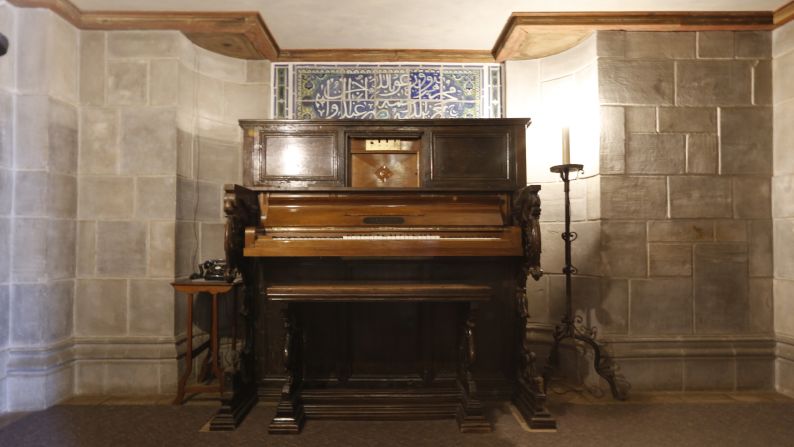
Ringing the bells. This instrument, located on the first floor of Casa Grande, can be used to "play" the bells in the bell tower on the roof.
Jeff Simon/CNN
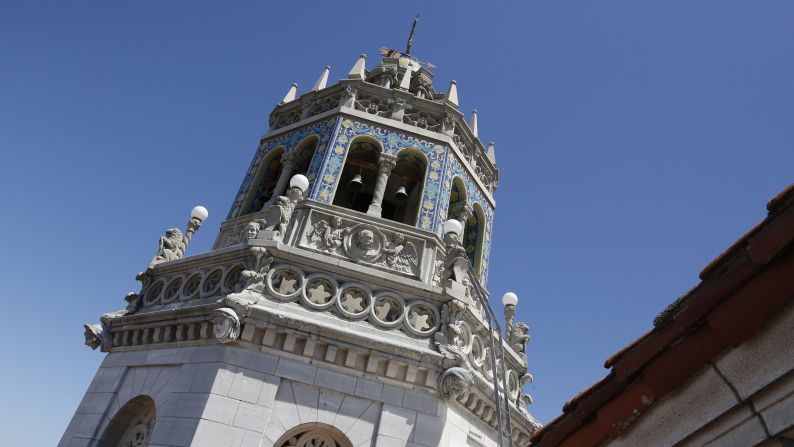
Two bell towers on the property. There are 18 bells in each of the two bell towers. On a clear day, you can hear them in the visitor's center located almost a quarter mile away down the mountain.
Jeff Simon/CNN
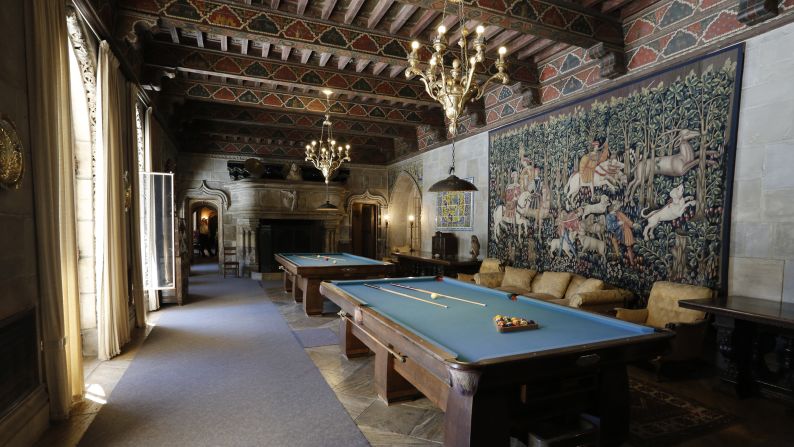
Fine art in casual rooms. This tapestry from the Hunt of the Unicorn series hangs in the billiards room. It was made in France around 1500 AD.
Jeff Simon/CNN
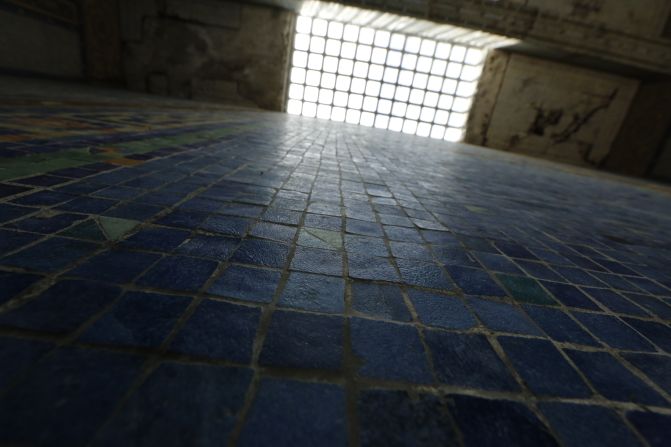
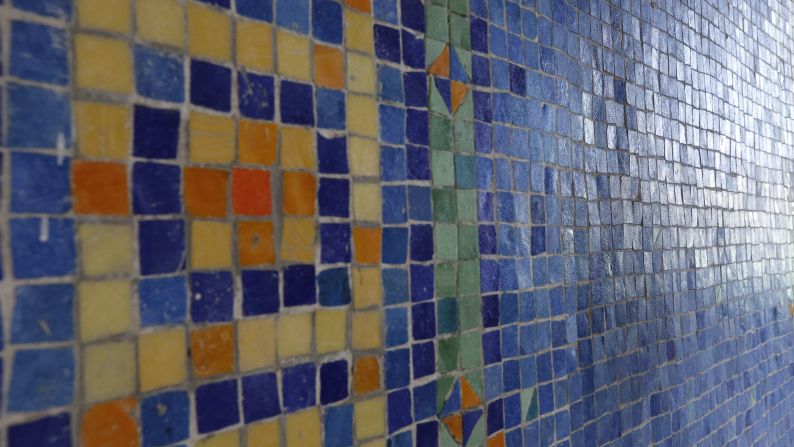
Hand-cut Italian glass. The walls and floors around the massive indoor swimming pool are all hand-cut from Italian Murano glass. Each tile was set by hand.
Jeff Simon/CNN
Not too perfect. The walls have undulations in them from where workers pounded them with their fists during construction -- all at the instruction of architect Julia Morgan. The result is an imperfect wall that looks original to an ancient building.