Living dolls: A behind-the-scenes look at Fukuoka’s ningyo craftsmen
All dolled up —
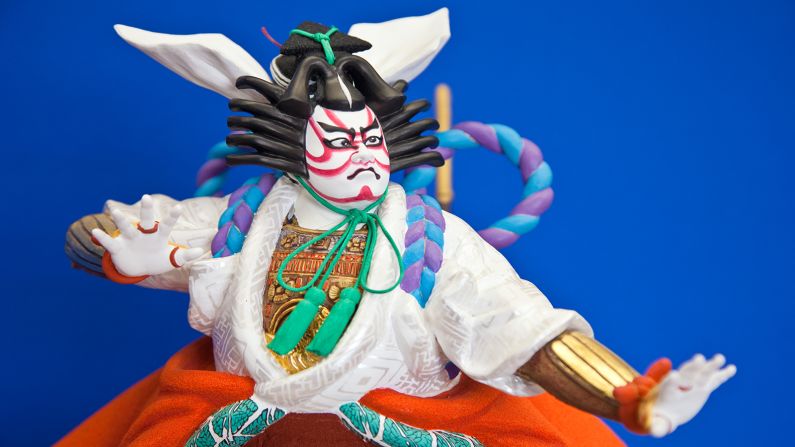
The finest quality Hakata ningyo possess a subtle beauty that comes from a sophisticated firing, carving and coloring process. Some are unique, some are mass-produced.
Daniel J Allen
Master craftsman —
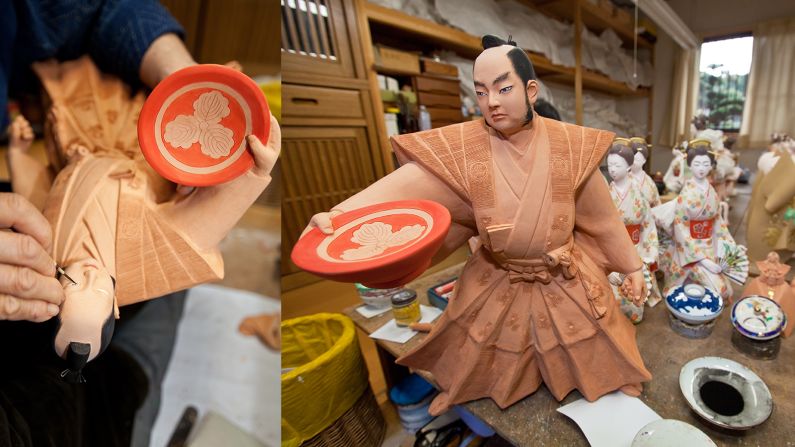
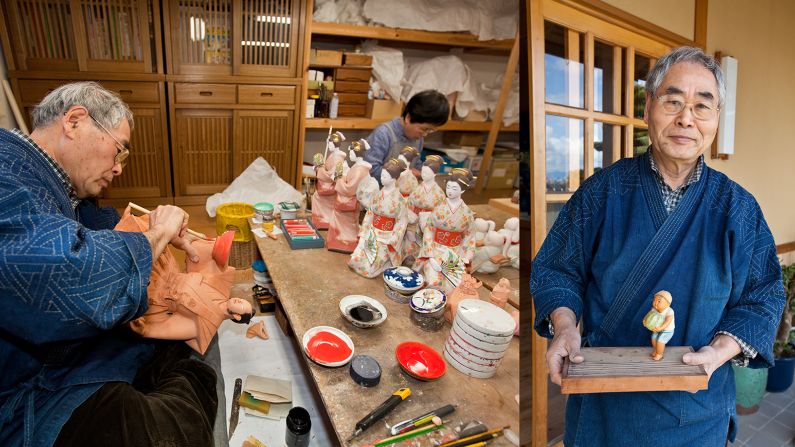
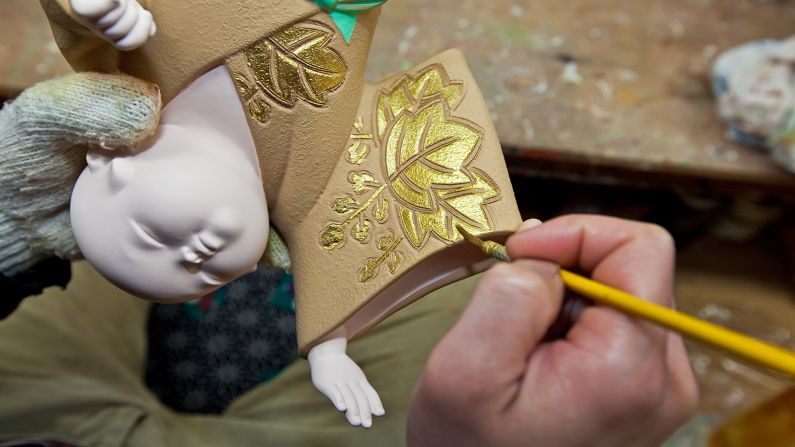
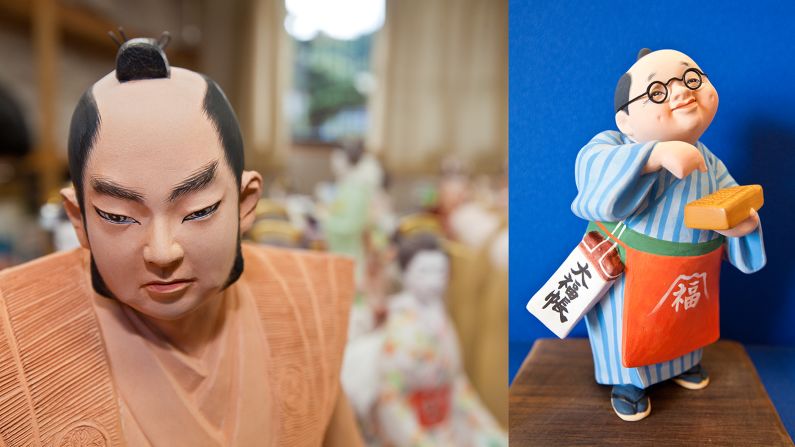
In a small studio on the outskirts of Fukuoka, septuagenarian master doll-maker Kuniaki Takeyoshi lovingly applies the finishing touches to a samurai warrior. Fashioned from white clay, the lifelike doll is intricately detailed, with flowing robes and a trademark topknot hairstyle. After hours of painstaking labor, the latest miniature marvel to roll off the master craftsman's personalized production line is almost ready for sale.
Daniel J Allen
Lifetime achievement —
Takeyoshi has dedicated his entire working life to the creation of ningyo. Today his dolls sell in outlets across Japan for up to ¥1.6 million (US$20,000). "I remember the first doll I made when I was 17," he explains. "It was a small boy holding a watermelon. From then on I was hooked. I'm as passionate about my work as I was 53 years ago, although hopefully my skills have improved a little. I don't think I'll ever retire."
Daniel J Allen
Multi-stage manufacture —
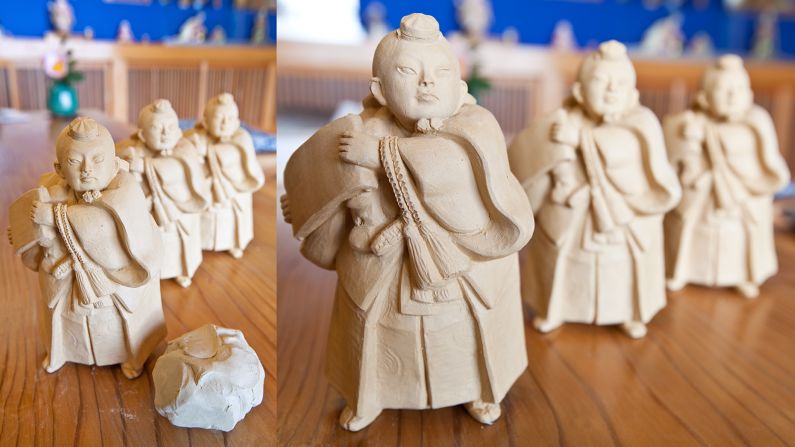
Hakata doll production is a long-established, multi-stage process. The first step is to sculpt the figure out of locally sourced clay using a knife and spatula -- the insides are hollowed out to make the doll lighter. The figurine is then allowed to dry outside for 10 days, before being baked in a kiln at 900 degrees for eight hours. Finally, vegetable pigment-based paints are used to add color after the ningyo has dried.
Daniel J Allen
Time-honored techniques —
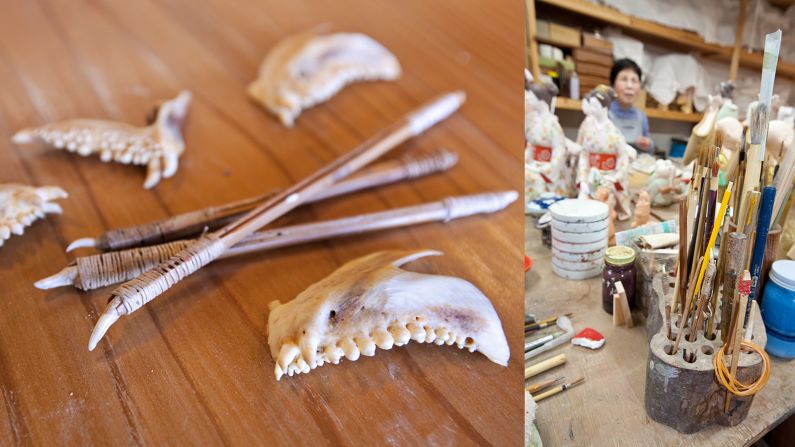
"We often use real gold and silver powder to decorate the more expensive dolls," explains Takeyoshi. "I scrape the gold with fish teeth to make it shiny. It's an old technique. In the past I would use teeth from dogs, but these days they're a lot harder to come by."
Daniel J Allen
Upholding tradition —
Despite the financial incentives, doll-making is not an accessible or greatly sought-after career choice for Fukuoka's younger generation. A highly skilled profession, it requires years of dedication just to pick up the basics -- the first two years of study are reputed to be the most difficult.
Daniel J Allen
Passionate pupil —
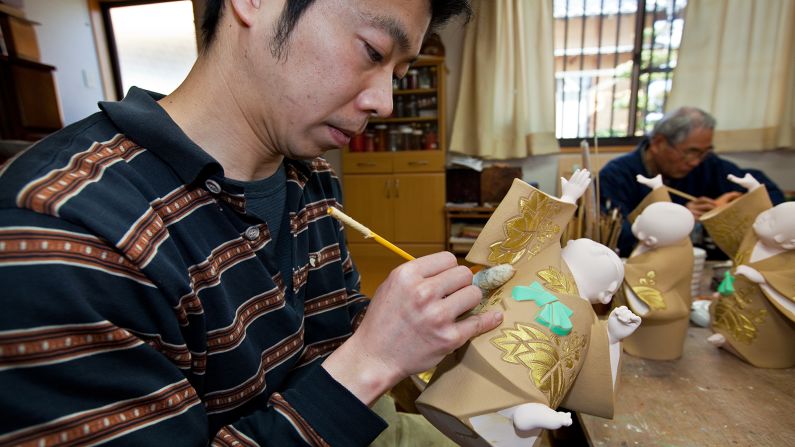
The future of Hakata doll-making rests on the shoulders of people such as 42-year-old Manabu Hayashi, Takeyoshi's apprentice for the last six years. "My friends were surprised when I changed careers," says Hayashi with a laugh, "but when they saw my passion they supported me. My master has been very patient. The relationship between teacher and student is very important."
Daniel J Allen
Floating fun —
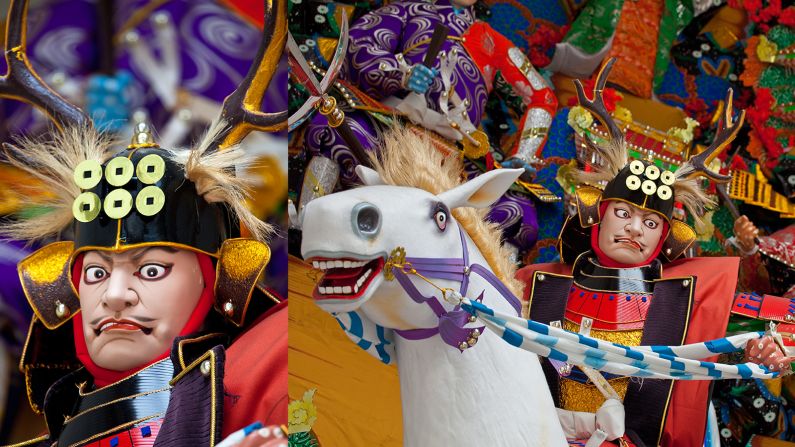
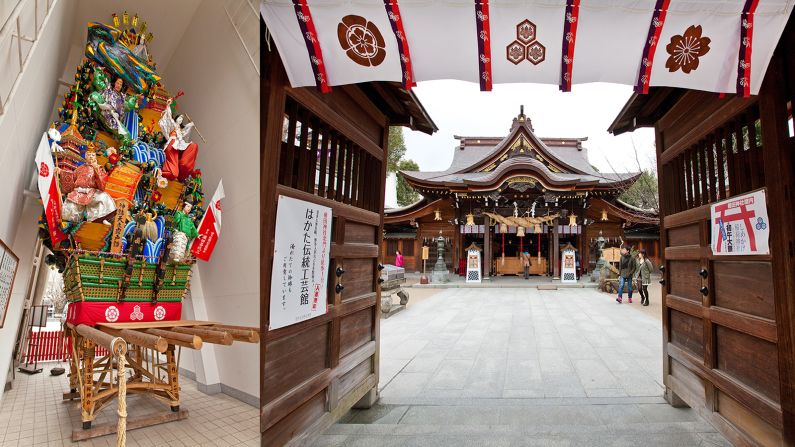
The month of July is a calendar highlight for Fukuoka ningyo makers. It's when the city plays host to the spectacular Hakata Gion Yamakasa Festival, one of Japan's biggest celebrations. To get things started, floats called kazariyamakasa are set up in different parts of the city. Made by skilled artisans such as Kuniaki Takeyoshi, these huge constructions are sumptuously decorated with magnificent dolls illustrating historical tales and legends.
Daniel J Allen
Dolls on display —
Those not passing through Fukuoka in July can still see a magnificent kazariyamakasa on display outside the delightful Kushida Shrine, which makes a great place to begin a city tour. Dating back nearly 1,300 years, Kushida is Fukuoka's most venerable shrine, dedicated to the three gods of Shinto.
Daniel J Allen
Experiencing ningyo —
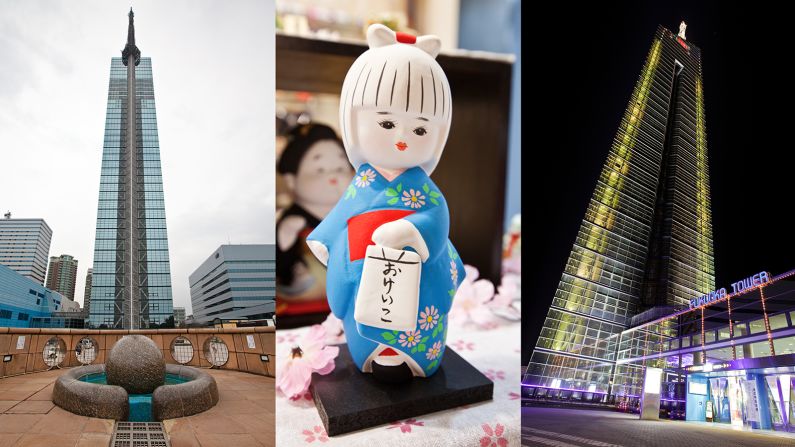
Those not in town to see the Hakata Gion Yamakasa can watch it on screen at the Hakata Machiya Folk Museum, close to Fukuoka's Kushida Shrine. There is also a small doll museum with a shop on the first floor of the Fukuoka Tower, while there are numerous shops selling beautiful ningyo around the city's main train station.
Daniel J Allen
Future focus —
Despite the limited number of doll craftsmen now based in Fukuoka, Takeyoshi is optimistic about the future of ningyo-making. "Among many Japanese people there has been a resurgence in interest in our cultural heritage," he says. "More and more people are interested in buying dolls. Some craftsmen are also innovating with styles and characters. This keeps things fresh and fashionable."