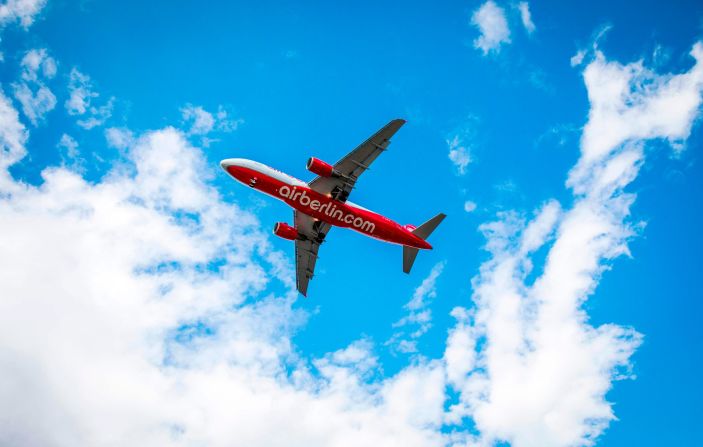
Airlines that no longer exist: Not every airline stays in the air forever. Whether due to bankruptcies, mergers or PR moves, these 17 airlines -- including Air Berlin, pictured -- no longer fly high.
ODD ANDERSEN/AFP/Getty Images
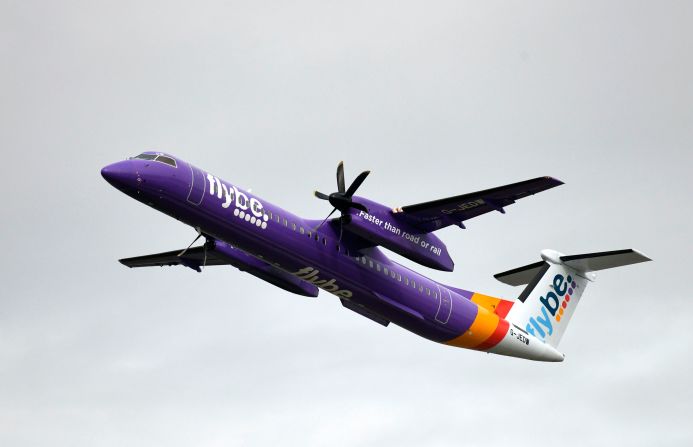
Flybe: Flybe was founded in Exeter, England, in 1979 and was Europe's largest independent regional airline. It collapsed in March 2020, with a drop in demand due to the novel coronavirus outbreak dealing a final blow for the ailing carrier.
Ina Fassbender/AFP/Getty Images
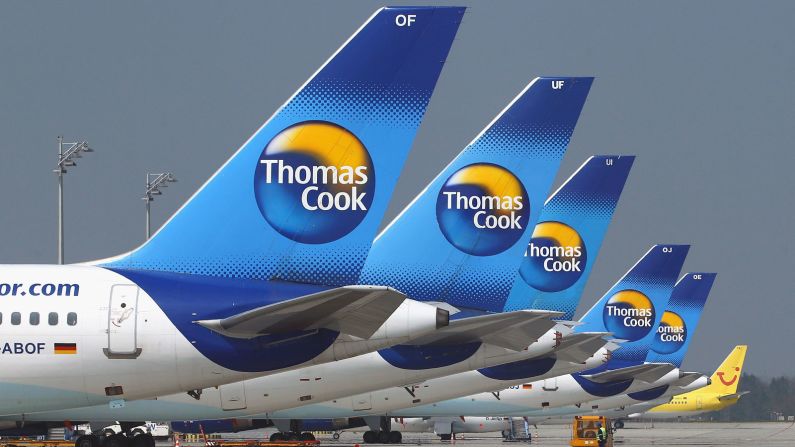
Thomas Cook Group Airlines: At 178 years old, Thomas Cook was one of the world's oldest tour operators, with a long and distinguished history. It went under in September 2019, stranding hundreds of thousands of passengers around the world.
Alexander Hassenstein/Getty Images
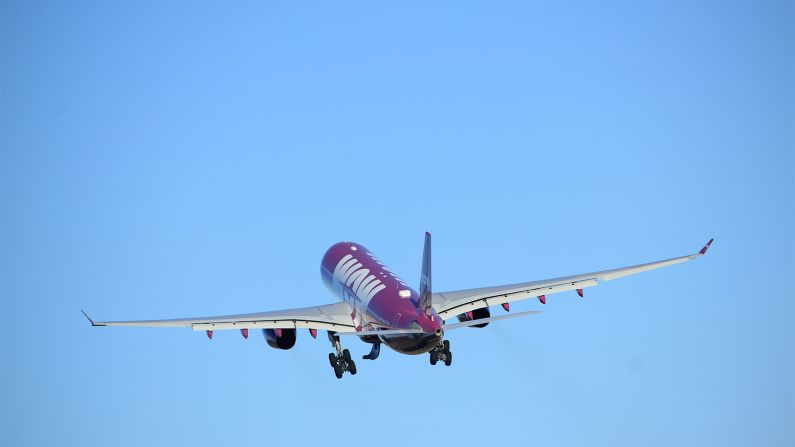
Wow Air: After offering bare-bones flights between Europe and North America, this airline abruptly shut down in March 2019.
Getty Images/studioportosabbia
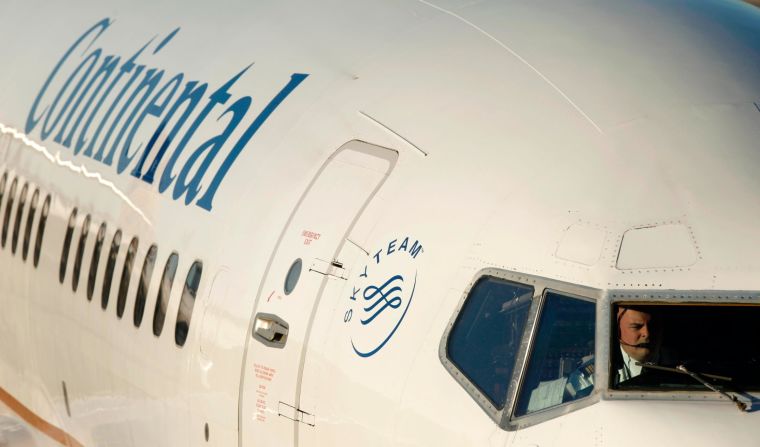
Continental: Headquartered in Houston and with other hubs in Cleveland, Newark and Guam, Continental flew until it merged with United Airlines in 2012.
Charlie Riedel/ASSOCIATED PRESS
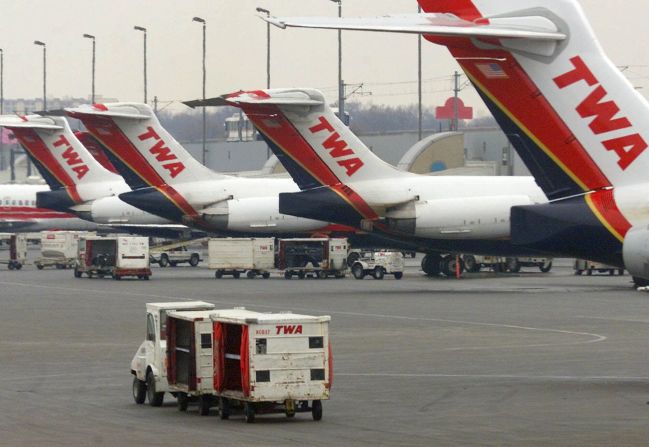
TWA: A remnant of the glory days of Trans World Airlines remains at New York's JFK Airport, the airline's transatlantic hub, where passengers departed and arrived through the Eero Saarinen-designed "TWA Flight Center" terminal.
Tom Gannam/AP
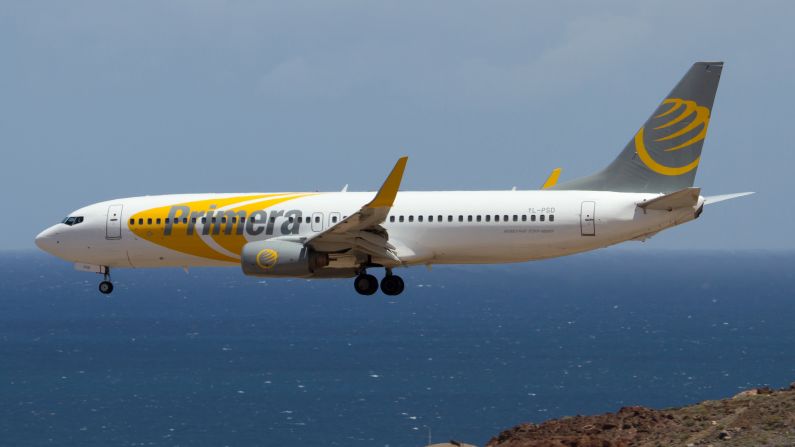
Primera Air: Primera's attempt to offer long-haul, transatlantic flights between the United States and Europe literally got off the ground in April 2018, only to last a few months before the entire operation collapsed on October 2, 2018.
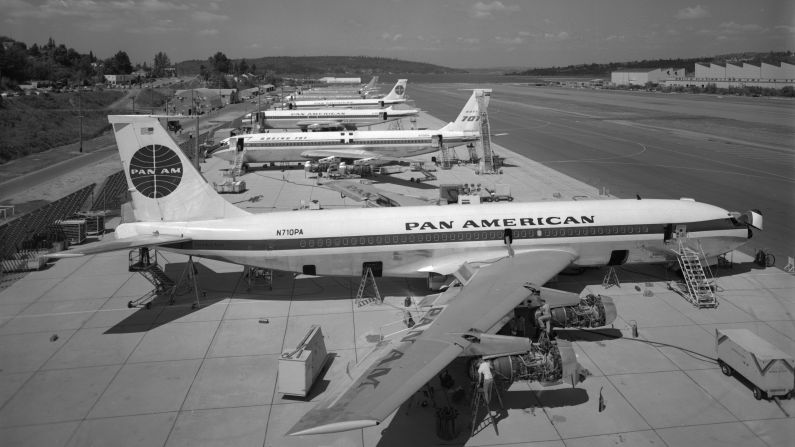
Pan Am: Pan Am, short for Pan American World Airways, is the story of a tiny, airmail carrier that hopped from Florida to Cuba and back beginning in 1927, to become the world's largest airline and an industry innovator until its demise in 1991.
Michael Ochs Archives/Getty Images
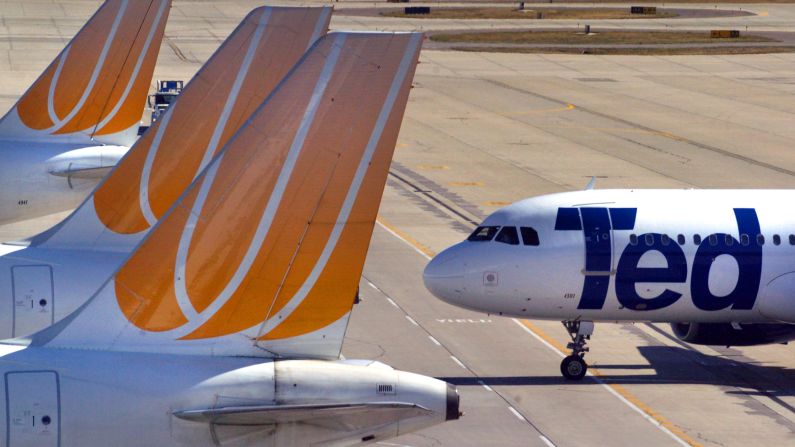
Ted: When low-cost airline literally and figuratively took off in the United States in the mid-2000s, United felt the pressure to try its own hand and thus formed Ted.
Jerry Cleveland/Denver Post/Getty Images
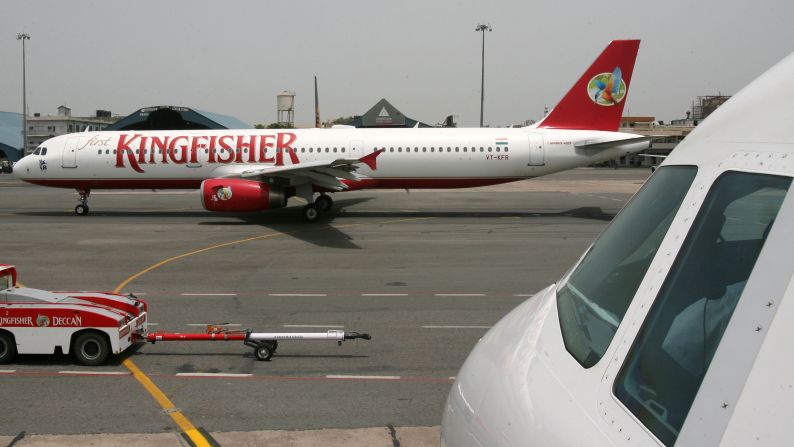
Kingfisher Airlines: Travelers to India may be familiar with the Kingfisher brand of beer, but the name (and the beer's parent company) also entered the airline business, with Kingfisher Airlines commencing flights around India in 2005. Its international service, to London, featured a bar in first class.
RAVEENDRAN/AFP/Getty Images
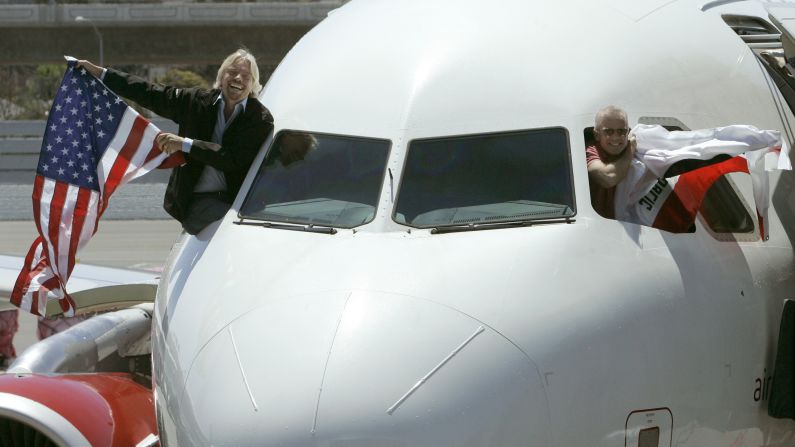
Virgin America: Known for its colorful cabin lighting, quirky personality, and desire to offer a stylish option in US air travel, Virgin America seduced fliers and captured airline awards throughout its decade of existence.
Jeff Chiu/ASSOCIATED PRESS
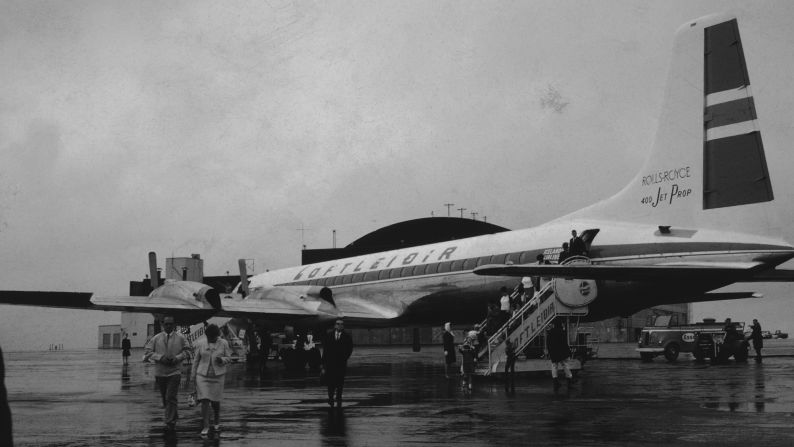
Loftleiðir: Flying from the United States to Europe with a stop in Iceland for cheap is now all too common, but the concept initiated as early as the 1940s with Loftleiðir, also known as Icelandic Airlines.
Smith Collection/Gado/Getty Images
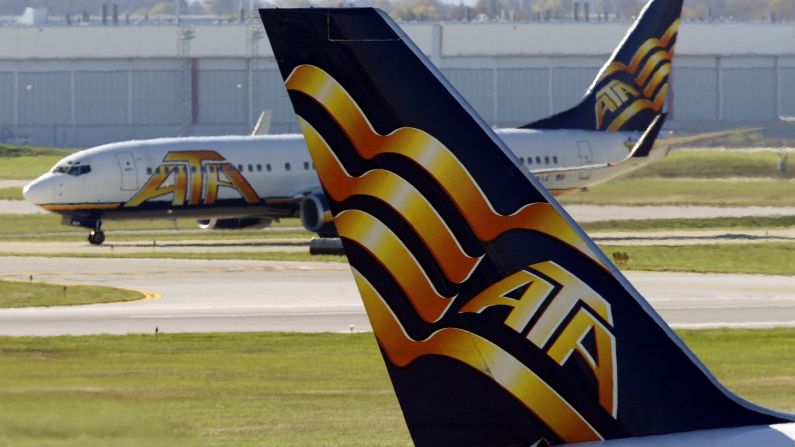
ATA: Initially launching as charter company in 1973, ATA began scheduled operations in 1986 with flights from the Midwest to Florida, serving vacation routes that would ultimately become the airline's specialty despite a brief experiment with international flights.
MICHAEL CONROY/AP
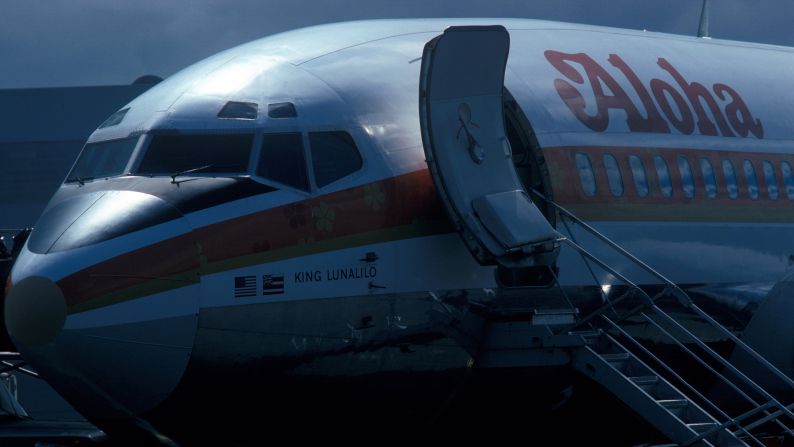
Aloha Airlines: Aloha was the main competitor to Hawaiian Airlines, but it was a fare war with the now-defunct island-hopper airline "go!" that drove Aloha to declare bankruptcy and cease operations in 2008.
Waring Abbott/Getty Images
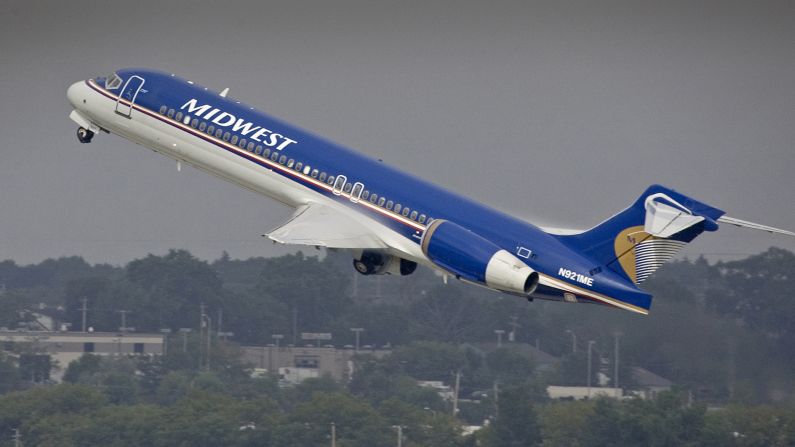
Midwest Airlines: From the 1990s into the early 2000s, Midwest set itself apart from competitors by continuing to offer generous, complimentary hot meals when other airlines were cutting back on amenities.
Jack Orton/Milwaukee Journal Sentinel/AP
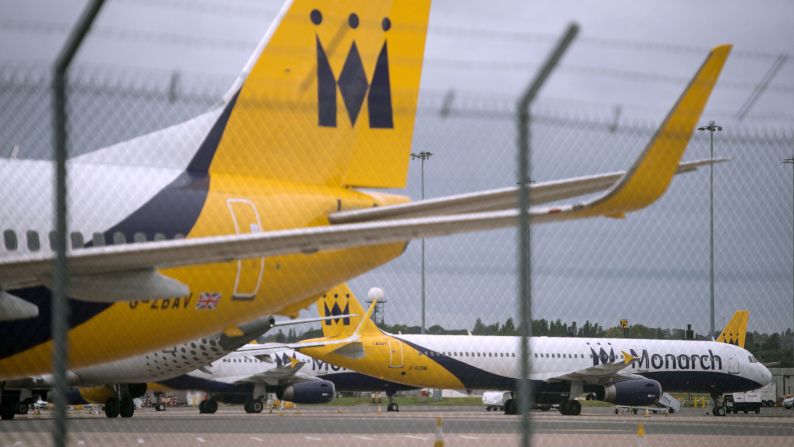
Monarch Airlines: Financial difficulties drove Monarch to desperately seek funding and, despite scoring some investment from Boeing in 2016, the airline shut down and stranded some 110,000 passengers who were later repatriated on other airlines in an operation costing £60 million ($78 million).
AFP Contributor/AFP/Getty Images
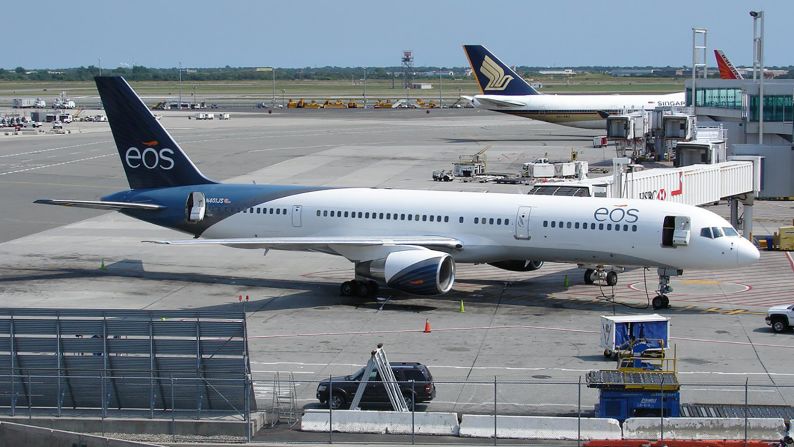
Eos Airlines: The short-lived Eos Airlines, which existed only from 2004 to 2008, was an all-business-class carrier flying 48-seat Boeing 757s between New York-JFK and London's Stansted Airport.
Cory W. Watts
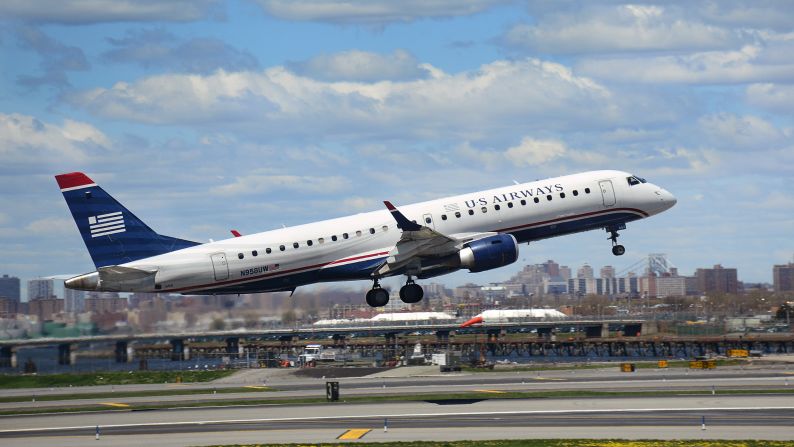
US Airways: US Airways merged with American Airlines in 2013, forming the world's largest airline, with the final US Airways-branded flight landed in April 2015.