Extraordinary abandoned architecture of Europe’s forgotten frontiers
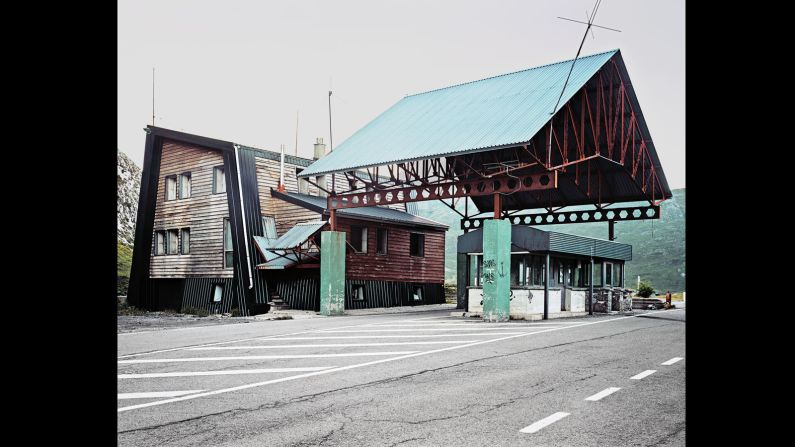
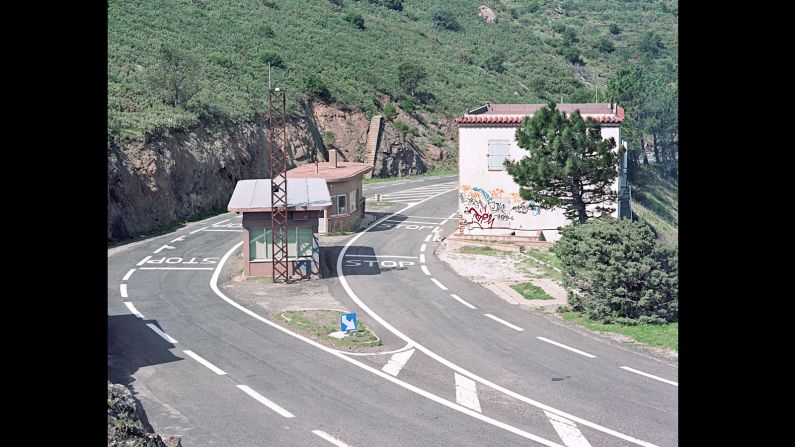
Portalet (France-Spain) —
Ignacio Evangelista began taking photographs of border crossings after being fascinated by frontiers as a child.
Courtesy IgnacioEvangelista.com
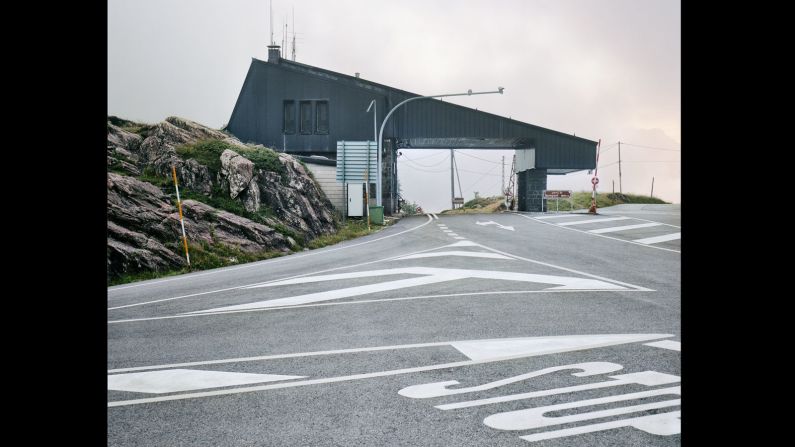
Somport (Spain-France) —
Three decades ago, a journey across Europe could require numerous different currencies and endless lining up at border checkpoints.
Courtesy IgnacioEvangelista.com
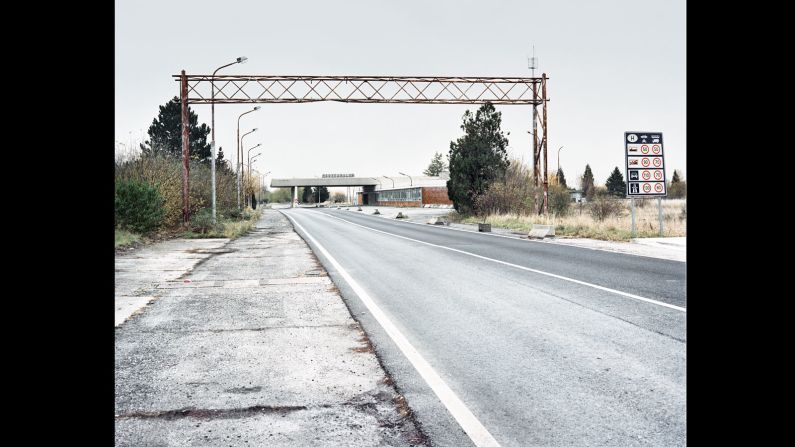
Nickelsdorf-Hegyeshalom (Austria-Hungary) —
Many checkpoints between European nations were abandoned after the 1985 Schengen agreement came into force 10 years later.
Courtesy IgnacioEvangelista.com
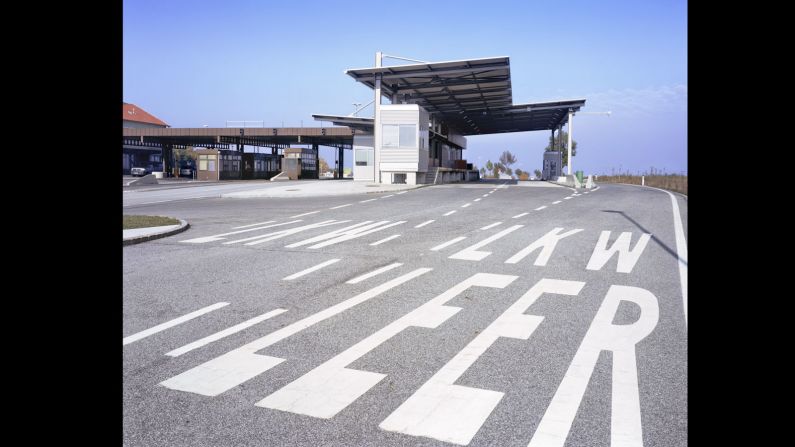
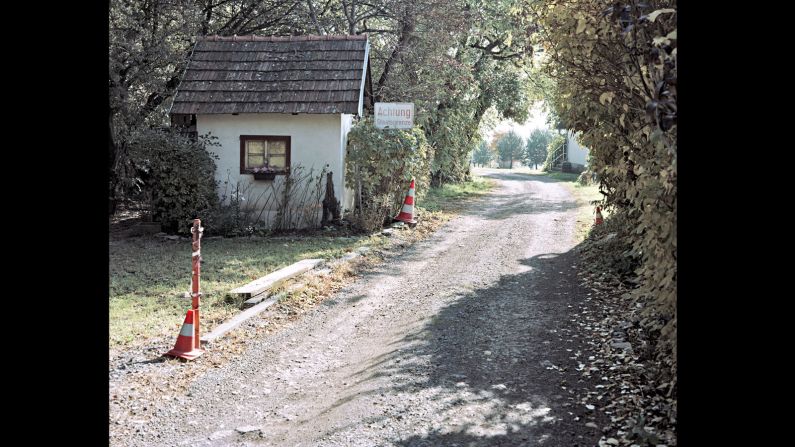
Klingenbach-Sopron (Austria-Hungary) —
Some 26 states now lie within the Schengen area. Anyone with a European passport or Schengen visa can pass freely between them.
Courtesy IgnacioEvangelista.com
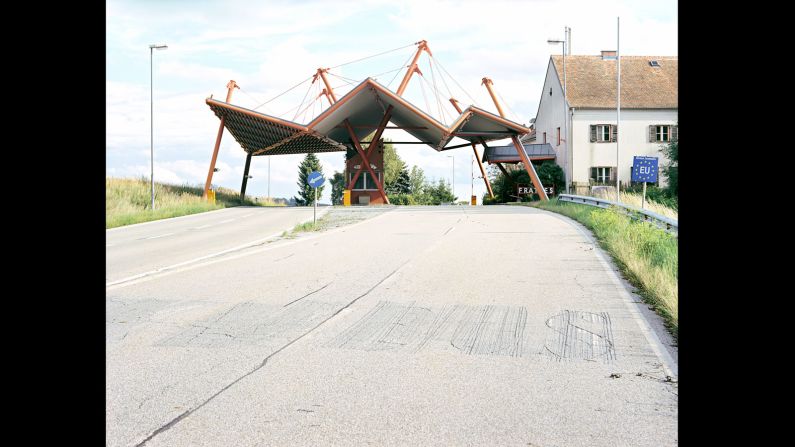
Fratres-Slavonice (Austria-Czech Republic) —
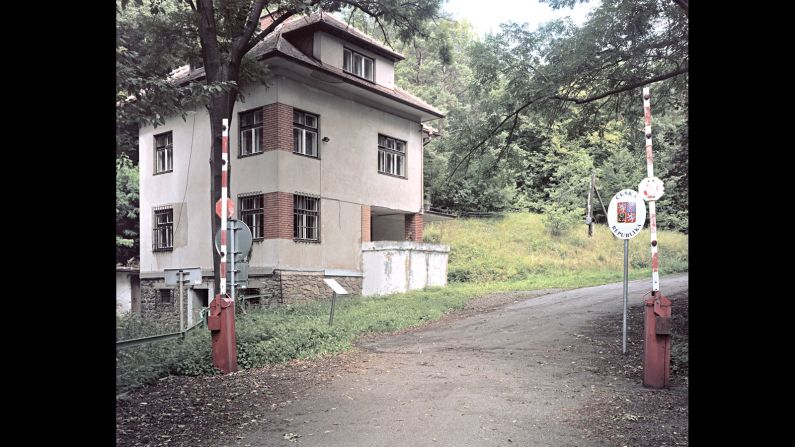
The abandoned checkpoints vary in size from gigantic Soviet statements to tiny huts in dark forests.
Courtesy IgnacioEvangelista.com
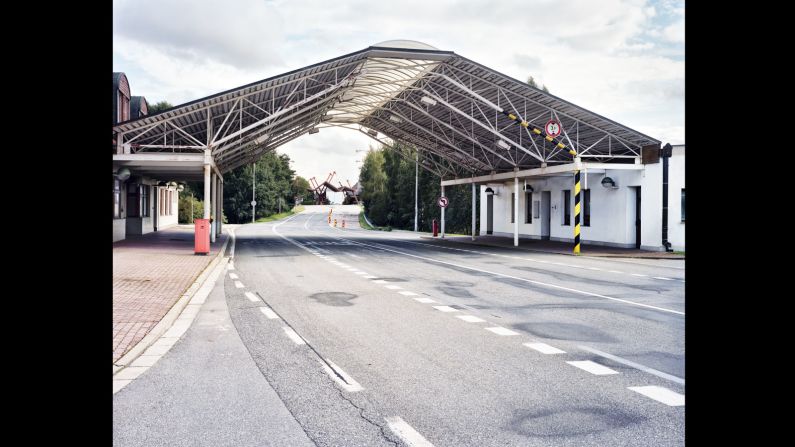
Slavonice-Fratres (Czech Republic-Austria) —
Evangelista says: "What is interesting for me is the space you can see between the two posts. It's no man's land. Which country is that? If you want to camp in there who do you ask permission from?"
Courtesy IgnacioEvangelista.com
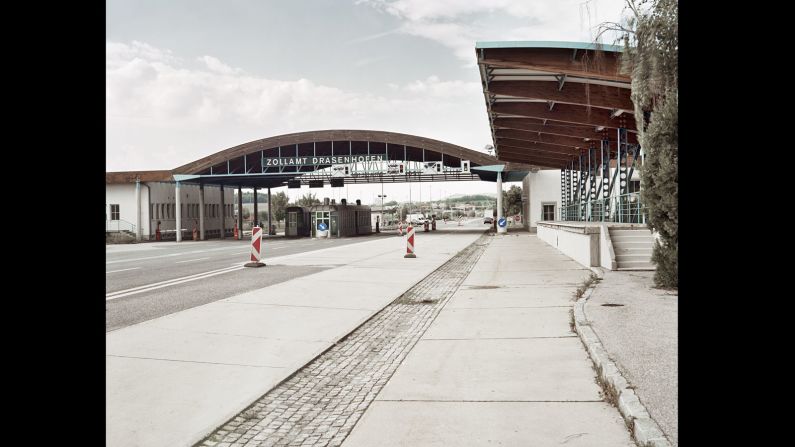
Drasenhofen-Mikulov (Austria-Czech Republic) —
Evangelista says many of the borders retain the memories of the time they symbolized an ideological division of Europe.
Courtesy IgnacioEvangelista.com
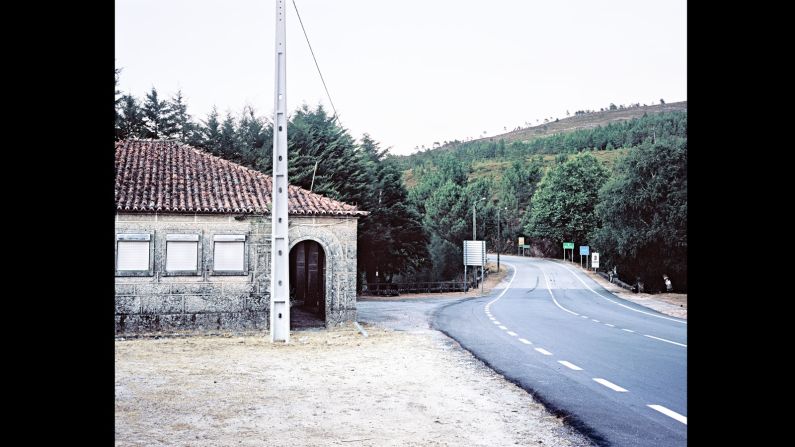
Lindoso-Aceredo (Portugal-Spain) —
Evangelista says he researches the checkpoints using maps and the Internet before seeking them out. Often his finds them on side trips while on another assignment.
Courtesy IgnacioEvangelista.com
Hardegg-Cizov (Austria-Czech Republic) —
"It's interesting to me, looking at these places now they are a little bit spooky, because at most of them you can feel this ghostly atmosphere," says Evangelista.
Courtesy IgnacioEvangelista.com
Eisenberg-Vaskeresztes (Austria-Hungary) —
"Sometimes there are natural borders," says Evangelista. Other times they are artificial. "It's fascinating to me that on one side is a different language, culture, religion, money etc. It's artificial but it changes so many things."
Courtesy IgnacioEvangelista.com
Colls dels Belitres (Spain-France) —
Some of the checkpoints have been converted for other use. Some have been maintained, others left to fall into disrepair.