Cumberland Island National Seashore. A barrier island off the coast of Georgia, Cumberland Island is home to over 500 plant species, over 300 bird species, 55 different types of reptiles and amphibians, plus 30 mammal species -- including feral hogs and horses.
Shutterstock
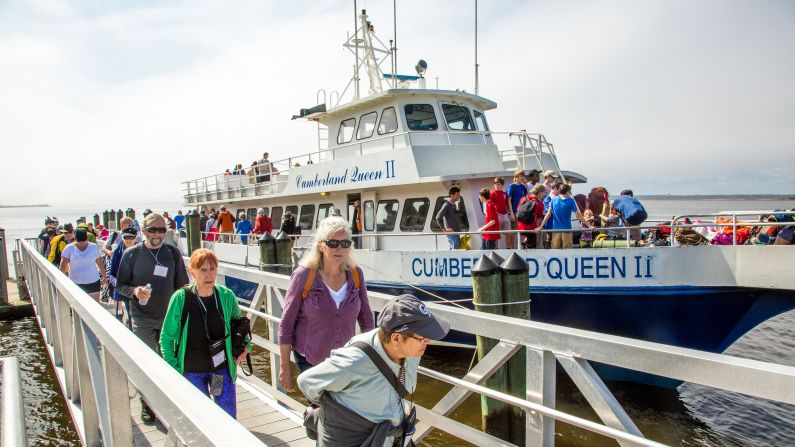
A limited number of visitors. The National Park Service's current management plan allows the seashore's concession-operated passenger ferry -- like this one unloading at the island's Sea Camp dock -- to bring no more than 300 people to the island each day. Overnight guests can stay at the elegant Greyfield Inn or at one of the seashore's campsites.
Shutterstock
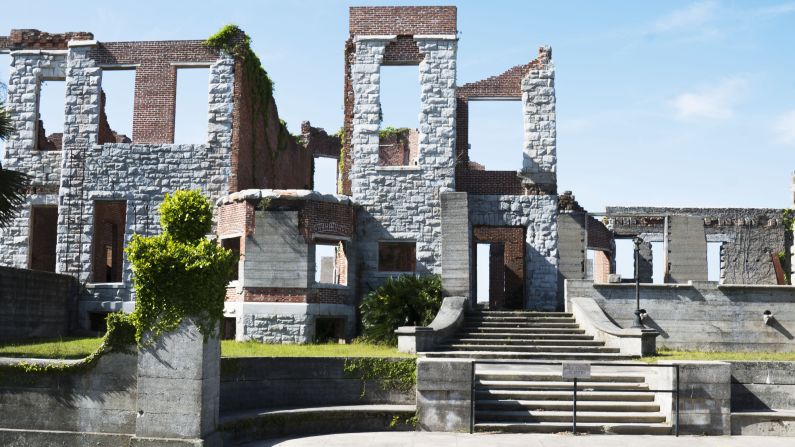
The ruins of an Carnegie mansion. The Dungeness Mansion was built in 1884 as a winter home for Thomas Carnegie, his wife Lucy and their children. By 1916, the mansion had been expanded to about 35,000 square feet, but it was ruined in a 1959 fire. The remains are a popular spot to visit.
Katia Hetter/CNN
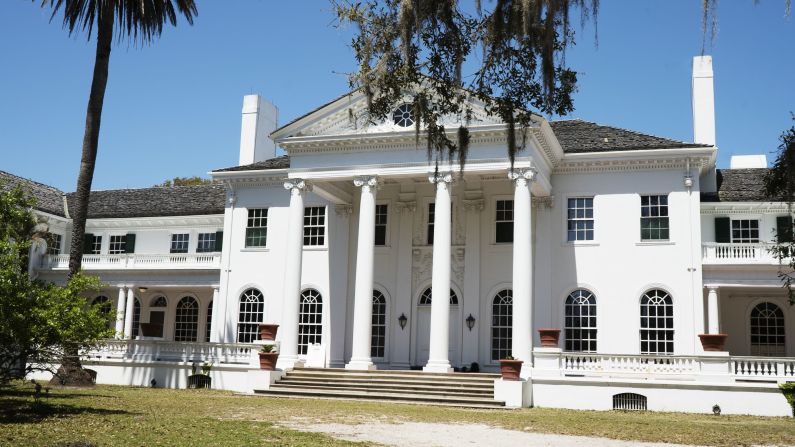
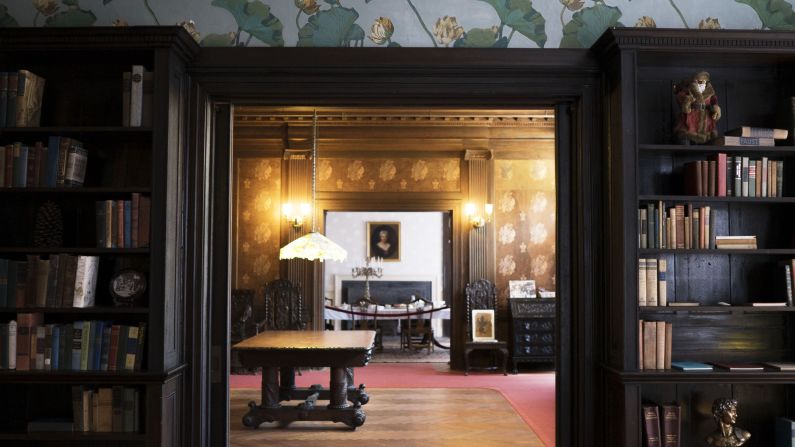
Plum Orchard Mansion still stands. A wedding gift for George Lauder Carnegie and Margaret Thaw, construction on Plum Orchard began in 1898 and additions continued over the next two decades. The couple wintered on the island until George died in 1921. Guests can tour the 22,000 square foot mansion and spot the occasional memento supporting the protection of sea turtles, a practice that continues under the National Park Service today.
Channon Hodge/CNN
Edwardian High Society. The elegance of Plum Orchard stands amid the nature beauty of the island.
Channon Hodge/CNN
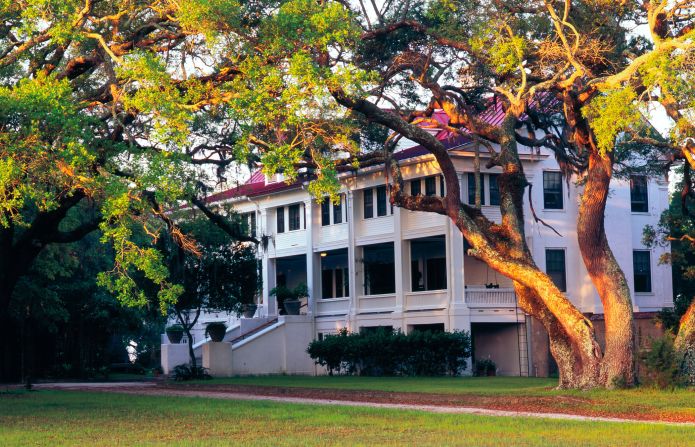
Live like the Carnegies. Guests who prefer not to camp can stay at the Greyfield Inn, a former home turned resort, which features a sprawling front porch, extensive gardens and a locally sourced menu.
Fred Whitehead
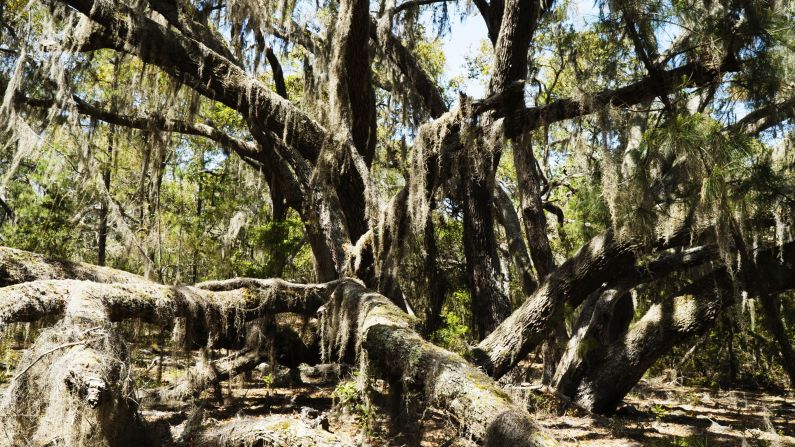
Nature trails. Visitors can wander through the island's many hiking trails and rarely spot another human.
Channon Hodge/CNN
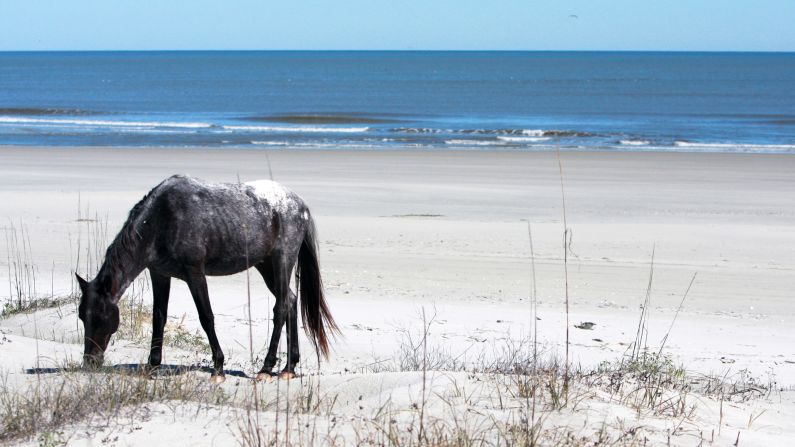
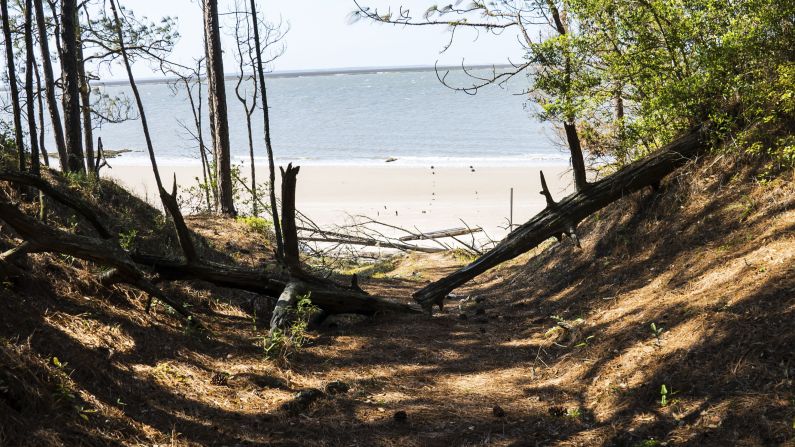
17 miles of pristine beach. There's no construction interrupting Cumberland Island's 17 miles of beachfront but there are dunes that make it a key nesting spot for loggerhead sea turtles and a sanctuary for migrating shore birds. (There are no lifeguards on duty.)
Katia Hetter/CNN
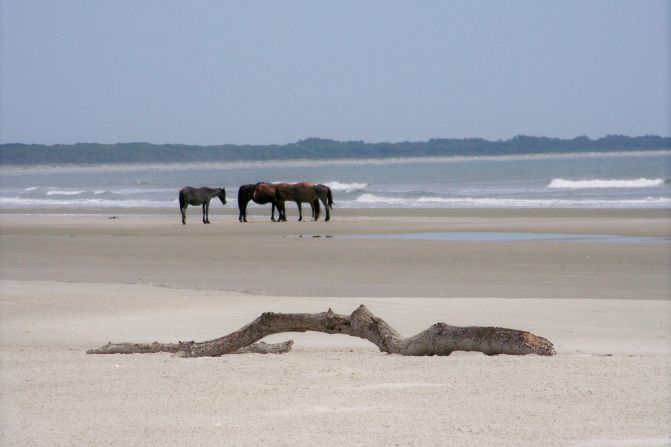
The island's horses. The horses on Cumberland Island are feral, wild animals and aren't managed by the National Park Service. Visitors should keep a safe distance and not feed, water or bother them.
Courtesy Georgia Department of Economic Development
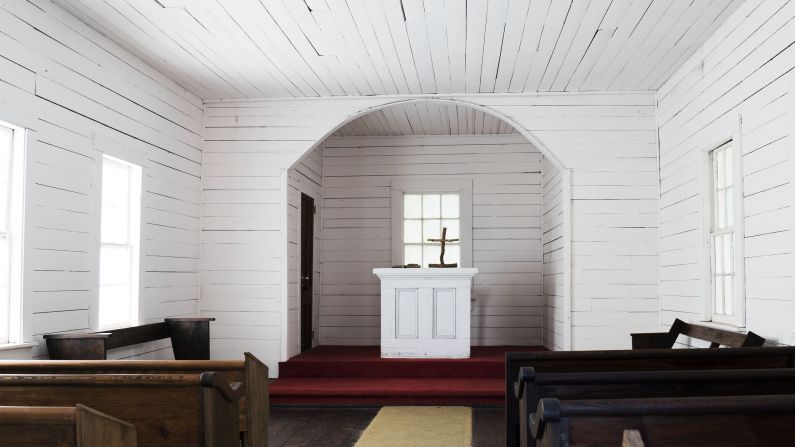
First African Baptist Church. First established in 1893 by free African-American residents, the initial church -- and the church rebuilt in the 1930s that exists today -- was place of worship and community center for the Settlement community at the island's Northend.
Katia Hetter/CNN
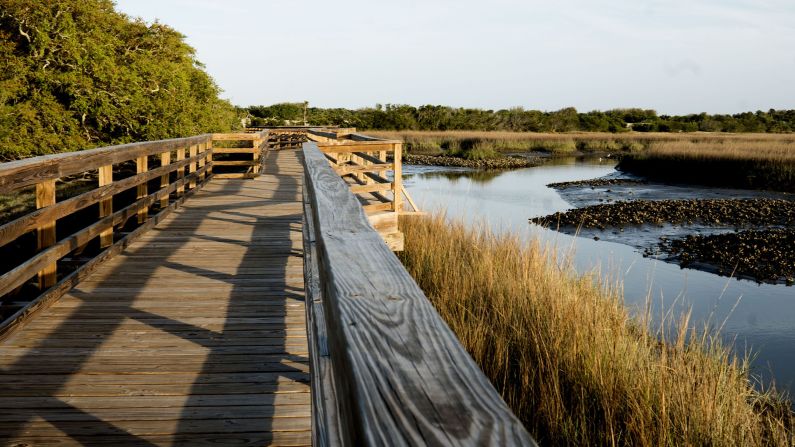
Exploring the marsh. The island has more than 9,000 acres of salt marcs, and day visitors can cross Dungeness Marsh Boardwalk to spot oysters and other animals and plants.
Channon Hodge/CNN
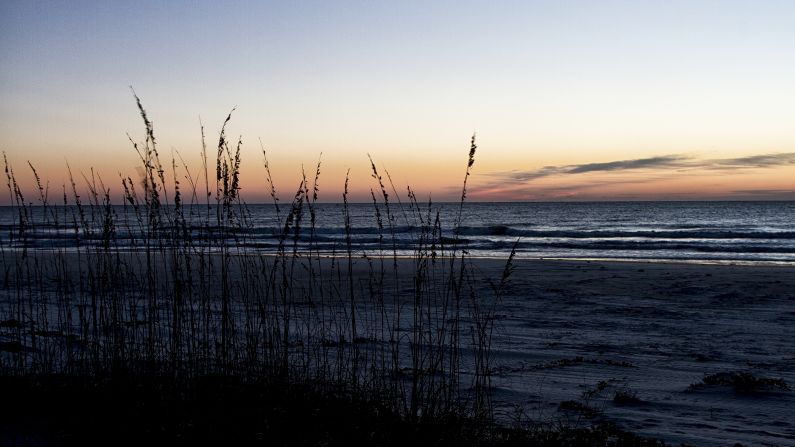
A sunset worth waiting for. Overnight guests can enjoy the island as day turns into night.