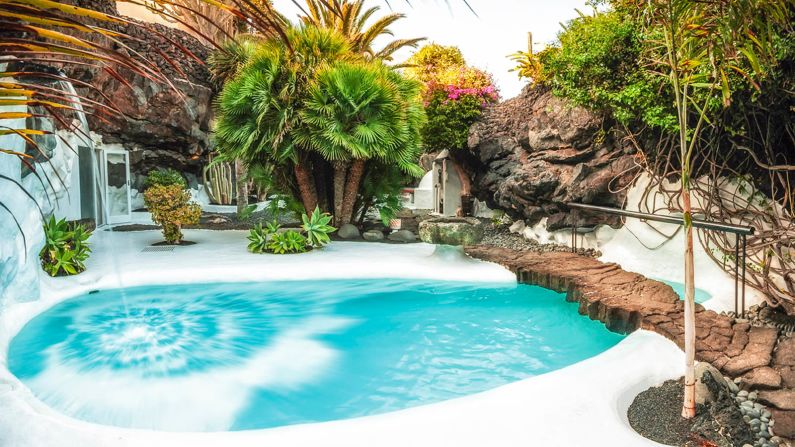
Volcano House: Lanzarote artist César Manrique is credited with helping save his island from the excesses of of mass tourism. His cool former home, built into old volcanic lava tubes, is now one of many cultural attractions he created.
Courtesy Fondation Cesar Manrique
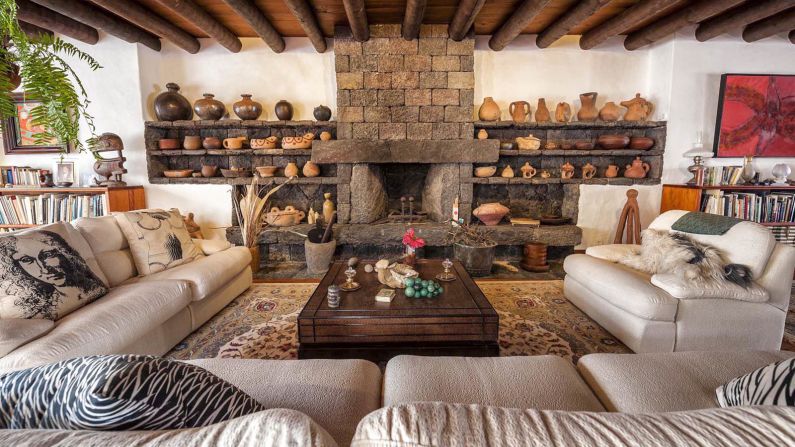
Going underground: Manrique spotted holes in a lava field and bought the land from a baffled farmer, before transforming it into his home.
Courtesy Fondation Cesar Manrique
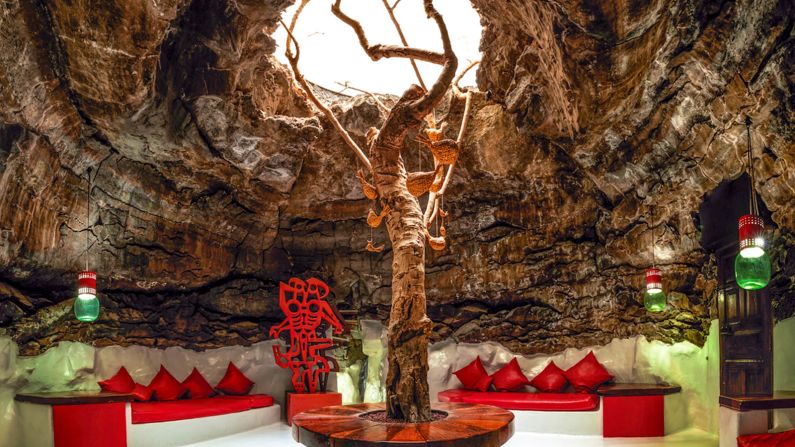
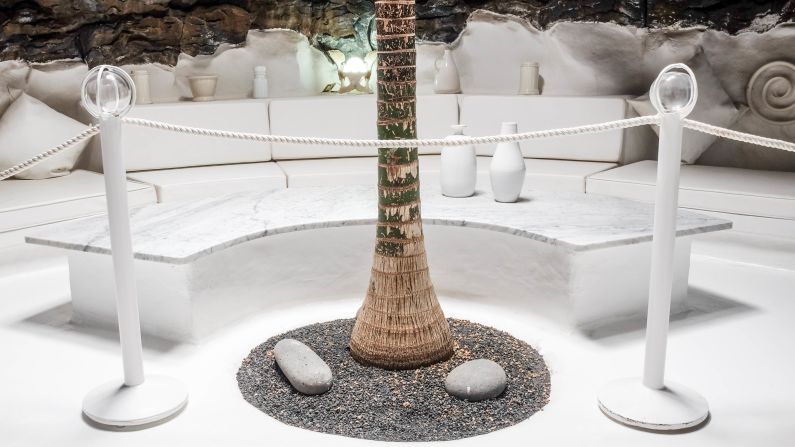
Stunning spaces: The subterranean pad is full of relaxation rooms with cool touches like trees sprouting up through the ceiling.
Barry Neild/CNN
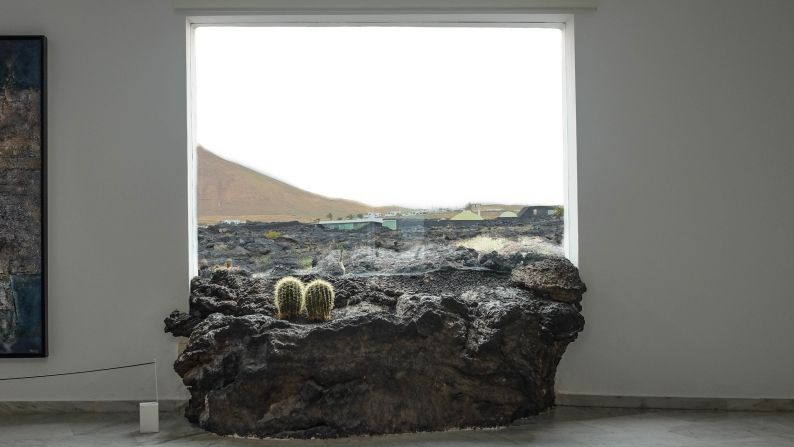
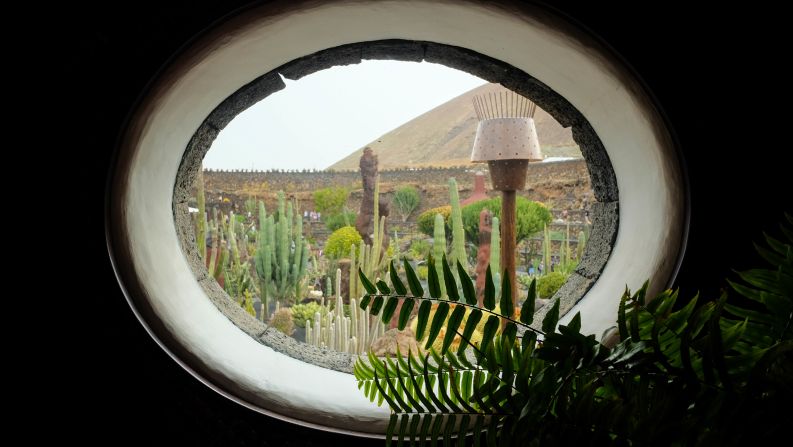
Window art: The home now houses the César Manrique Foundation. Above ground, buildings exhibit art and these incredible picture windows that frame Lanzarote's beautiful landscape.
Barry Neild/CNN
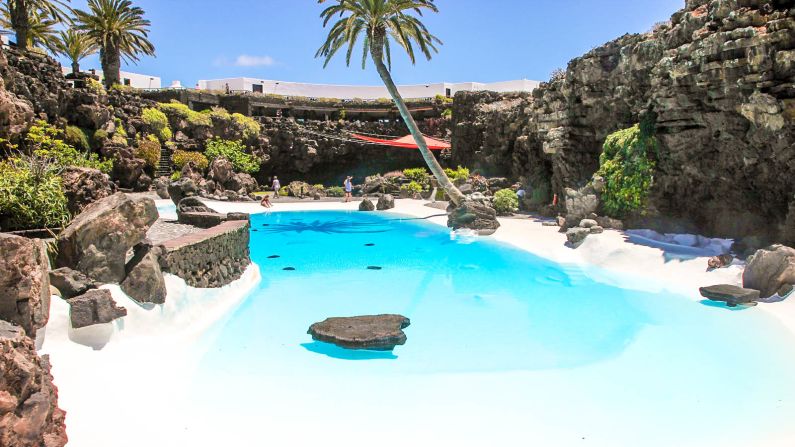
Jameos del Aqua: Manrique's penchant for creating Bond villain-style architecture is epitomized at Jameos del Aqua, a restaurant/nightclub venue built into a giant lava tube.
Bahrinn/Pixabay
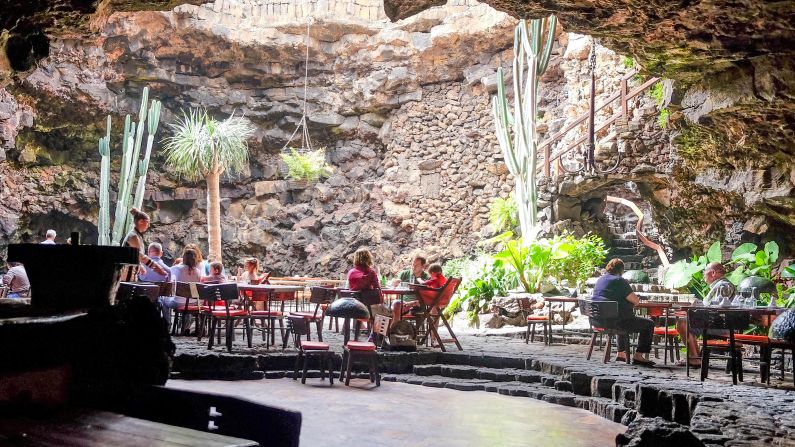
Subterranean restaurant: The upscale restaurant at Jameos del Aqua is the perfect place to escape bright midday sun, or to party the night away.
Barry Neild/CNN
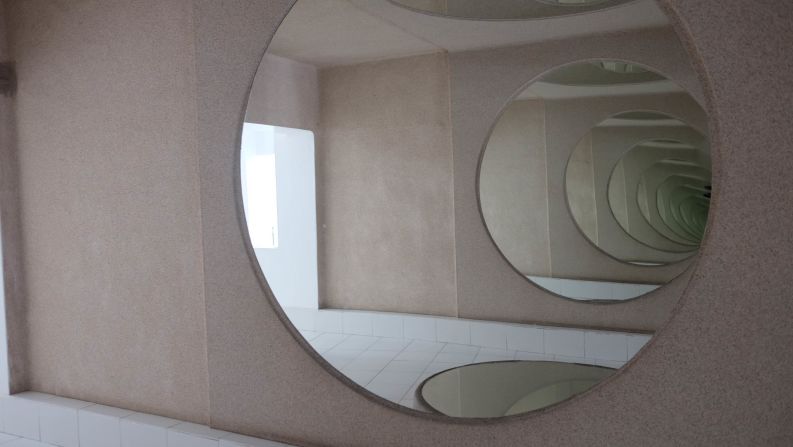
Eye for detail: Manrique's obsession with even the smallest details means every aspect of his creations are a pleasure to experience, like this mirror corridor at Jameos del Aqua.
Barry Neild/CNN
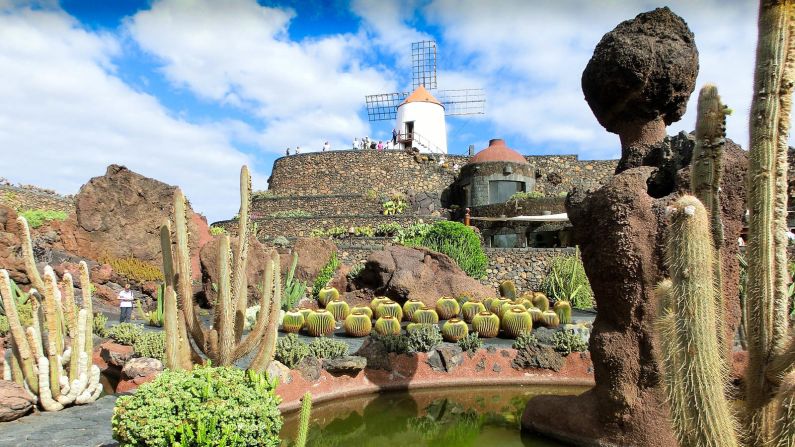
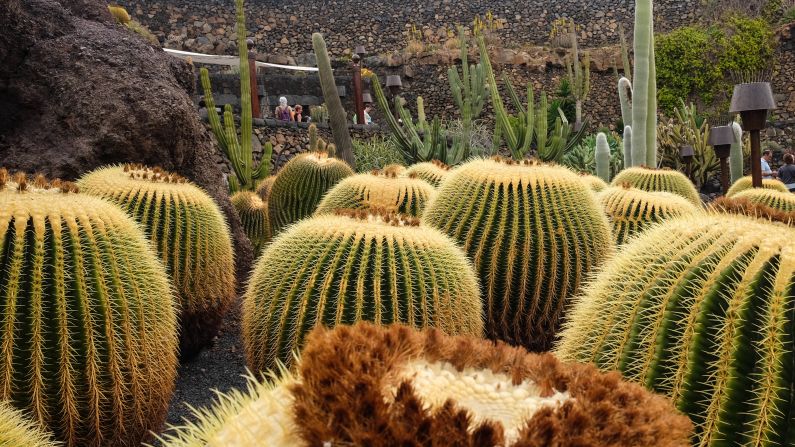
Jardín de Cactus: Manrique worked to create tourist attractions that showcased Lanzarote's natural assets. One of his greatest works was the Jardín de Cactus, a giant hollow filled with every conceivable type of spiked plant that took years to develop.
neufal54/Pixabay
Prickly attraction: The Jardín de Cactus features 10,000 cacti from all over the world. It's one of the top attractions on Lanzarote.
Barry Neild/CNN
Agricultural homage: The cactus garden, created on the site of an old quarry, pays tribute to the farmers who cultivated cacti to harvest the cochineal insect, which was used to create a lucrative dye.
Barry Neild/CNN
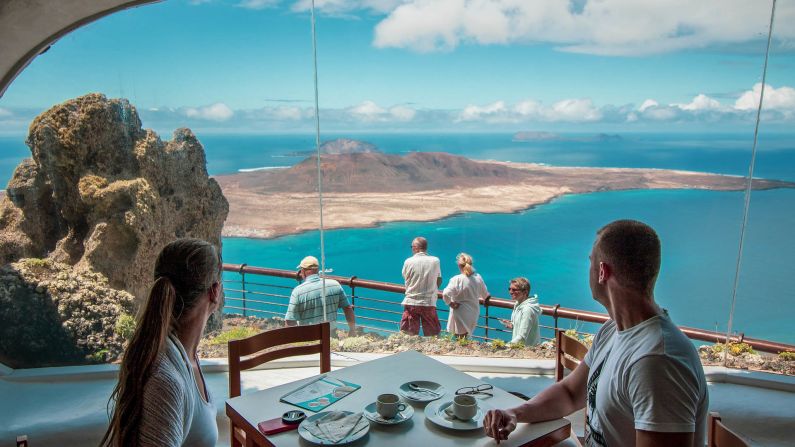
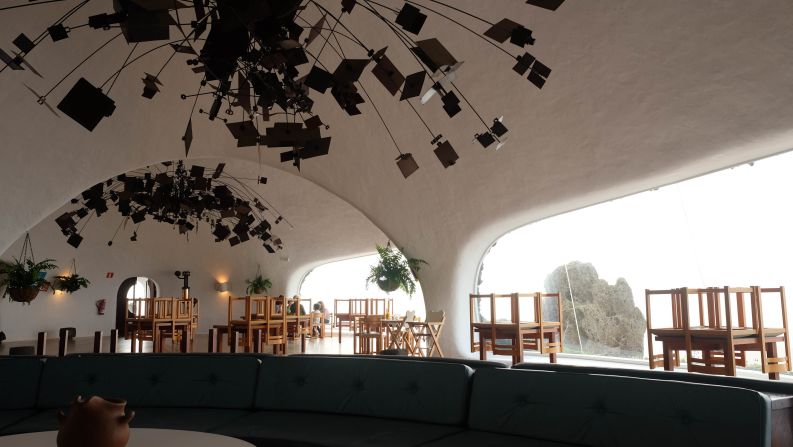
Mirador Del Río: Forget about lunch, check out the awesome view. This cafeteria overlooking Lanzarote's tiny unspoiled neighbor, La Graciosa, was a collaboration between Manrique and other local architects and artists.
AdamKontor/Pixabay
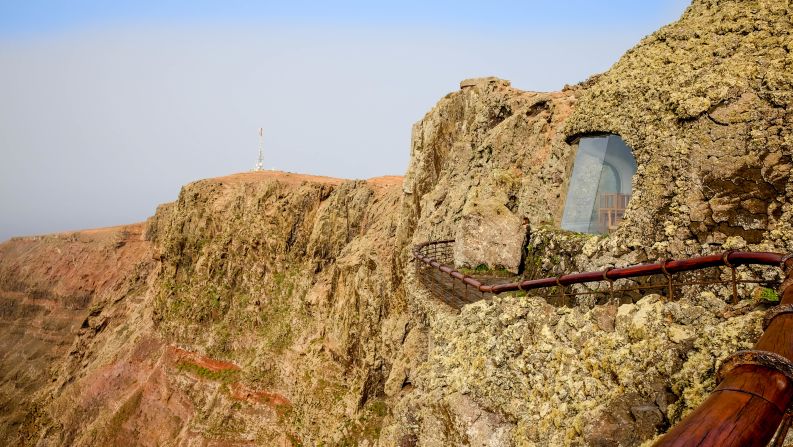
Incredible views: Mirador del Río was once home to a gun battery. The story goes that Manrique was entranced by the view during military service.
Barry Neild/CNN
Delicious setting: Manrique's original plan was to create a restaurant at Mirador del Río, but today the chic, minimalist space is home to a modest cafe and bar.
Barry Neild/CNN
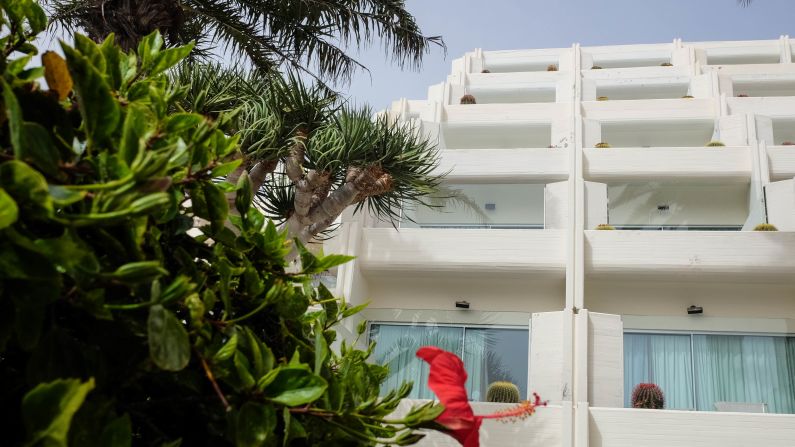
Hotel Meliá Selinas: Another Manrique collaboration was this 1970s hotel on Lanzarote's eastern seafront. Recently refurbished, it's a cult destination for Manrique fans.
Barry Neild/CNN
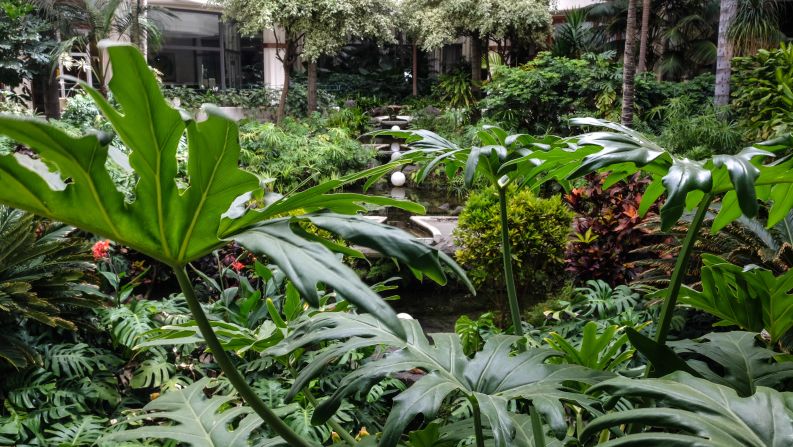
Dense foliage: The hotel's central atrium is filled with a verdant display of vegetation that has grown up over the decades since it opened.
Barry Neild/CNN
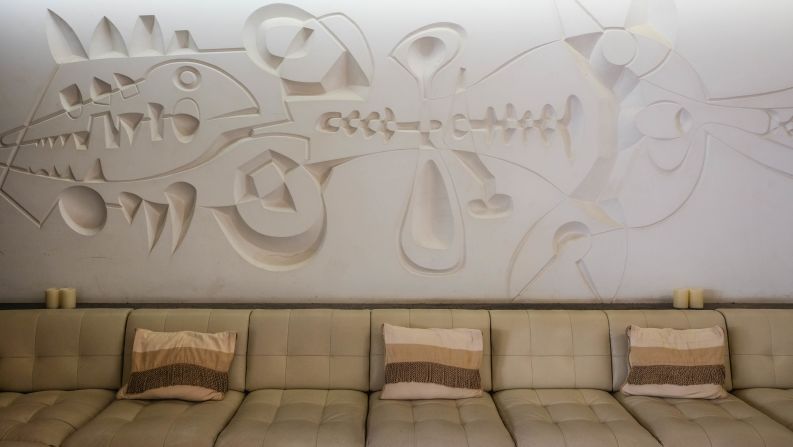
Fish-themed artworks: Sea life bas reliefs designed by Manrique give bring some 1970s chic to the 270-room hotel's lobby and main restaurant.
Barry Neild/CNN
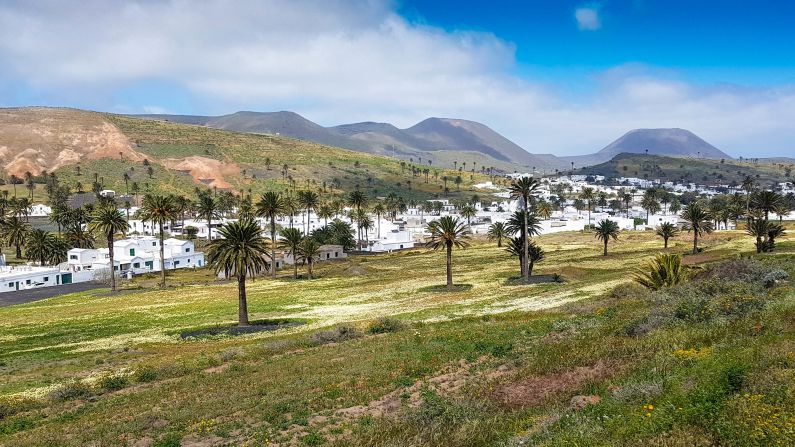
Haría: This beautiful inland town, which closely resembles a desert oasis, was where Manrique made his last home.
Barry Neild/CNN
Casa-Museo César Manrique: The artist refurbished old farm buildings to create this photoshoot-perfect home. It's preserved much as it was during his lifetime for visitors to see.
Courtesy Fondation Cesar Manrique
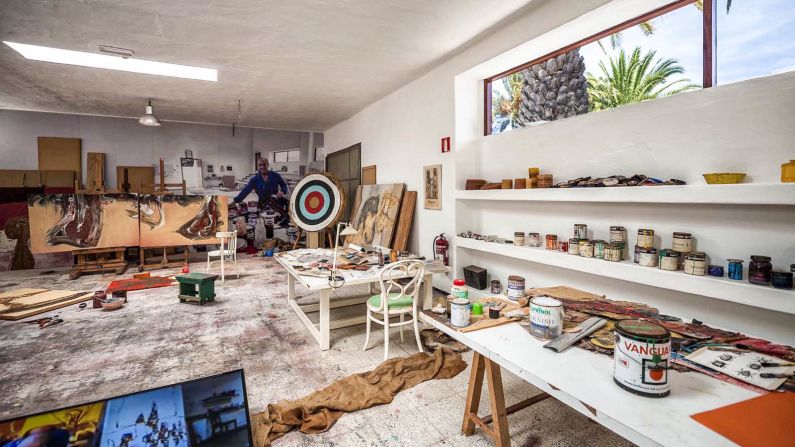
Manrique's studio: One of the best things to see at the Casa Manrique is the artist's garden studio, a bright space full of paint pots and splatters that gives a glimpse into his highly creative mind.
Courtesy Fondation Cesar Manrique
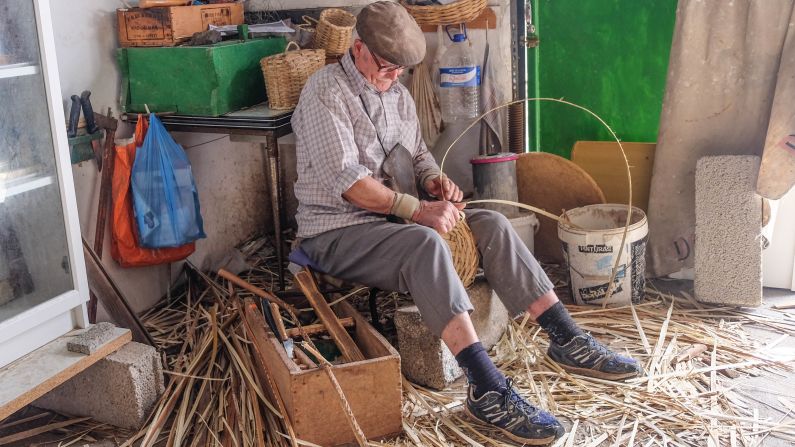
A vanishing art: Haría resident Eulogio Concepcion Perdomo, 84, says he's the last surviving traditional basket weaver in the Canary Islands. He had many encounters with Manrique and says he may have been one of the last people to see him before he died.
Barry Neild/CNN
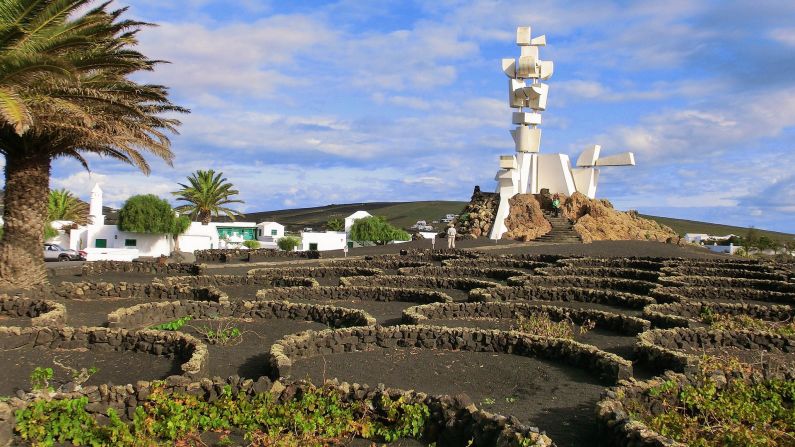
Monumento al Campesino: All roads on Lanzarote seem to lead to this elegant monument at the island's geographical center. It's Manrique's tribute to the agricultural workers who toughed it out in the lava fields long before the tourists arrived.
Neufal54/Pixabay
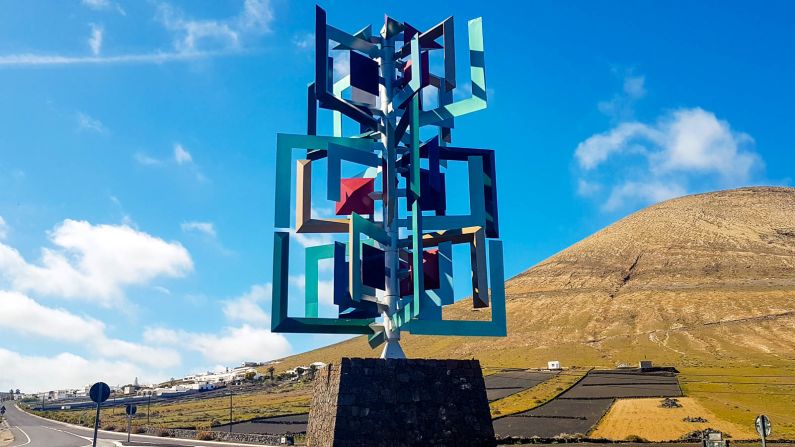
Wind Toys: Another of Manrique's contributions to Lanzarote's road network are these mobile "wind toys." The giant metalwork sculptures are placed at junctions around the island, springing to life during blustery conditions.
Barry Neild/CNN
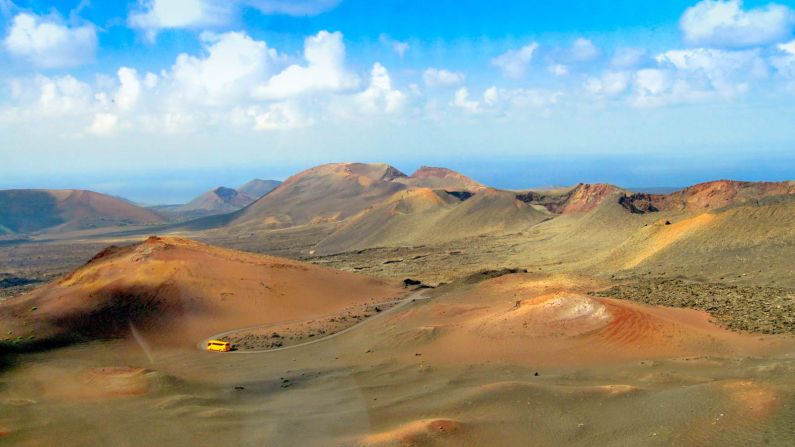
Timanfaya National Park: This dramatic area of Lanzarote's volcanic landscape is a protected park. Manrique helped design a road that switchbacks across the terrain and also a restaurant where food is cooked by geothermal energy.
neufal54/Pixabay
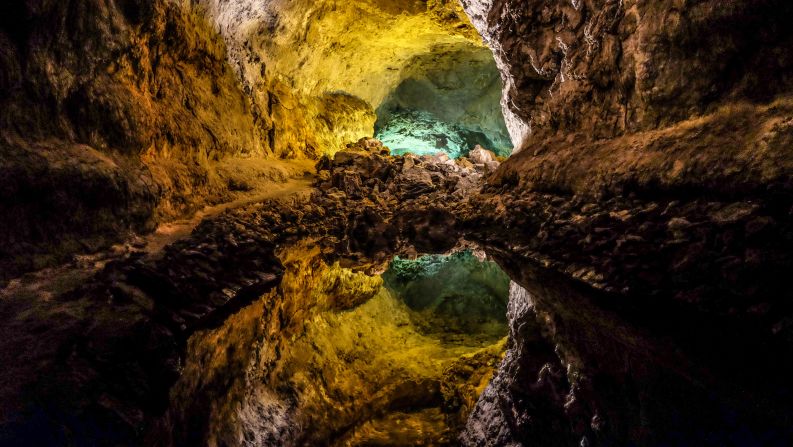
La Cueva de los Verdes: Once a hiding place from marauding invaders, these caves created by volcanic lava have no direct link to Manrique, but his friend and collaborator, Lanzarote artist Jesús Soto, designed the light and sound show that makes the visit worthwhile.
Barry Neild/CNN
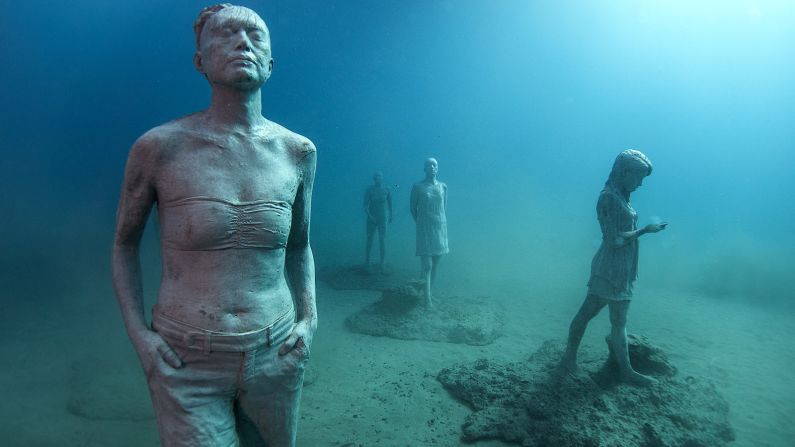
Museo Atlántico Lanzarote: Opened decades after Manrique's death, this subaquatic park is the work of British sculptor Jason deCaires Taylor, but the ambitious concept behind it -- blending the natural environment with sculpture to create a tourism attraction with a message -- is arguably pure César Manrique.