A maze of cavern networks lurks beneath the hills of Budapest. Many caves are open to the public for tours or guided spelunking adventures.
Jennifer Walker
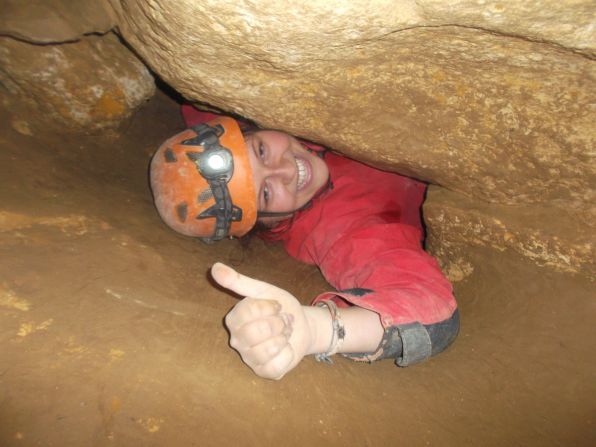
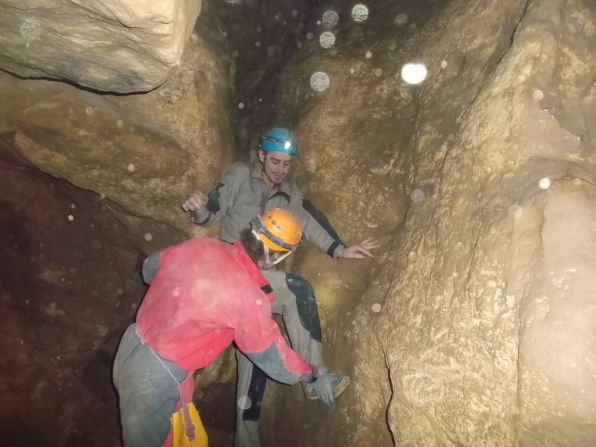
Mattyas Hill caves —
The longest cave system in Hungary is located under the Mattyas Hill. A small part of the complex is open to adventurous tourists and geologists training to explore more inaccessible caverns.
Jennifer Walker
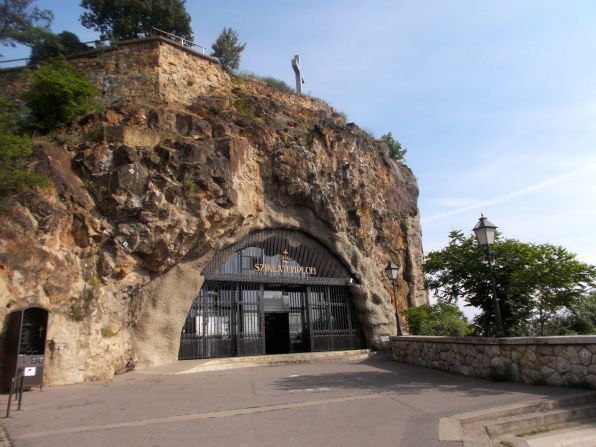
Gellert Hill cave —
In the 1920s, the Gellert Hill cave was used by a group of Pauline monks who built an entrance inspired by similar rock constructions in Lourdes, France. It was a chapel and a monastery between 1926 and 1951.
Jennifer Walker
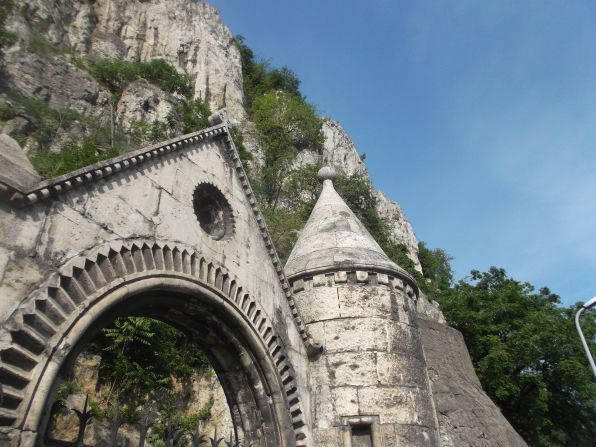
Danube landmark —
Opposite one of Budapest's famous spas, the Gellert Hill cave overlooks the Danube river. According to legend, the cave was occupied by a hermit centuries ago.
Jennifer Walker
Castle Hill Labyrinth —
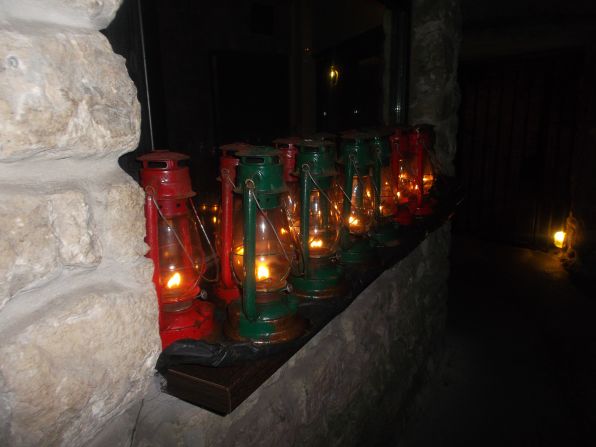
After 6 p.m. it's lights out down in the Labyrinth. Each tour team is given a gas lantern and has to navigate their way around the pitch black caves.
Jennifer Walker
The Hospital in the Rock —
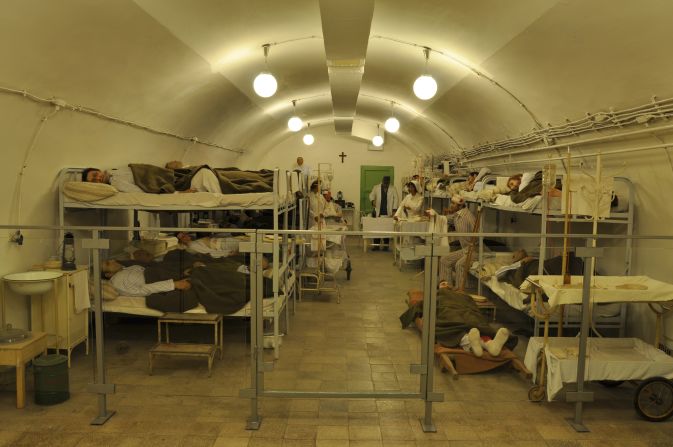
Located beneath Castle Hill, one local cave was used as a hospital in World War II. Conditions were cramped and the air was nearly unbearable due to the number of patients.
Courtesy of Hospital in the Rock
Uprising role —
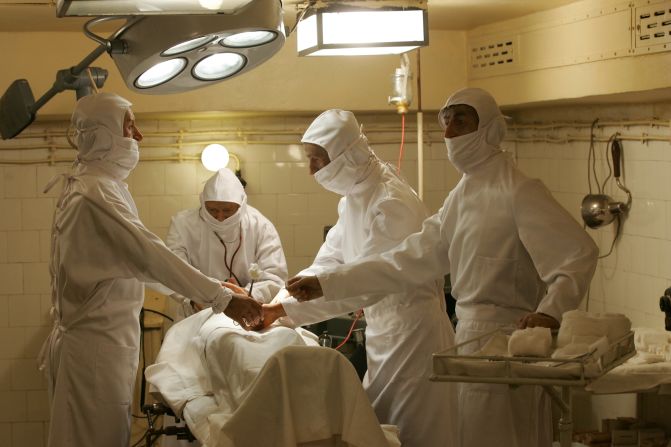
During the wartime Soviet Siege of Budapest, doctors and nurses treated thousands of casualties here. The hospital also operated during the Hungarian Uprising in 1956.
Photo courtesy of Hospital in the Rock
Beneath Buda Castle Hill —
The former hospital is hidden among nearly six miles of natural caves and tunnels located directly below Buda Castle Hill.
Courtesy of Hospital in the Rock
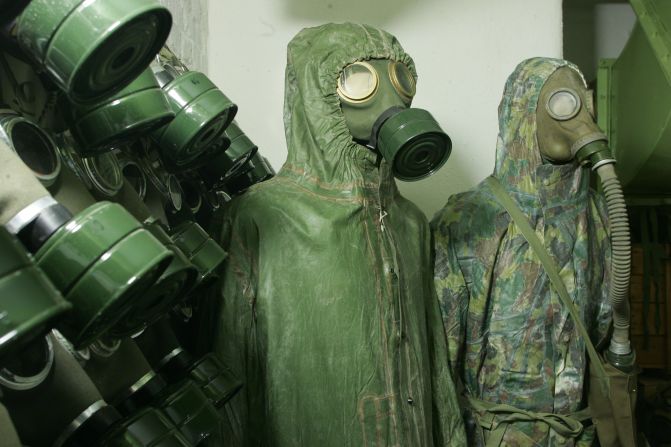
Cold War bunker —
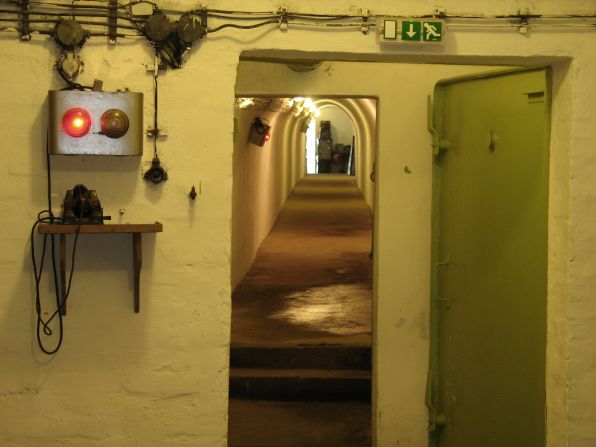
Under the shadow of the Cold War in 1958, the former hospital was expanded into a nuclear bunker, which could be used in a chemical or nuclear attack.