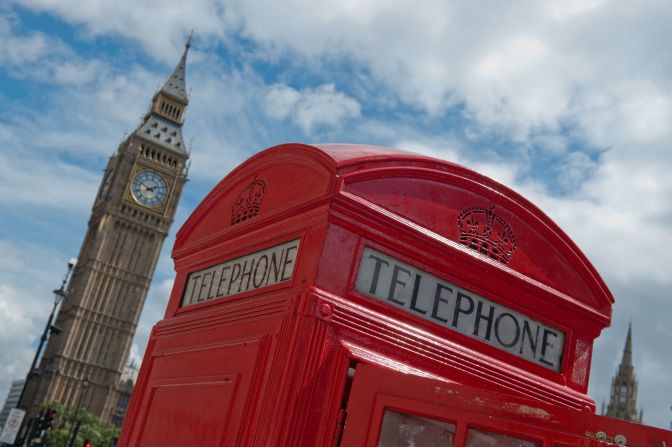
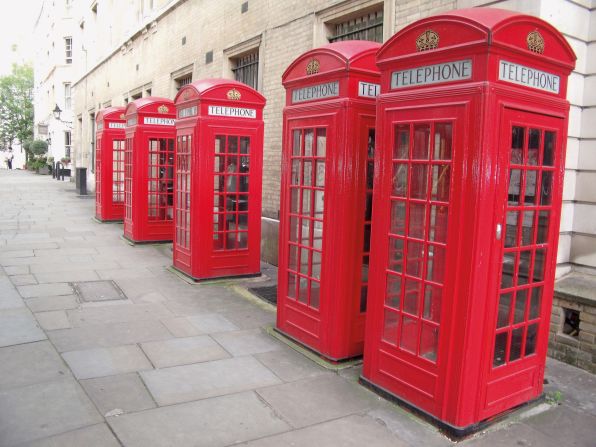
Red telephone boxes reinvented: The traditional red telephone box is a British icon, but these classic booths have been facing uncertainty in the age of the smartphone.
AFP/AFP/AFP/Getty Images
British symbol: The phone box design was introduced by Giles Gilbert Scott in 1924. "Scott brought a design which truly captured people's imagination," says Nigel Linge, Professor of Telecommunications at the University of Salford.
Courtesy Nigel Linge and Andy Sutton/Amberley Books
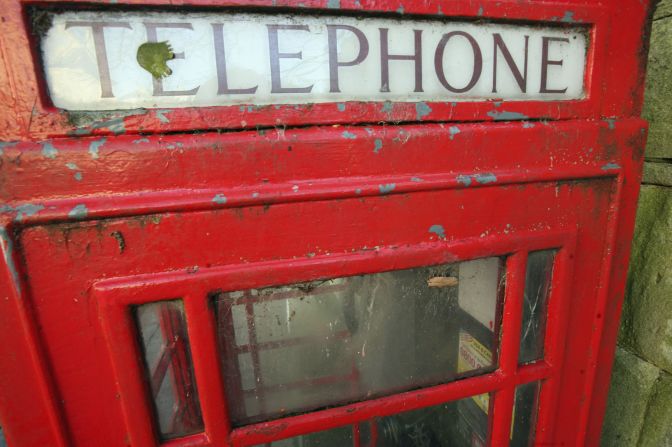
Out of use: Red phone boxes are still popular selfie spots for tourists, but over the past 15 years or so, many have fallen into disrepair.
Matt Cardy/Getty Images Europe/Getty Images
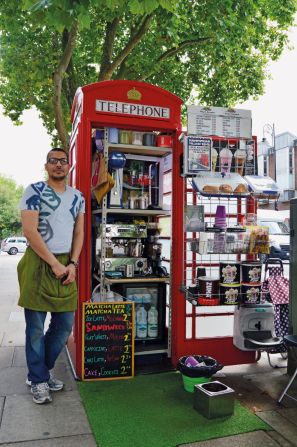
The solution? Londoner Umar Khalid has established a cafe in a north London phone box, with the help of the Red Kiosk Company, which encourages new uses of the phone boxes.
Courtesy Nigel Linge and Andy Sutton/Amberley Books
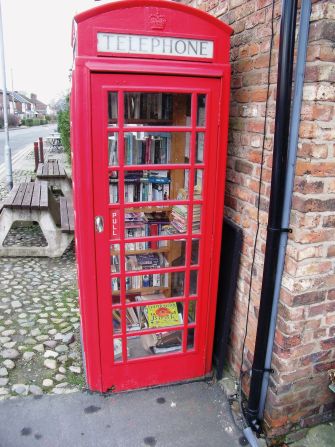
Fancy a book? Another popular phone box conversion is into libraries, or community book swaps. This library/phone box is in Cheshire.
Courtesy Nigel Linge and Andy Sutton/Amberley Books
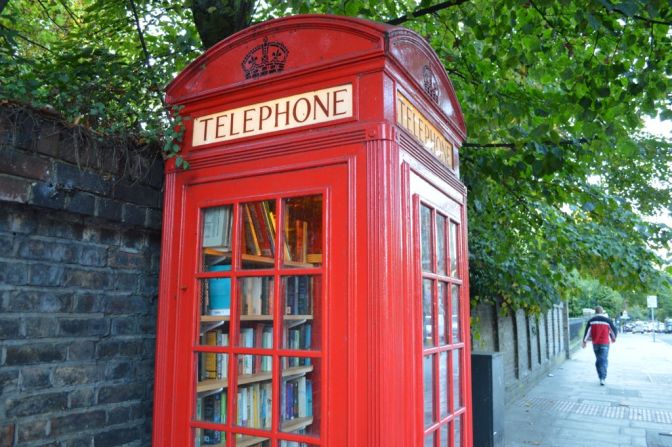
Building a community: The Lewisham Library, in London, has also become a staple of the community. "You might be using it at the same time as someone else," explains 'librarian' Susan Bennett, "It means you're talking to people who would be total strangers otherwise."
Courtesy Matt Brown/Creative Commons/Flickr
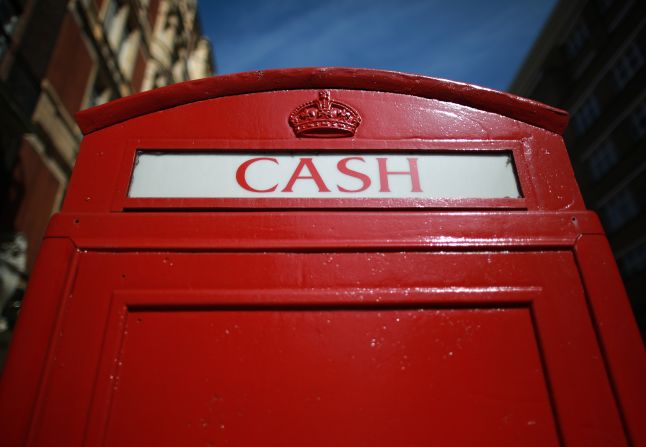
Cash point: Several phone boxes in London have become ATMs.
Peter Macdiarmid/Getty Images Europe/Getty Images
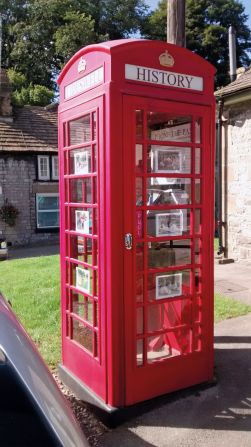
History lesson: This phone box is in a place of historic interest, Tideswell in central England's Derbyshire country, so it's been converted into a tourist information center.
Courtesy Nigel Linge and Andy Sutton/Amberley Books
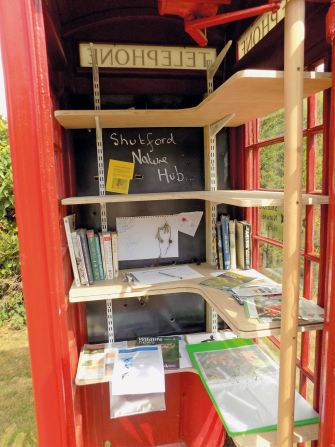
Helping nature: In more rural locations, phone boxes have been turned into nature hubs, such as this kiosk in the Cotswolds, which provides information on local fauna and flora.
Courtesy Nigel Linge and Andy Sutton/Amberley Books
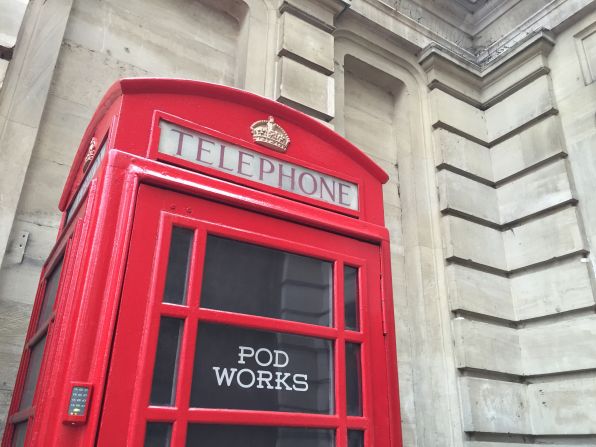
Mobile work: Pod Works repurposes telephone boxes as mini work stations for workers on the move. Booths have WiFi, a desk with a printer and scanner, a hot drinks machine and a universal plug adaptor.