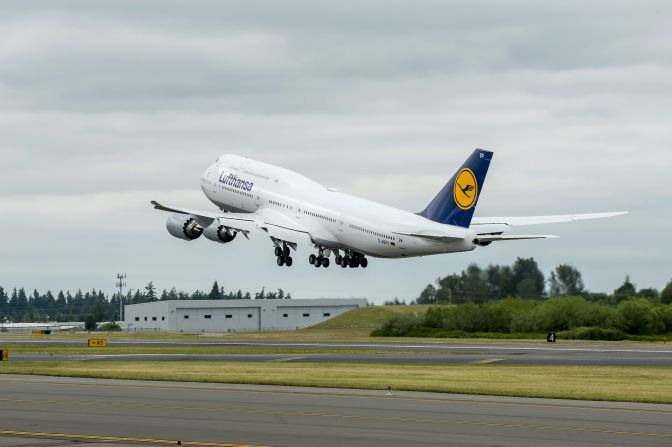
The Boeing 747 was one of the iconic commercial jets of the 20th century. Its arrival in the late 1960s came about largely because Pan Am thought bigger planes would be the answer to passenger congestion at airports.
courtesy Boeing
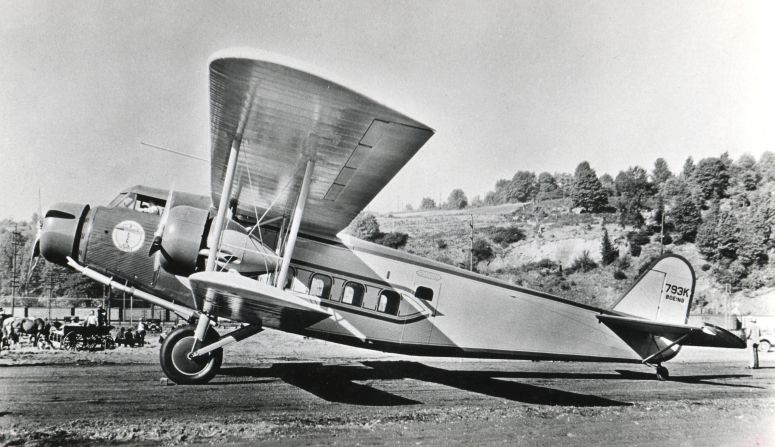
Boeing 80 —
Built in 1928, the Model 80 was America's first airliner designed to transport passengers on a scheduled service. It had room for three crew, 18 passengers and 408 kilograms of cargo. The fuselage was covered in fabric. Pilots accustomed to open-air cockpits complained about the enclosed flight deck. Cost: $140,000.
PhotoQuest/Getty Images
Boeing 247 —
Debuting in 1933, the Boeing 247 held three crew, 10 passengers and 400 pounds of mail. It had a range of 1,198 kilometers and ceiling of 25,400 feet. The world's first truly modern airliner, it was the first to incorporate and combine retractable landing gear. It took 20 hours to fly from New York to Los Angeles, including seven stops.
SSPL/Getty Images
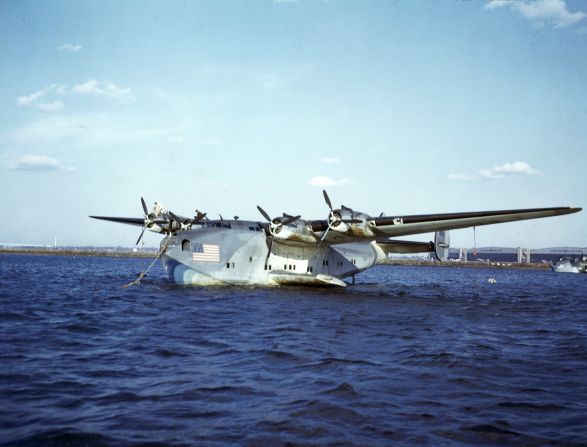
Boeing 314 Flying Clipper Boat —
The "Jumbo" of its time, the 314 Clipper made the first scheduled trans-Atlantic flight in 1939. It held 74 passengers and cemented regular flying on long-haul routes from North America across the Pacific to Asia and across the Atlantic to Europe. Its well-appointed cabin heralded the real birth of in-flight service.
Bernard Hoffman/Time & Life Pictures/Getty Images
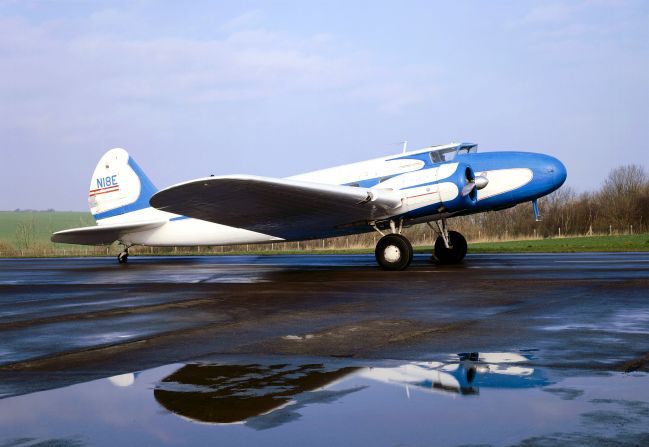
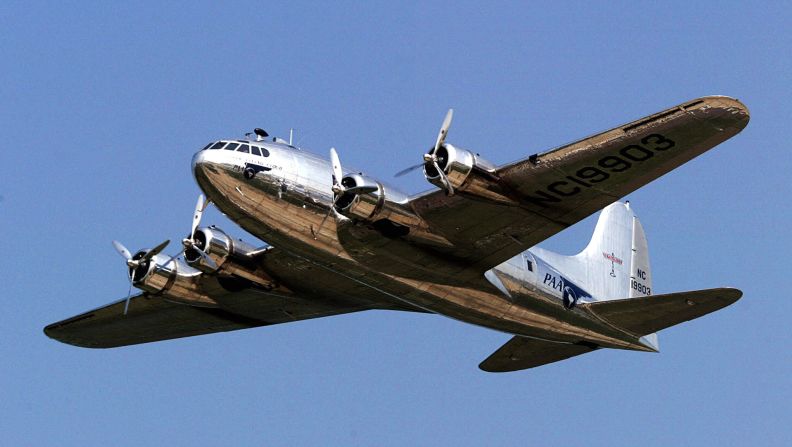
Boeing 307 Stratoliner —
Based on the B-17 military bomber, Boeing's 307 Stratoliner first flew on December 31, 1938. It was the first commercial transport aircraft with a pressurized cabin, allowing it to fly above the clouds and bad weather. Howard Hughes bought one and turned it into a "flying penthouse" with a bedroom, two bathrooms and lounge.
TIM SLOAN/AFP/Getty Images
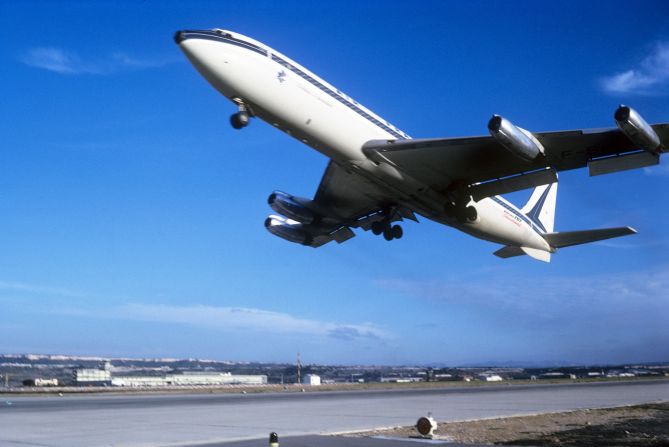
Boeing 707 —
The 707 doesn't look like much now, but it started the 7-series of Boeing planes and is viewed as the jet that ushered in commercial air travel. It was the dominant passenger airplane of the 1960s.
Maurice Jarnoux/Paris Match via Getty Images
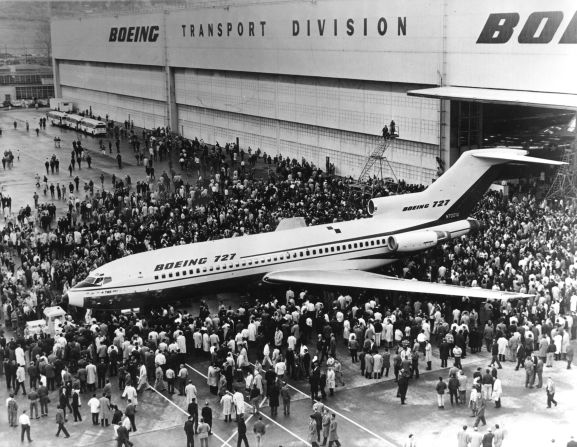
Boeing 727 —
Boeing struck gold with the 727. Just 250 were planned, but demand was so high that 1,832 were built by the time production ceased in 1984. The most distinctive of Boeing's early jets, with a T-shaped tail and a trio of rear-mounted engines, the noisy 727 took its first flight in 1963. It was designed to use smaller, less developed runways, making it amenable to a host of out of the way airports.
Central Press/Getty Images
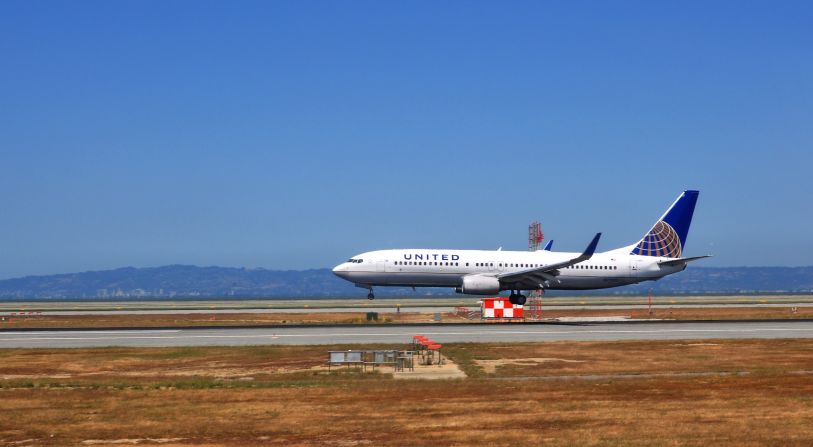
Boeing 737 —
Chances are you've flown on a 737, which has been around since 1967. The best-selling jet in aviation history offered six-abreast seating, allowing more passengers per flight. The number of seats was increased by moving the engines under the wing. Flight engineers were made redundant by the 737's technology and a two-crew cockpit became standard.
Robert Alexander/Archive Photos/Getty Images
Boeing 777 —
Upon hitting the skies in 1994, the 777 became the widest, most spacious jetliner in its class. Carriers have increasingly used the 777 as a fuel-efficient alternative to other wide-body jets, particularly for long-haul flights.
Boeing
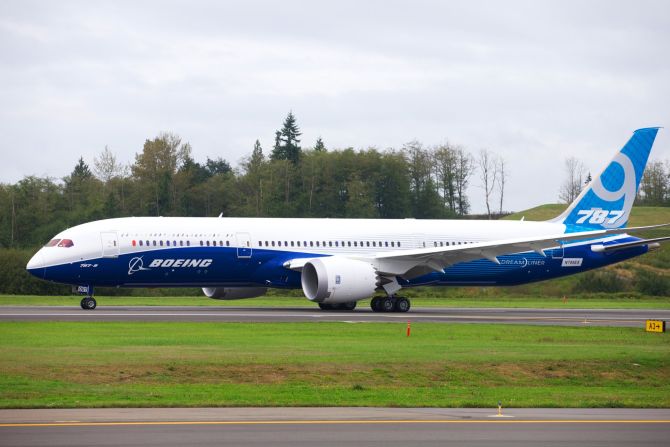
Boeing 787 Dreamliner —
The Dreamliner is said to have revolutionized jetliner design and brought commercial aeronautics into the 21st century. Its "plastic" fuselage makes it lighter and 20% more fuel-efficient than similar-sized aircraft, while it claims to enhance the passenger experience with bigger windows and more space.
Stephen Brashear/Getty Images
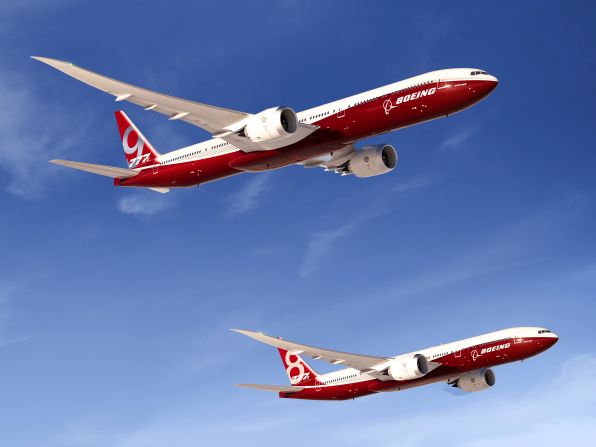
Boeing 777X —
Boeing officially launched its 777X program in 2013 at the Dubai Air Show. The 9X version will have a range of over 14,075 kilometers (8,746 miles) and fit 400 passengers. Notable changes from the original 777 include a longer, composite wing and a new GE engine. Production is scheduled to begin in 2017 and first delivery is targeted for 2020.
courtesy boeing
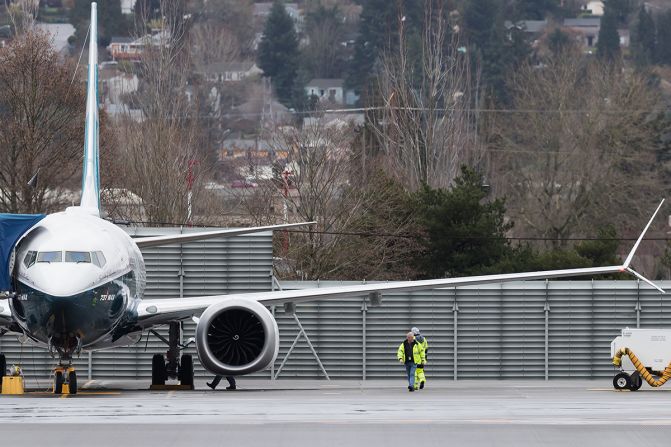
737 MAX —
The Boeing 737 MAX made its debut flight on January 30, 2016. The fourth generation of this family of aircraft is designed to compete directly against the Airbus A320neo family aircraft in an ongoing battle to dominate the global narrow-body market segment.