The 8 fiery ‘hells’ of Beppu, Japan’s hot spring capital
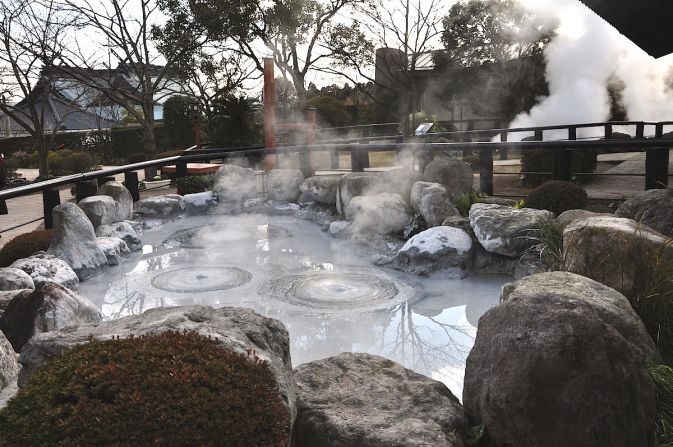
Kamado-Jigoku (Cooking Pot Hell) —
Kamado-Jigoku features six boiling ponds, ranging in color and temperatures, with some hitting 100 C.
Yuen Chong Lau/CNN
Oniishibozu-Jigoku (Oniishi Shaven Head Hell) —
At Oniishibozu-Jigoku, it's all about hell, monks and mud. Boiling at a temperature of 99 C, the springs/gray mud bubbles are said to resemble the shaven heads of monks (bozu).
Yuen Chong Lau/CNN
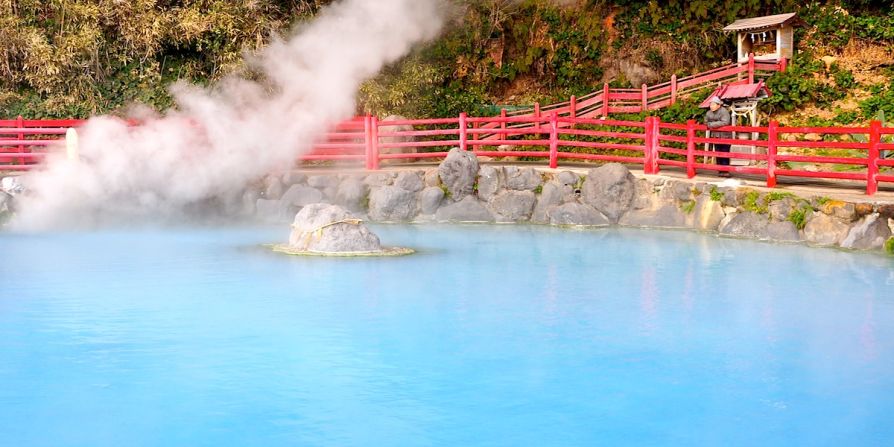
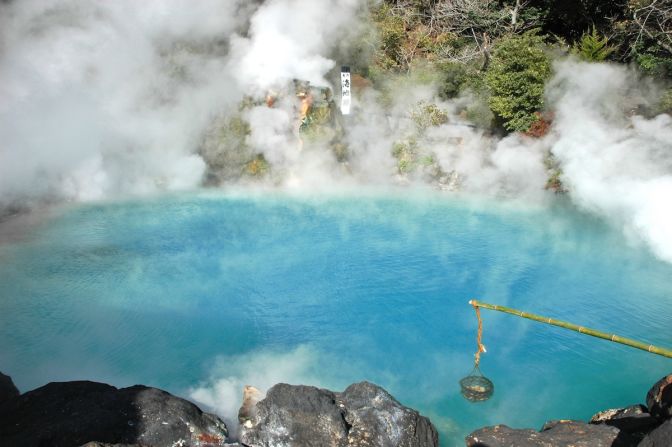
Umi-Jigoku (Sea Hell) —
Those cobalt-blue waters look tempting, till you consider those gusts of steam are the result of water that's 98 C. The steam is used to heat a nearby greenhouse.
Courtesy Beppu Tourism
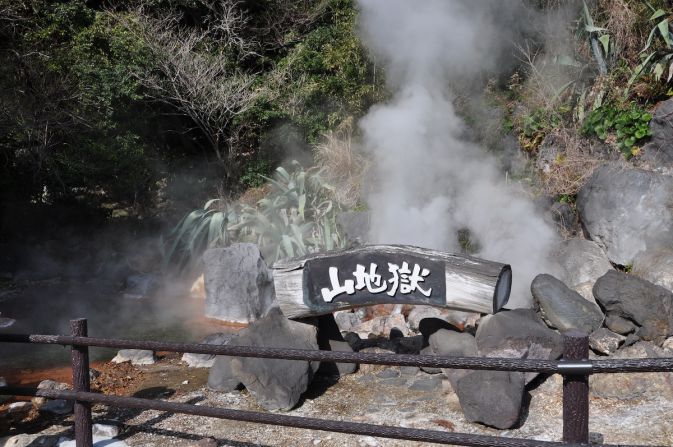
Yama-Jigoku (Mountain Hell) —
Yama-Jigoku's pools are said to resemble mountains of mud, but in reality they look more like puddles on the ground giving off steam. Harmless as they appear, these puddles are composed of sodium chloride and can reach temperatures up to 90 C.
Yuen Chong Lau/CNN
Oniyama-Jigoku (Demon Mountain Hell) —
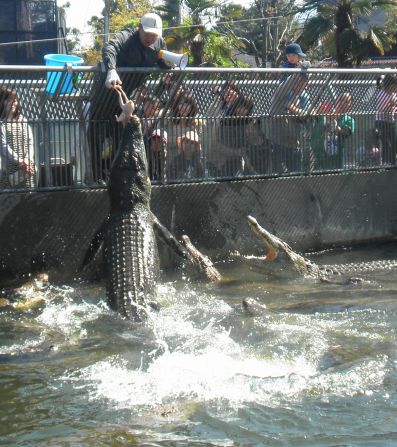
Also known as "crocodile hell," Oniyama is home to about 80 crocodiles and alligators that slither around in the hot spring water.
Courtesy Beppu Tourism
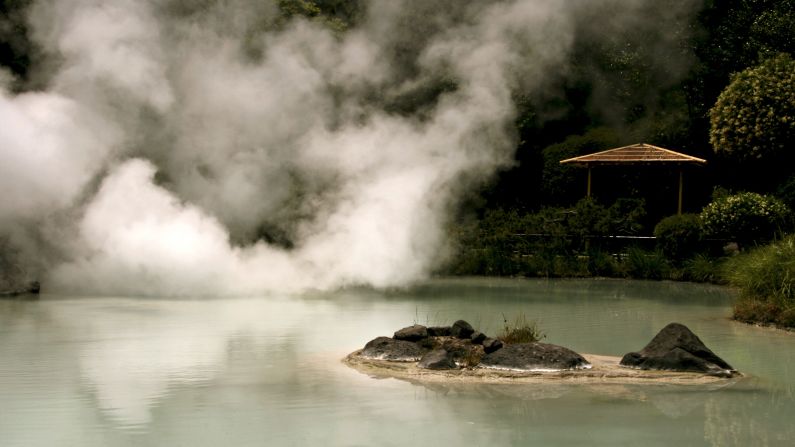
Shiraike-Jigoku (White Pond Hell) —
With rocks in the middle of a milky green pond and its surrounding bushes, Shiraike resembles a Japanese zen garden.
John S Lander/LightRocket via Getty Images
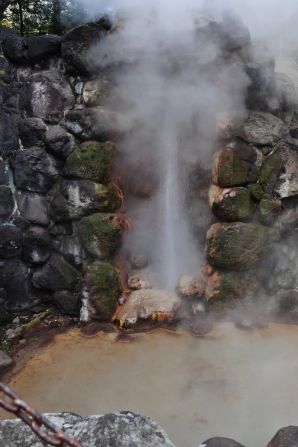
Tatsumaki-Jigoku (Tornado Hell) —
A natural monument of Beppu, Tatsumaki erupts every 30 to 40 minutes with a display that lasts six to 10 minutes.
Yuen Chong Lau/CNN
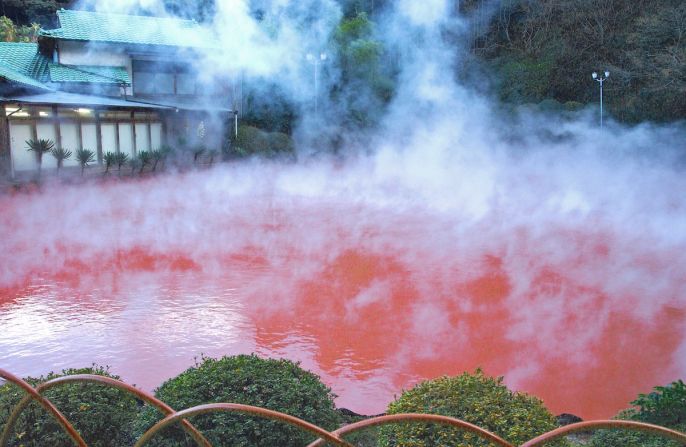
Chinoike-Jigoku (Blood Pond Hell) —
Blood Pond Hell. No idea where they came up with that one.