Autonomous vehicles are taking to our skies, seas and streets
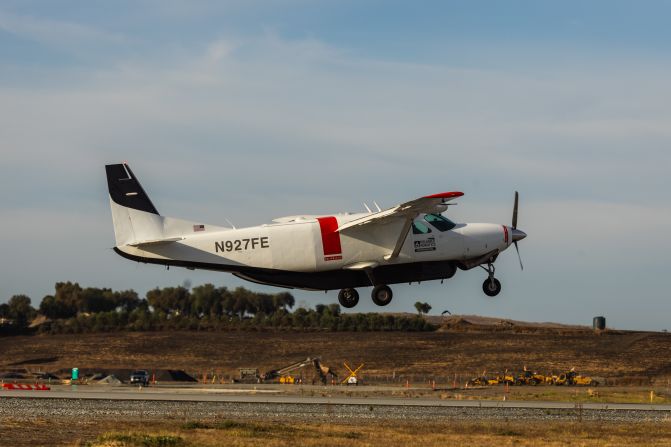
California-based Reliable Robotics has flown a Cessna Caravan without a pilot on board for the first time. It's just one example of how autonomous vehicles are slowly making their way towards widespread use. Look through the gallery to see more.
Killian Page/Reliable Robotics
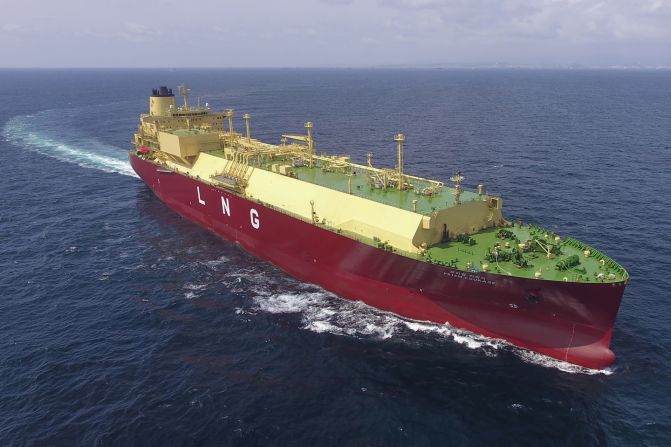
HD Hyundai says its Prism Courage was the first large ship to cross the Pacific Ocean autonomously. In 2022, the 134,000-ton commercial tanker traveled from the Gulf of Mexico through the Panama Canal to South Korea's western Chungcheong Province in 33 days.
HD Hyundai
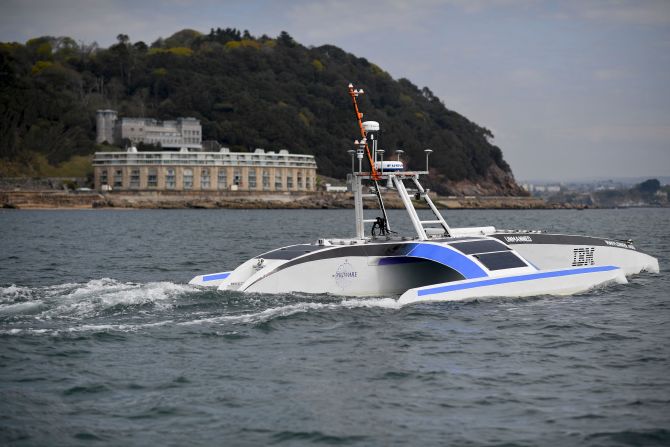
Fitted with six AI-powered cameras and 30 onboard sensors, the Mayflower 400, an autonomous research vessel designed to commemorate the 400th anniversary of the original Mayflower transatlantic voyage, sailed from Plymouth, UK, across the Atlantic Ocean to arrive in Massachusetts, US, in 2022.
Ben Stansall/AFP via Getty Imagess
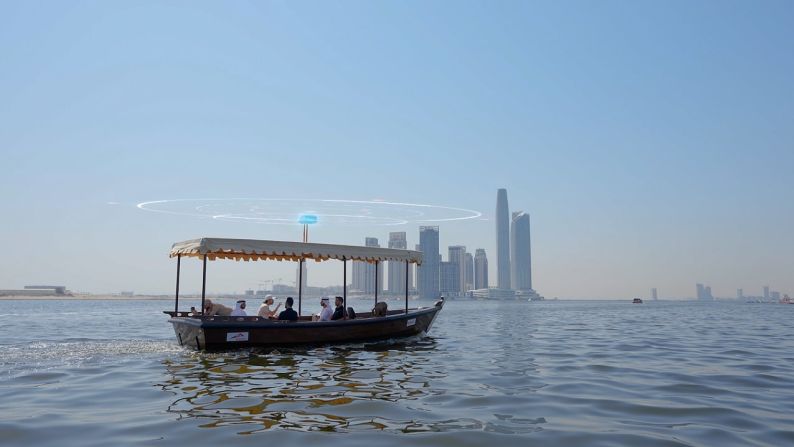
The Dubai Roads and Transport Authority (RTA) has conducted trials of an autonomous Abra ferry, a wooden boat with a capacity of eight passengers, shown in this rendering. It's part of efforts to make a quarter of journeys in Dubai self-driving by 2030.
Dubai RTA
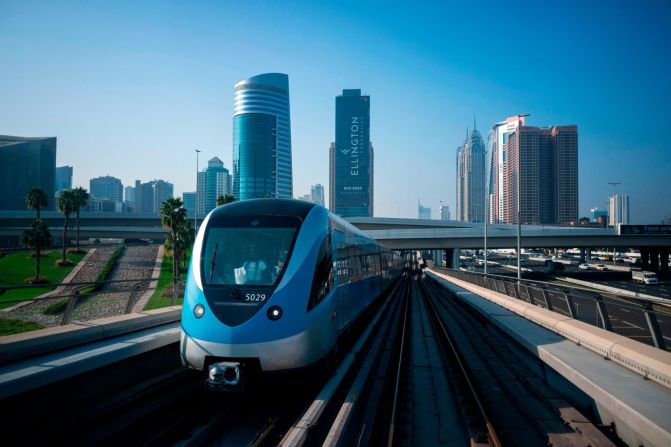
All of Dubai's extensive metro (pictured here carrying passengers in November 2023) system is completely automated and driverless, and has been since 2009.
Jewel Samad/AFP via Getty Images
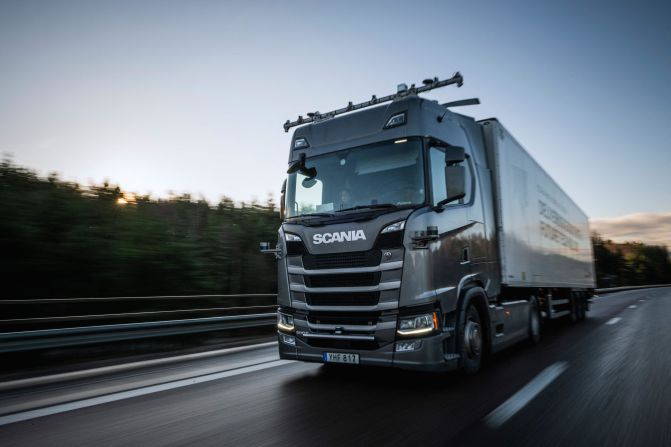
In 2022, Swedish firm Scania said it became the first in Europe to use an autonomous truck to deliver commercial goods.
Jonathan Nackstrand/AFP via Getty Images
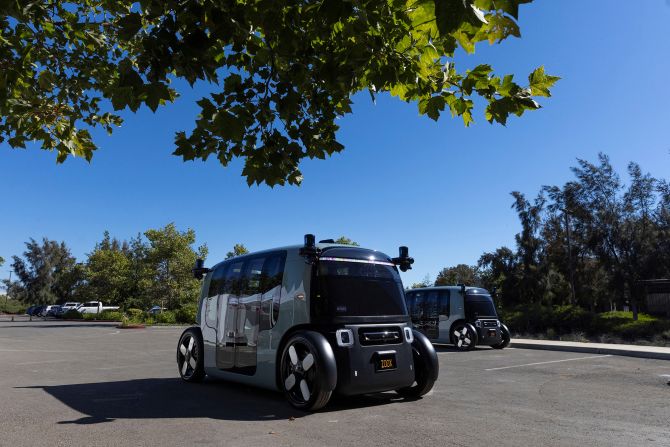
The age of driverless cars has been slow to materialize, but progress is being made, with autonomous taxis being trialed in a number of cities. A fleet of Zoox robotaxis, like the one pictured, is being road-tested in Las Vegas, Nevada.
Carlos Barria/Reuters/File
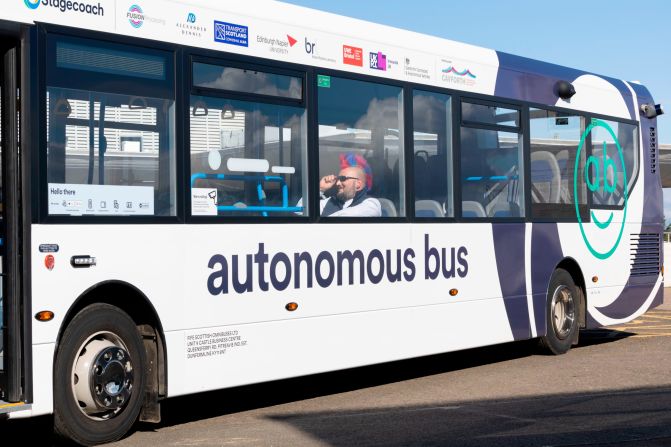
Operated by Scottish transport group Stagecoach, the UK's first full-sized driverless bus started carrying passengers in May 2023. With five buses in total, the small fleet will travel on designated roads at a maximum speed of 50 miles per hour (80 kilometers per hour), and despite the "driverless" name, two staff will be onboard to overlook operations.