Alternative beauty spots along Croatia’s Dalmatia coast (photos)
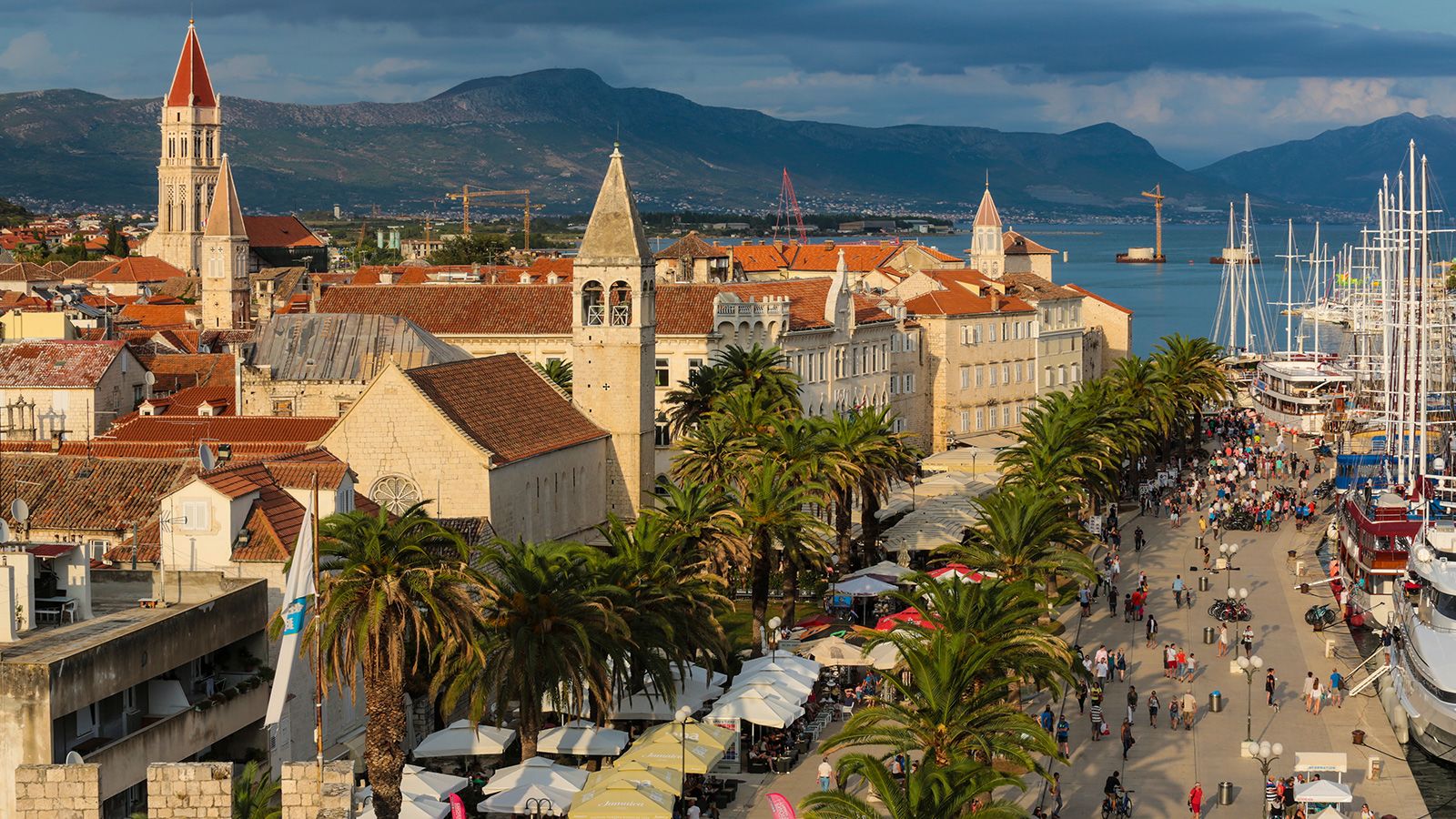
Trogir: Inscribed as a UNESCO World Heritage site in 1987, this medieval port city proudly wears its four centuries of Venetian rule in its architecture.
SCPRO/Adobe Stock
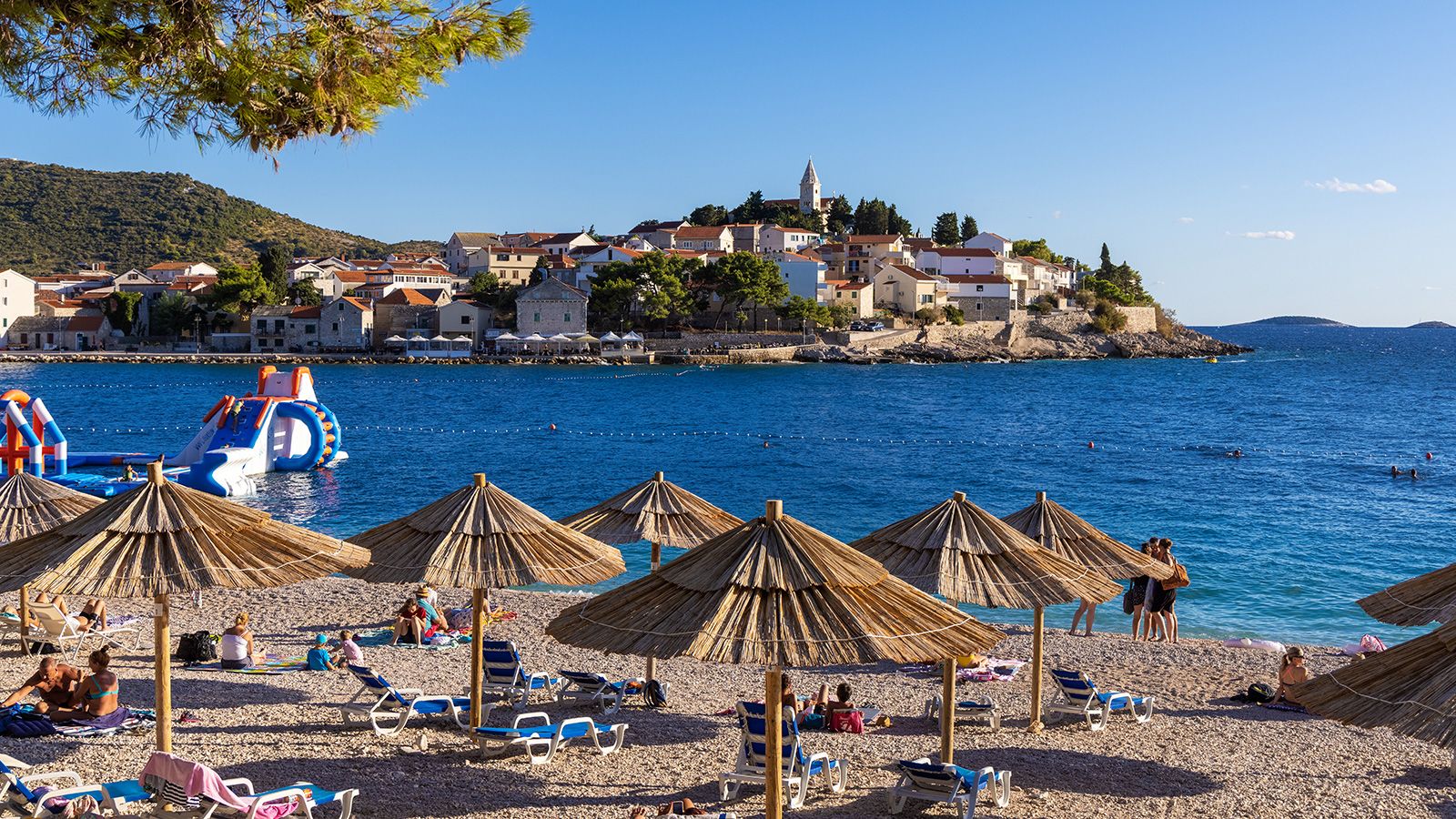
Primošten: This ancient island town is connected to the mainland, and sandy beaches, by a narrow causeway. The town's old lanes harbor handicraft shops, clothing boutiques and traditional restaurants. Rising high above their red-tiled roofs, St. George's Church dominates a hilltop with awesome Adriatic views.
Goran/Adobe Stock
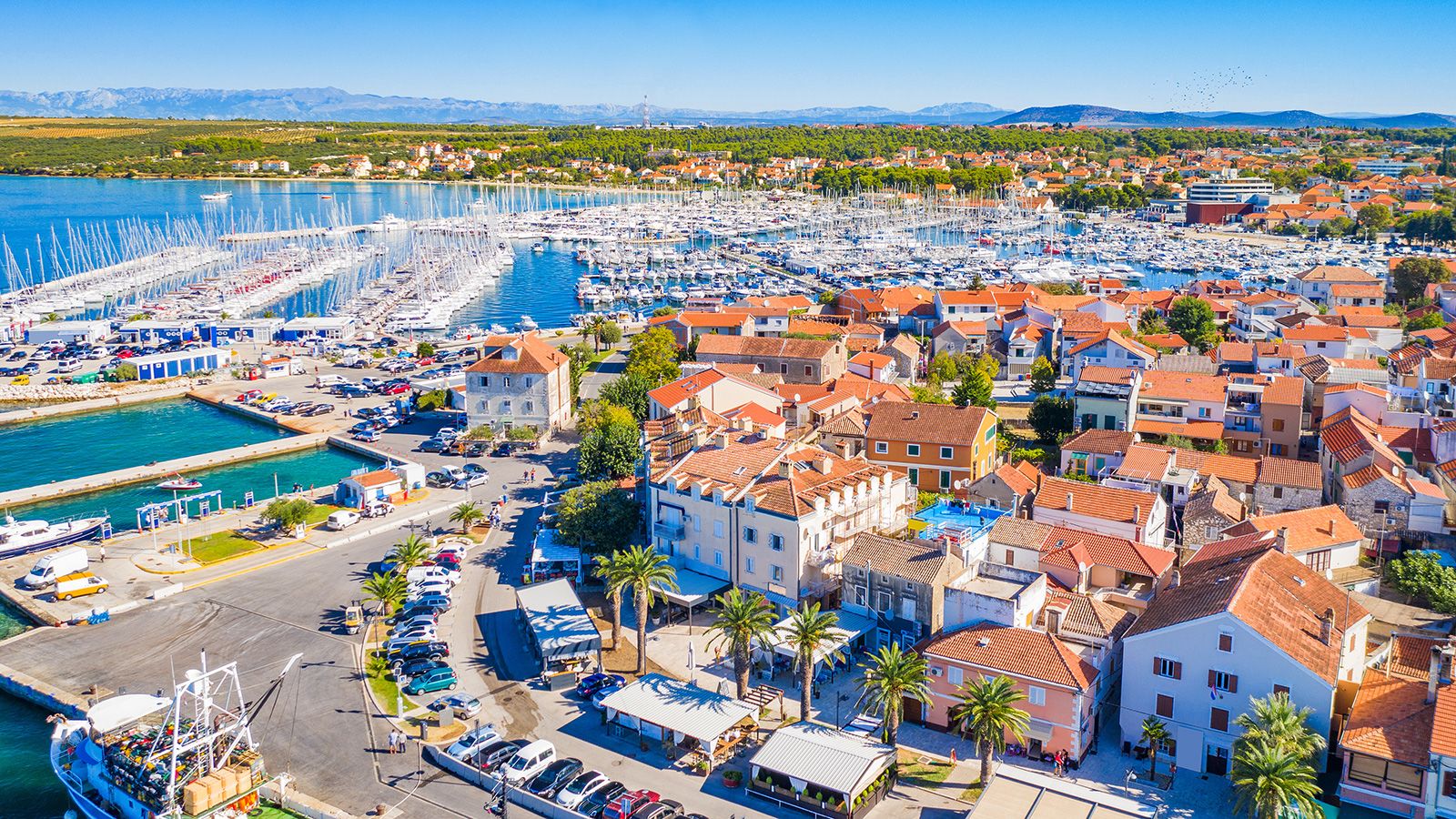
Biograd na Moru: Another town heavily influenced by centuries of Venetian rule, Biograd na Moru is a gateway to aquatic adventures -- it's a base for yacht charter firms as well as a jumping off point for scuba and snorkel day trips to the islands of Kornati National Park.
ilijaa/Adobe Stock
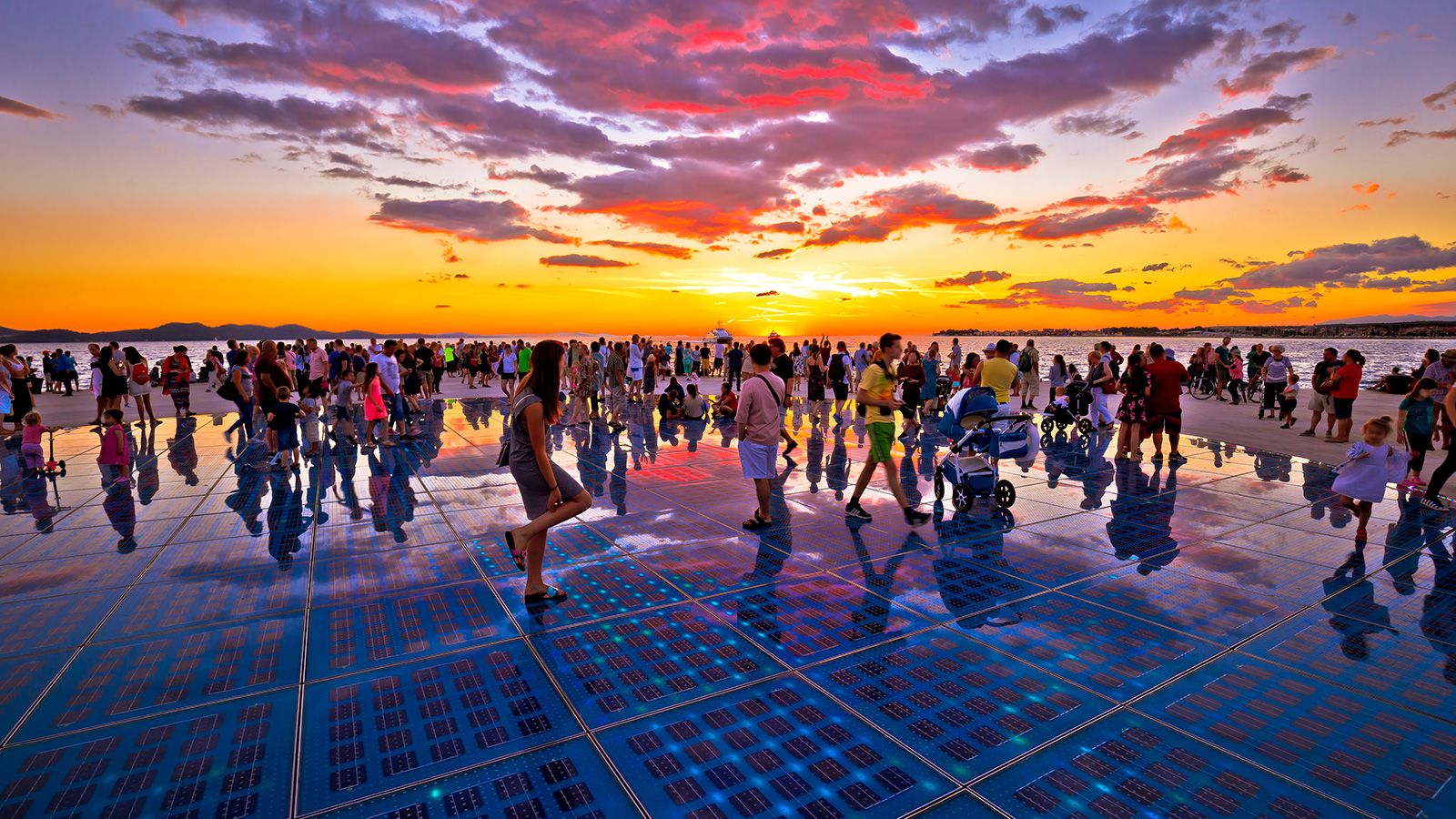
Zadar: Alfred Hitchcock once remarked that the coastal town of Zadar had the most beautiful sunset he'd ever seen. And there is something special about the city at dusk as lights twinkle around the harbor and the old town's cafes and bars spring to life.
xbrchx/Adobe Stock
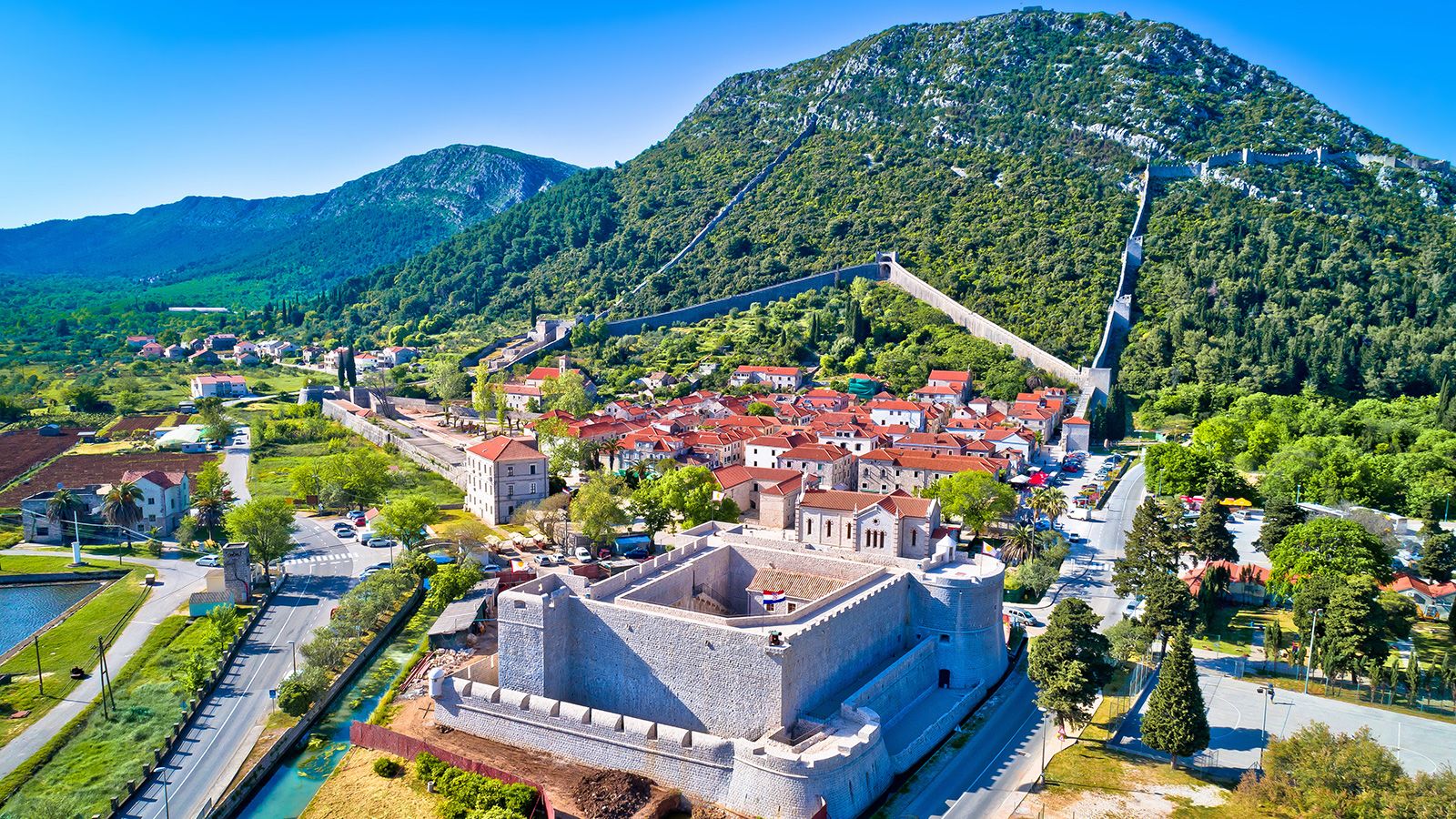
Ston: One of Dalmatia's best-kept secrets, this laidback seaside village is renowned for its stone walls and incredible seafood.
xbrchx/Adobe Stock
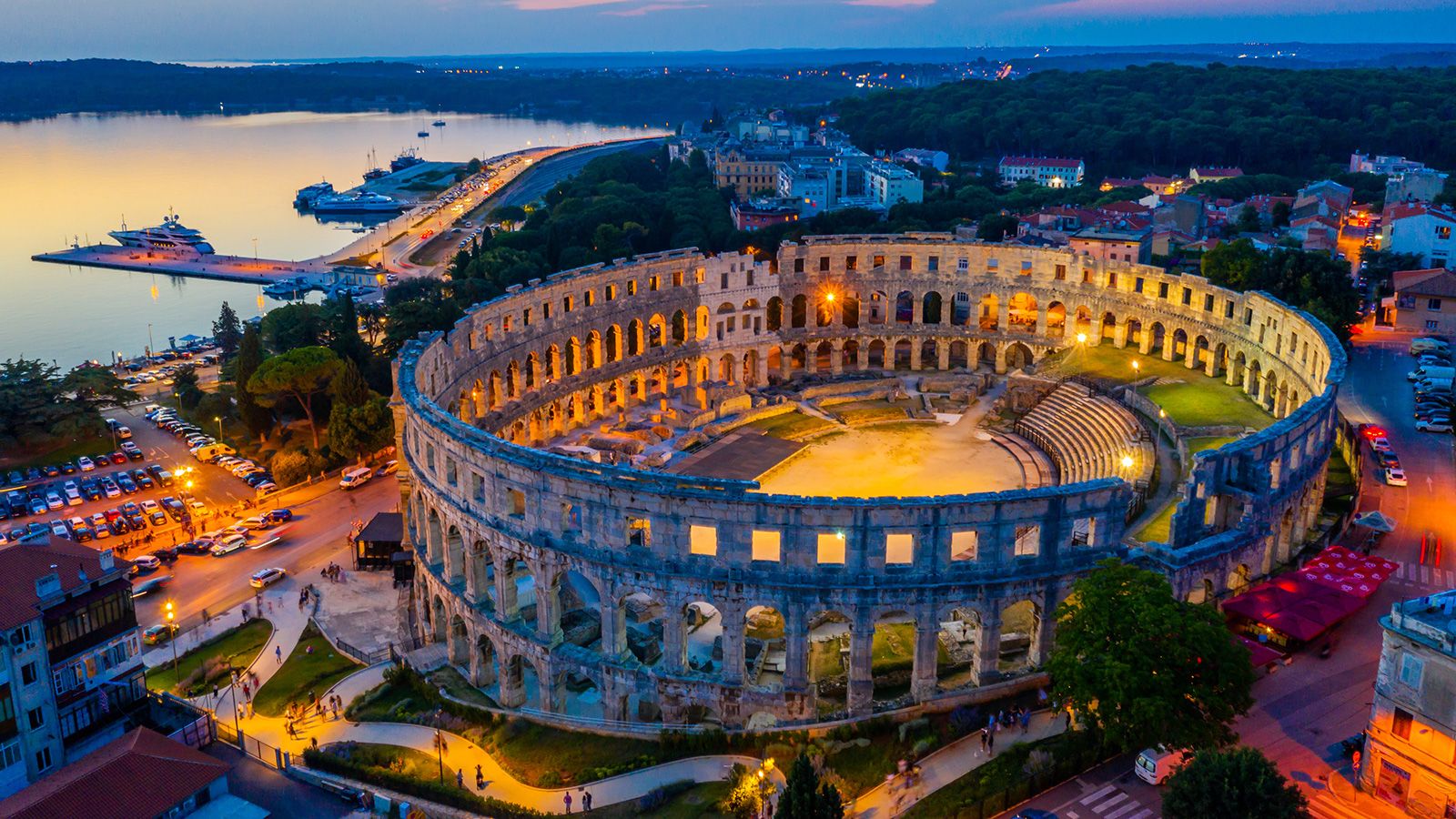
Pula: Nearly 2,000 years after it was built, Pula Arena remains one of the world's best-preserved Roman structures, providing a venue for plays, concerts and the annual outdoor Pula Film Festival.
dudlajzov/Adobe Stock
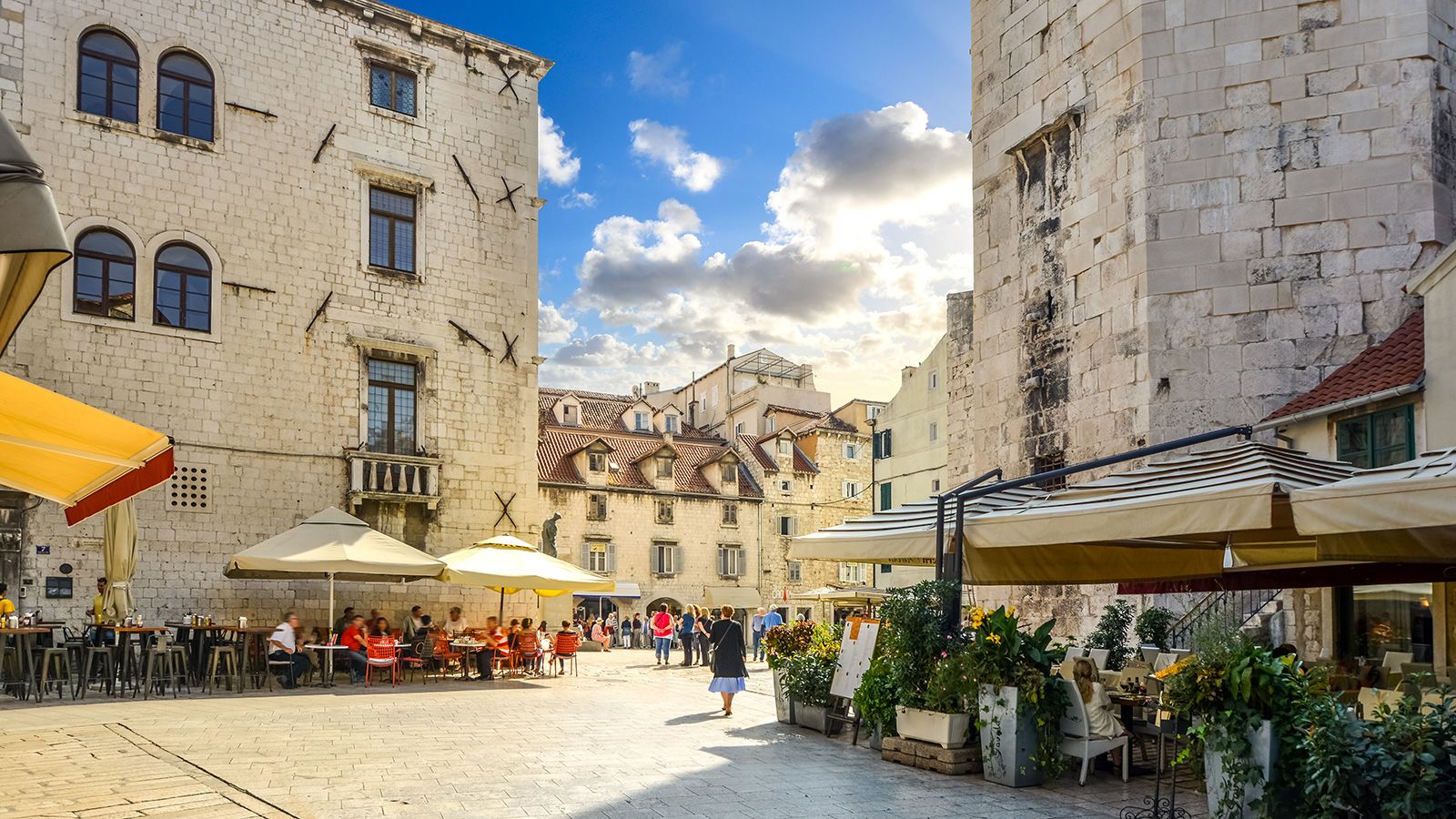
Split: Croatia's second largest city is home to Diocletian's Palace, erected in the 4th century by a paranoid Roman emperor.
Kirk Fisher/Adobe Stock
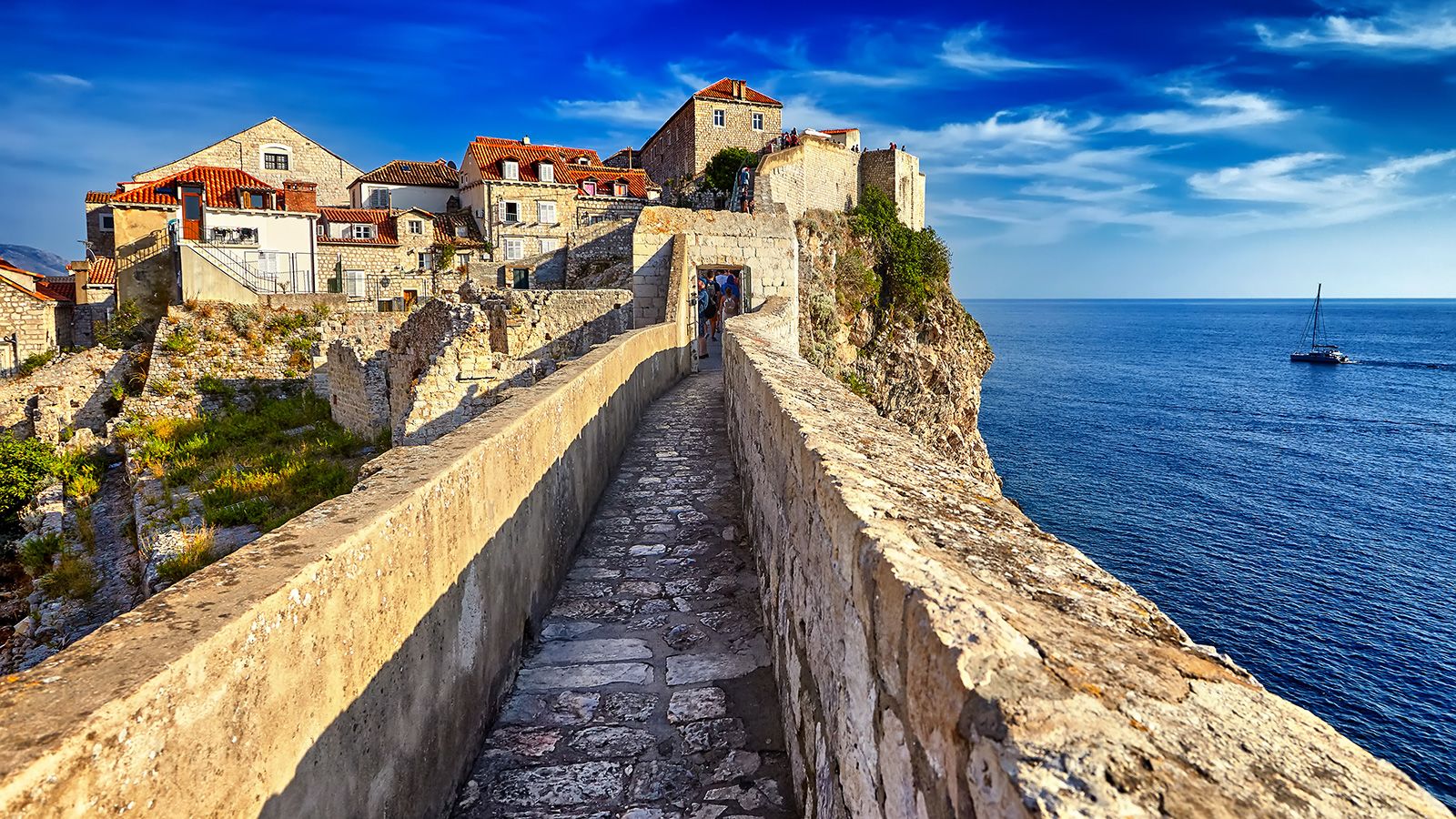
Dubrovnik: Still want to go to Dubrovnik? You can avoid the heaviest crowds by exploring the old town before and after the daily high tide of cruise ship passengers. Walking the polished limestone streets is especially pleasant at dawn or late evening.