14 aircraft that changed the way we fly | CNN

CNN values your feedback

1. How relevant is this ad to you?
2. Did you encounter any technical issues?
Thank You!
Your effort and contribution in providing this feedback is much appreciated.
Close
Ad Feedback
Destinations
Food & Drink
News
Stay
Video
More
Destinations Food & Drink News Stay Video
Watch Listen Live TV
My Account
  • Settings
  • Newsletters
  • Topics you follow
  • Sign out
Your CNN account Sign in to your CNN account

My Account
  • Settings
  • Newsletters
  • Topics you follow
  • Sign out
Your CNN account Sign in to your CNN account

Live TV Listen Watch
Edition
US
International
Arabic
Español
Edition
  • US
  • International
  • Arabic
  • Español

Destinations
Food & Drink
News
Stay
Video

Follow CNN Travel
Download the CNN App

  • World
    • Africa
    • Americas
    • Asia
    • Australia
    • China
    • Europe
    • India
    • Middle East
    • United Kingdom
  • US Politics
    • Elections 2026
    • Trump
    • Facts First
    • CNN Polls
    • Redistricting Tracker
    • Epstein Files
  • Business
    • Tech
    • Media
    • Calculators
    • Videos
  • Markets
    • Pre-markets
    • After-Hours
    • Fear & Greed
    • Investing
    • Markets Now
    • Nightcap
  • Health
    • Life, But Better
    • Fitness
    • Food
    • Sleep
    • Mindfulness
    • Relationships
  • Entertainment
    • Movies
    • Television
    • Celebrity
  • Tech
    • Innovate
  • Style
    • Arts
    • Design
    • Fashion
    • Architecture
    • Luxury
    • Beauty
    • Video
  • Travel
    • Destinations
    • Food & Drink
    • Stay
    • News
    • Videos
  • Sports
    • Football
    • Tennis
    • Golf
    • Motorsport
    • US Sports
    • Olympics
  • Science
    • Space
    • Life
    • Unearthed
  • Climate
    • Solutions
    • Weather
  • Weather
    • Video
    • Climate
  • World Cup 2026
  • Ukraine-Russia War
  • Israel-Hamas War
  • Features
    • As Equals
    • Call to Earth
    • Freedom Project
    • Impact Your World
    • Inside Africa
    • CNN Heroes
  • Watch
    • Live TV
    • Featured
    • CNN Fast
    • Shows A-Z
    • CNN 10
    • CNN TV Schedule
  • Listen
    • All There Is with Anderson Cooper
    • Chasing Life with Dr. Sanjay Gupta
    • The Assignment with Audie Cornish
    • Terms of Service with Clare Duffy
    • CNN 5 Things
    • All CNN Podcasts
  • Games
    • Daily Crossword
    • Jumble Crossword
    • Photo Shuffle
    • Sudoblock
    • Sudoku
    • 5 Things Quiz
  • About CNN
    • Photos
    • Investigations
    • CNN Profiles
    • CNN Leadership
    • CNN Newsletters
    • Work for CNN

Download the CNN App
Saved by the Future
Ad Feedback
Travel

14 aircraft that changed the way we fly

By Rebecca Cairns, CNN
Published 3:11 AM EDT, Fri October 16, 2020
Link Copied!
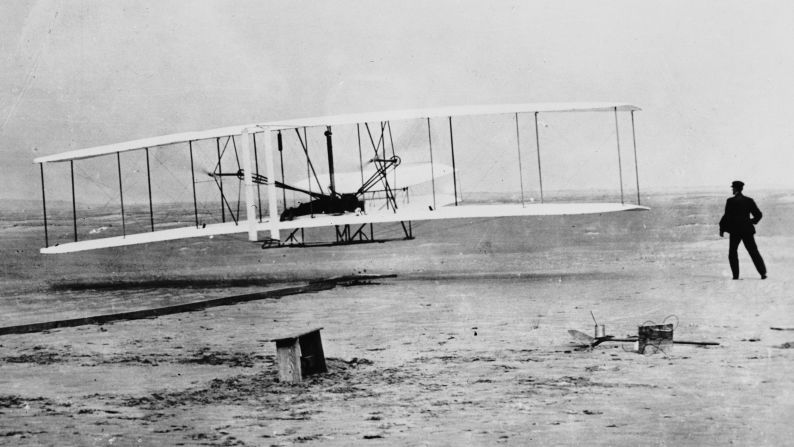
We've come a long way in aviation since Orville Wright took the historic <a href="index.php?page=&url=https%3A%2F%2Fairandspace.si.edu%2Fexhibitions%2Fwright-brothers%2Fonline%2Ffly%2F1903%2Ftriumph.cfm" target="_blank" target="_blank">first-ever flight</a> in 1903. He and his brother Wilbur made four flights that day, the longest of which took less than a minute and covered a distance of just 852 feet (260 meters). It wasn't until 1905 that the Wright brothers successfully tried and tested a plane that was viable for transport purposes. <strong>Click through to see the planes that have transformed air travel.</strong>
We've come a long way in aviation since Orville Wright took the historic first-ever flight in 1903. He and his brother Wilbur made four flights that day, the longest of which took less than a minute and covered a distance of just 852 feet (260 meters). It wasn't until 1905 that the Wright brothers successfully tried and tested a plane that was viable for transport purposes. Click through to see the planes that have transformed air travel.
Fox Photos/Hulton Archive/Getty Images
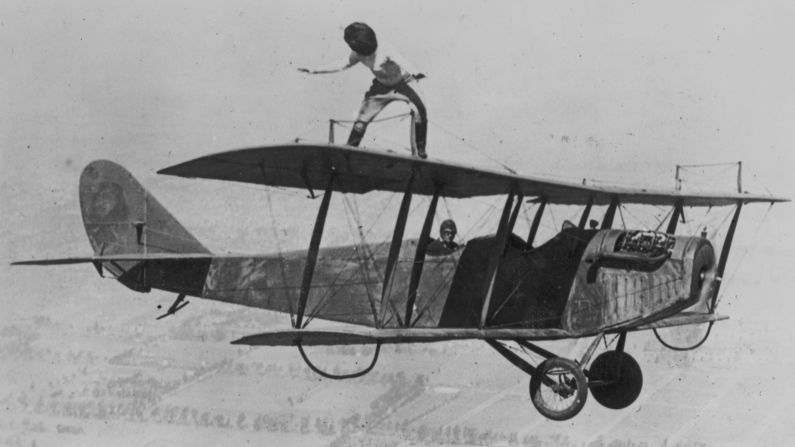
The <a href="index.php?page=&url=https%3A%2F%2Fwww.eaa.org%2Feaa-museum%2Fmuseum-collection%2Faircraft-collection-folder%2F1918-curtiss-jn4d-jenny" target="_blank" target="_blank">Curtiss JN-4 "Jenny" </a>accomplished a lot in its 10-year lifespan. The two-seat biplane was bulk-bought by the US military during World War I and used to train more than 90% of pilots. After the war, its low price helped it find a commercial market, and it became the signature plane of the "barnstorming" era when pilots took to performing dangerous aviation stunts for large crowds. In this picture, stuntwoman <a href="index.php?page=&url=https%3A%2F%2Fwww.earlyaviators.com%2Feroy.htm" target="_blank" target="_blank">Gladys Roy</a> walks on the plane's wings blindfolded.
The Curtiss JN-4 "Jenny" accomplished a lot in its 10-year lifespan. The two-seat biplane was bulk-bought by the US military during World War I and used to train more than 90% of pilots. After the war, its low price helped it find a commercial market, and it became the signature plane of the "barnstorming" era when pilots took to performing dangerous aviation stunts for large crowds. In this picture, stuntwoman Gladys Roy walks on the plane's wings blindfolded.
Topical Press Agency/Hulton Archive/Getty Images
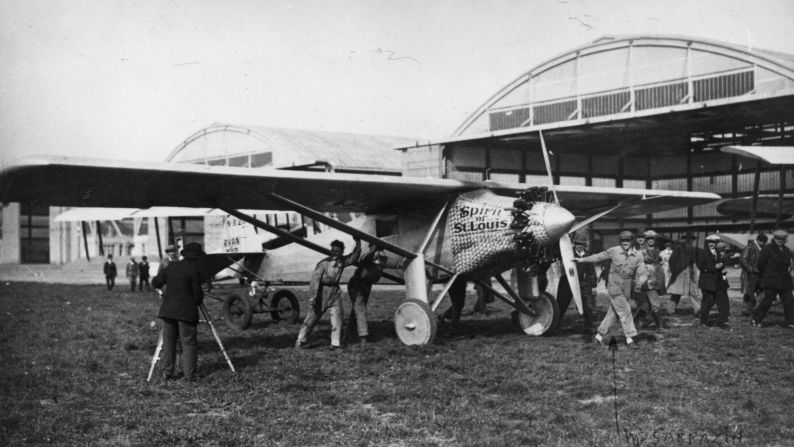
Possibly the world's most famous plane, the <a href="index.php?page=&url=http%3A%2F%2Fwww.charleslindbergh.com%2Fplane%2F" target="_blank" target="_blank">Spirit of St. Louis</a> -- a Ryan NYP monoplane -- made history in 1927 for making the first non-stop solo transatlantic flight. The pilot, Charles Lindbergh, helped design the plane. He was most concerned about making it lightweight, opting for a single-engine design and a wicker chair to lighten the load. The flight from New York to Paris made Lindbergh an instant celebrity and began a cultural obsession with aviation.
Possibly the world's most famous plane, the Spirit of St. Louis -- a Ryan NYP monoplane -- made history in 1927 for making the first non-stop solo transatlantic flight. The pilot, Charles Lindbergh, helped design the plane. He was most concerned about making it lightweight, opting for a single-engine design and a wicker chair to lighten the load. The flight from New York to Paris made Lindbergh an instant celebrity and began a cultural obsession with aviation.
Hulton Archive/Getty Images
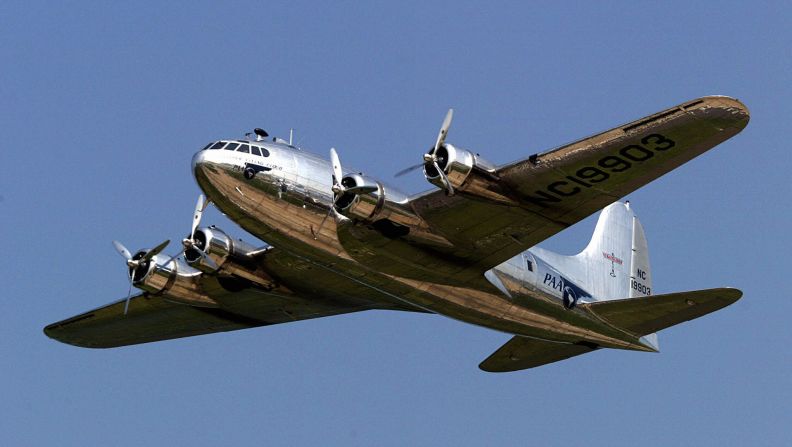
The <a href="index.php?page=&url=https%3A%2F%2Fwww.boeing.com%2Fhistory%2Fproducts%2Fmodel-307-stratoliner.page" target="_blank" target="_blank">Boeing S-307 Stratoliner</a> heralded an aviation revolution in 1938, for something we now take for granted: a pressurized cabin. The first commercial aircraft equipped with this innovation, the Stratoliner could soar above turbulent weather at an altitude of 20,000 feet. One of the 10 aircraft made was famously bought by multimillionaire Howard Hughes, who converted it into a luxury flying penthouse.
The Boeing S-307 Stratoliner heralded an aviation revolution in 1938, for something we now take for granted: a pressurized cabin. The first commercial aircraft equipped with this innovation, the Stratoliner could soar above turbulent weather at an altitude of 20,000 feet. One of the 10 aircraft made was famously bought by multimillionaire Howard Hughes, who converted it into a luxury flying penthouse.
Tim Sloan/AFP/Getty Images
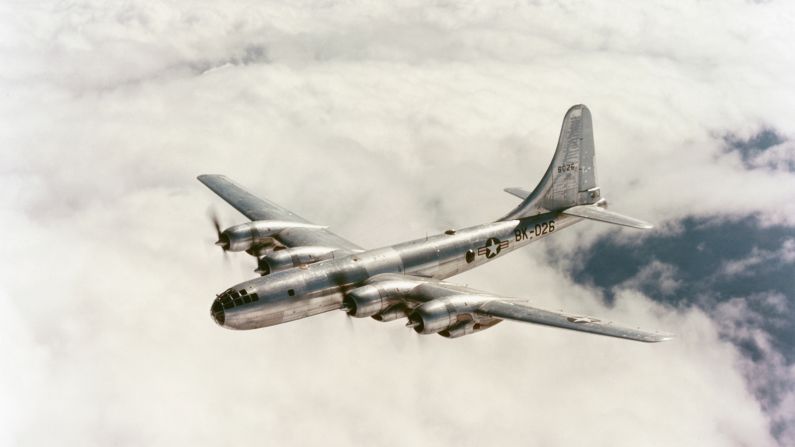
An advanced version of the earlier <a href="index.php?page=&url=https%3A%2F%2Fwww.boeing.com%2Fhistory%2Fproducts%2Fb-29-superfortress.page" target="_blank" target="_blank">B-29</a> (which became the first aircraft to drop an atomic bomb in combat in 1945), the <a href="index.php?page=&url=https%3A%2F%2Fwww.boeing.com%2Fhistory%2Fproducts%2Fb-50.page" target="_blank" target="_blank">B-50</a> military bomber had a piston-powered engine -- it was one of the last of its kind because soon after that, aviation transitioned into the jet age. Its big moment came in 1949 when war veteran James Gallagher flew the "<a href="index.php?page=&url=https%3A%2F%2Fwww.fai.org%2Fnews%2Flucky-lady-ii-story-first-non-stop-round-world-flight" target="_blank" target="_blank">Lucky Lady II</a>" on the first non-stop flight around the world. The plane was refueled mid-air four times, and the journey took 94 hours.
An advanced version of the earlier B-29 (which became the first aircraft to drop an atomic bomb in combat in 1945), the B-50 military bomber had a piston-powered engine -- it was one of the last of its kind because soon after that, aviation transitioned into the jet age. Its big moment came in 1949 when war veteran James Gallagher flew the "Lucky Lady II" on the first non-stop flight around the world. The plane was refueled mid-air four times, and the journey took 94 hours.
Museum of Flight Foundation/Corbis/Getty Images
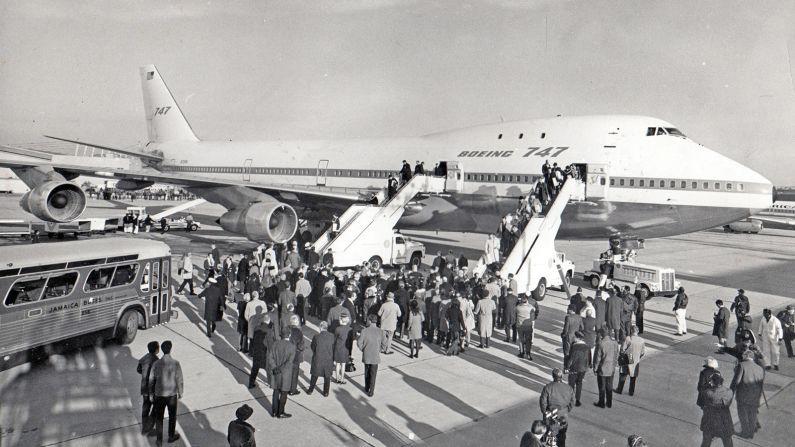
Nicknamed the "Jumbo Jet," the <a href="index.php?page=&url=http%3A%2F%2Fwww.boeing-747.com%2F" target="_blank" target="_blank">Boeing 747-400 </a>changed the face of commercial travel and tourism. Launched in 1969, it more than doubled the seating capacity of commercial aircraft, ushering in an era of mass market air travel. The double-decker plane carried <a href="index.php?page=&url=https%3A%2F%2Fwww.boeing.com%2Fresources%2Fboeingdotcom%2Fcompany%2Fabout_bca%2Fstartup%2Fpdf%2Fhistorical%2F747-400-passenger.pdf" target="_blank" target="_blank">416 passengers</a>, a record it held for <a href="index.php?page=&url=http%3A%2F%2Fwww.boeing-747.com%2F" target="_blank" target="_blank">37 years.</a>
Nicknamed the "Jumbo Jet," the Boeing 747-400 changed the face of commercial travel and tourism. Launched in 1969, it more than doubled the seating capacity of commercial aircraft, ushering in an era of mass market air travel. The double-decker plane carried 416 passengers, a record it held for 37 years.
Dick Kraus/Newsday RM/Getty Images
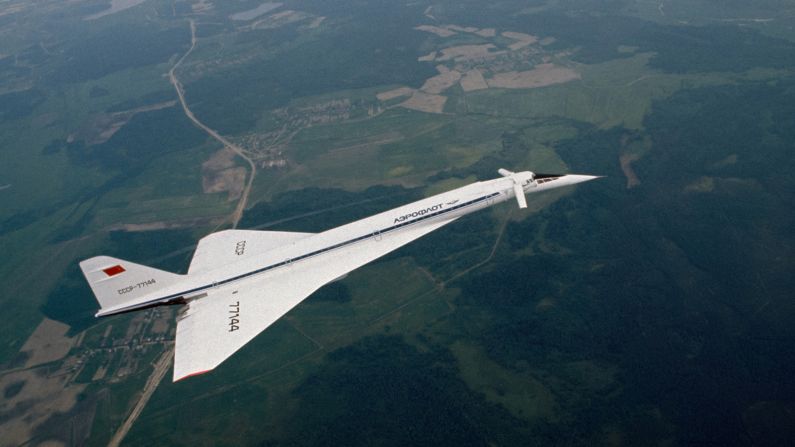
Concorde became the most famous supersonic passenger jet, but the Soviet Tupolev Tu-144 got there first in 1975, four months ahead of its French competitor. Unfortunately, the Soviet plane <a href="index.php?page=&url=https%3A%2F%2Fedition.cnn.com%2Fstyle%2Farticle%2Ftupolev-tu-144-concordski%2Findex.html" target="_blank">suffered many technical failures</a>, including two fatal crashes, over its short lifespan. It only completed 55 return flights before it was relegated to cargo in 1978. The government-funded program was discontinued just five years later.
Concorde became the most famous supersonic passenger jet, but the Soviet Tupolev Tu-144 got there first in 1975, four months ahead of its French competitor. Unfortunately, the Soviet plane suffered many technical failures, including two fatal crashes, over its short lifespan. It only completed 55 return flights before it was relegated to cargo in 1978. The government-funded program was discontinued just five years later.
aviation-images.com/Universal Images Group/Getty Images
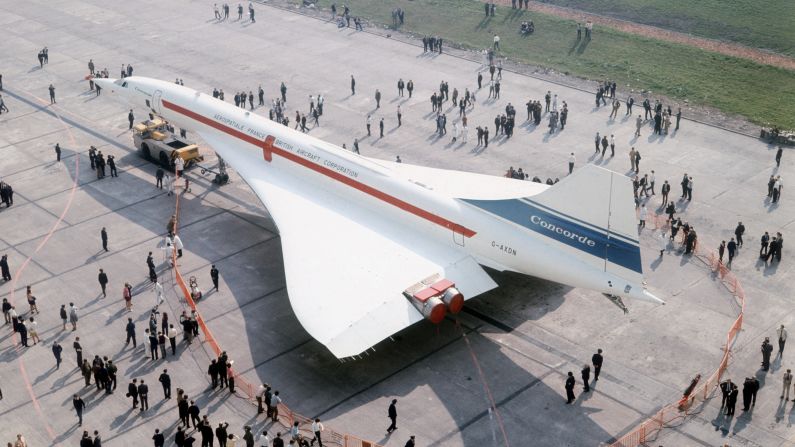
Flying at twice the speed of sound, <a href="index.php?page=&url=https%3A%2F%2Fedition.cnn.com%2Ftravel%2Farticle%2Fconcorde-flying-what-was-it-like%2Findex.html" target="_blank">Concorde</a> took its inaugural flight with passengers in 1976. A flight from London to New York took just three and half hours, but the noise and supersonic boom created by the aircraft meant it could only be used on very limited routes. Ultimately, the cost grounded these record-breaking planes in <a href="index.php?page=&url=https%3A%2F%2Fwww.britannica.com%2Ftechnology%2FConcorde" target="_blank" target="_blank">2003</a>.
Flying at twice the speed of sound, Concorde took its inaugural flight with passengers in 1976. A flight from London to New York took just three and half hours, but the noise and supersonic boom created by the aircraft meant it could only be used on very limited routes. Ultimately, the cost grounded these record-breaking planes in 2003.
Victor Drees/Daily Express/Hulton Archive/Getty Images
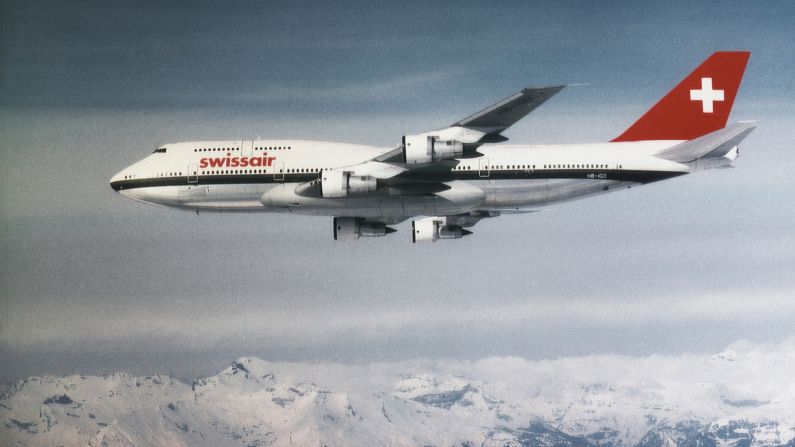
The 1983 <a href="index.php?page=&url=http%3A%2F%2Fwww.boeing-747.com%2Fboeing_747_family%2F747-300.php" target="_blank" target="_blank">Boeing 747-300</a> incorporated many cosmetic changes to the classic Boeing aircraft, including increased passenger capacity. However, the most important upgrade was not visible. The 747-300's engine reduced fuel burn by 25% per passenger. Fuel efficiency has become a big concern as the climate crisis intensifies: today, airlines are exploring <a href="index.php?page=&url=https%3A%2F%2Fedition.cnn.com%2Ftravel%2Farticle%2Fairbus-formation-flight%2Findex.html" target="_blank">formation flying</a> and a <a href="index.php?page=&url=https%3A%2F%2Fedition.cnn.com%2Ftravel%2Farticle%2Fflying-v-maiden-flight-intl-scli-grm%2Findex.html" target="_blank">V-shaped plane</a> to improve fuel efficiency.
The 1983 Boeing 747-300 incorporated many cosmetic changes to the classic Boeing aircraft, including increased passenger capacity. However, the most important upgrade was not visible. The 747-300's engine reduced fuel burn by 25% per passenger. Fuel efficiency has become a big concern as the climate crisis intensifies: today, airlines are exploring formation flying and a V-shaped plane to improve fuel efficiency.
RDB/ullstein bild/Getty Images
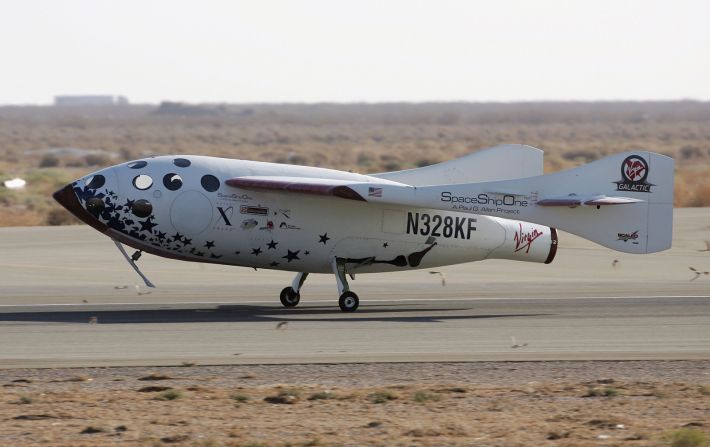
Part-plane, part-spacecraft, the privately funded <a href="index.php?page=&url=https%3A%2F%2Fedition.cnn.com%2F2004%2FTECH%2Fspace%2F09%2F29%2Fspaceshipone.attempt.cnn%2Findex.html" target="_blank">SpaceShipOne</a> used rocket fuel to send humans to space. It made history in 2004 with the first manned suborbital flight, rocketing 69.6 miles above the Earth's surface, which snagged the <a href="index.php?page=&url=https%3A%2F%2Fedition.cnn.com%2F2005%2FTECH%2Fspace%2F02%2F28%2Fspaceshipone.museum%2Findex.html" target="_blank">$10 million Ansari X Prize</a>. The aircraft was retired the following year, but <a href="index.php?page=&url=https%3A%2F%2Fwww.virgingalactic.com%2Flearn%2F" target="_blank" target="_blank">SpaceShipTwo</a> is now being developed by Virgin Galactic for space tourism.
Part-plane, part-spacecraft, the privately funded SpaceShipOne used rocket fuel to send humans to space. It made history in 2004 with the first manned suborbital flight, rocketing 69.6 miles above the Earth's surface, which snagged the $10 million Ansari X Prize. The aircraft was retired the following year, but SpaceShipTwo is now being developed by Virgin Galactic for space tourism.
Robert Laberge/Getty Images
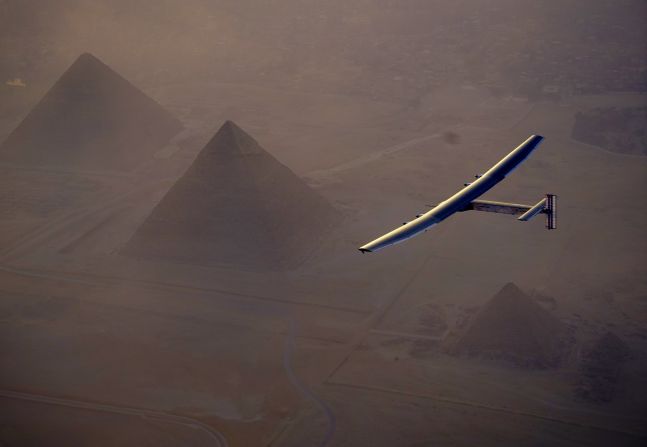
After the success of the first solar-powered plane in 2009, the Solar Impulse 2 took off from Abu Dhabi in March 2015 on the <a href="index.php?page=&url=https%3A%2F%2Fedition.cnn.com%2F2016%2F07%2F26%2Fworld%2Fsolar-impulse-returns-jensen%2Findex.html" target="_blank">first solar-powered flight</a> to circumnavigate the world. With a total of 500 flight hours, the plane covered 25,000 miles (40,000 kilometers). The plane's 48-hour final leg, from Cairo back to Abu Dhabi, took place in July 2016.
After the success of the first solar-powered plane in 2009, the Solar Impulse 2 took off from Abu Dhabi in March 2015 on the first solar-powered flight to circumnavigate the world. With a total of 500 flight hours, the plane covered 25,000 miles (40,000 kilometers). The plane's 48-hour final leg, from Cairo back to Abu Dhabi, took place in July 2016.
Solar Impulse 10
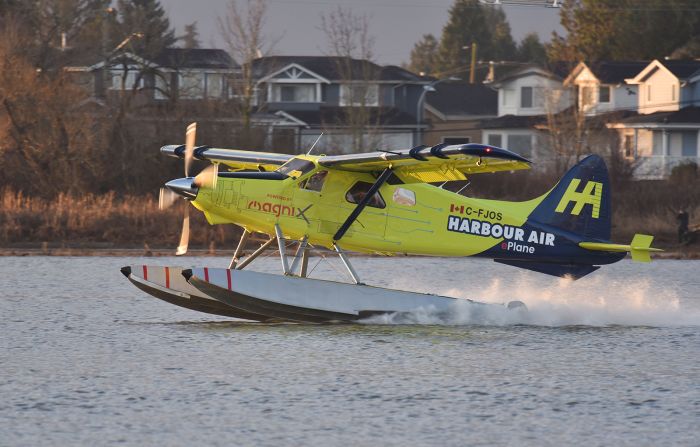
In December 2019, Vancouver-based seaplane company Harbour Air <a href="index.php?page=&url=https%3A%2F%2Fedition.cnn.com%2Ftravel%2Farticle%2Felectric-commercial-aircraft-flight-scli-intl-scn%2Findex.html" target="_blank">made history</a> with the first all-electric commercial aircraft flight. The <a href="index.php?page=&url=https%3A%2F%2Fwww.harbourair.com%2Fharbour-air-and-magnix-announce-successful-flight-of-worlds-first-commercial-electric-airplane%2F" target="_blank" target="_blank">de Havilland DHC-2 Beaver seaplane</a>, which was first flown in 1947, was retrofitted with a 750 horsepower magni500 electric engine from magniX.
In December 2019, Vancouver-based seaplane company Harbour Air made history with the first all-electric commercial aircraft flight. The de Havilland DHC-2 Beaver seaplane, which was first flown in 1947, was retrofitted with a 750 horsepower magni500 electric engine from magniX.
Don MacKinnon/AFP/Getty Images
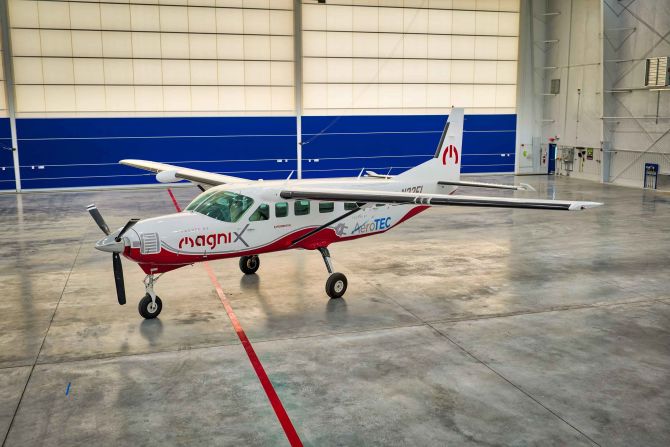
magniX made headlines again in June 2020 when AeroTEC's nine-seater eCaravan  -- powered by the <a href="index.php?page=&url=https%3A%2F%2Fwww.magnix.aero%2F" target="_blank" target="_blank">magni500</a> electric propulsion system -- became the largest all-electric commercial aircraft to fly to date.
magniX made headlines again in June 2020 when AeroTEC's nine-seater eCaravan -- powered by the magni500 electric propulsion system -- became the largest all-electric commercial aircraft to fly to date.
magniX
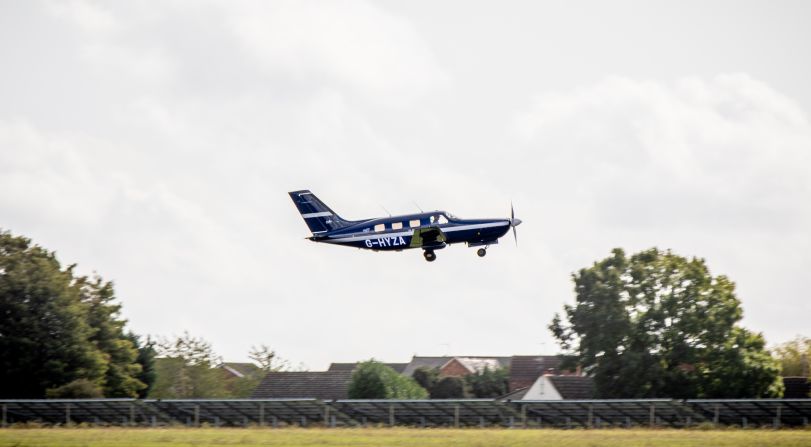
On September 24th 2020, ZeroAvia flew the world's largest hydrogen-powered aircraft at Cranfield Airport in England, showing the possibilities of hydrogen fuel in the future of aviation.
ZeroAvia

My Account
  • Settings
  • Newsletters
  • Topics you follow
  • Sign out
Your CNN account Sign in to your CNN account

Live TV Listen Watch
  • World
    • Africa
    • Americas
    • Asia
    • Australia
    • China
    • Europe
    • India
    • Middle East
    • United Kingdom
  • US Politics
    • Trump
    • Facts First
    • CNN Polls
    • Elections 2026
    • Redistricting Tracker
    • Epstein Files
  • Business
    • Tech
    • Media
    • Calculators
    • Videos
  • Markets
    • Pre-markets
    • After-Hours
    • Fear & Greed
    • Investing
    • Markets Now
    • Nightcap
  • Health
    • Life, But Better
    • Fitness
    • Food
    • Sleep
    • Mindfulness
    • Relationships
  • Entertainment
    • Movies
    • Television
    • Celebrity
  • Tech
    • Innovate
  • Style
    • Arts
    • Design
    • Fashion
    • Architecture
    • Luxury
    • Beauty
    • Video
  • Travel
    • Destinations
    • Food & Drink
    • Stay
    • News
    • Videos
  • Sports
    • Football
    • Tennis
    • Golf
    • Motorsport
    • US Sports
    • Olympics
  • Science
    • Space
    • Life
    • Unearthed
  • Climate
    • Solutions
    • Weather
  • Weather
    • Video
    • Climate
  • World Cup 2026
  • Ukraine-Russia War
  • Israel-Hamas War
  • Features
    • As Equals
    • Call to Earth
    • Freedom Project
    • Impact Your World
    • Inside Africa
    • CNN Heroes
  • Watch
    • Live TV
    • Featured
    • CNN Headlines
    • Shows A-Z
    • CNN 10
    • CNN TV Schedule
  • Listen
    • All There Is with Anderson Cooper
    • Chasing Life with Dr. Sanjay Gupta
    • The Assignment with Audie Cornish
    • Terms of Service with Clare Duffy
    • CNN 5 Things
    • All CNN Podcasts
  • Games
    • Daily Crossword
    • Jumble Crossword
    • Photo Shuffle
    • Sudoblock
    • Sudoku
    • 5 Things Quiz
  • About CNN
    • Photos
    • Investigations
    • CNN Profiles
    • CNN Leadership
    • CNN Newsletters
    • Work for CNN

Watch Listen Live TV
My Account
  • Settings
  • Newsletters
  • Topics you follow
  • Sign out
Your CNN account Sign in to your CNN account
Follow CNN Travel

Download the CNN app

Terms of Use Privacy Policy Ad Choices Accessibility & CC About Newsletters Transcripts

© 2026 Cable News Network. A Warner Bros. Discovery Company. All Rights Reserved.
CNN Sans ™ & © 2016 Cable News Network.

Download the CNN app

Scan the QR code to download the CNN app on Google Play.

Scan the QR code to download the CNN app from Google Play.

Download the CNN app

Scan the QR code to download the CNN app from the Apple Store.

Scan the QR code to download the CNN app from the Apple Store.