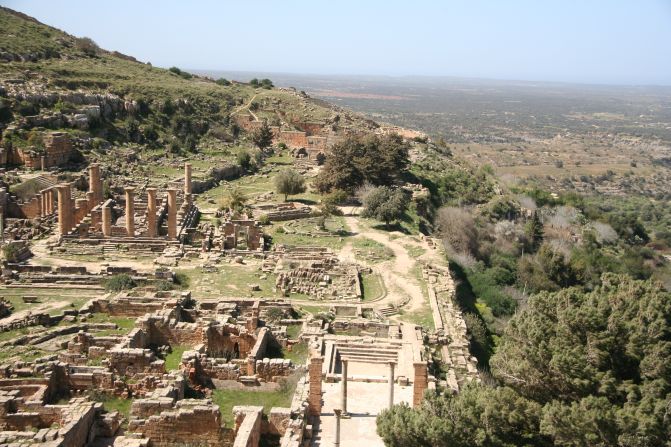
The ruins of Cyrene reflect enduring Greek influences on language and architecture in Libya; its Temple of Zeus is larger than the Parthenon in Athens. The site is about 120 miles (nearly 200 kilometers) east of Benghazi.
nick redmayne/cnn
Gas is cheap —
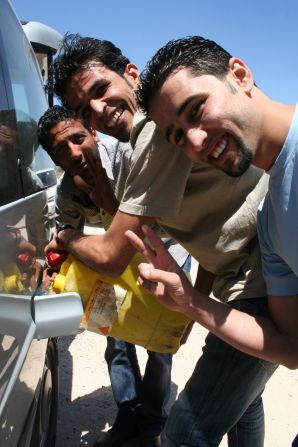
Libyan oil production has returned to prerevolution levels. Filling the tank of an average car costs around six dinars ($4.76), while a liter bottle of water from a cafe is one dinar (about 80 cents).
nick redmayne/cnn
Tea but not necessarily teetotalism —
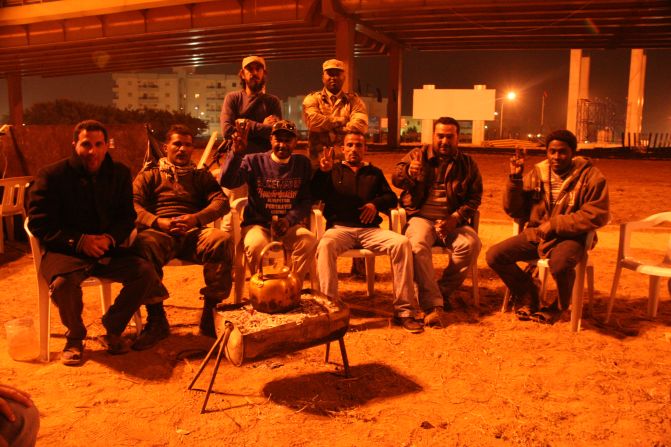
Libyans drink coffee and tea during social gatherings. Alcohol is banned in the country, but it's an open secret that cars of young men parked in out of the way places are often de facto drinking dens.
nick redmayne/cnn
It's not all sand —
Jebel Akhdar -- or Green Mountain -- is a day-trip from Benghazi and a good reminder that Libya's not just desert.
nick redmayne/cnn
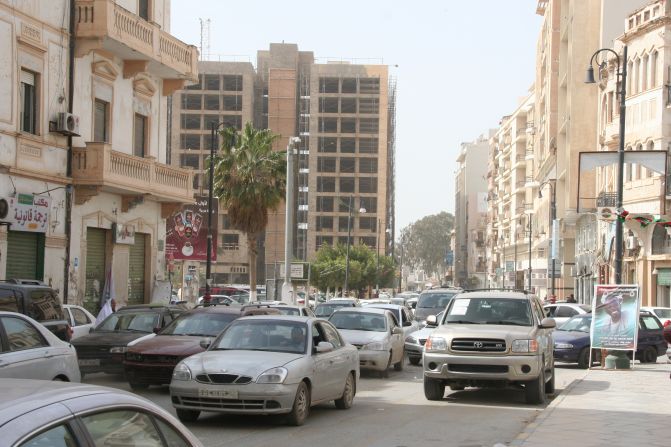
Road travel exciting but hazardous —
Car rental companies are building a presence in Libya, but finding someone else to do the hard work of fighting traffic, sandstorms and camels will make for a more relaxing trip.
nick redmayne/cnn
Money issues —
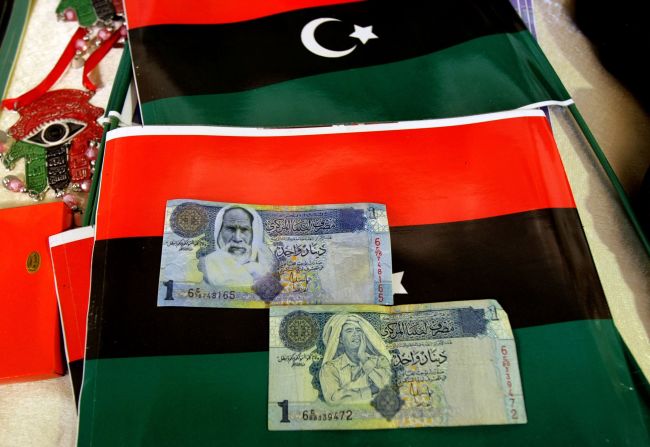
During the revolution, rebels forged one dinar notes showing Moammar Gadhafi in a contemplative pose, bottom, replacing his image with that of Omar Mukhtar, top, leader of the Libyan resistance to Italy in the early 20th century. Now new notes have been issued.
MARWAN NAAMANI/AFP/Getty Images
Omar Mukhtar a dominant figure —
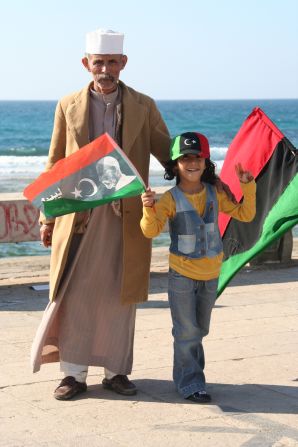
Gaddafi imagery has been replaced by that of an elderly man in white robes -- Omar Mukhtar, seen here on a flag. Mukhtar was a nationalist hero whose fighters resisted Italian colonialists in Libya for nearly 20 years.
nick redmayne/cnn
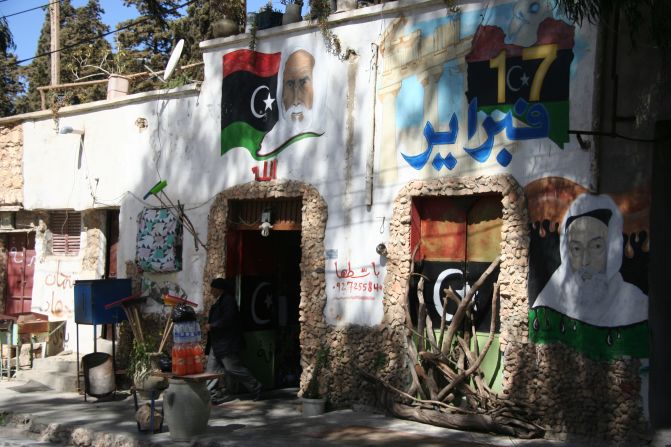
Mukhtar's memory inspired revolutionaries —
Italian forces captured and executed Mukhtar in 1931, but he has remained an inspiration to many Libyans. In 2011, his battle cry of "We will win or we will die" was heard once more as the revolution unfolded.