Your effort and contribution in providing this feedback is much
appreciated.
Close
Ad Feedback
Eerie sculptures question boundaries of the human form
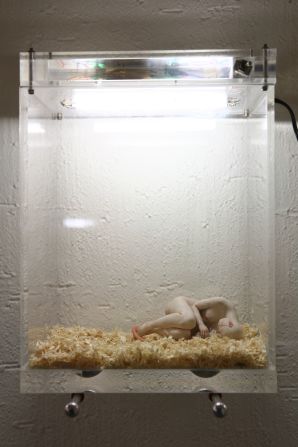
Isometric Female (2013) —
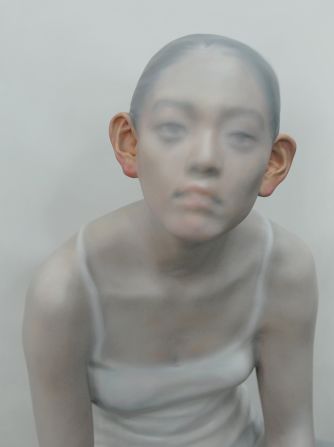
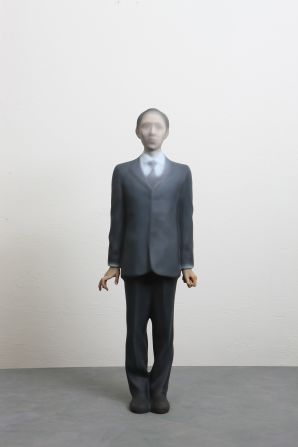
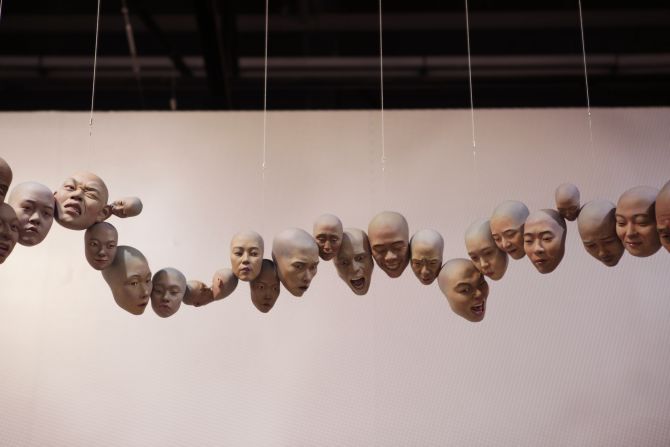
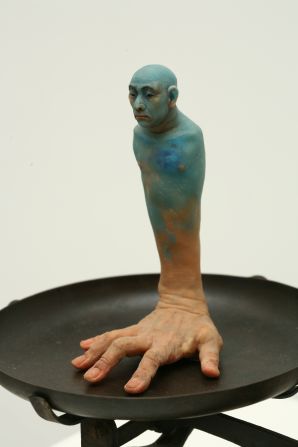
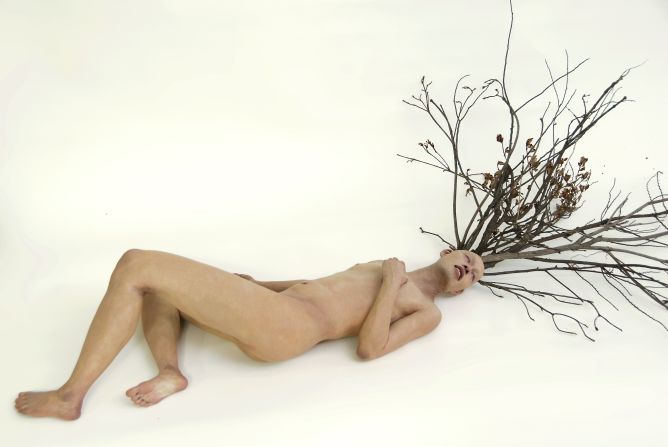
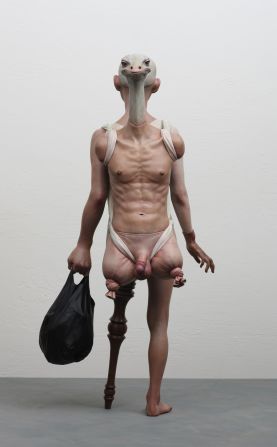
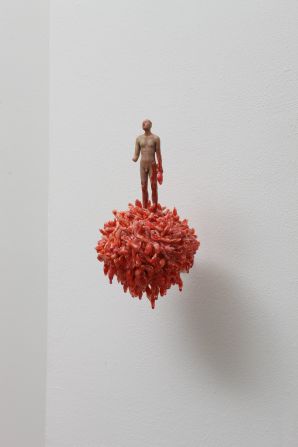
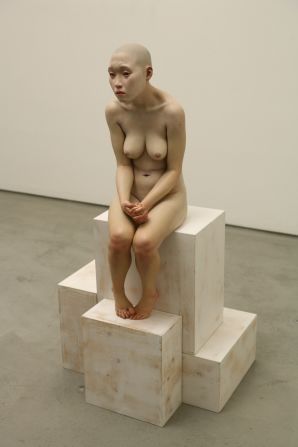
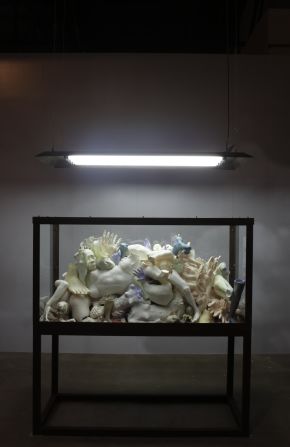
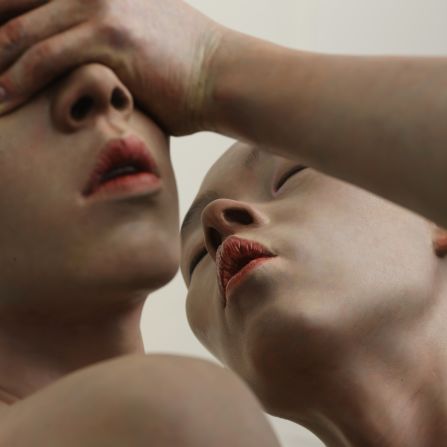
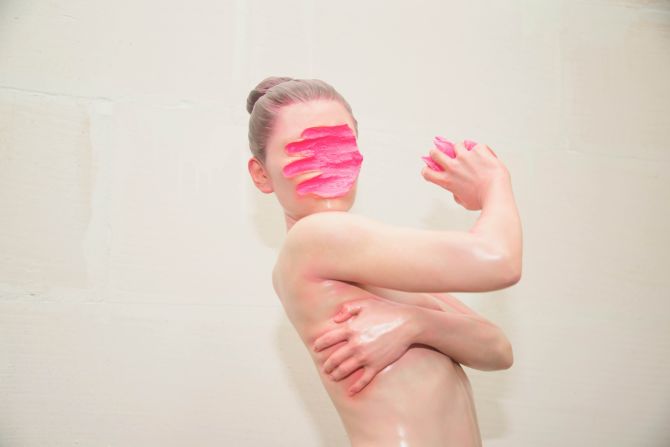
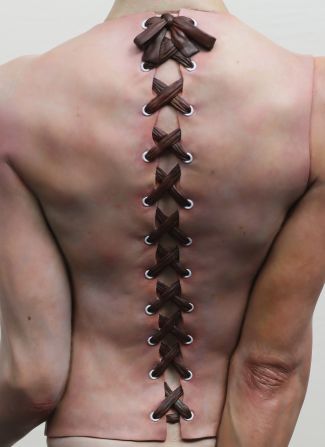
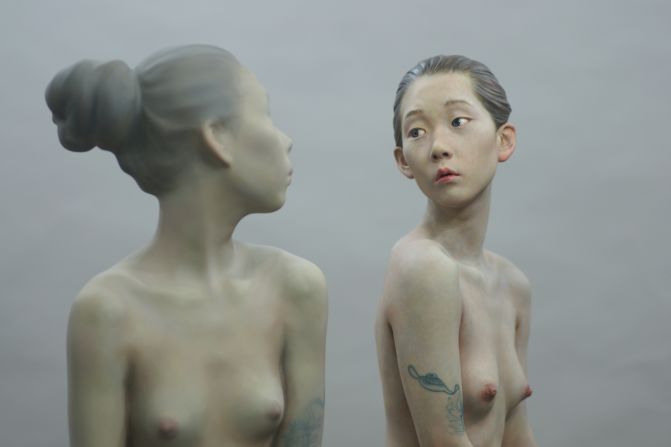
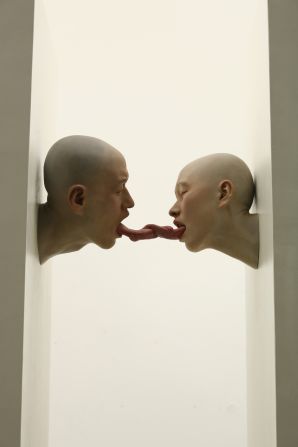
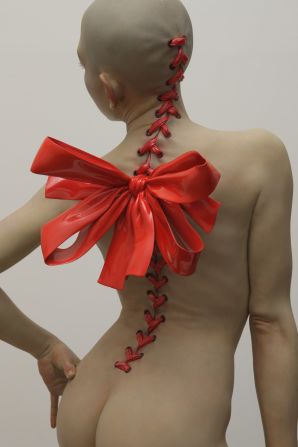
South Korean artist Choi Xooang creates hyperrealistic sculptures that depict the human form in its whole and its parts.
Osurc/Xooang Choi
Matured Matrial Pink (2016) —
Choi's work has been compared to horror films, but he says it is designed to convey human expression, not to shock.
Xooang Choi
Condition for Ordinary Colonization (2013) —
Choi is known for his impeccably detailed work -- a characteristic of many contemporary South Korean artists. Most of his sculptures take between two and five months to complete.
Osurc/Xooang Choi
Reflection (2012) —
In May, Choi will be hosting his first US solo exhibition at New York's Doosan Gallery, where he is presently completing a six month residency. "There will be one or two new works there, and I'll be doing more drawings while in New York," he says.
Xooang Choi
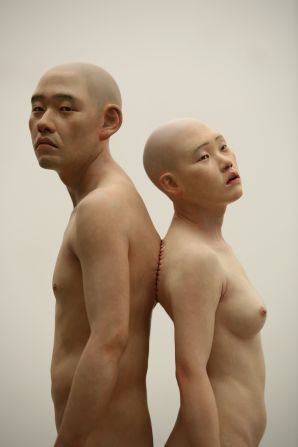
The Entangled Couple (2007) —
Curator Kang Yoewool has described Choi's sculptures as revealing "mental maladies of contemporary people -- lost; deficient; paranoid; and deprived of free will."
Xooang Choi
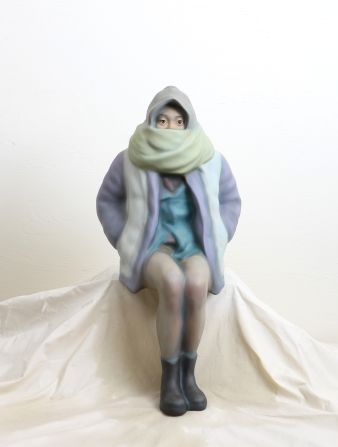
The Heroine (2009) —
An oil on resin sculpture named The Heroine, is inspired by the topic of cosmetic surgery. Choi: "There's a sense of depression that comes from forming one's shape to show others."
Xooang Choi
Dreamers Forest (2015) —
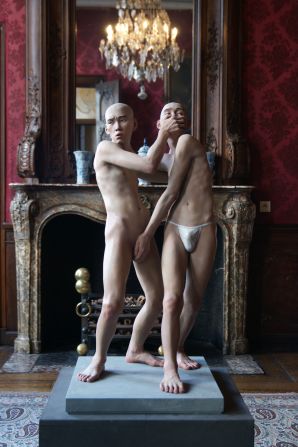
Choi says that he occasionally likes to visit his exhibitions incognito to see how the public responds to them. "The regret of seeing something I could have done better is bigger than [any negativity from] seeing people observing it."
Courtesy of the artist and Choi&Lager Gallery Cologne/Seoul
Isometric Male (2013) —
As well as his native South Korea, Choi work has been exhibited in France, Singapore, China and Belgium.
Xooang Choi
The One (2007) —
The societal norm of couples is a theme Choi frequently explores, often in grotesque and striking fashion.
Xooang Choi
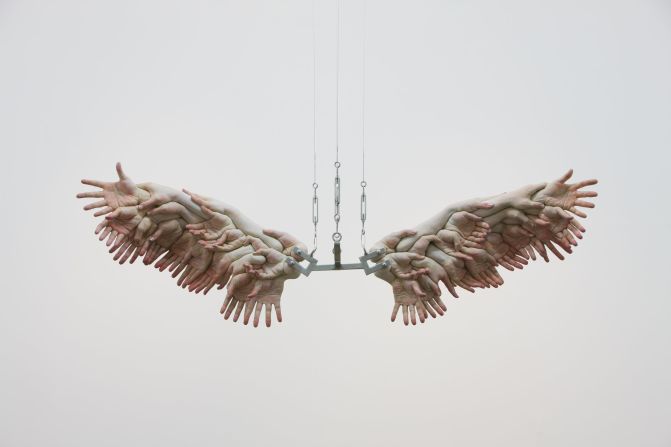
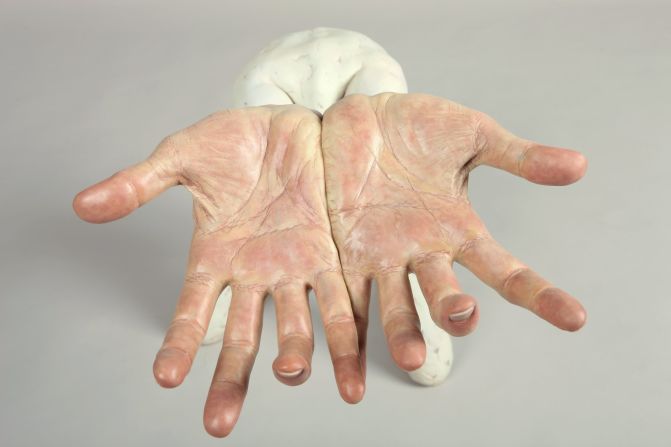
The Wing (2009) —
Choi's most famous work, "The Wing", is constructed out of hyperrealistic dismembered hands. "I was thinking about the sacrifice of individuals for a greater society," says Choi. "People said it looked like it symbolized a victory for people working together."
Xooang Choi
The Listener (2011) —
"Images of individuals wandering within society and conflict within it tend to be the motives and topics of my work," says Choi.
Xooang Choi
Wriggle (2014) —
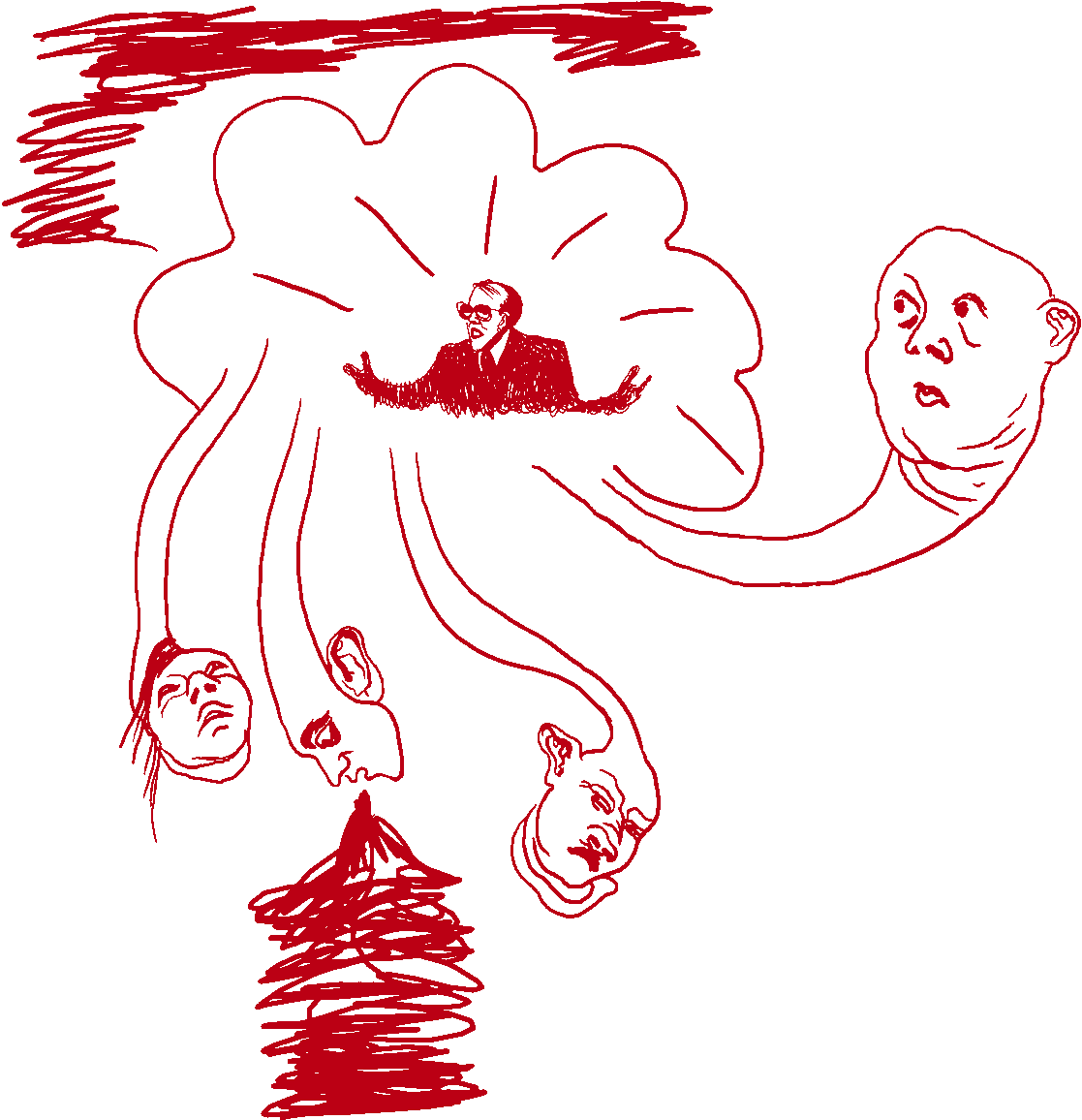
"My work tends to center around the human body," says Choi. "Individuals existing, struggling in different situations of social power and relationships."
Courtesy of the artist and Choi&Lager Gallery Cologne/Seoul
Noise (2007) —
"In some of my works I really tried to bring out that dark side, that we can face and deal with," he says. "I thought it'd be a big illness if you kept hiding your darkness," he says.
Xooang Choi
The Equilibrium (2007) —
The artist insists he isn't influenced by horror films, despite the macabre nature of some of his work. "I'm really bad with horror," he says. "I tend to avoid scenes that are 'too much'."
Xooang Choi
The Vegetative State (2007) —
"People tend to think positively of couples," says Choi. "It was said that society needs to be 'one,' almost like propaganda. If that's set forcefully, saying we need to become one, wouldn't it be unfortunate? I showed that being stitched together hurts."
Xooang Choi
The Test Mice (2007) —
Choi is completing a six-month residency at New York's Doosan Gallery and says he is looking forward to his May exhibition. "It's a non-profit space that is introducing Korean artists overseas," he says.
Xooang Choi
Condition for Ordinary Settlement (2012) —
"I've been exploring ordinary people and society they live in," Choi says of his residency.
Osurc/Xooang Choi
Untitled (2014) —
"The bigger and more advanced a society, the more standardized and systematized it becomes so as to more efficiently manage and control its citizens."
Xooang Choi
The Between (2007) —
South Korea's network of art schools has contributed to a thriving contemporary arts scene in the country.
Xooang Choi
Islet of Asperger Type 6 (2009) —
Choi was confronted by a disgruntled member of the public when he exhibited his "Islet of Asperger" series. Accused of exploiting the Asperger's condition, he had to convince the person not to sue him. "I was hurt and had a hard time," says Choi.
Xooang Choi
Gaze (2015) —
"If I have clear imagery and atmosphere my work can happen really fast," he says. "I could finish one sculpture in two months."
Courtesy of the artist and Choi&Lager Gallery Cologne/Seoul
Sheddings (2014) —
"Sometimes it's hard for me to understand how people say they thought of horror films and zombies through my work," the artist says. "I'm not sure about that idea..."
![Choi says that he occasionally likes to visit his exhibitions incognito to see how the public responds to them. "The regret of seeing something I could have done better is bigger than [any negativity from] seeing people observing it."](https://media.cnn.com/api/v1/images/stellar/prod/161215094859-xooang-choi-1.jpg?q=w_1625,h_2437,x_0,y_0,c_fill/h_447)