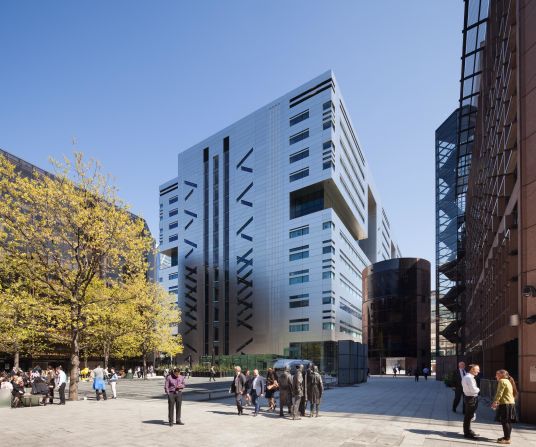
Ken Shuttlesworth's new building, 5 Broadgate in London. "(It's) only 35 percent glazing, with 65 percent solid iron insulated panels," he said, "which actually reduce the amount of carbon the building needs to burn."
John Madden/Make Architects
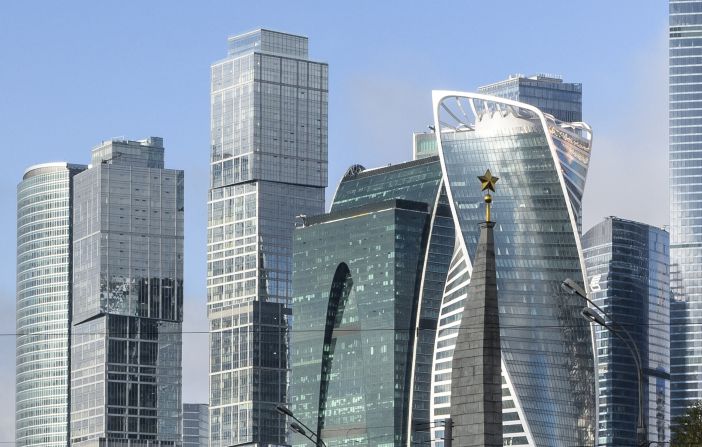
In the last decade, a spate of new glass towers have been constructed in Moscow's business district.
MLADEN ANTONOV/AFP/AFP/Getty Images
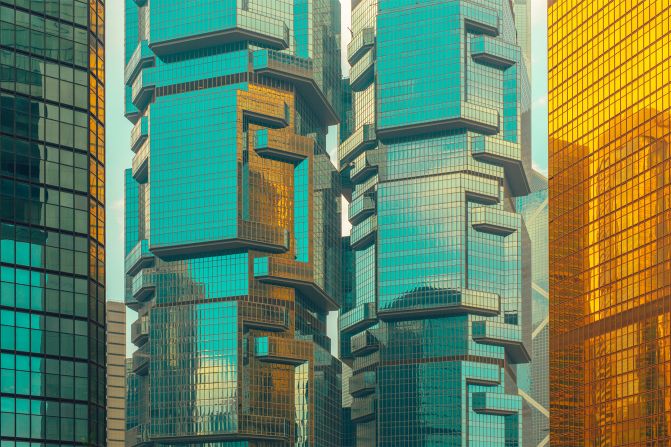
A collection of glass facades in Hong Kong, a city with more skyscrapers than any other.
Ben Thomas
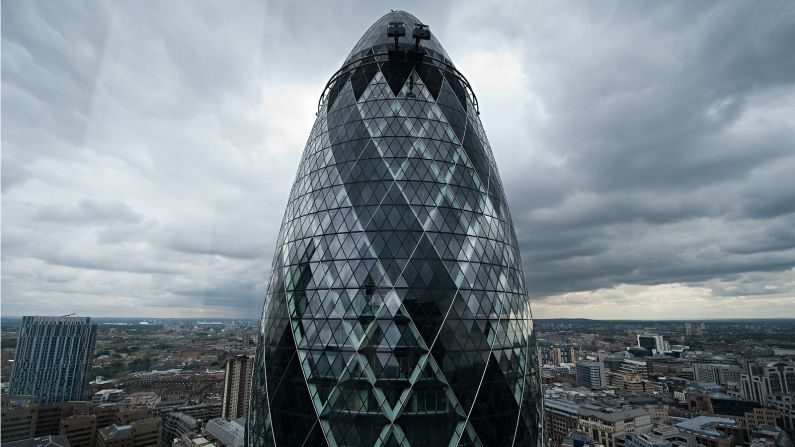
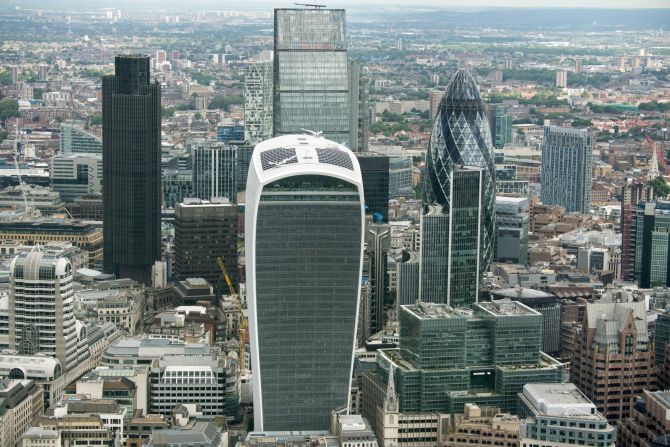
London's 30 St Mary Axe, or "The Gherkin" as it is more commonly known. The building's designer, Ken Shuttleworth, has since spoken out against the overuse of glass.
LEON NEAL/AFP/Getty Images
London's 20 Fenchurch Street building (better known as the "Walkie Talkie") had to be fitted with additional shading after sunlight reflected off its surface and partially melted a nearby car.
LEON NEAL/AFP/AFP/Getty Images
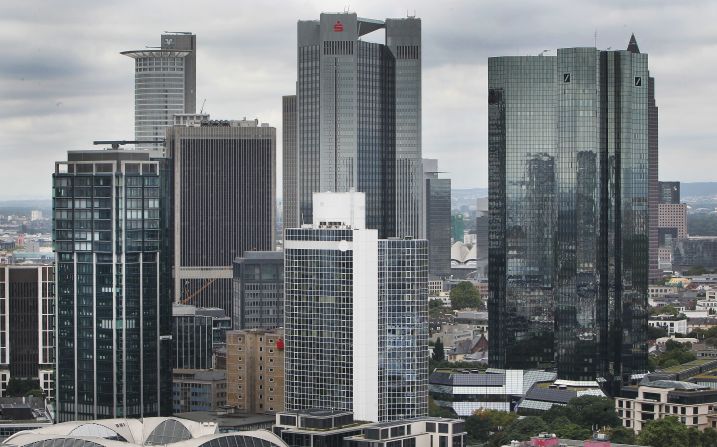
Architects and urban planners are questioning the value of all-glass facades, such as those found in Germany's financial capital Frankfurt.
DANIEL ROLAND/AFP/AFP/Getty Images
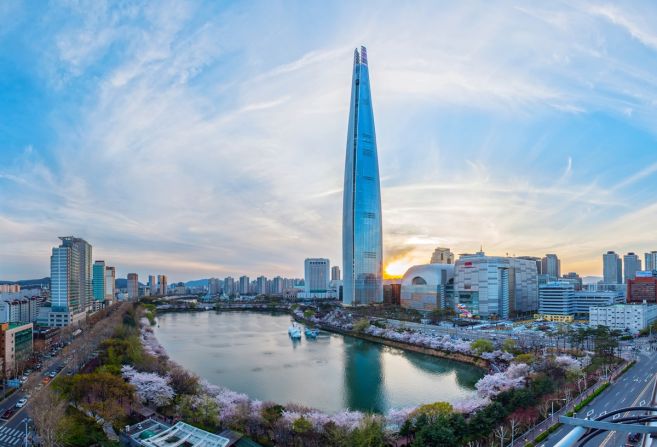
The recently opened Lotte World Tower in Seoul, now the world's fifth tallest building, was constructed using 20 different types of glass.
Lotte World Tower
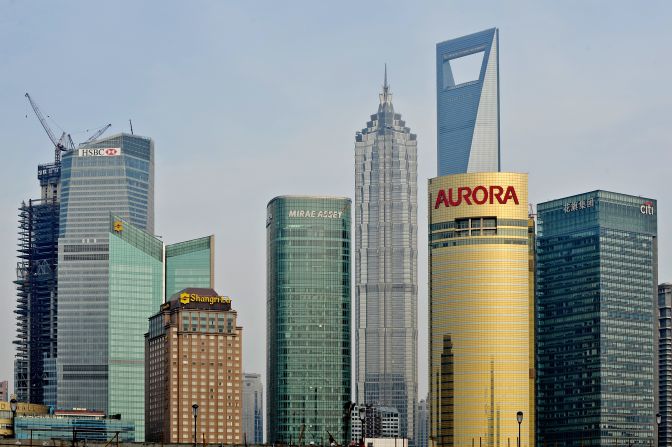
Shanghai's Pudong district, which was little more than farmland until the 1990s, is now home to many of the world's largest glass buildings.
PHILIPPE LOPEZ/AFP/AFP/Getty Images
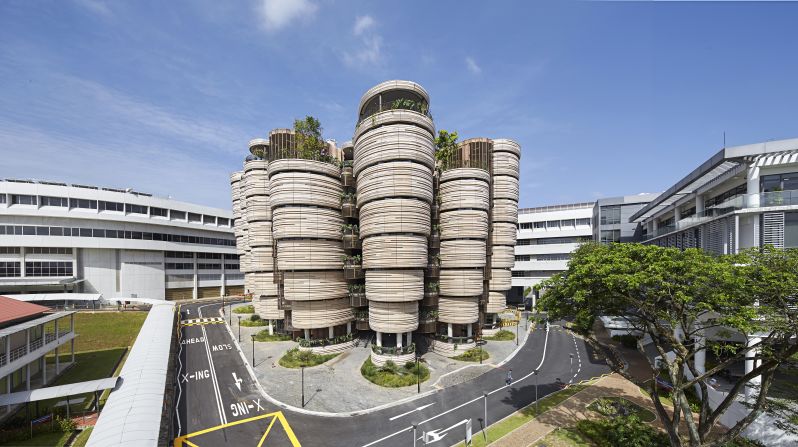
Structures that eschew glass facades, such as this building at Singapore's Nanyang Technological University, may enjoy lower energy bills, as their solid surfaces trap heat in winter and keep out sunlight in the summer.
Heatherwick Studio
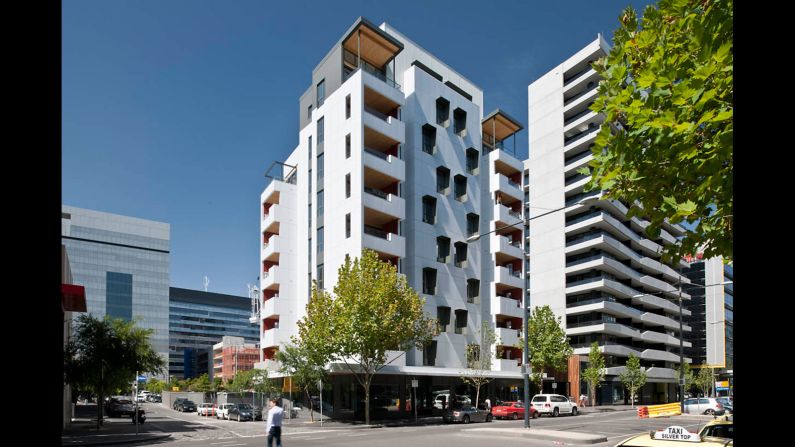
Featuring barely any glass on its facade, The Forte in Melbourne, Australia, is one of a growing number of timber buildings.
Lendlease
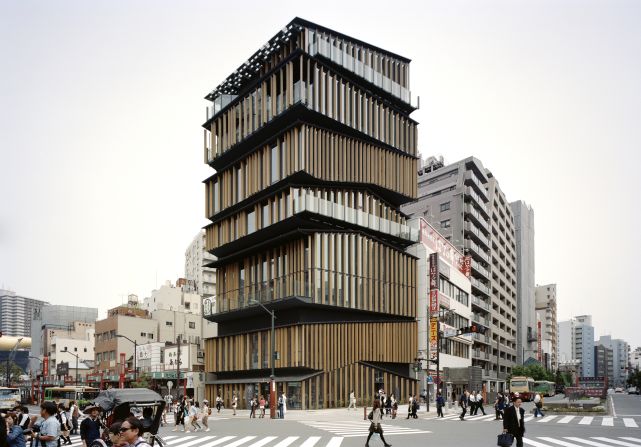
Designed by Japanese architect Kengo Kuma, the Asakusa Culture Tourist Information Center in Tokyo combines double-glazed glass panels with other materials, including steel and wood.
Courtesy Takeshi Yamagish
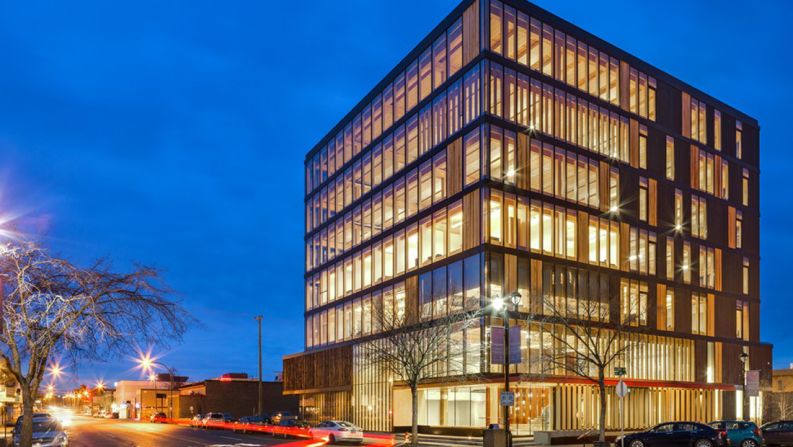
The facade of the Wood Innovation Design Centre in British Columbia, Canada, was built using a triple-glazed wood veneer in conjunction with glass.