Your effort and contribution in providing this feedback is much
appreciated.
Close
Ad Feedback
The art of crafting whiskey barrels
Whiskey barrels hold the spirit for a number of years to mature it, with the liquid extracting flavor from the wood.
Jamie Fullerton
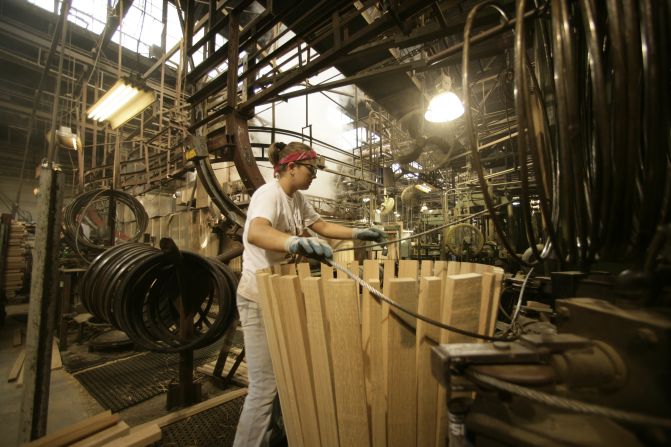
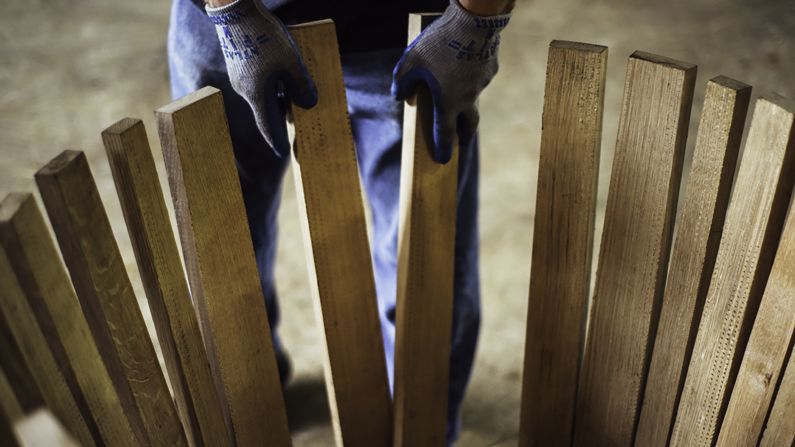
American white oak is the most commonly-used wood to make stave -- the long sections of wood which make up the main part of the barrel.
Brown-Forman
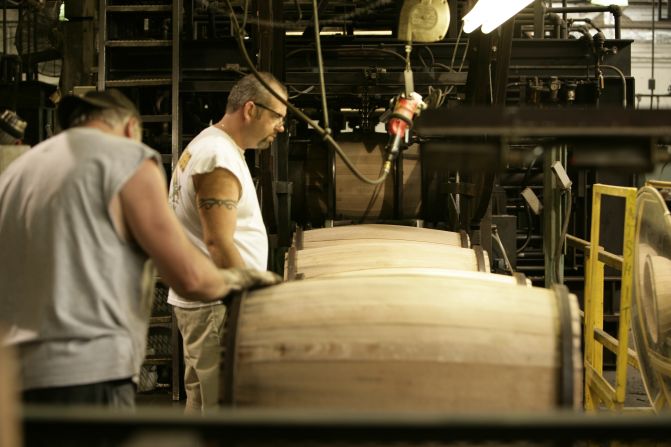
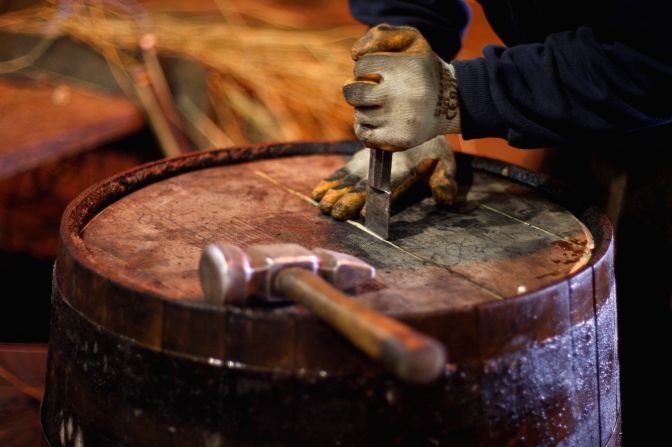
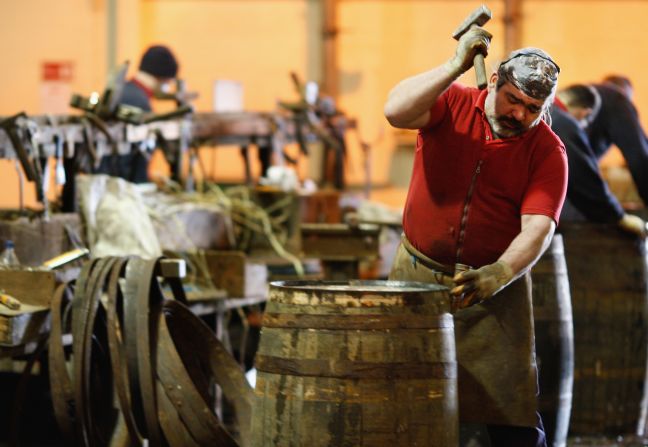
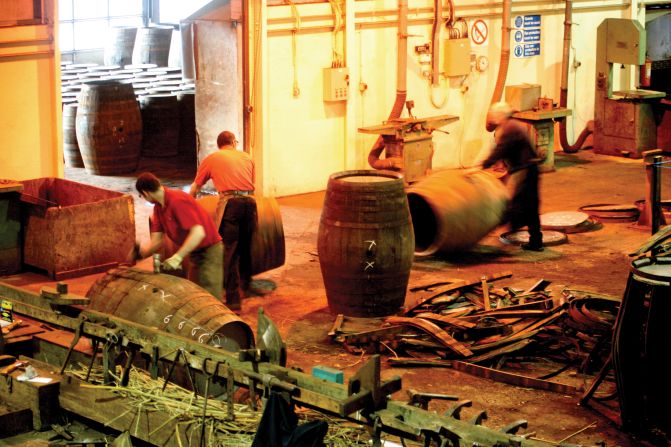
Although technology has sped up the process of making whiskey barrels, the job of the cooper remains integral to the process.
Brown-Forman
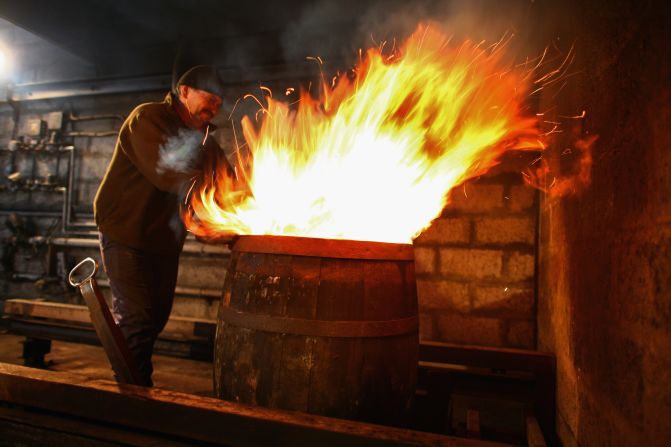
Flames are fired into whiskey barrels to char them, helping release flavor from the wood.
Jeff J Mitchell/Getty Images Europe/Getty Images
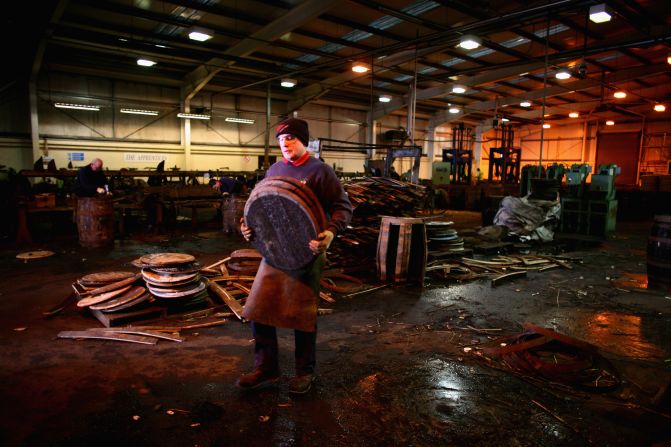
Hickory wood is often used to make the circular tops and bottoms of whiskey barrels.
Jeff J Mitchell/Getty Images Europe/Getty Images
"There's something elemental about making casks -- there's a romance to it," said David Cox, former director of fine and rare whiskeys for The Macallan, a single malt distillery that has produced rare whiskeys since 1824.
image via Jack Daniels
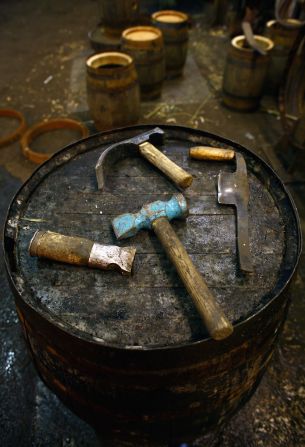
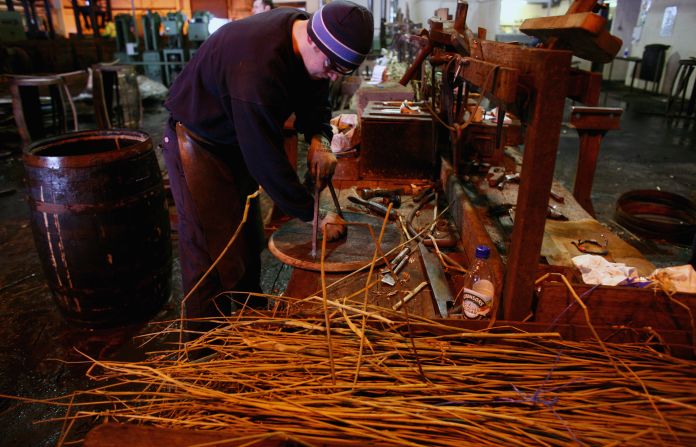
"The tools used to shape the staves and bind them with the hoop (haven't changed much)," says Cox explained.
Jeff J Mitchell/Getty Images Europe/Getty Images
Whiskey sales have increased globally over the past decade, leading to a flourishing whiskey barrel industry, largely in the US.
Jeff J Mitchell/Getty Images Europe/Getty Images
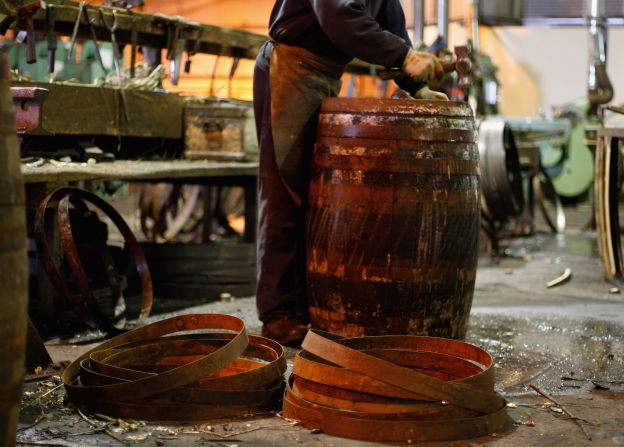
The metal hoops that keep the wooden staves together are usually made of iron.
Jeff J Mitchell/Getty Images Europe/Getty Images
"There is a certain comfort that sometimes doing it the old way, perhaps the slow way, can be the right way," said David Cox.
Jeff J Mitchell/Getty Images Europe/Getty Images
It usually takes about 32 wooden staves to make a whiskey barrel, which typically has a capacity of 53 gallons.
Jeff J Mitchell/Getty Images Europe/Getty Images
"It's made in the shape it is so you can steer it when you're rolling it like a wheel," says Jeff Arnett, master distiller of Jack Daniel's.
Gonzalo Jaen
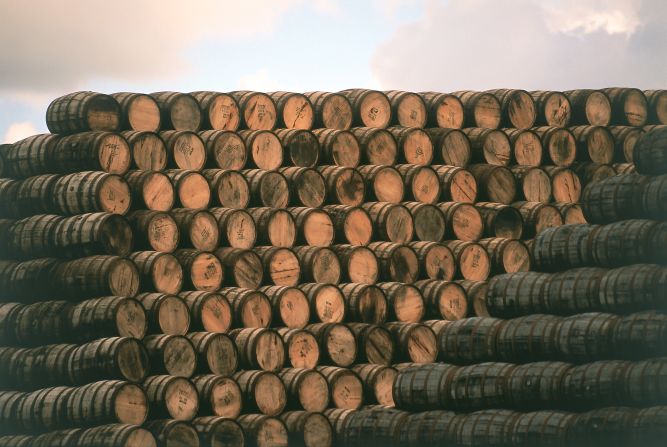
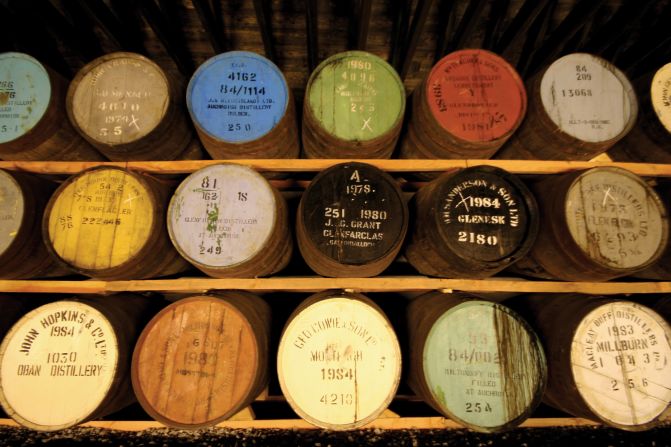
Whiskey barrels house the spirit for a number of years to allow the drink to mature before it is bottled.
Gonzalo Jaen
These barrels are storing whiskey in the Knockando distillery in Scotland.
Gonzalo Jaen
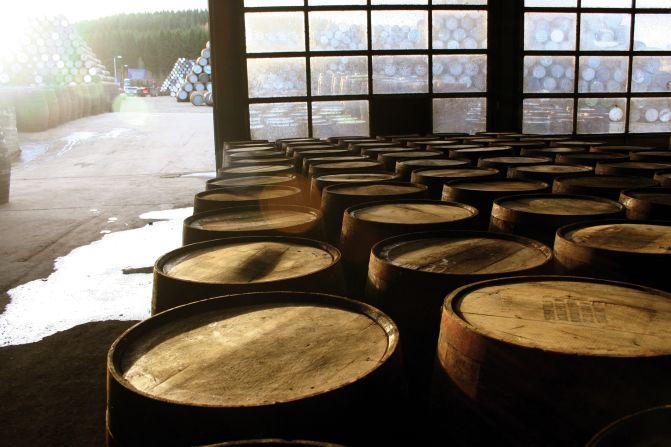
Barrels at a cooperage in Speyside, Scotland.
Gonzalo Jaen
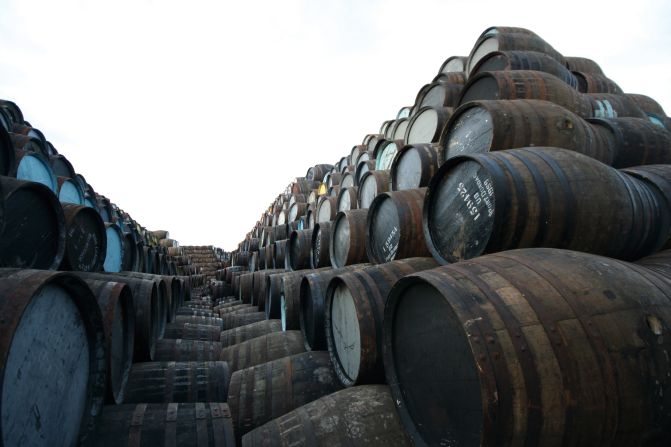
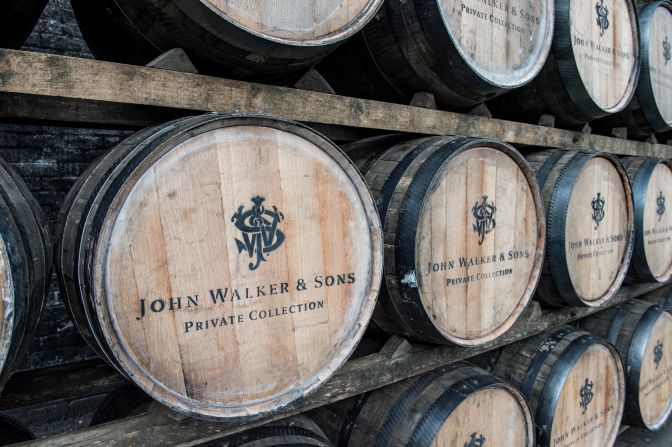
Scotch whiskey makers such as Johnnie Walker import used whiskey barrels from the US to repurpose in Scotland.