Floating architecture could protect cities from sea level rise
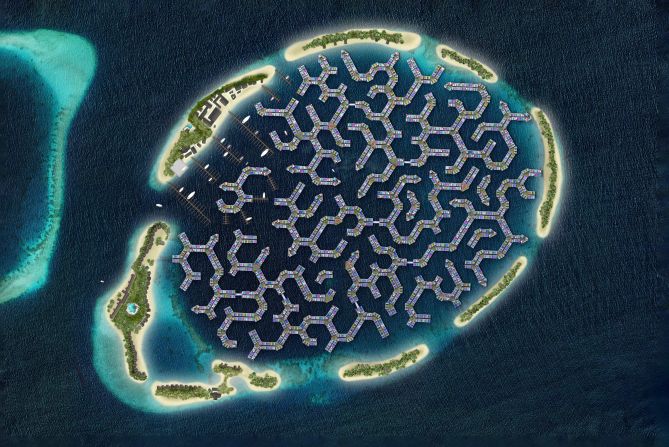
The threat of rising seas is leading to a new form of architecture, one that floats. In the Maldives, a nation on the frontlines of climate change, the first blocks of a floating city are being towed into place. Once completed, it should look like this rendering and around 20,000 people will call it home.
Waterstudio.NL/Dutch Docklands
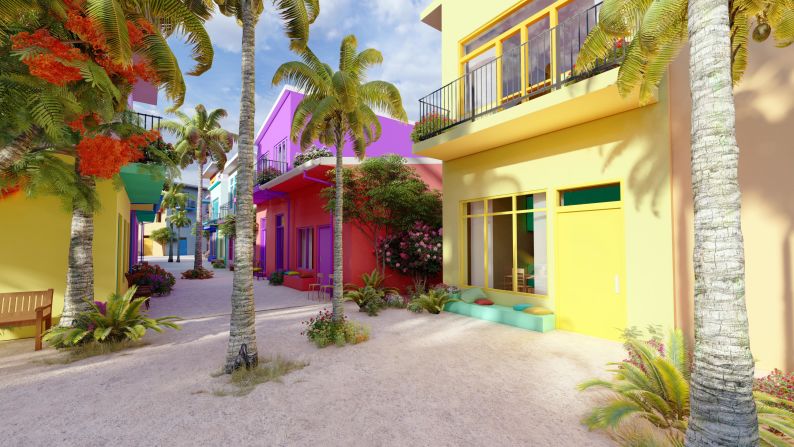
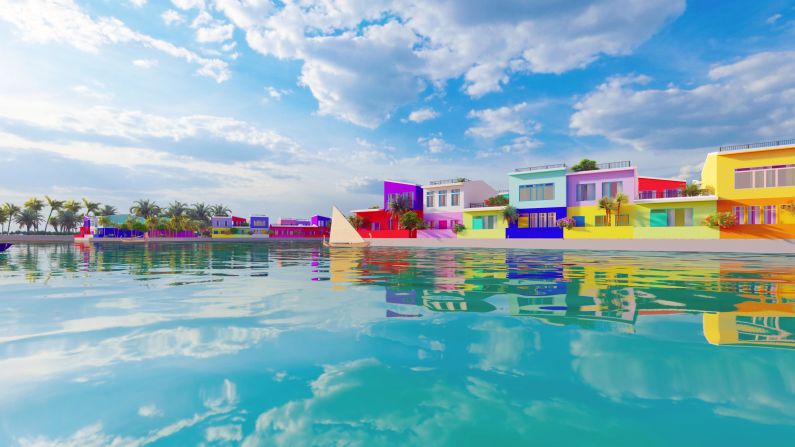
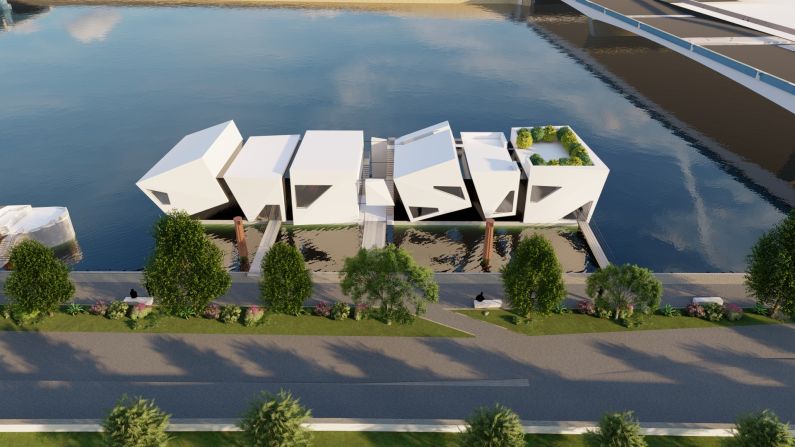
Designed by Dutch architecture firm Waterstudio, which specializes in building on water, the city will consist of 5,000 modular units -- as shown in this rendering -- including houses, restaurants, health care units and schools.
Waterstudio.NL/Dutch Docklands
The city is based in a lagoon just 10 minutes by boat from Male, the capital of the Maldives. Besides boats, residents can get around on bicycles and electric scooters, but no cars will be allowed. It aims to attract local people with its affordable prices.
Waterstudio.NL/Dutch Docklands
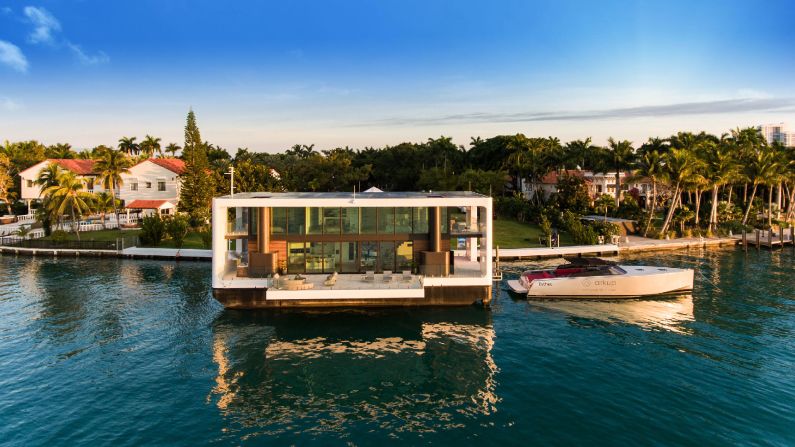
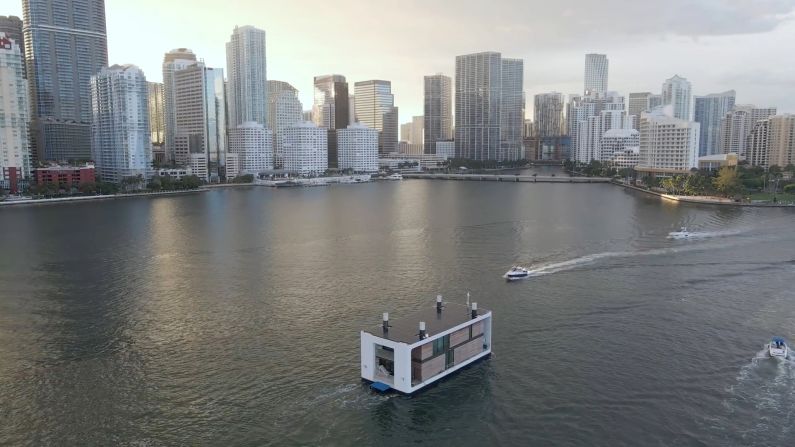
The Maldives is the first city-scale project Waterstudio has been involved in; however it has designed hundreds of floating structures in the past, including Arkup 40, a luxury livable yacht, pictured here.
Waterstudio.NL/Arkup
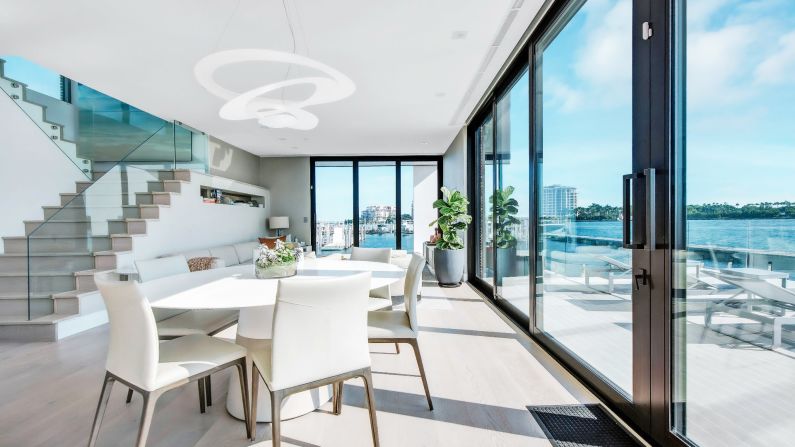
The yacht has a modern, minimalist interior, and it can come with one or two bedrooms. It features a waste management system, rainwater harvesting and water purification.
Waterstudio.NL/Arkup
The Arkup 40 is available to buy as a stationary version that is connected to the grid, or a solar-powered yacht that can travel up to 8.5 knots (around 10 miles per hour). It is designed to withstand high winds, floods and hurricanes.
Waterstudio.NL/Arkup
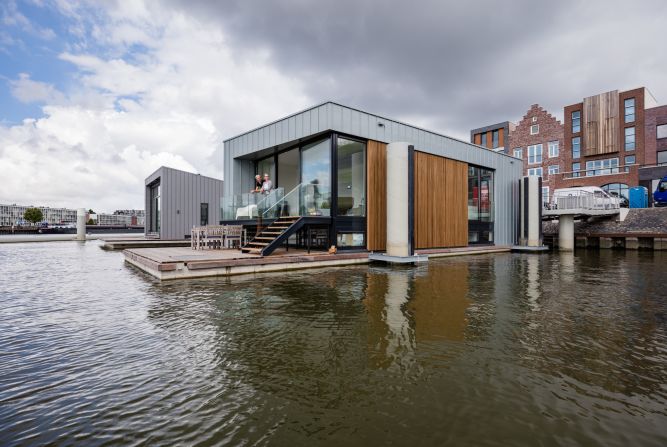
Waterstudio has also designed floating villas as part of a small water development in Dordrecht, the Netherlands. The houses have floor-to-ceiling windows and an outside terrace, but each is styled slightly differently.
Koen Olthuis/Waterstudio.NL/Miquel Gonzalez
Waterstudio does not stop at floating homes. This year, a floating theater designed by the firm (shown here in a rendering), will open on the banks of the Rhône in Lyon, France. Architect and Waterstudio founder Koen Olthuis explained that as cities become more densely-populated, spaces for cultural centers are often not prioritized. Building them on water can be a solution.