Plywood: The unsung material that built our modern world
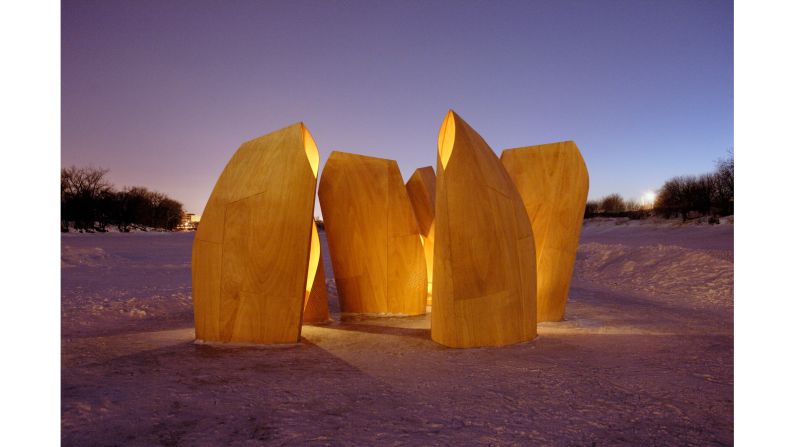
From its humble beginnings, plywood has risen to become one of the design world's favorite materials. Patkau Architects used it to create these Winnipeg ice skating shelters in 2012.
Courtesy Patkau Architects
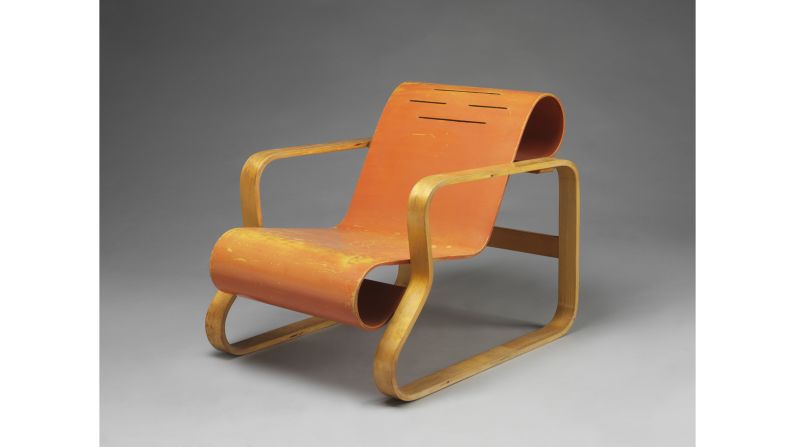
Finnish designer and architect Alvar Aalto embraced the flexibility and natural aesthetic of plywood.
Courtesy Victoria and Albert Museum, London
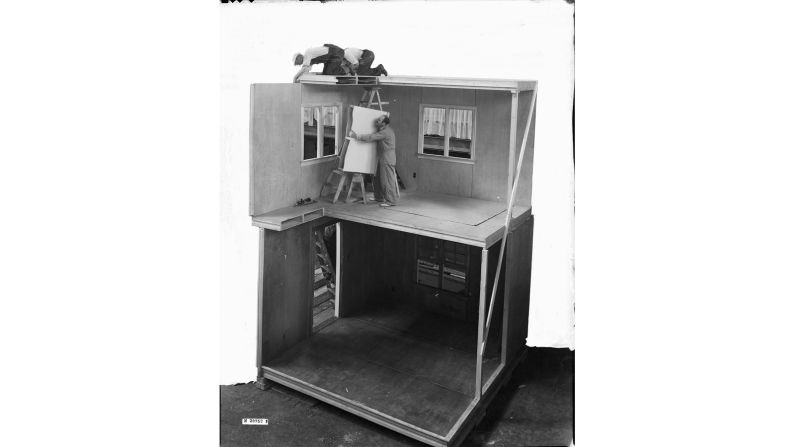
This full-scale house was built at the 1937 Madison Home Show to demonstrate the American Forest Product Laboratory's plywood prefabrication system.
courtesy USDA Forest Products Lab
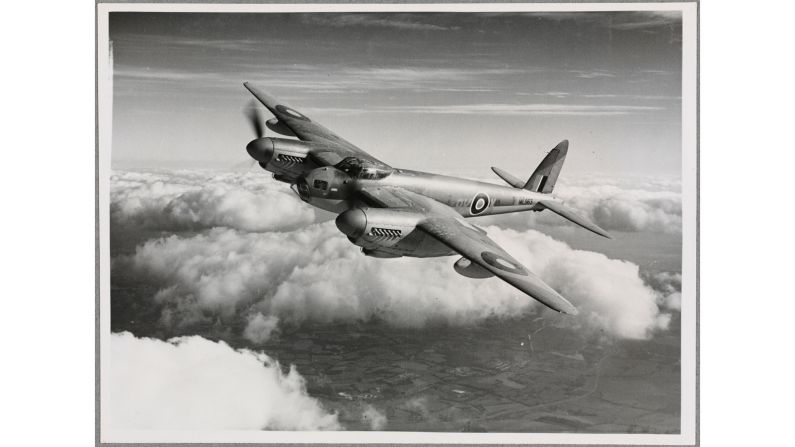
One of the fastest and highest-flying planes of WWII, the British de Havilland Mosquito, was made of plywood.
Courtesy de Havilland Aircraft Museum
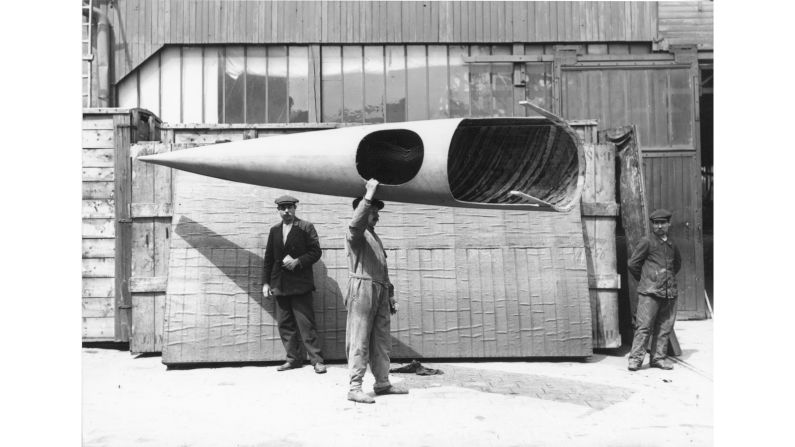
Almost all early airplanes were made out of wood, such as this complete Deperdussin Monocoque fuselage carried by workmen at the Paris Deperdussin factory in about 1912.
Courtesy Musée de l'Air et de l'Espace-Le Bourget- INV.Prim
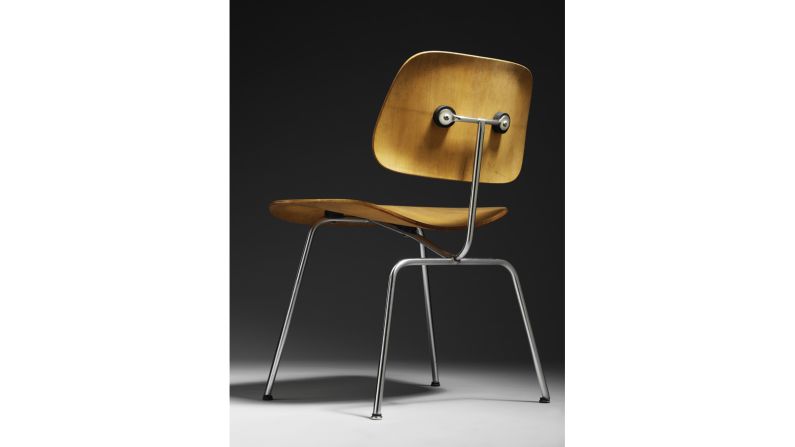
Charles and Ray Eames spent years experimenting with the possibilities of plywood.
Courtesy Eames Office, LLC
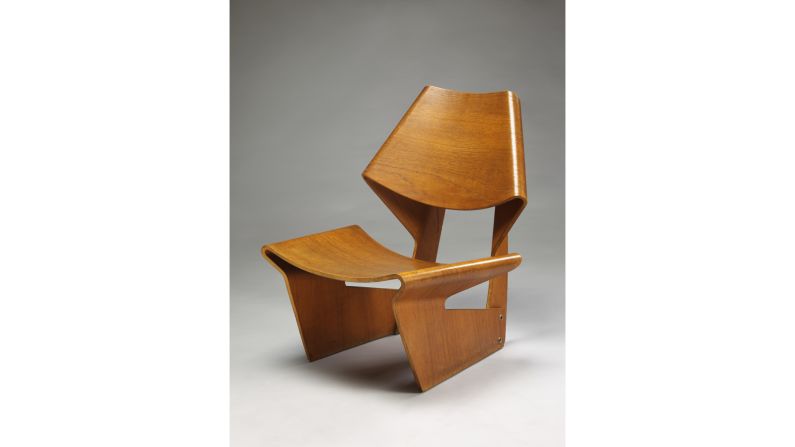
Danish designer Grete Jalk was inspired the Eameses and Alvar Aalto in her work. This molded plywood chair was formed out of just two conjoined pieces.
Courtesy Victoria and Albert Museum, London
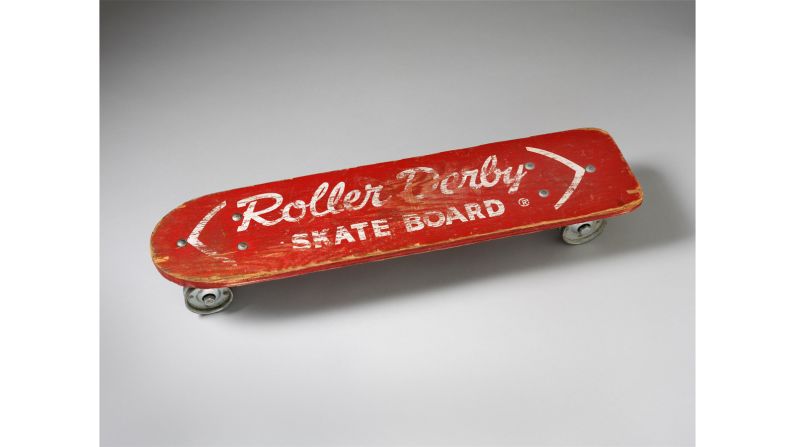
Plywood has also been used to make more humble modes of transport.
Courtesy Victoria and Albert Museum, London
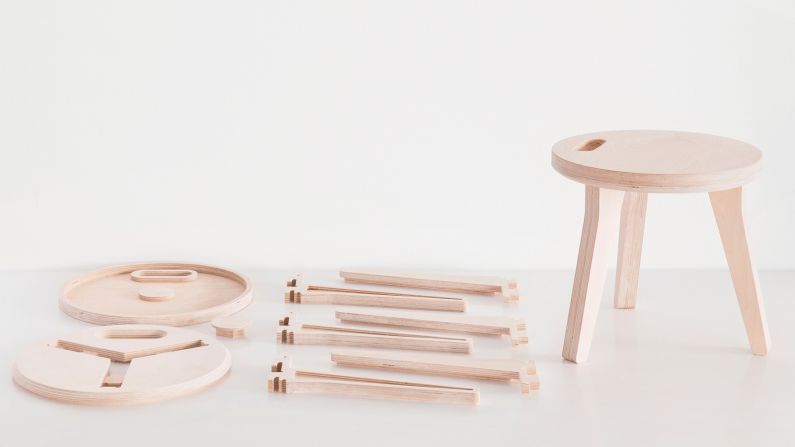
Continuing the plywood tradition today, David and Joni Steiner designed their Edie stool with birch plywood.
Courtesy Rory Gardiner
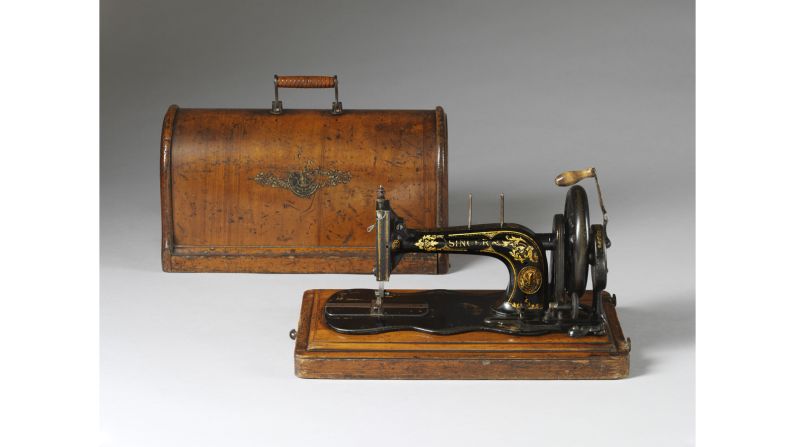
The invention of the rotary veneer cutter in the 19th century meant plywood was used ubiquitously throughout the Victorian home, such as this Singer sewing machine with molded plywood cover from 1888.