Your effort and contribution in providing this feedback is much
appreciated.
Close
Ad Feedback
Singapore like you’ve never seen
Photographer Nguan captures the surreal beauty of Singapore in order to romanticize his homeland.
Nguan
"Singapore is clean and efficient but you don't feel anything when you think of the country," said Nguan in a phone interview.
Nguan
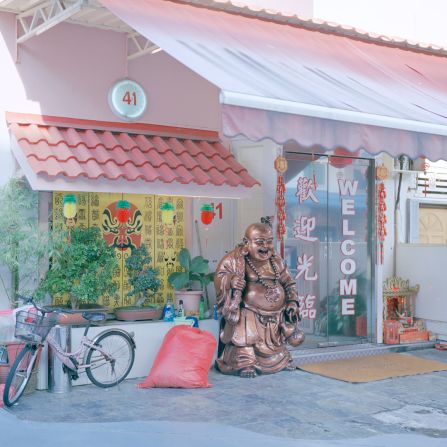
His pastel-colored photos have appeared in overseas exhibitions.
Nguan
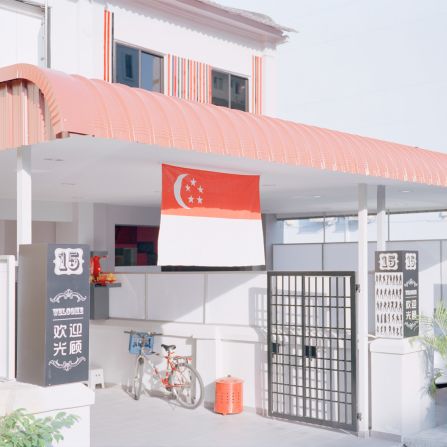
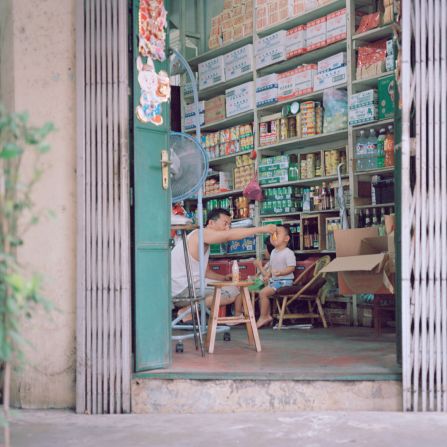
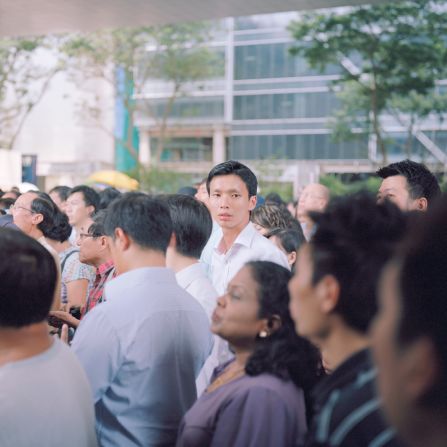
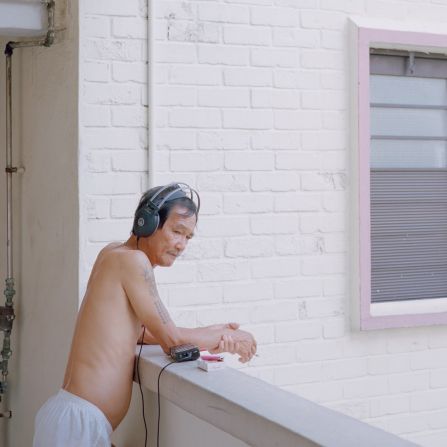
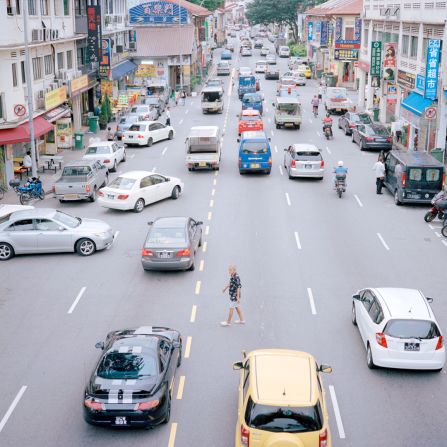
Nguan portrays a different side to the "sterile" city-state -- one that represents the lives of everyday people.
Nguan
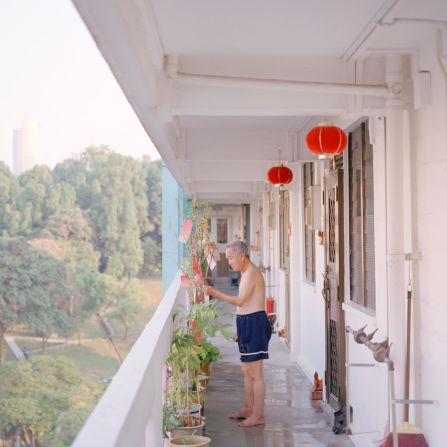
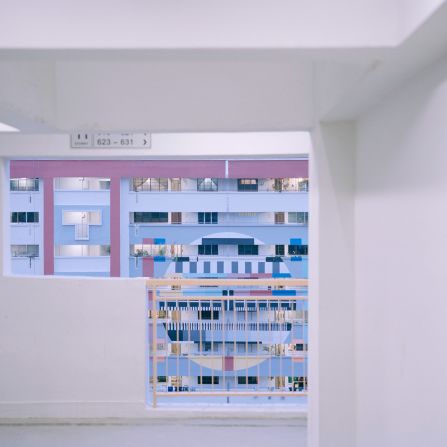
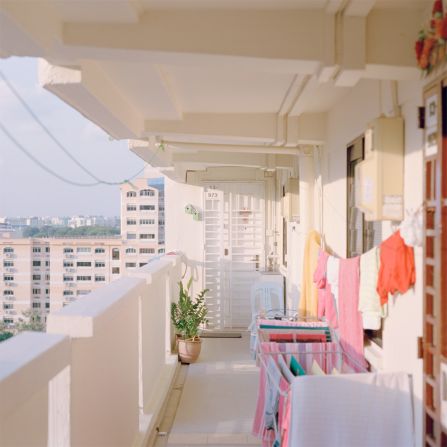
He is particularly fond of picturing corridors in public housing blocks, as they contain evidence of the complex lives unfolding within, he said.
Nguan
"Every corridor is like a street on its own," he explained.
Nguan
In one photo, a colorful array of clothes and towels in the corridor are soaking up the sunset.
Nguan
"Much is beautiful and much is broken, and the entire city is haunted," Nguan said, of his interpretation of the city through photography.
Nguan
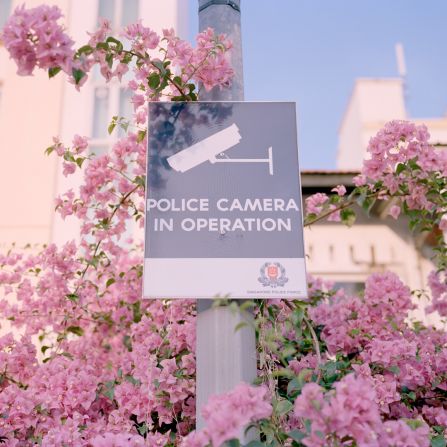
He also looks to nature, frequently picturing the bougainvillea flowers whose bright hue is now known as "Singapore pink."
Nguan
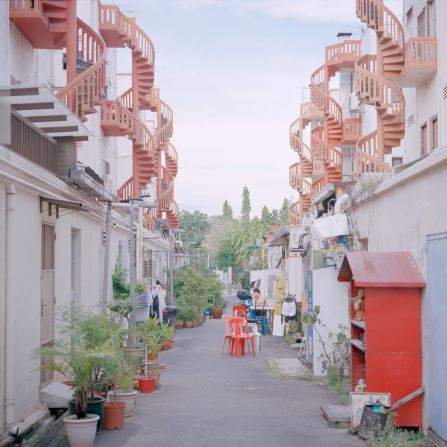
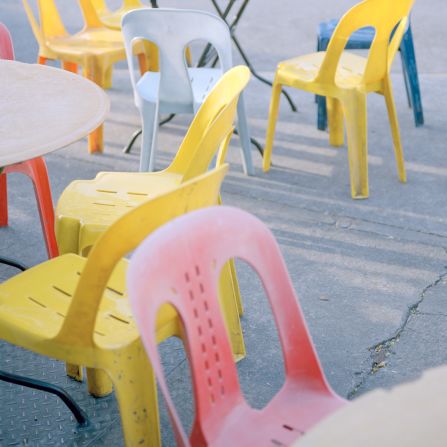
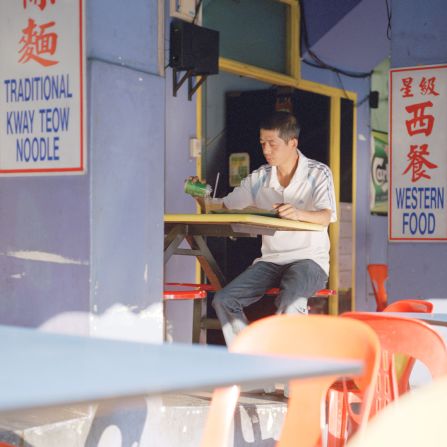
Another recurring motif in Nguan's photos is the colorful plastic chairs commonly seen at hawker centers, religious festivals, weddings and funerals.
Nguan
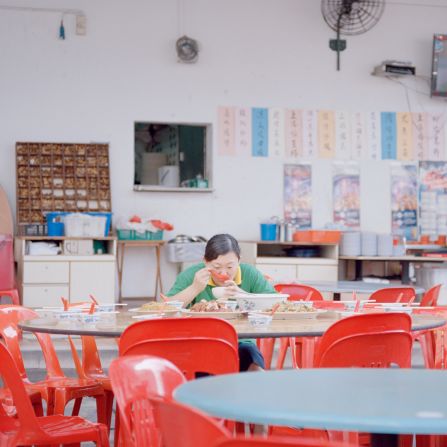
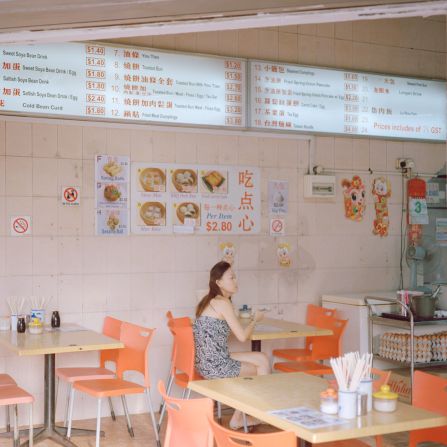
One photo shows a woman eating alone at a hawker center.
Nguan
"The rapid development of the city has led to collective nostalgia among Singaporeans because the country they remember is gone (or) going very quickly," said Nguan.
Nguan
This unease is embodied by Geylang, a notorious red light district where neon-lit brothels stand amid seafood restaurants and Buddhist temples.
Nguan
Yet, this rapidly gentrifying area retains vestiges of the past in the form of shophouses, a style of colonial building found throughout Southeast Asia.
Nguan
"Singapore is a city raised up from jungle and I wanted to show that our true nature cannot be paved," said the photographer. "I think it's how we are -- we are wondering parts and we are restless by nature."