In pictures: The Philippines’ green, disaster-resilient city
Work has begun on a new city in the Philippines that is intended to be pollution-free and resilient to natural disasters.
Courtesy BCDA
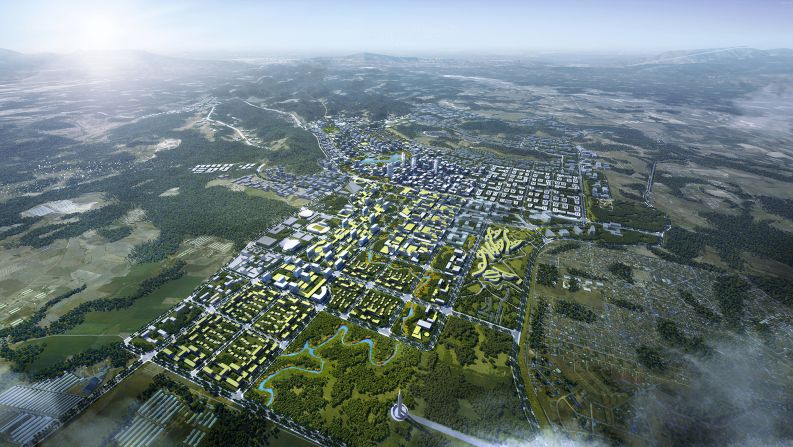
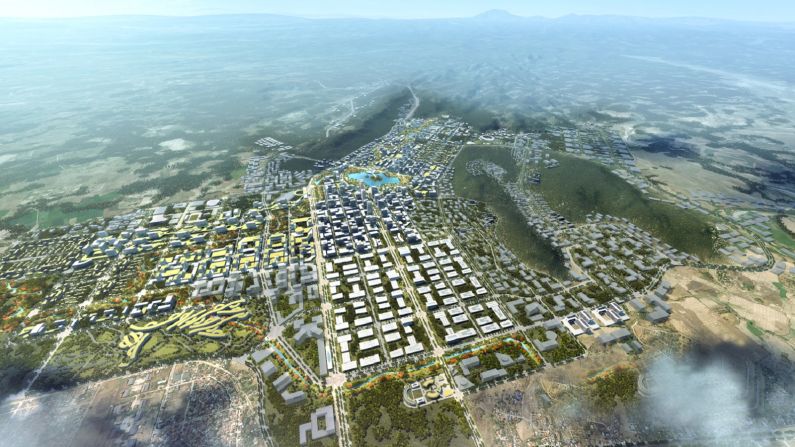
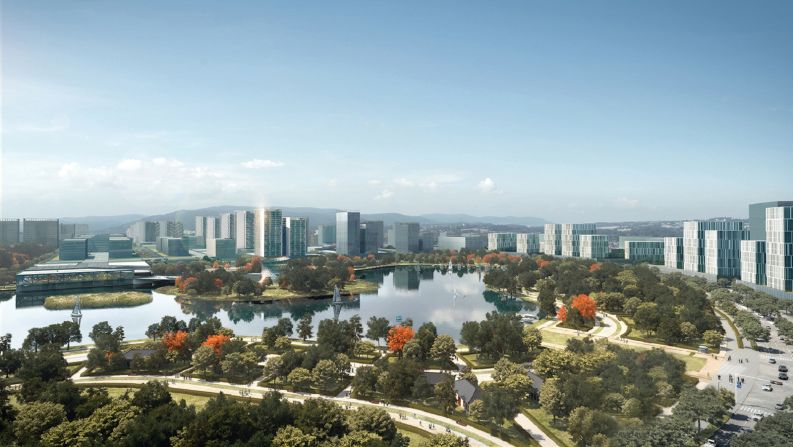
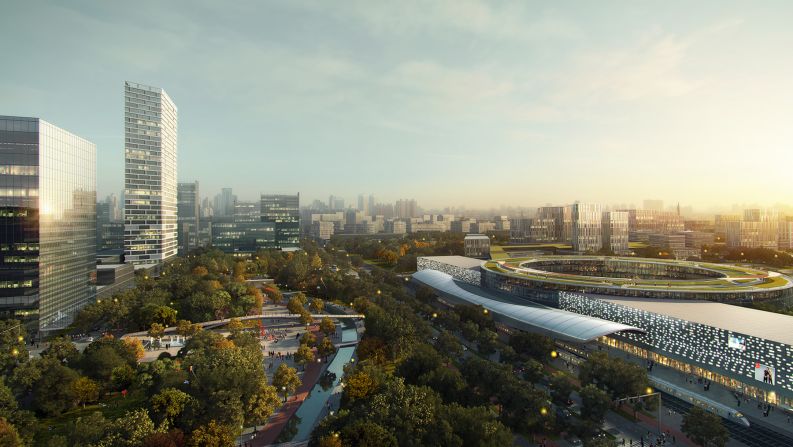
The proposed metropolis is called New Clark City and is located about 100 kilometers north of capital city Manila. Pictured, a rendering of the city.
Courtesy BCDA
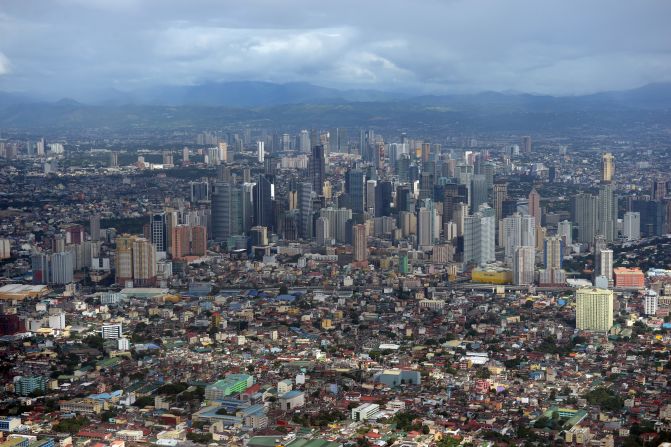
New Clark City is being built as a "back-up" city from where government offices can still function should Manila, pictured, succumb to a natural disaster such as an earthquake.
TED ALJIBE/AFP/AFP/Getty Images
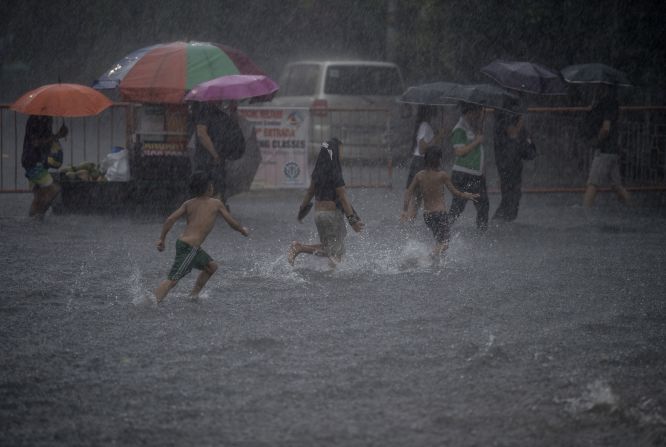
Typhoons and earthquakes are inevitable parts of life for the Philippines, which is located on the Pacific Ring of Fire. Manila is particularly prone to flooding. Pictured, a Manila street flooded after heavy rain in July 2018.
NOEL CELIS/AFP/AFP/Getty Images
The city will cover 9,450-hectares, an area larger than Manhattan.
Courtesy BCDA
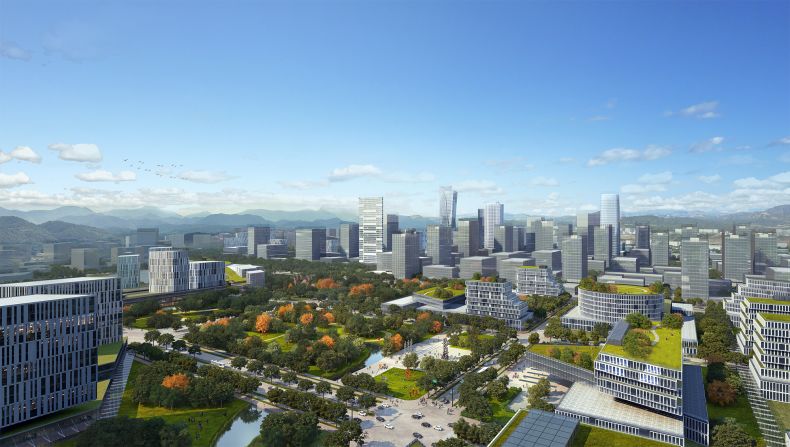
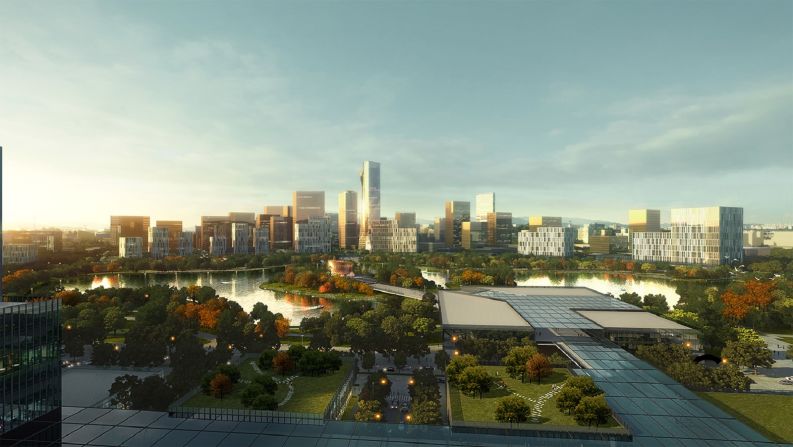
Plans to make New Clark City pollution-free include using greener energy sources, such as solar power, and buildings will be designed to consume little energy.
Courtesy BCDA
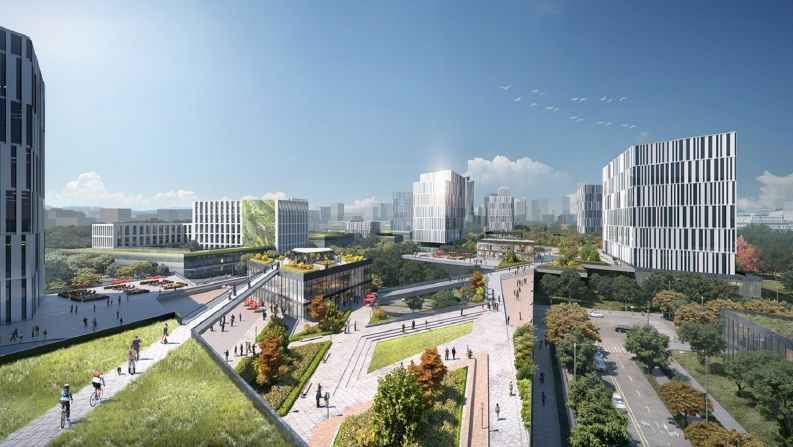
Large areas of New Clark City will be pedestrianized and a river walkway park will connect facilities throughout the city.
Courtesy BCDA
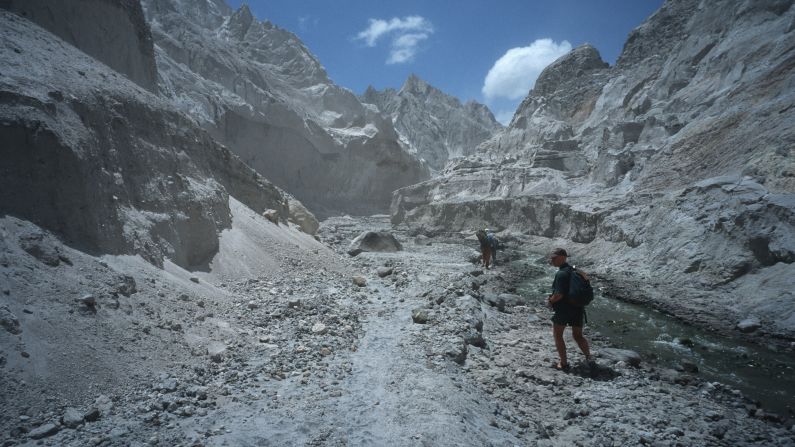
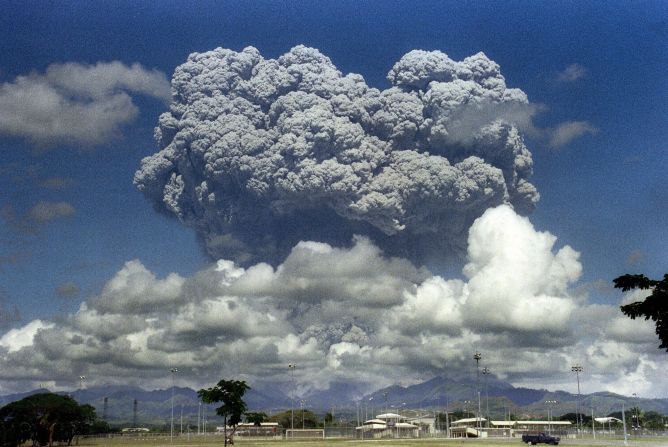
A unique material called lahar will be combined with concrete to build the city's infrastructure. Lahars are violent volcanic mudflows that cascade down volcanoes.
Gerhard Joren/LightRocket via Getty Images
New Clark City is not far from an abundance of solidified lahar left over from the catastrophic Mount Pinatubo volcanic eruption, seen here, in 1991. Experts say another big eruption from this volcano isn't expected for hundreds of years.
ARLAN NAEG/AFP/AFP/Getty Images
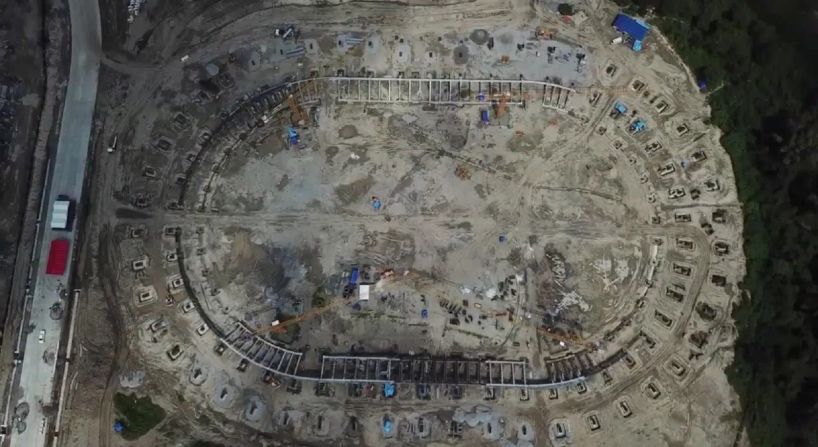
A sports complex and government buildings are expected to be built in time for the Southeast Asian Games, which are being held in the Philippines in December 2019. Pictured, construction of the New Clark City stadium that will be used for the Games.
Courtesy MTD CLARK, Inc.
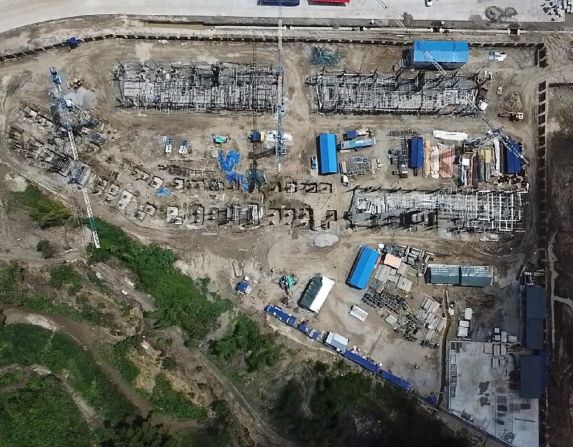
The construction of housing for government employees, pictured, is also underway.
Courtesy MTD CLARK, Inc.
New Clark City is on a higher elevation than Manila, which should make it less vulnerable to flooding, and the developers say it does not have any fault lines close to it.
Courtesy BCDA
The entire project is expected take at least 30 years to finish.