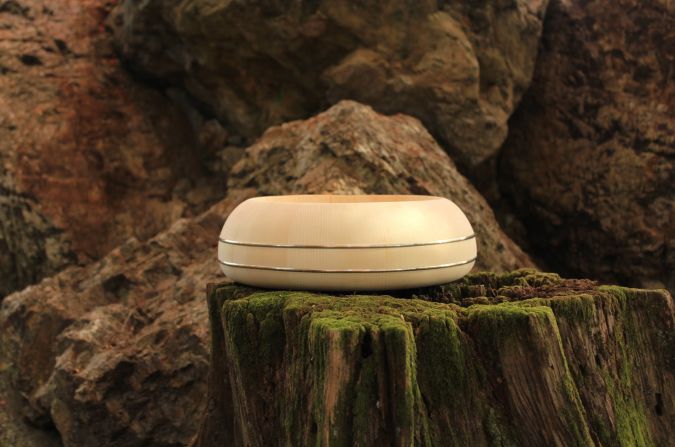
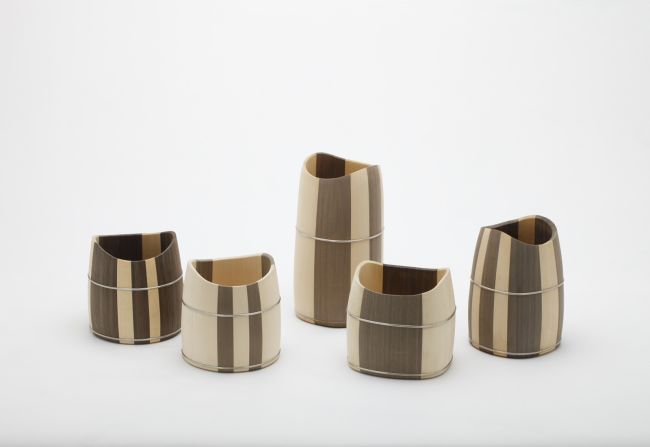
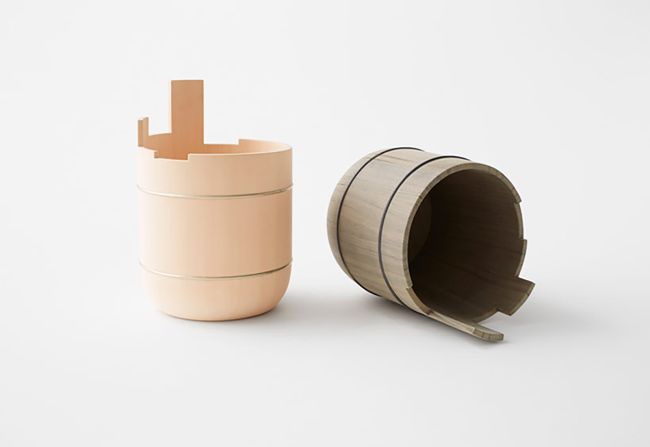
It's hard to imagine the humble bucket being a work of art, but those made by Shuji Nakagawa in his Kyoto studio go for thousands of dollars and have a loyal following.
Nakagawa Mokkouigei
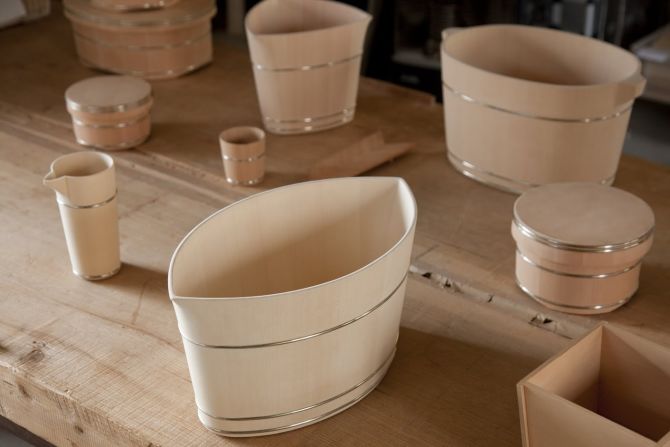
Nakagawa Mokkougei today makes a variety of household objects. "For my father's and grandfather's generations, there was always enough demand for their product so they didn't have to be innovative," he says, but he has had to innovate in design and marketing to keep the traditional skill thriving.
Nakagawa Mokkougei
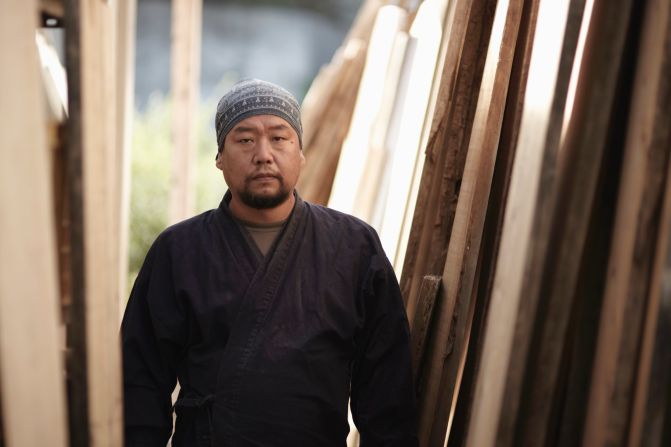
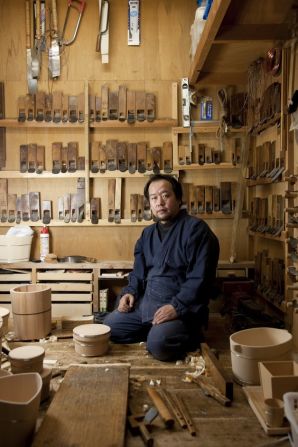
Shuji Nakagawa is a third-generation craftsman and carpenter for Nakagawa Mokkougei, a Kyoto "oke" maker founded by his grandfather, Kameichi Nakagawa.
Nakagawa Mokkougei
Nakagawa was initially resistant to follow his father, but he eventually joined the family business after graduating with a fine arts degree from Kyoto's Seika University.
Nakagawa Mokkougei
In 2003 he opened up his own studio -- still an offshoot of the family firm -- in rural Shiga province, a 90-minute drive from the downtown Kyoto workshop that he grew up in.
Nakagawa Mokkougei
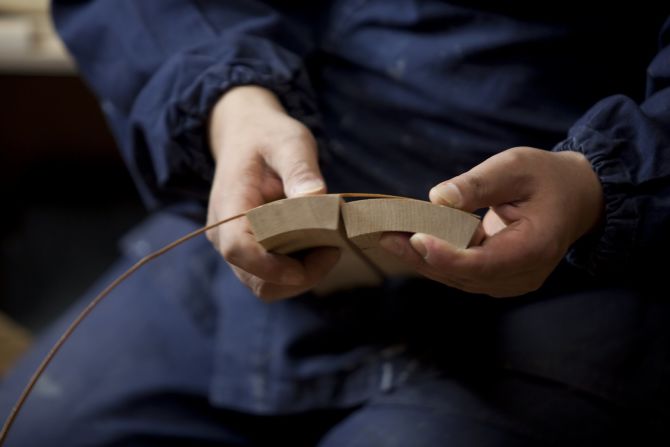
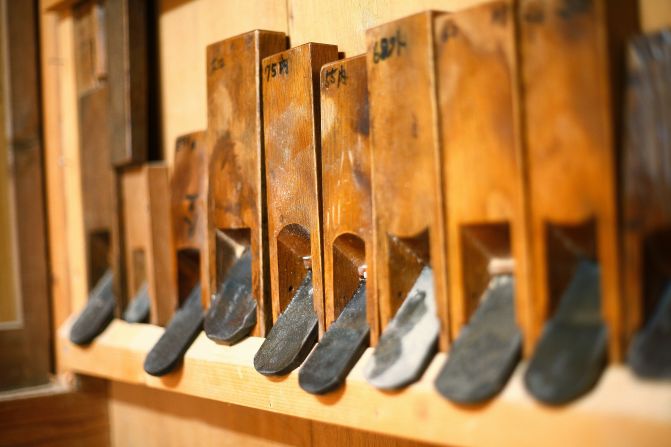
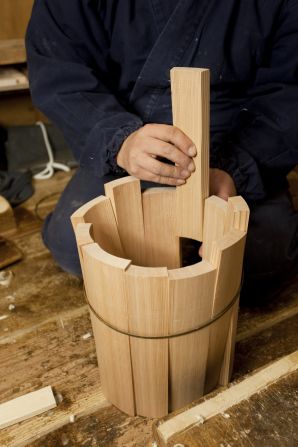
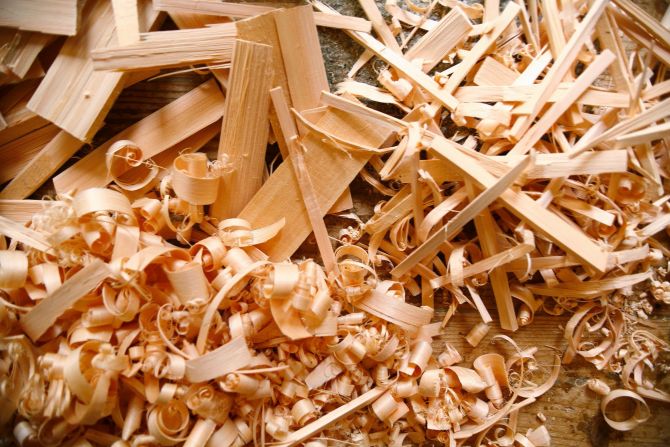
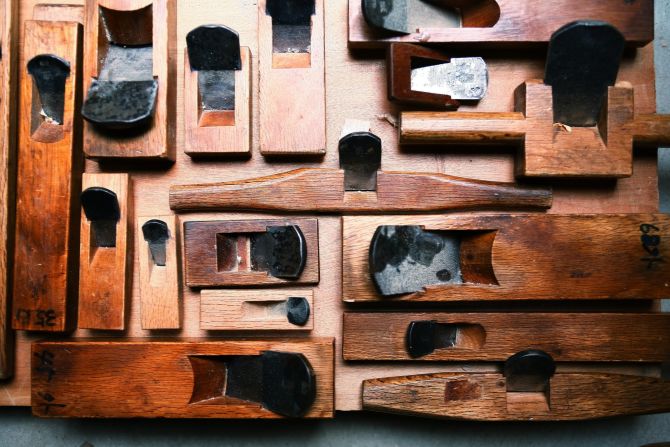
Nakagawa employs 700-year-old carpentry techniques in the making of wooden buckets and other household items.
Nakagawa Mokkougei
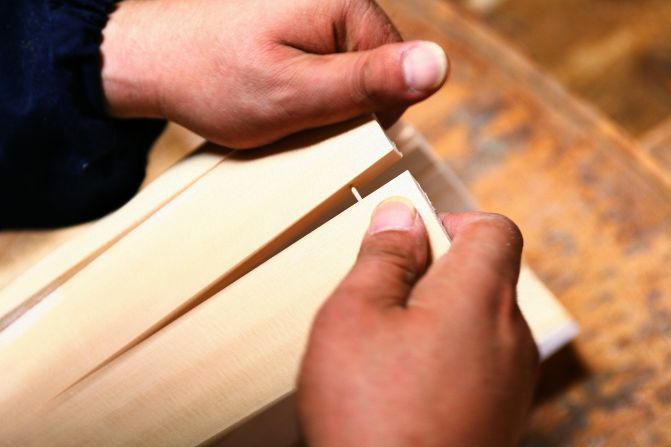
Individual sections of the buckets are joined by "invisible" bamboo nails. The joints are perfect and often hard to distinguish.
Nakagawa Mokkougei
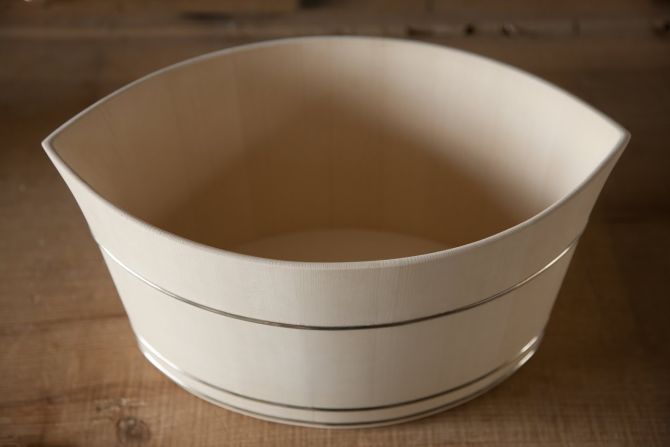
Made from fragrant "hinoki," or Japanese cedar wood, the items are built to last a lifetime.
Nakagawa Mokkougei
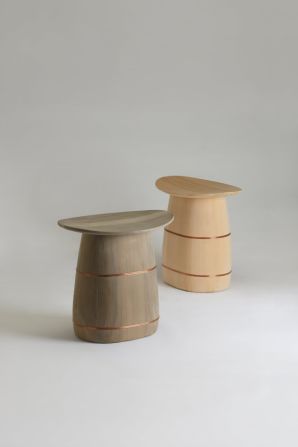
Nakagawa collaborated with Danish design studio OeO to produce these wooden stools, inspired by the lines and craftsmanship of the oke items.
Nakagawa Mokkougei
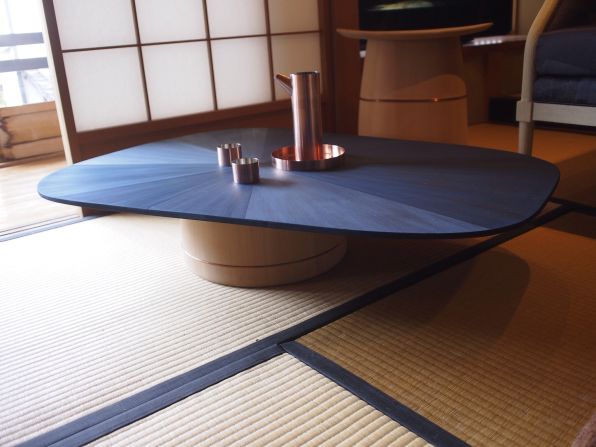
This indigo-dyed table was also designed and built in collaboration with OeO.
Nakagawa Mokkougei
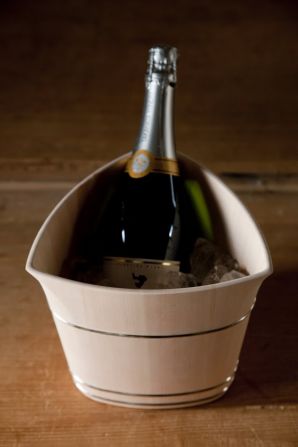
He has also designed and built wooden champagne buckets, including for French house Dom Perignon.
Nakagawa Mokkougei
He's a member of a project called GO ON, where he's worked on conceptual pieces based on the theme of "home electric appliances of the future" in collaboration with Panasonic. The works will be presented to the public in April.
Nakagawa Mokkougei
The level of craftsmanship, honed over a century of teaching, is incredibly high. His father, Kiyotsugu Nakagawa, who taught him his skills, was honored as a "national living treasure" in 2001 for preserving "important intangible cultural properties."
Nakagawa Mokkougei
"What is unique about it is that we're all the younger generation -- mostly in our 30s and 40s," he says.
Nakagawa Mokkougei
"When we got together we realized we had our own unique issues selling products that we can work together to solve. This isn't like an old-style guild, we're all working in different media so it's truly a cross-genre group."
Nakagawa Mokkougei
He says that attitudes towards traditional crafts in Japan have changed since his father first worked with his grandfather at Nakagawa Mokkougei -- nowadays the keenest interest comes from distant shores.
Nakagawa Mokkougei
"If we go overseas people tend to look at what we do as a creative business and think of it as a very positive thing."
Nakagawa Mokkougei
"I'm willing to take on new apprentices and staff. Increasing the number of people who know how to make ki-oke is what we should be doing."