Designing ‘Utopia’: London Design Biennale 2016 | CNN
Thank You!
Your effort and contribution in providing this feedback is much
appreciated.
Close
Ad Feedback
Designing ‘Utopia’: London Design Biennale 2016
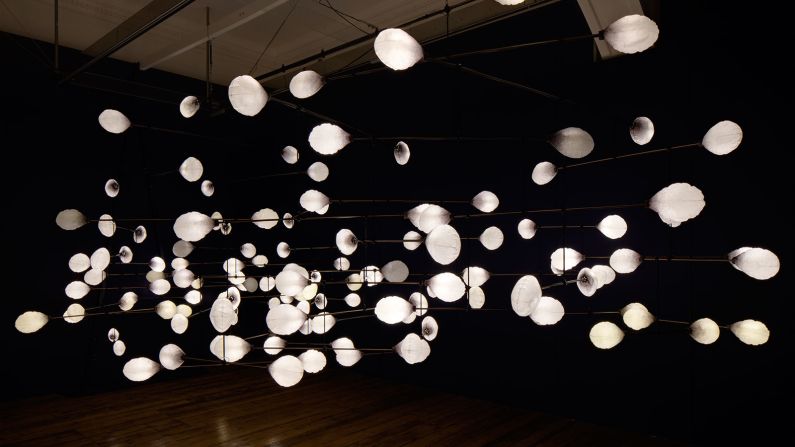
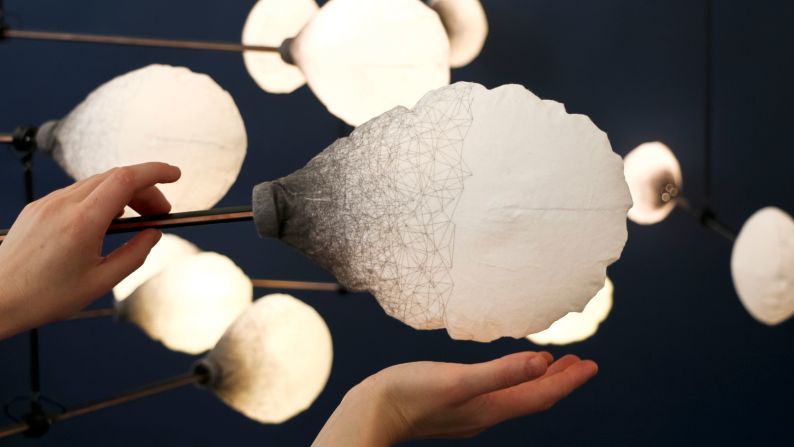
The Vienna-based design studio mischer'traxler (Katharina Mischer and Thomas Traxler) created a kinetic light installation, LeveL: the fragile balance of utopia, which is fully illuminated when still, and dims with movement.
Ed Reeve
Made from a network of metal rods with LED lights at each end, which are covered in hand-sewn paper-shades, LeveL functions as a room-sized mobile, responding to movements from human interaction.
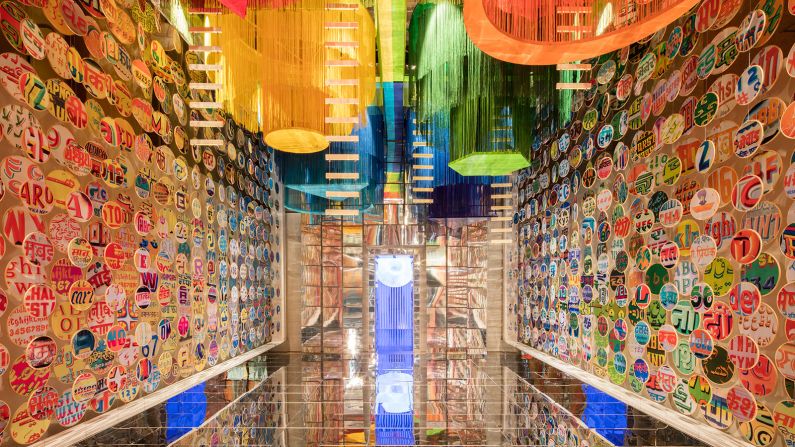
India's "Chakraview" installation combined hanging textiles, fabric medallion curtains, a mirror-tiled floor, and a multimedia broadcast to striking effect.
ed reeve
The bright, eclectic showcase by the New Delhi-based artist and scenographer, Sumant Jayakrishnan, was intended to convey a message of "multiple utopias" linking India's past, present, and future.
Ed Reeve
A contemporary interpretation of an Anatolian tradition where wishes are tied to the branches of trees, Turkey's installation was conceived in response to the European refugee crisis as a symbol of hope, and a more positive future.
Ed Reeve
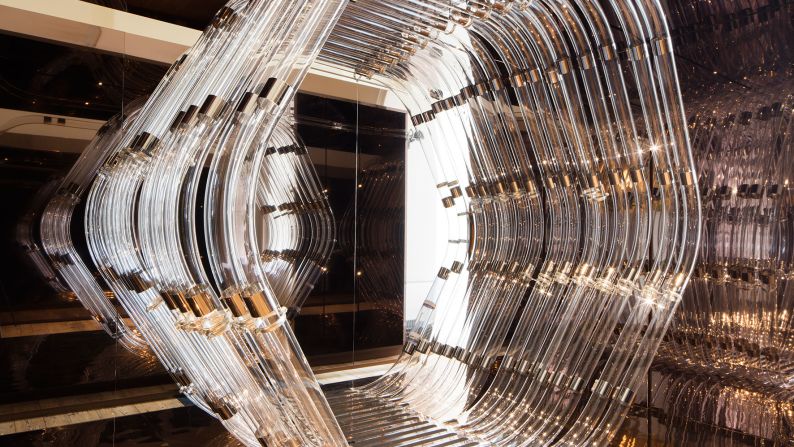
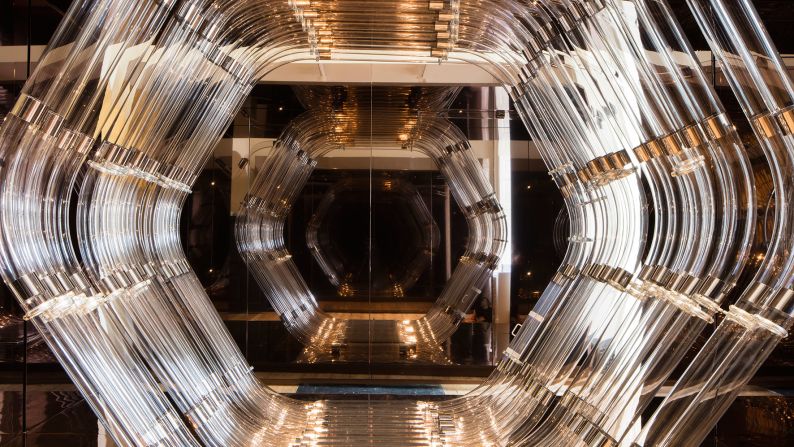
"The Wish Machine" by the Istanbul-based multidisciplinary design studio Autoban, is a pneumatic messaging system that sends capsules with hand written notes through a series of plastic tubes to an undisclosed location.
ed reeve
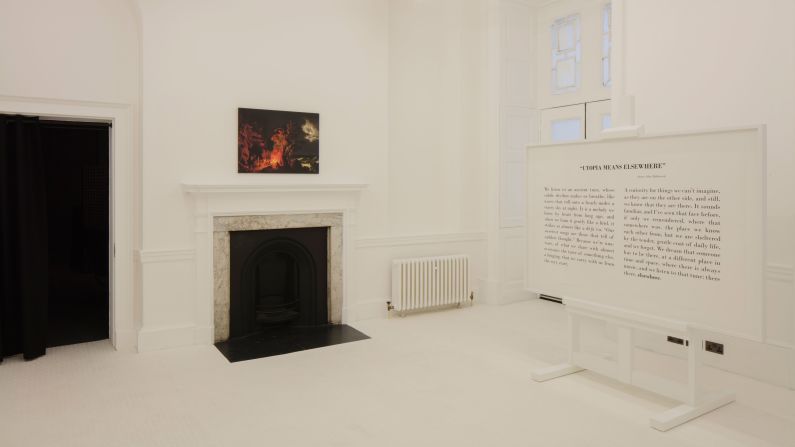
Germany's installation by designers Konstantin Gric and Olivia Herms, takes the shape of two opposing rooms: the first is a simply outfitted, bright white space showcasing the John Malchovich quote "Utopia means elsewhere".
Ed Reeve
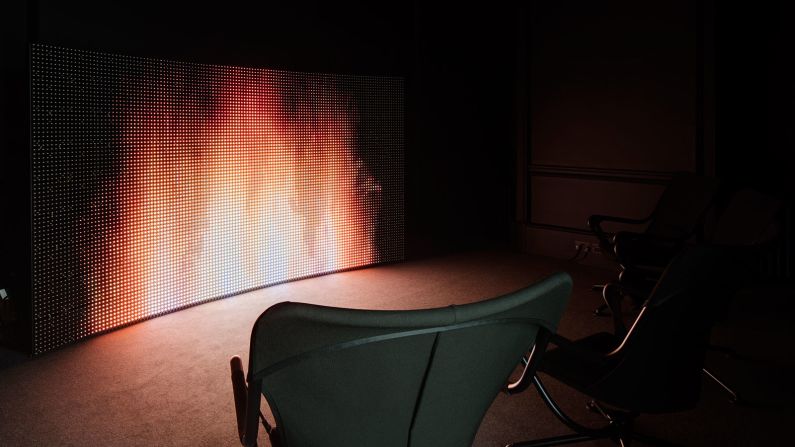
The second part of Germany's entry is a black-box room with a digital fireplace and comfy seating, encouraging visitors to sit back and reflect on their personal interpretation of utopia.
Ed Reeve
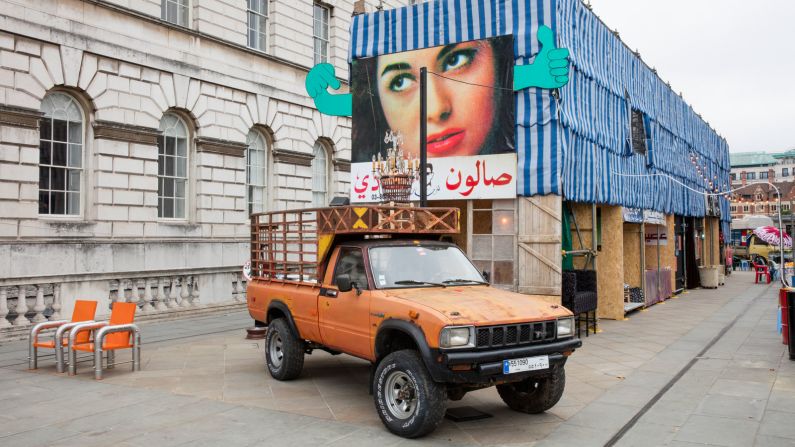
London-based architect and designer Annabel Karim Kassar was behind the Lebanese entry to the Biennale. In collaboration with an extensive design team, she recreated Beirut's bustling street-life wish an interactive installation featuring a falafel vendor, a mattress maker, a juice vendor, and even a barber, amongst other stalls.
ed reeve
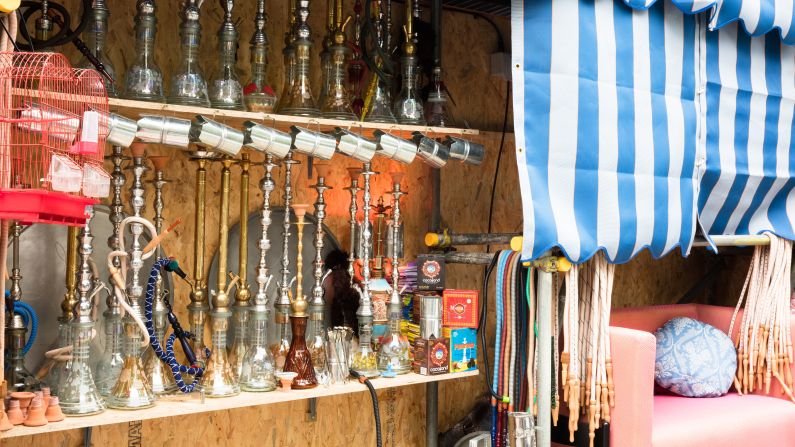
One section of the bazar featured houkas and an assortment colorful rifraf in a nod to the vibrancy and eclecticism of the Beirut souks, which Karim Kassar, in fact, redesigned in the mid 1990's.
Ed-Reeve
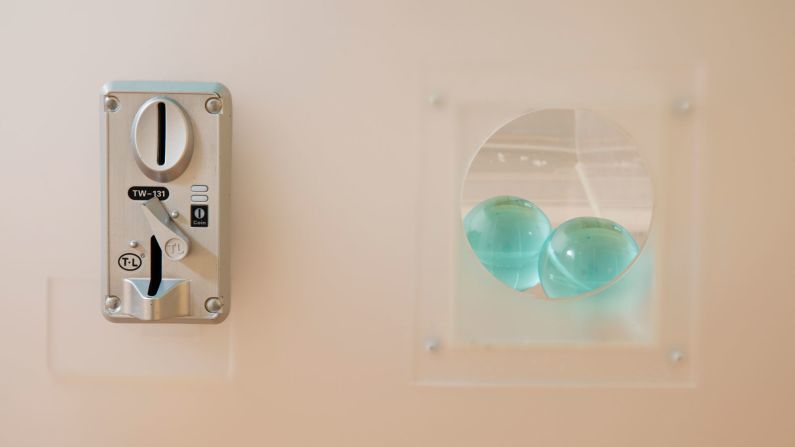
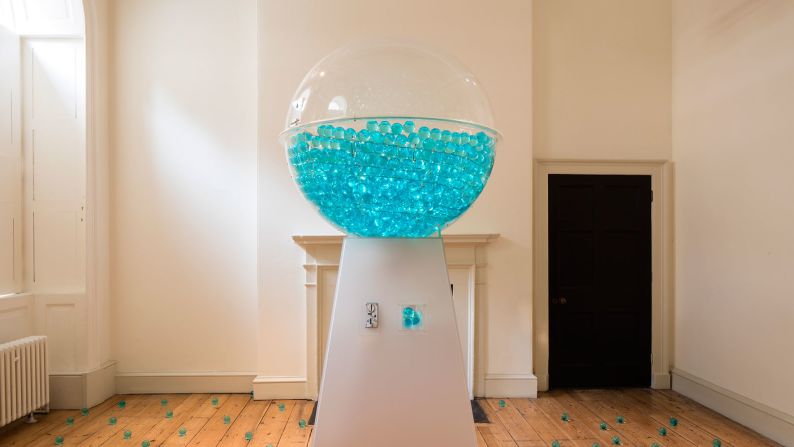
Saudi sisters Basma and Noura Bouzo are the duo behind "The Water Machine" -- an outsize gumball machine that dispenses blue acrylic spheres, meant to symbolize water.
Ed Reeve
Intended to draw attention to the scarcity of water as a resource, the project invites visitors to take away one of the blue balls as a memento, or a reminder, to be a more responsible consumer of water, and beyond.