Your effort and contribution in providing this feedback is much
appreciated.
Close
Ad Feedback
Remnants of separation
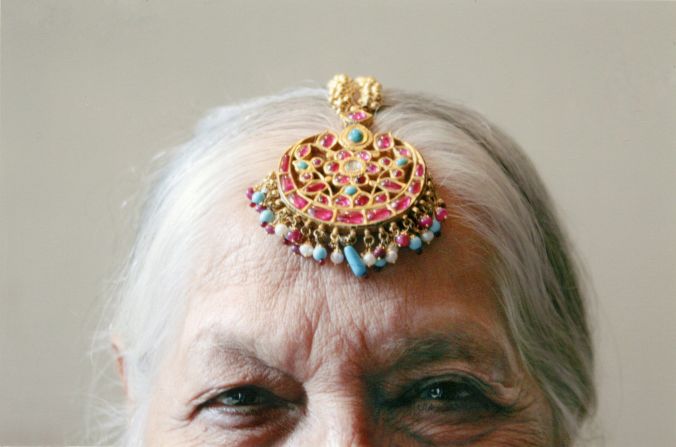
An ornamental head piece carried from Dera Ismail Khan, in modern-day Pakistan, to Delhi. Its owner brought the jewelry across the border in the hope of selling it to help feed and educate her children.
aanchal malhotra
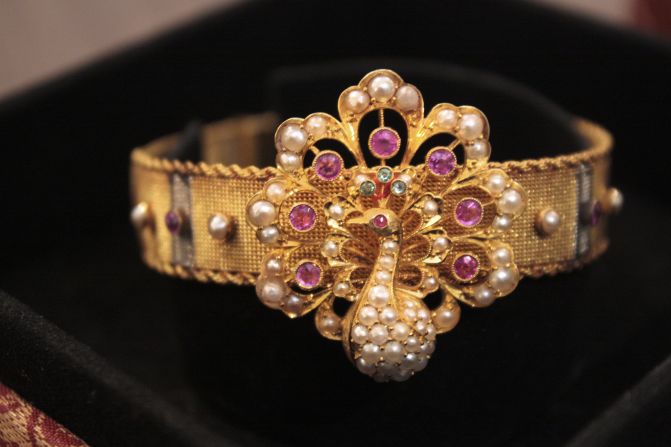
A peacock shaped bracelet that Amrit Vij and Rajni Malhotra bought from an Englishman in Lahore in 1933. It traveled to Delhi with its owners in 1947.
aanchal malhotra
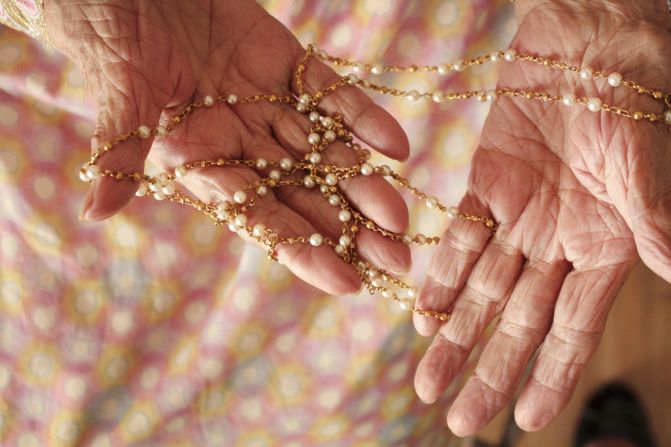
A string of rare Basra Pearls given to Azra Haq, then 16, by the Maharaja of Bikaner in 1941. She brought it from Dalhousie to Lahore after the Partition of India.
aanchal malhotra
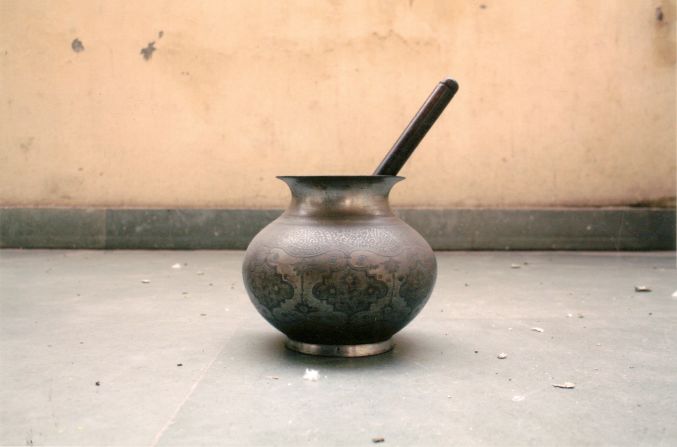
Used to make the popular drink Lassi, this item was carried from Lahore to Amritsar and finally to Delhi.
aanchal malhotra
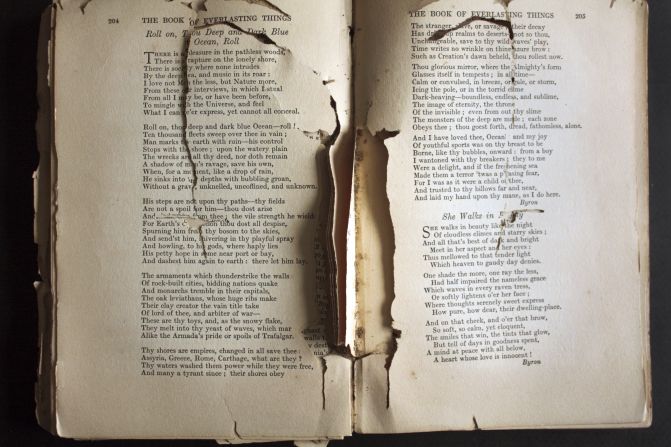
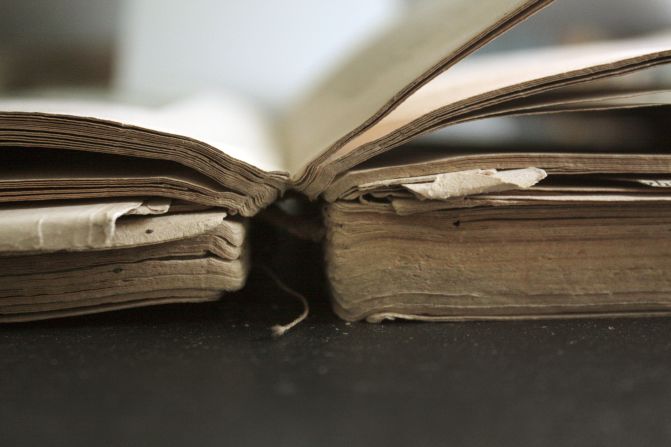
Calcutta-born professor Partha Mitter managed to save this book after a mob of men ransacked his family's home during the Great Calcutta Killings of 1946 -- a day of rioting and violence between Hindus and Muslims.
aanchal malhotra
Mitter was able to save this copy of "The Book of Everlasting Things," even though the mob destroyed his father's library. He says that the book is forever imbued with the violence it witnessed.
aanchal malhotra
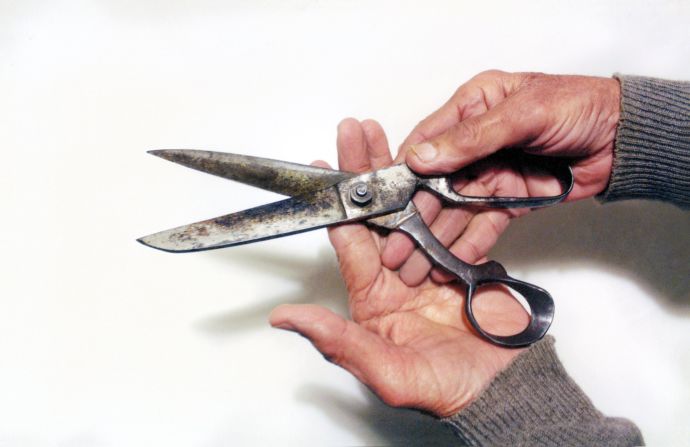
A pair of tailor scissors that also made the trip with Kohli to Delhi.
aanchal malhotra
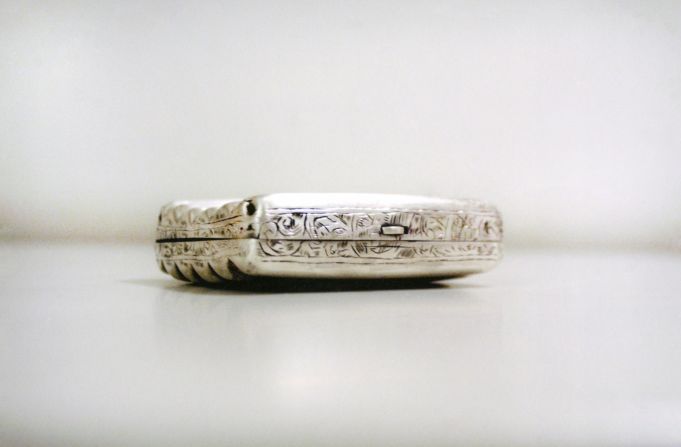
A silver cigarette case carried to Delhi by a young migrant, Sat Pal Kohli.
aanchal malhotra
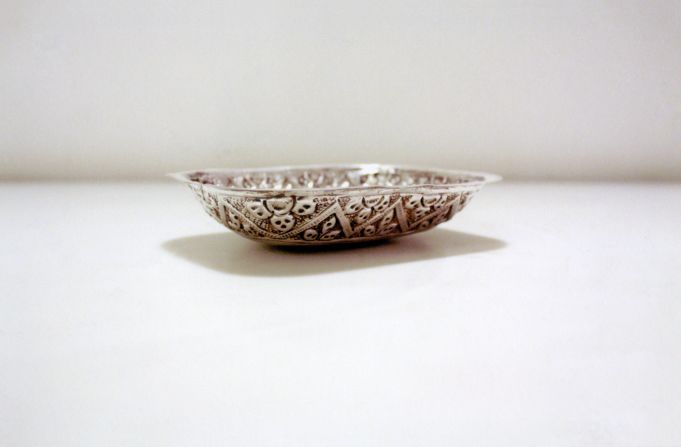
Kohli says that his house was one of only ten Hindu homes in a predominantly Muslim neighborhood. As Partition riots broke out, his family fled with the few possessions they could carry, including this silver soap dish.
aanchal malhotra
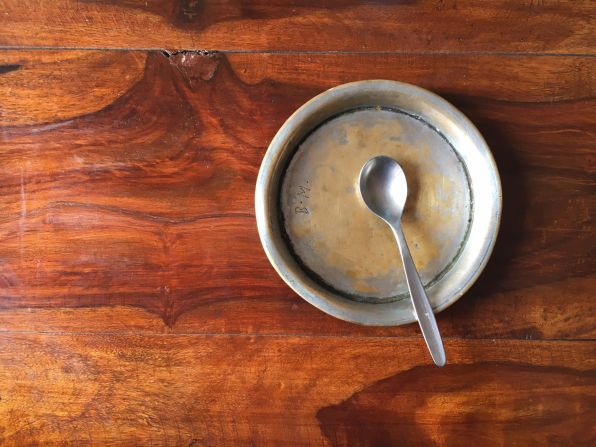
Utensils that were used in a refugee camp before being carried by their owner to Amritsar and, finally, Delhi.
aanchal malhotra
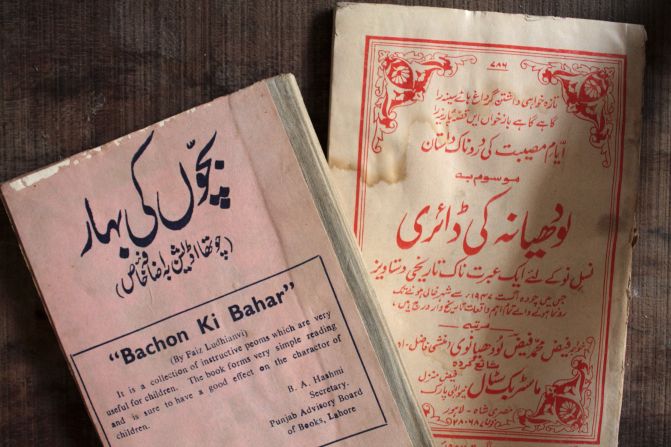
Publisher Fayyaz Faza carried his books from Ludhiana, where they had been printed, to Lahore, about 100 miles across the border.
aanchal malhotra
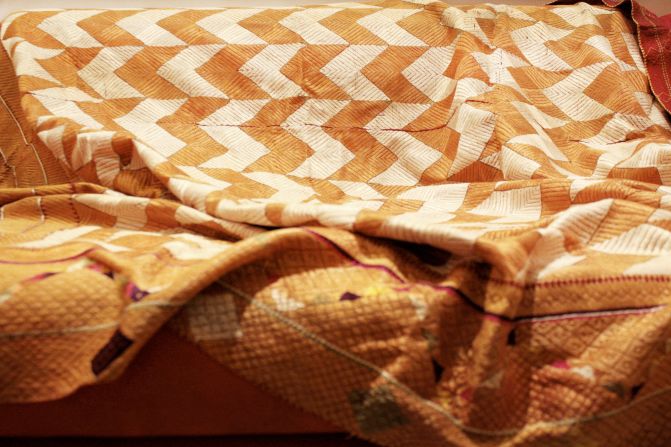
A 1930s phulkari baagh (a type of shawl) that had been given to Hansla Chowdhary's daughter for her wedding. She took it with her as she left her home, hoping to pass it down to the women of her family.
aanchal malhotra
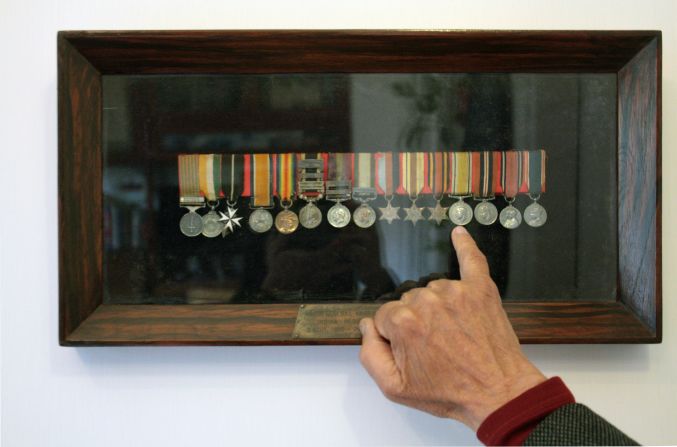
Army medals carried from Rawalpindi to Himachal Pradesh in November 1947.
aanchal malhotra
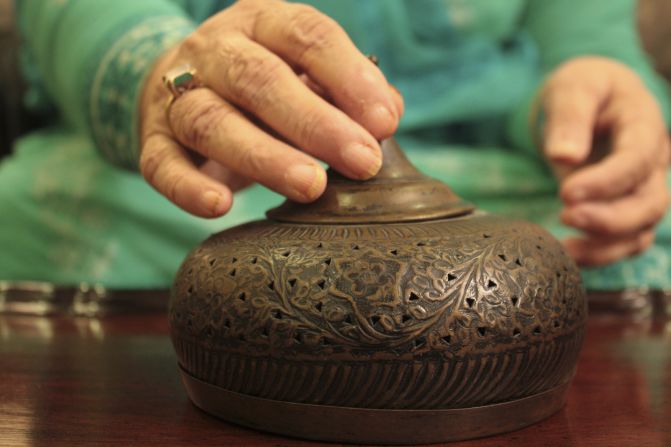
A khaas daan is a utensil used to store paan, a natural digestive made from betel leaves. Narjis Khatun carried one across the border from Patiala to Alipur after the Partition.
aanchal malhotra
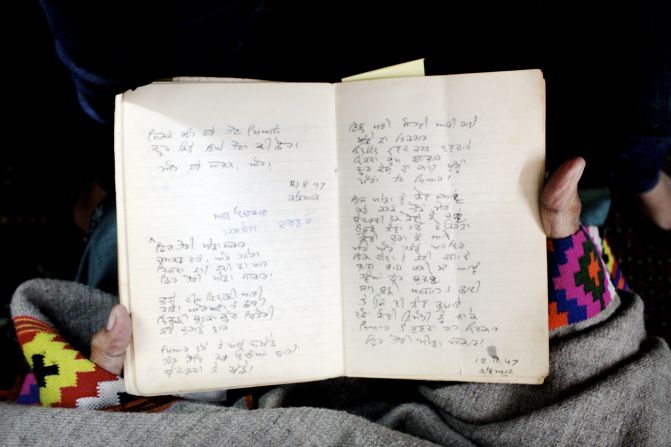
A notebook in which a young woman, Prabhjot Kaur, wrote poetry during the early days of Indian independence. The page pictured features a poem written in Gurmukhi in August 1947.
aanchal malhotra
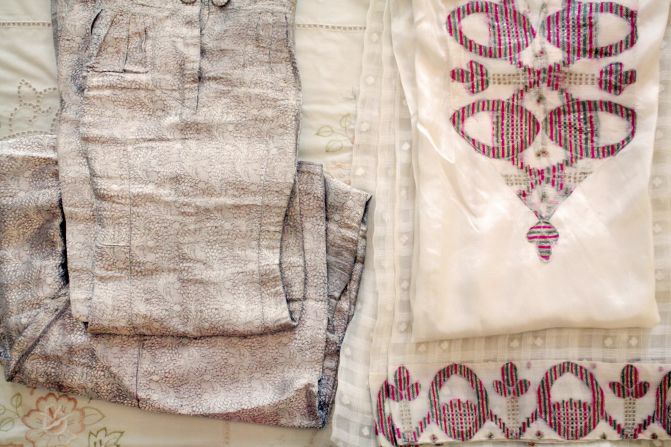
Ornate gold and silver threads that have been in Sitara Fiaz Ali's family for generations. Since accompanying the family as they migrated, the threads have been used to sew new clothes.
aanchal malhotra
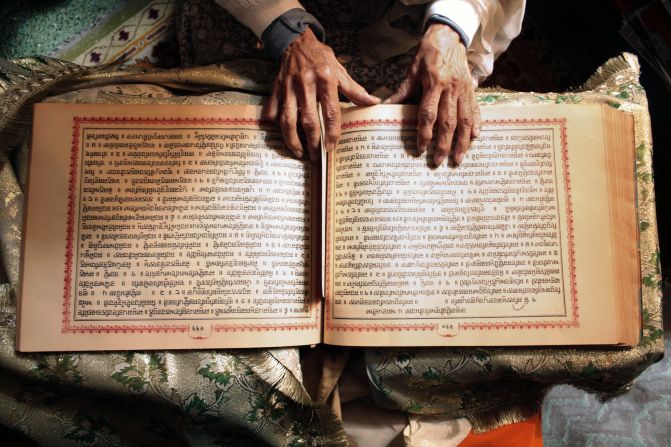
A copy of the Guru Granth Sahib brought from Rawalpindi to Shimla one month after the Partition.