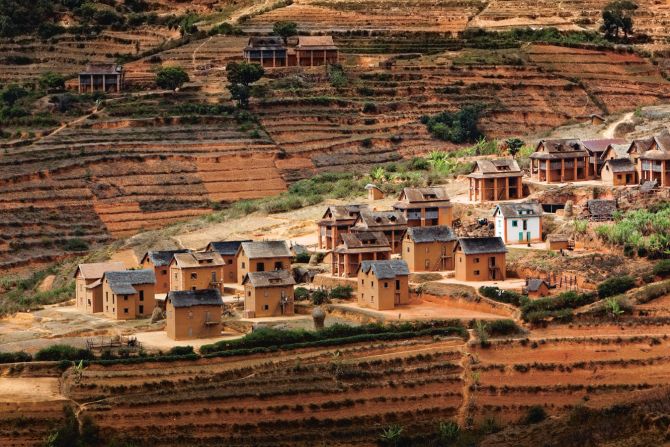
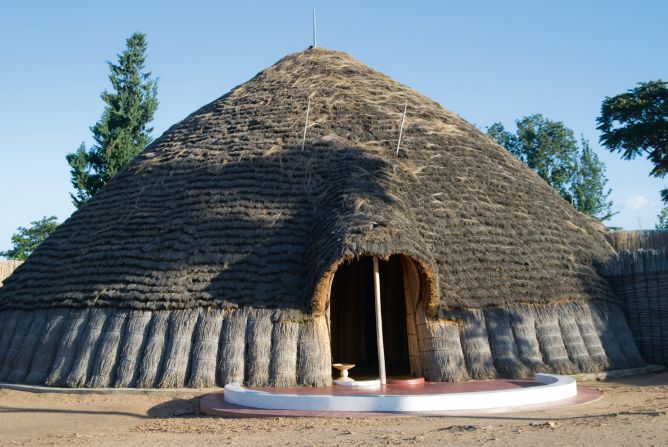
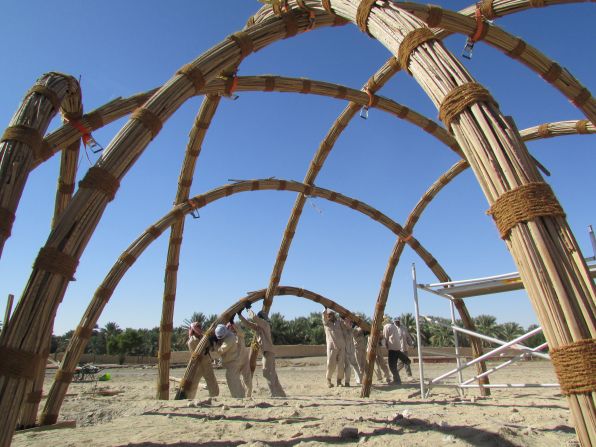
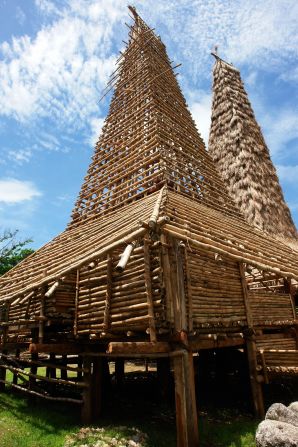
Traditional houses on the Indonesian island of Sumba in eastern Indonesia. This photo was taken before the thatch is added to the exterior, offering a look at the building's bamboo structure.
Justin Coupertino Umbu, January 2014
India —
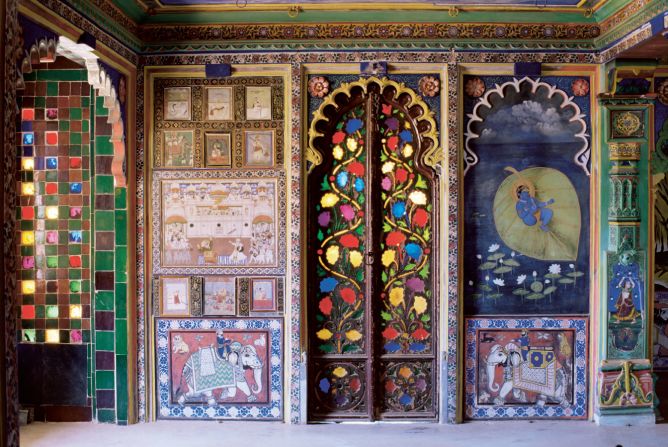
Local materials -- such as those used in the Juna Mahal Palace in Rajasthan -- can reflect a culture's identity and traditions.
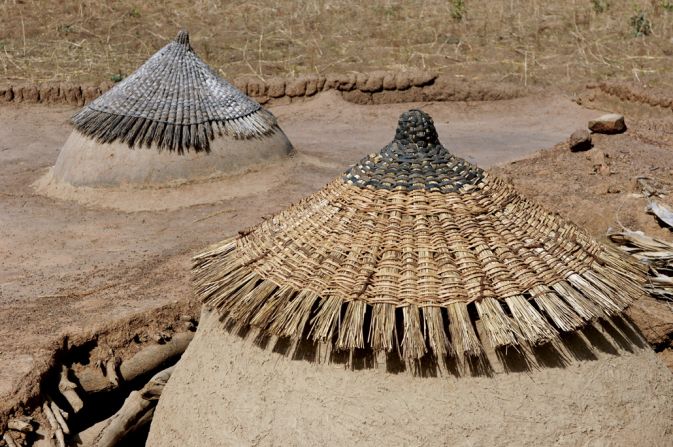
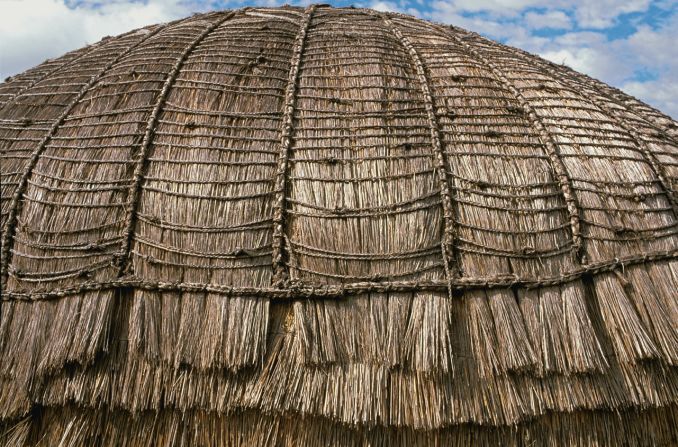
Traditional "beehive" Zulu homes are made from varieties of dried grass. The materials shrink in the summer, creating small gaps and allowing cooling air to pass through the structure.
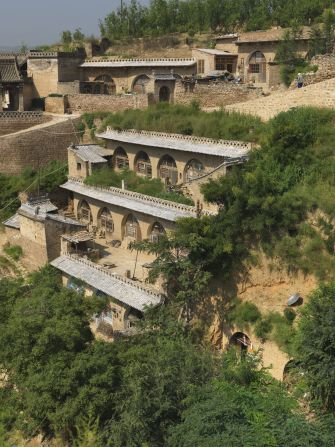
Carved into the hillside, cave houses in rural China are designed to remain cool in the summer.
Zengzong Ma
China —
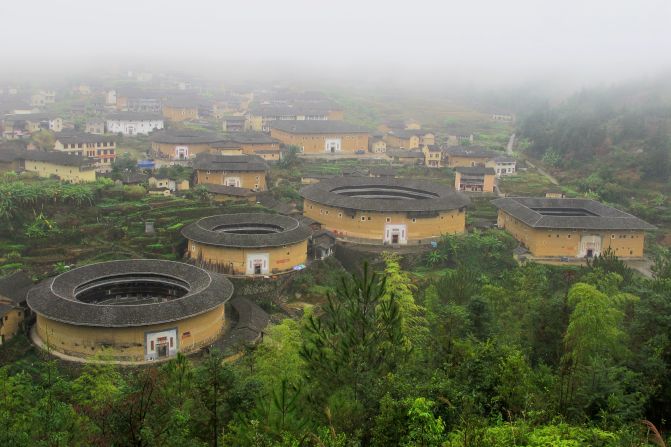
Circular tulou buildings are designed to offer protection from the monsoon rains of southern China.
Yuanhang Luo
Japan —
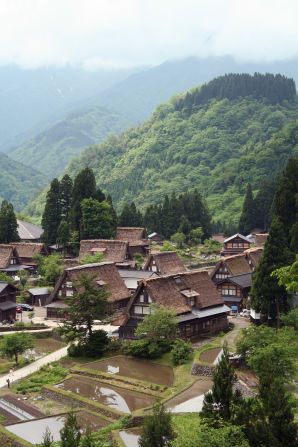
Japan's minka houses feature steep thatched roofs and projecting eaves. Found throughout the country, the exact style of minka buildings depends on the local climate and the status of their owner.
Professor Don Choi
Japan —
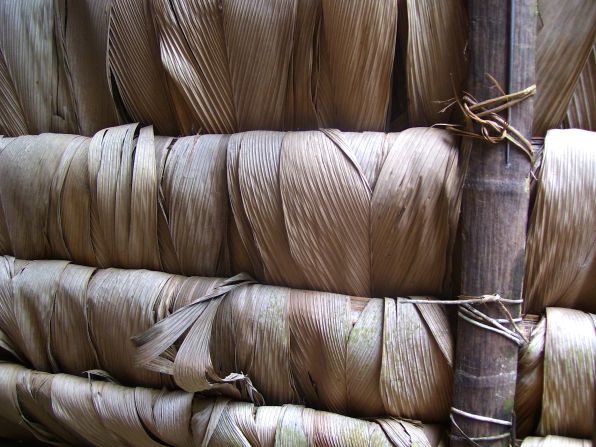
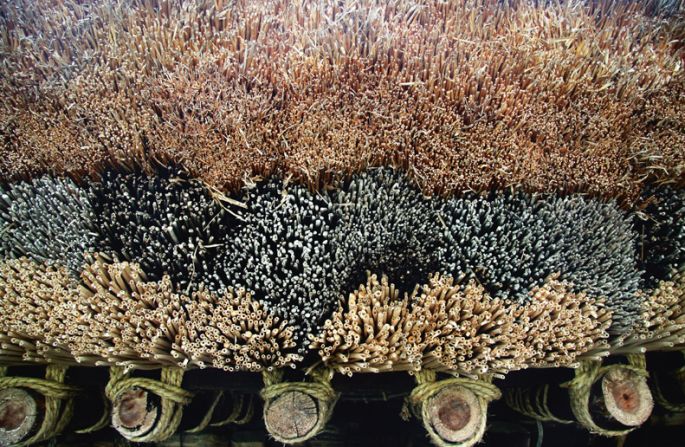
Roof joints of minka houses are constructing using dense arrangements of natural chords made from materials like vine, straw and bark.
Courtesy Professor Don Choi
Morocco —
In a modern example of vernacular architecture, architect Driss Kettani found ways to incorporate the ancient architectural traditions of Morocco into his designs for the Technology School of Guelmim. Large north-facing windows (and small south-facing ones) reduce the amount of direct sunlight entering the school, while ensuring that classrooms get enough natural light.
Photography Fernando Guerra -- FG+SG
United Kingdom —
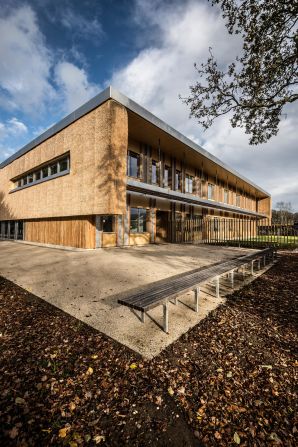
The Enterprise Centre, a campus building at the University of East Anglia, was designed using a variety of materials sourced and tested fewer than 50 kilometers (31 miles) from the site.
Darren Carter, Morgan Sindall
China —
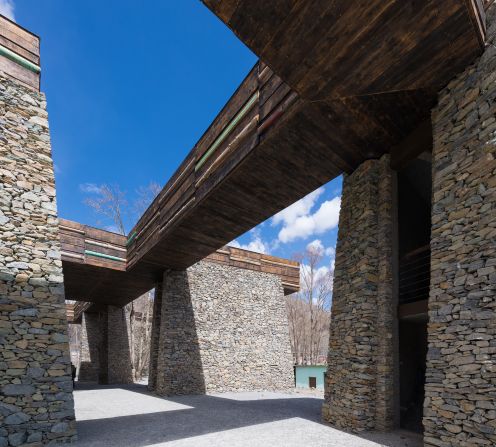
Found in China's Qinghai province,the Jianamani Visitor Center uses a type of rock used to make Mani stones -- sacred items in Tibetan Buddhism.
Featuring dozens of case studies from five climate zones, "Habitat: Vernacular Architecture for a Changing Planet" aims to highlight lessons that can be learned from traditional forms of architecture.