Your effort and contribution in providing this feedback is much
appreciated.
Close
Ad Feedback
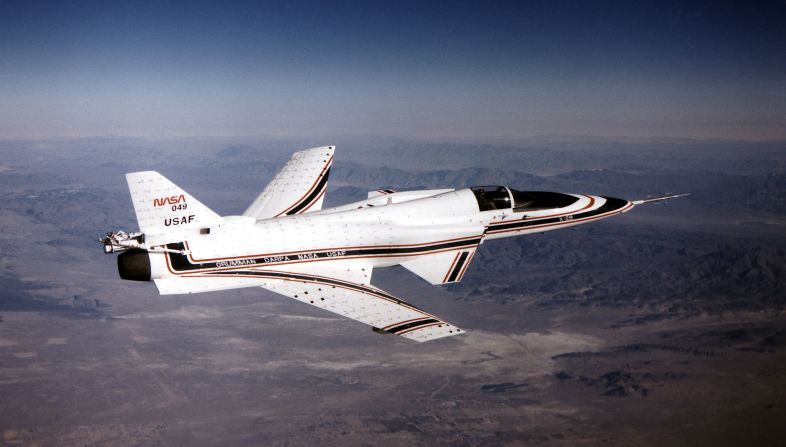
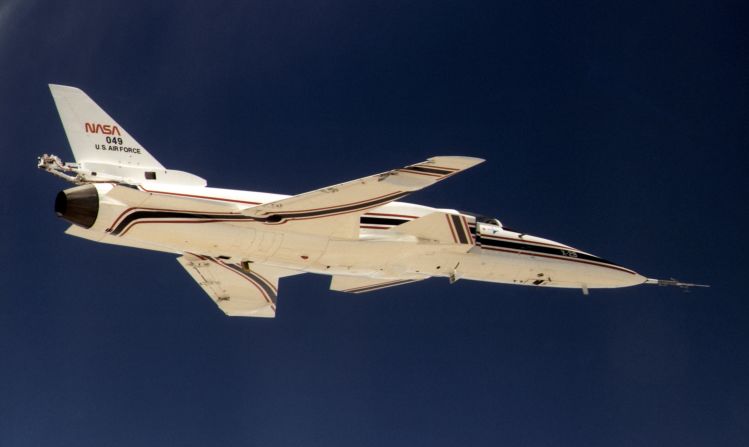
Grumman x-29
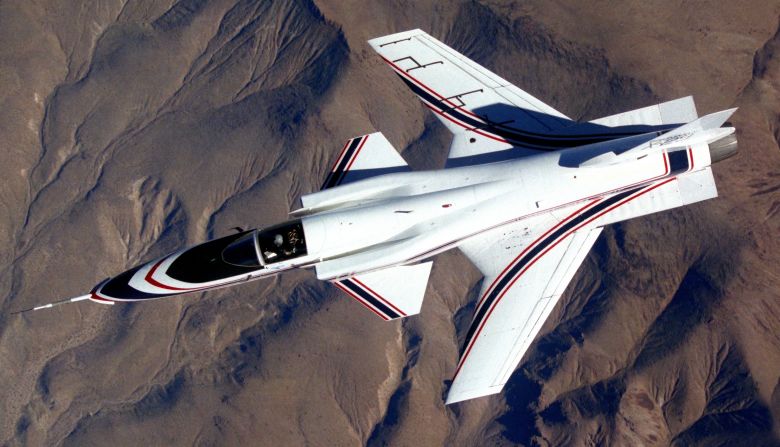
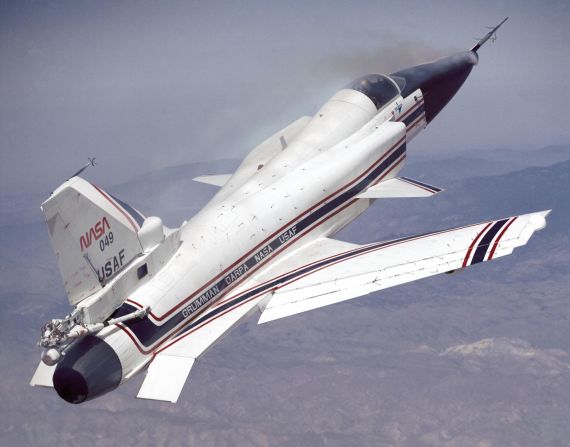
Among the unorthodox features of the X-29's design were its canards -- horizontal surfaces used to make the plane's nose go up or down -- which were in front of the main wings rather than on the tail like conventional fighters.
NASA/Larry Sammons
The X-29's maiden flight took place on Dec.14, 1984.
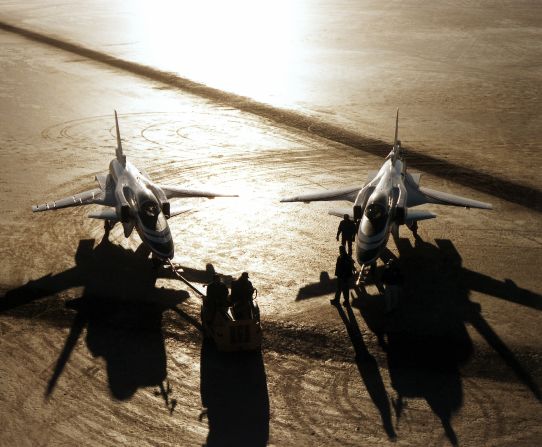
Throughout their flight history, the two X-29 aircraft were flown in 422 research missions and a total of 436 missions.
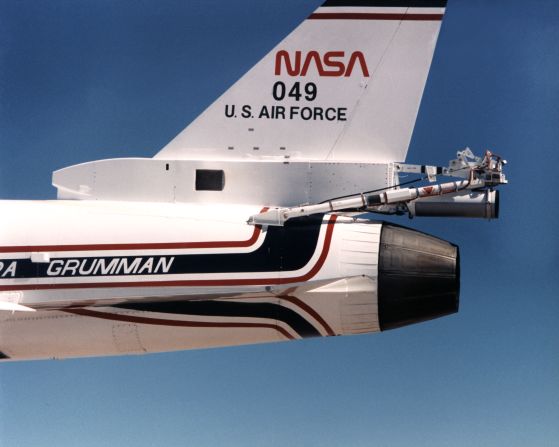
One of the two X-29 planes was equipped with a safety parachute system that would engage in case the plane started spinning.
NASA/Larry Sammons
The X-29 during a 1991 research flight. Smoke generators in the nose of the aircraft were used to help researchers see the behavior of the air flowing over the aircraft.
NASA
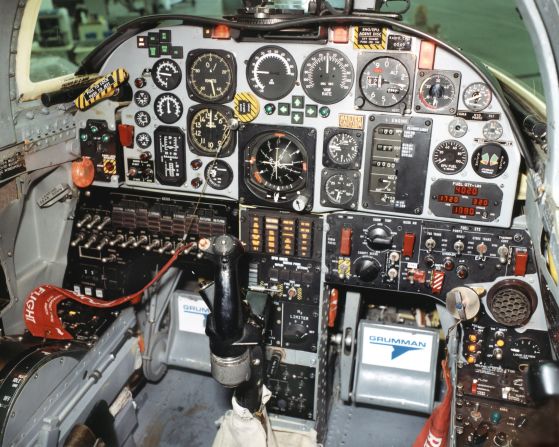
The X-29's cockpit.
The original proposal for the plane came in 1977 from the Defense Advanced Research Projects Agency (DARPA) and the U.S. Air Force Flight Dynamics Laboratory (now the Air Force Research Laboratory or AFRL).
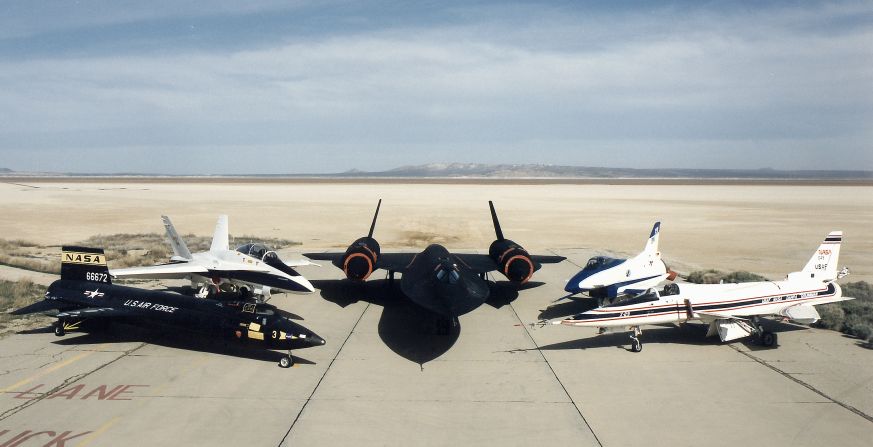
Group photo of NASA research aircraft Left to right: mock-up of X-15, F-18B, SR-71A, X-31, and X-29.