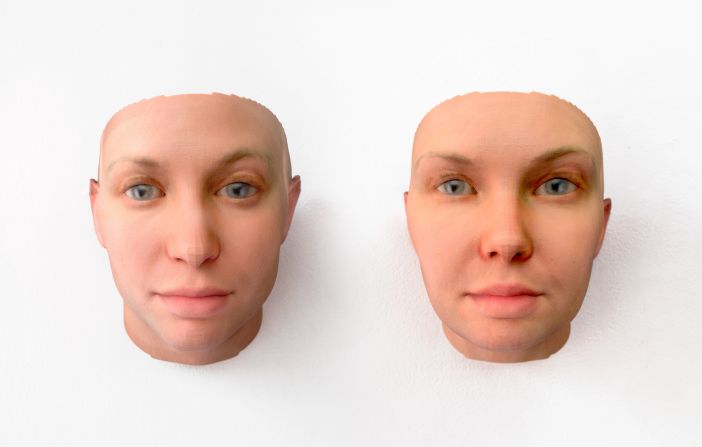
CNN Style has selected 12 interesting objects from the 100 presented in the exhibition. This "DNA portrait" depicts Chelsea Manning, the military whistleblower and trans activist, created by artist Heather Dewey-Hagborg from swabs of Manning's DNA taken while she was in prison. The technology behind it aims to create portraits of crime suspects from DNA, but the techniques have opened up questions about how far our DNA and outward appearance are necessarily linked.
Heather Dewey-Hagborg andFridman Gallery, New York City
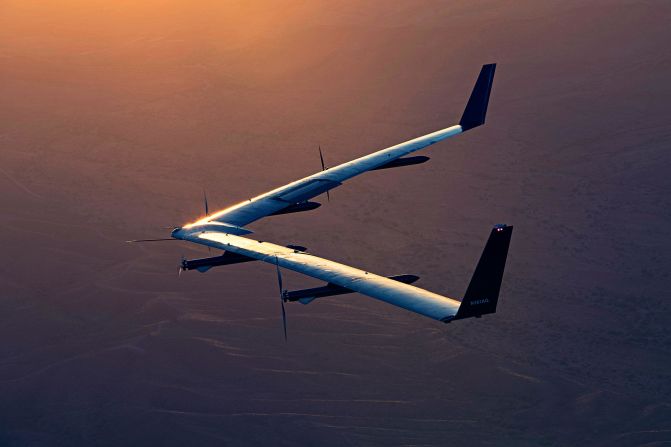
Facebook "Aquila" —
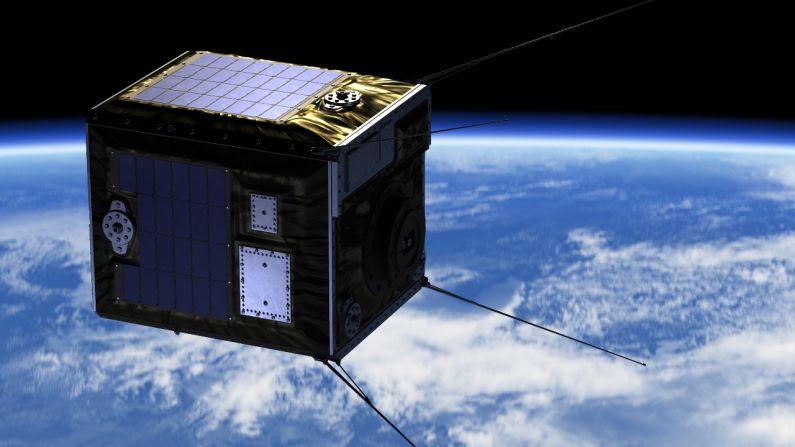
Facebook plans to launch its 140-foot wide unmanned drone to provide internet to unconnected areas of the world. But, if these become ubiquitous, what will it mean for online freedom when one site owns the infrastructure of your internet?
Facebook
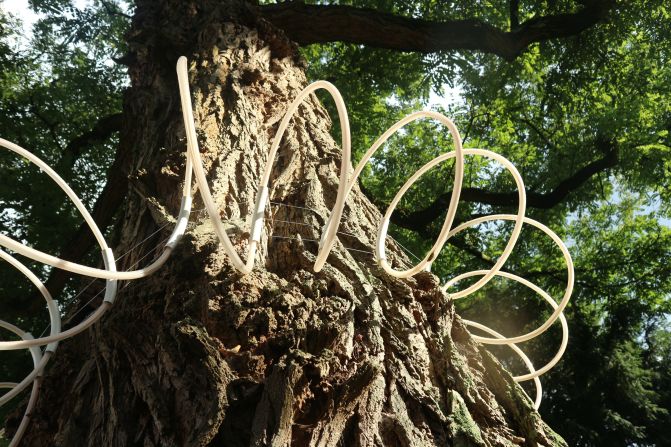
'Living network' —
Jalila Essaidi has created a network made of trees capable of communicating over long distance. She hacks trees to transform open "world wide web of trees" that anyone can transmit into using amateur radio frequencies. This is the inverse of Facebook's vision -- grassroots communication.
BioArt Laboratories
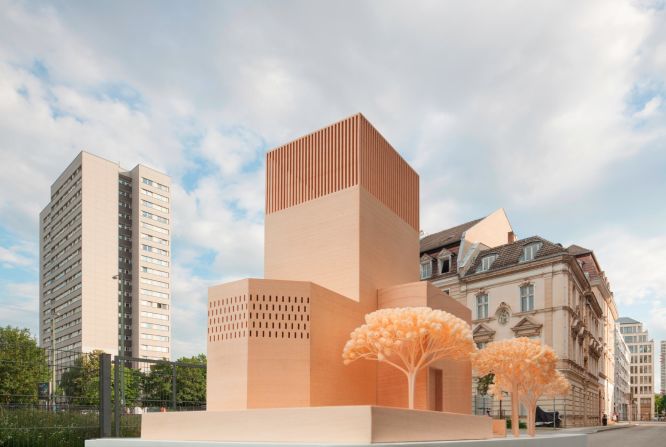
The House of One —
A church, a synagogue and a mosque all in one building. Designed for an island in Berlin, it will be unique in the world, say designers Kuehn Malvezzi. This is the product of local religious leaders getting together -- and challenging their own congregations -- to imagine a more integrated city.
Kuehn Malvezzi Architects/Ulrich Schwarz
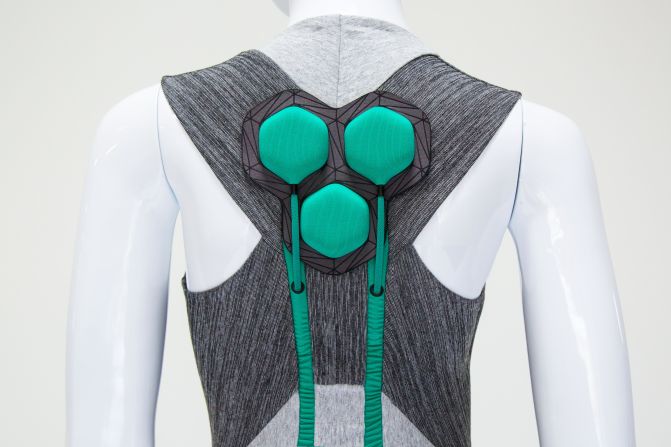
Superflex "Aura-powered bodysuits" —
Created by Seismic and designer Yves Behar, the suit is equipped with electronic muscles and designed to help the elderly.
Victoria and Albert Museum
Rojava Parliament —
An architectural model of the Rojava Parliament building that opened two weeks ago in Northern Syrian. The progressive Kurdish leadership propose an alternative democratic system, with no aspiration to become a nation state, emphasizing secularism, gender and social equality, and based in communalism. The new building, designed by artist Jonas Staal, communicates this radical project to the world.
Ernie Buts/Democratic Self-Administration of Rojava and Studio Jonas Staal
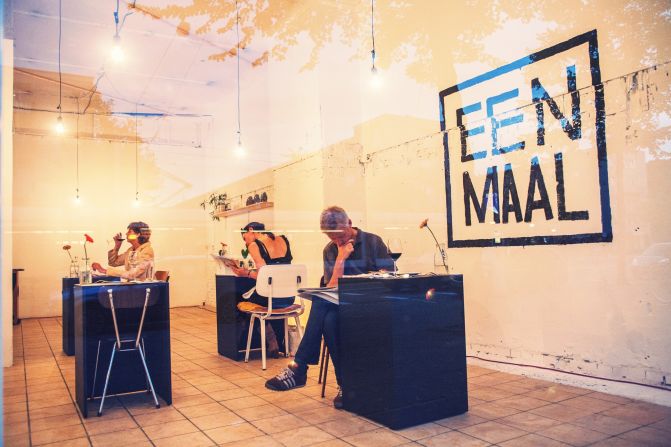
Eenmaal —
Meaning "one meal," developed by Dutch designer Marina van Goor, aims to take the embarrassment out of dining alone. In the Netherlands and in many countries Up to 30% of households are single person household, yet the stigma of dining alone in public persists. At the exhibition, one-person tables allow visitors to watch the crowds while being treated to a dinner of Soylent, a liquid meal.
Eenmaal
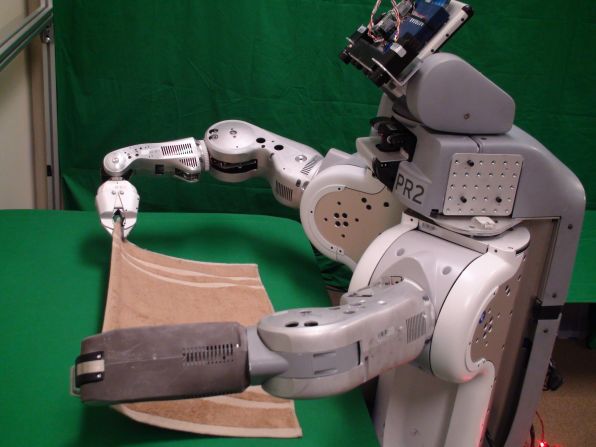
BRETT —
Sometimes clumsy, but still learning, the Berkeley Robot for the Elimination of Tedious Tasks could one day help with the jobs we all hate. Similar to manufacturing line robots, BRETT is taking time to learn to adjust to the complexities of the real world.
UC Berkley
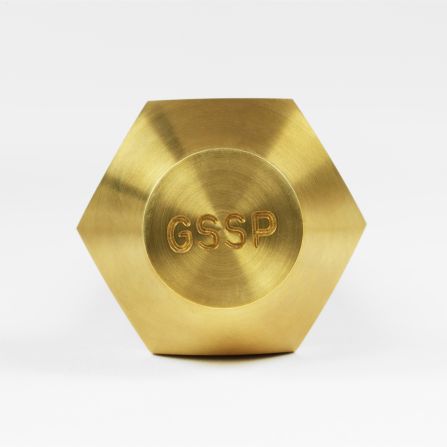
Anthropocene spike —
This golden spike is designed to be hammered into rock to mark the beginning of the anthropocene -- the geological period defined by human activity dominating the environment and climate. This is intended as a marker for generations to come of where humans changed everything.
Victoria and Albert Museum, London
Molecular animation —
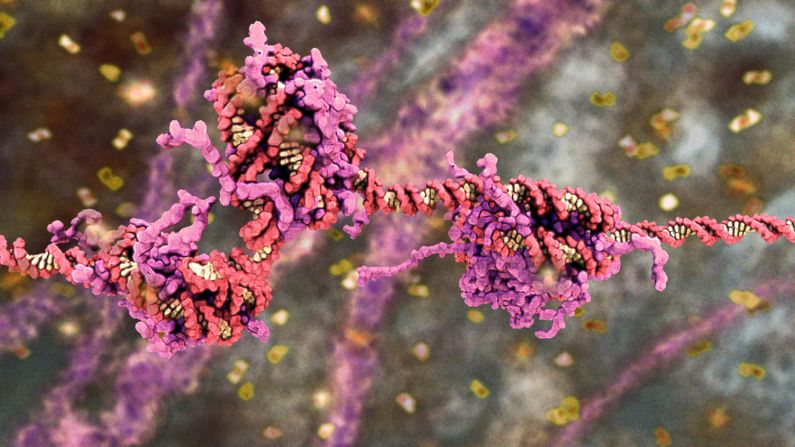
Described by the New York Times as the "Steven Spielberg of molecular animation," Dr. Drew Barry combines cinema and science to expose the microscopic worlds inside our bodies. One of the exhibition's key themes is our own bodies -- when these molecules become as easily designed and manipulated as electronic systems, what future is there for the self?
E.O.Wilson Biodiversity Foundation
Bento Labs —
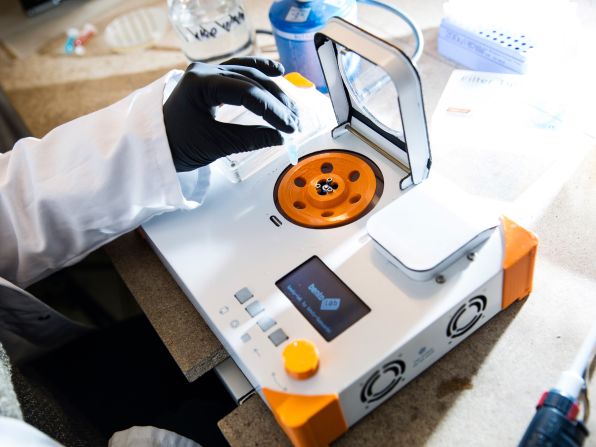
The company, which launched a successful Kickstarter in 2016, called this the first complete DNA laboratory, suitable for a beginner to a professional. It allows users to discover if they possess the "athlete" gene ACTN3, a trait of many world sports stars, or see if a hamburger contains horse meat. A first step to making our fundamental building blocks readable -- and editable?
Bento Bioworks
Shooting Stars —
Japanese space start-up ALE is developing the technology to deliver on-demand, man-made meteors, and hopes to create a future where "you can use our meteors for international fireworks displays". The exhibition asks if we should see our planet as a design project -- ALE foresees one of the more spectacular possibilities.