Your effort and contribution in providing this feedback is much
appreciated.
Close
Ad Feedback
Ad Feedback
The extreme world of watch testing
Watch expert Josh Sims investigates the lengths that brands, like Rolex, Breitling and Casio, will go to to create perfection —
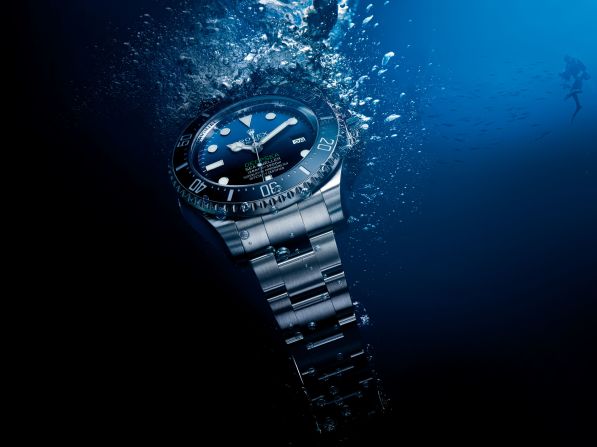
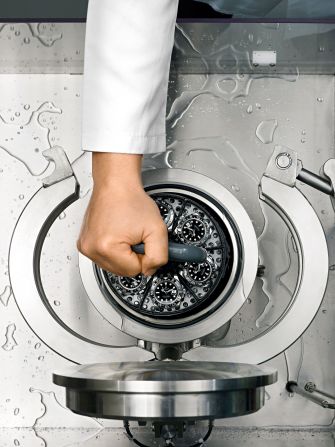
Rolex's Deepsea watches are tested in a tank that simulates pressure at 16,000 feet below sea level before they are released onto the market.
courtesy Rolex
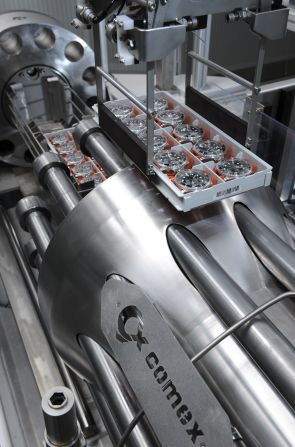
Because of their rigorous testing, for decades Rolex has been able to supply specialist pieces for divers. They work with the likes of Comex, the underwater engineering firm whose elite members hold the world record for the deepest saturation dives.
courtesy Rolex
It is worthwhile for brands like Rolex to make sure the watches are right before they undergo hyperbaric assault, as the smallest flaw in each watch's construction will make it explode.
Thierry Parel/Rolex/Rolex/Thierry Parel
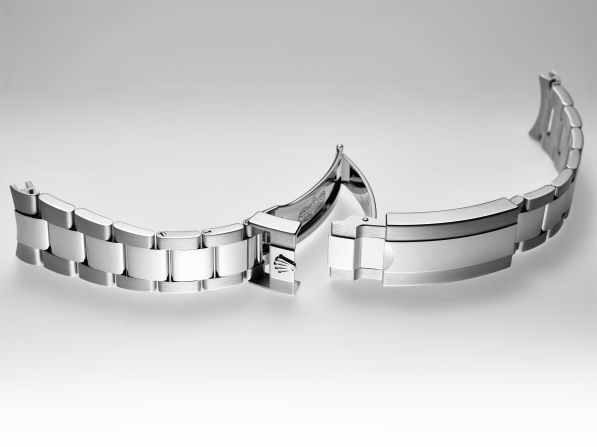
Rolex puts its Oysterlock bracelets through 26 different kinds of drop tests; the fastening is opened and closed tens of thousands of times and it's immersed in salt and sandy water, and in chlorine solutions.
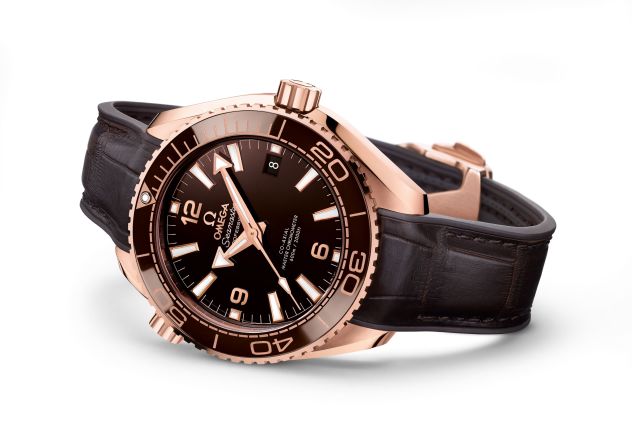
Omega had to work with the young Swiss-government METAS agency to certificate its Master Co-axial movement because its precision standards were that much higher. (pictured: Seamaster Planet Ocean 39.5mm, unveiled at Baselworld 2016)
courtesy Omega
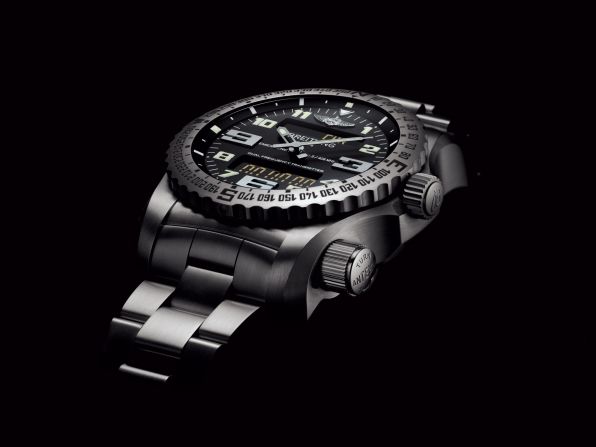
"The more extreme the conditions a watch has to operate in, the more extreme testing has to be. We tested our Emergency watch to minus 20 degrees Celsius (minus four degrees Fahrenheit), for example. That would freeze the oils in any normal watch, and there was no test at all for the transmitter batteries we developed for the same piece. So you end up establishing your own standard. You need a lot of skills outside of watchmaking: mathematicians, physicists, chemists..." -- Jean-Paul Girardin, vice president of Breitling