These surreal digital artworks show Africa in a new light
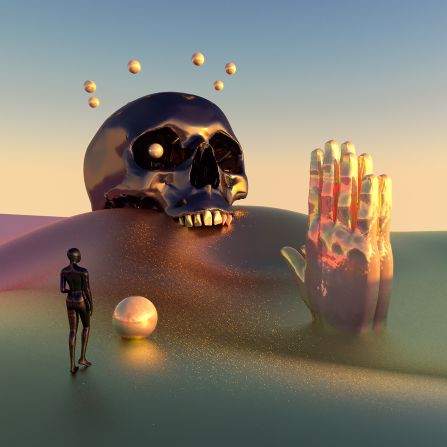
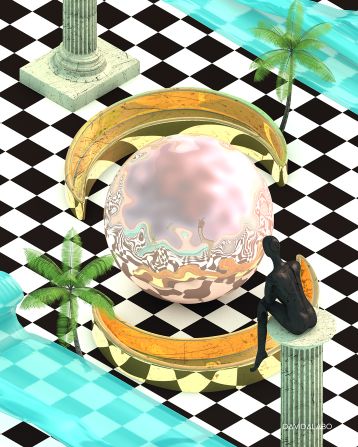
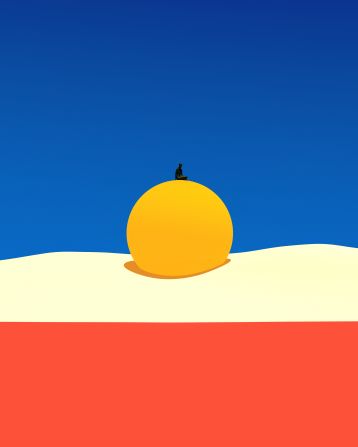
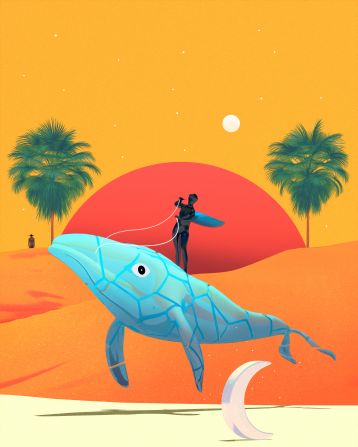
Visual artist David Alabo, who's based in Accra, Ghana, uses 3D virtual sculpting software and other digital tools to create striking artworks exploring African culture and Black identity. Look through to see more of Alabo's awe-inspiring digital artworks.
Courtesy David Alabo
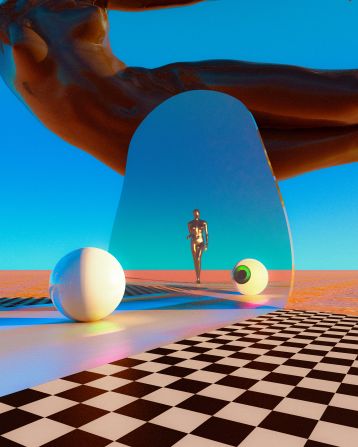
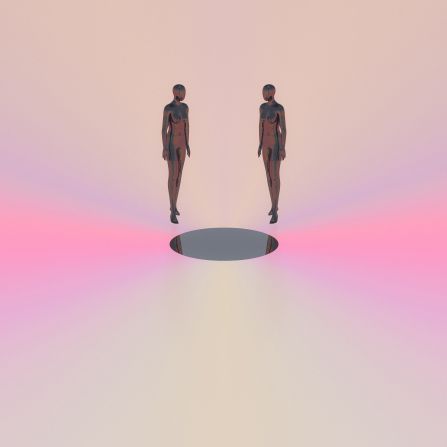
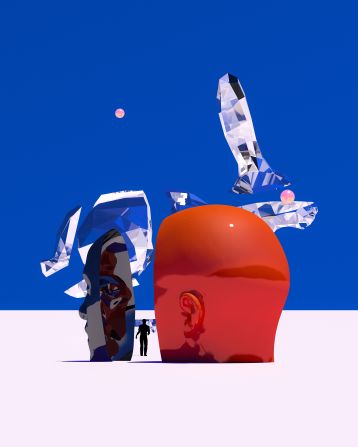
Alabo often incorporates mirrors or reflective, shiny surfaces into his work. These act as a "metaphor for self-reflection or introspection," said the artist.
Courtesy David Alabo
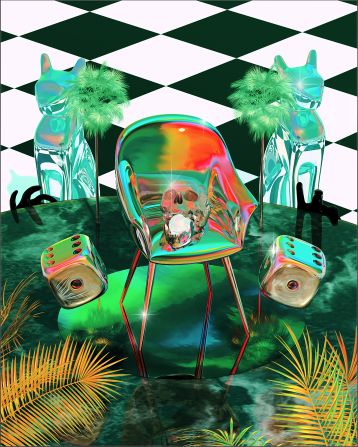
A common motif in Alabo's work is big cats, particularly panthers. They often act as a symbol of independence. "They're completely guided by their instincts and what's been genetically programmed into them," he said. "It's interesting to see them be so graceful, at something as brutal as killing another animal."
Courtesy David Alabo
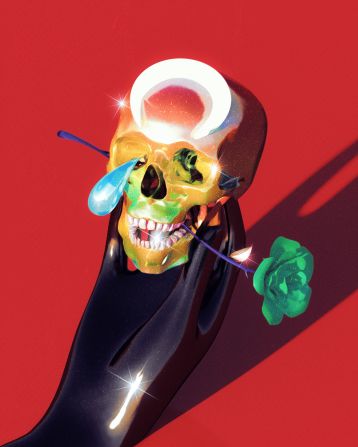
Skulls and hands are another common feature of Alabo's work. Hands are graceful and change meaning depending on their form, said Alabo, while skulls are often associated with death. This doesn't have to be a bad thing: Alabo highlights that in Ghanaian culture, conversations about death are pervasive and not necessarily negative. "Death is just a natural thing, a natural step into the next journey from life," he explained.
Courtesy David Alabo
In 2021, Alabo's digital artwork "Divine Opulence" was chosen by HBO for a virtual reality experience for fans of "Lovecraft Country," an Afrofuturist TV show. "They wanted a work that was a little bit controversial, but also spoke to the religious undertones that were present in the show," said Alabo.
Courtesy David Alabo
Alabo spent his childhood in Italy, Russia and India, and said his art often reflects these different cultures, like the Roman-style columns in "High Priestess." This design was part of a collaboration with streetwear brand Daily Paper, for a collection of t-shirts inspired by tarot cards.
Courtesy David Alabo
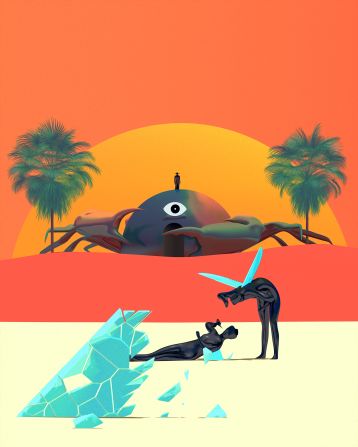
Alabo said the desert landscapes in his work are inspired by Morocco -- where his mother comes from. "The nomad and Maghreb culture has a sense that you make do with what you have, and not only make do, but you're extremely adaptable to these kinds of tough conditions," said Alabo.
Courtesy David Alabo
Like surrealist artists before him, Alabo plays with perspective and the laws of physics in his compositions, suspending gravity-defying animals and objects in his Africa-inspired landscapes.
Courtesy David Alabo
Alabo's work often looks at space exploration, with planets, moons and stars looming in the background. These works, falling more into the "Afrofuturist" genre, examine a distant future when humans might have to live on other planets. "Once the Earth is maybe uninhabitable, and we have to go to space, how can we claim spaces? How can we preserve our heritage and our culture?" said Alabo.
Courtesy David Alabo
Imagining what "starting afresh" in space would look like, these artworks "revolve around putting Black people in alternate spaces or places that aren't conventional: not in a way that is escapist, it's more about finding a meditative healing through the work," said Alabo.
Courtesy David Alabo
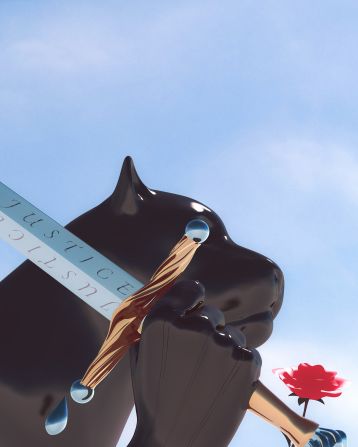
While Alabo's work veers more towards the speculative and fantastical, he explores current political and social issues, too. This artwork, titled "Justice," was created in the wake of the George Floyd murder and subsequent protests in 2020. "There's this quote I remember reading that said, "The sword of justice hath no sheath." So I had the word "JUSTICE" engraved into the sword that the panther carries on its shoulder, with a teardrop streaming down and a rose in the other hand paying respect and marching forward," he said.