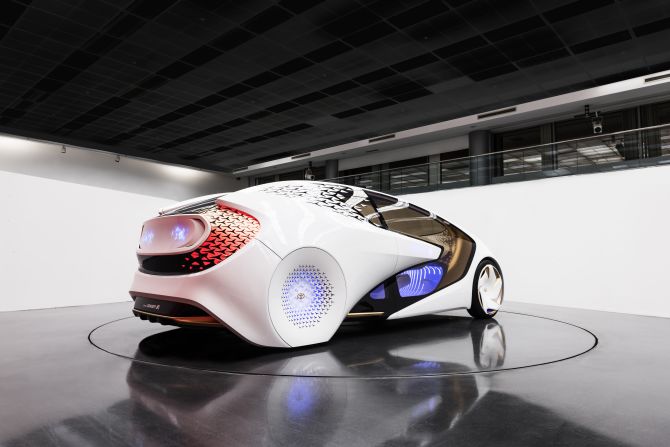
Toyota Concept-i —
2018 isn't about to see creations like Toyota's Concept-i on the road. But the pace of development of autonomous vehicles is only likely to increase, so manufacturers will continue to experiment with how human beings will interact with technology, especially when the car is doing the driving. Expect plenty more examples of cars capable of 'messaging' their surroundings (to reassure pedestrians and other road users), not to mention front seats that turn about face to allow their occupants to focus on the other people in the car instead of the road ahead.
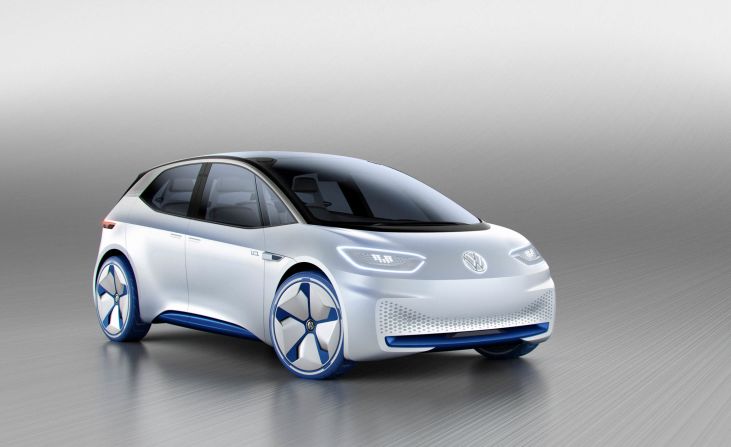
Volkswagen I.D. —
This should be the year when mainstream manufacturers get really serious about electric cars, unlocking the potential of the latest battery technology but also the packaging advantages of removing the combustion engine. Volkswagen's I.D. concept is a prime example; its production version, expected to make a public debut within the next 12 months, is said to be about the same length as the company's Golf hatchback but offer the same cabin space as the larger Passat saloon. This will become an increasingly common trait.
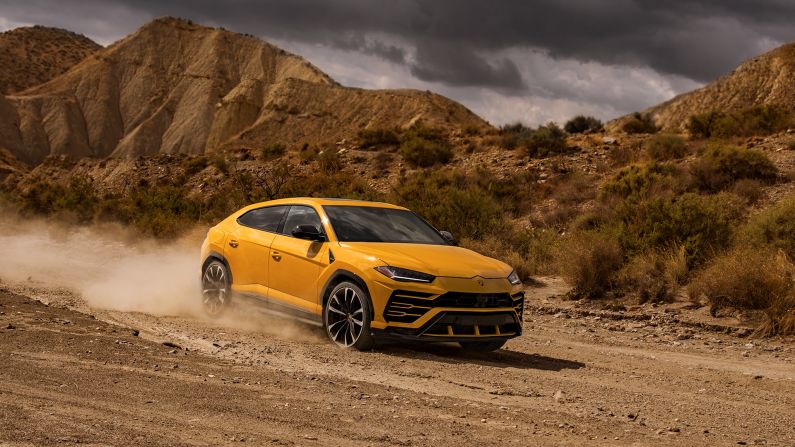
Lamborghini Urus —
SUVs remain big business, and 2018 will be the year when established supercar brands from Italy join the party. The Urus (pictured) represents a return to the genre for Lamborghini, which made the spectacular LM002 back in the eighties and nineties. But one of its rivals is a car that senior management at Ferrari used to say they'd never build: a Ferrari SUV.
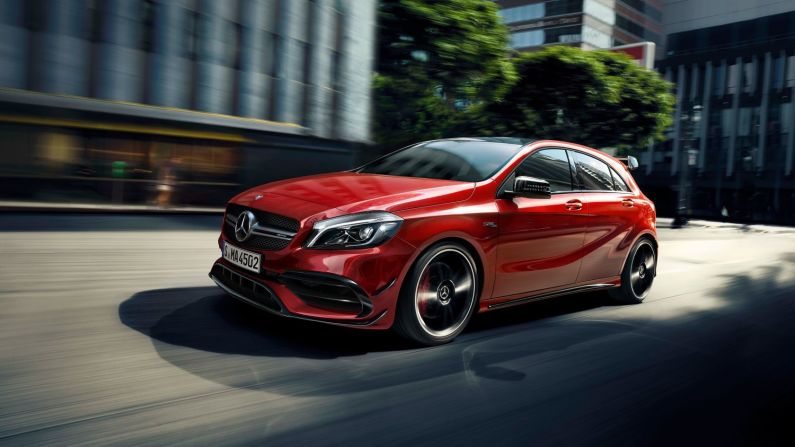
Mercedes-Benz A-Class —
That A-Class will illustrate another fast-emerging trend in the auto industry - the removal of analogue screens and physical switches, and the use of hi-res displays as their replacement. Merc's smallest vehicle will get its latest technology when it arrives in March. And significantly, the German brand is ditching its long-held belief that a physical dial is the only way to control its infotainment system; the A-Class will offer that switch but also touch-screen functionality, another likely trend of 2018.
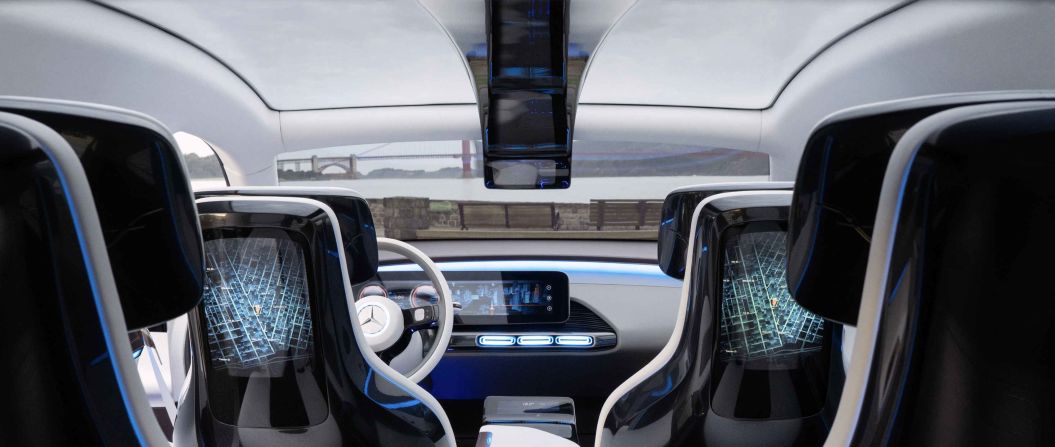
Mercedes-Benz Concept EQ —
Mercedes is in for a huge 2018, with the A-Class joined by at least a preview of the production version of this car, to be called EQ C. It's the first of a new family of all-electric vehicles from the German manufacturer, and like the VW I.D., it'll be based on a chassis that's been designed from the ground up to run on electricity alone. This is the same principle as Tesla, of course, but the EQ C will give us a relatively early idea of how the major car brands are going to use the potential of this principle.
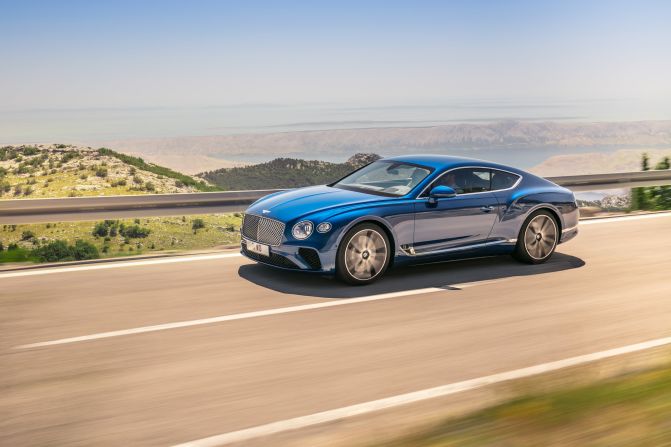
Bentley Continental GT —
At a more mainstream level, production techniques continue to evolve, and designers are working with their counterparts in engineering and manufacturing to produce ever-more-taut surfacing on vehicles. Shapes like those on the rear haunches of the latest Bentley Continental would have been impossible to press even five years ago, let alone to position accurately enough for the creases to match up over multiple panels. But they're now possible -- and it's likely that this sophistication will continue to drip down to more mainstream products -- potentially starting with Mercedes' next generation of A-Class hatchback, due in the spring.
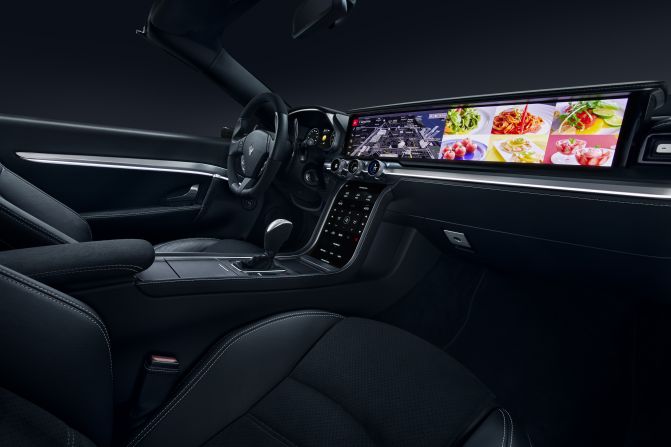
Harman's concept dashboard uses a 28-inch QLED widescreen display - although it can slide down into the fascia for a more subtle "strip screen" effect when it's not needed. The set-up, which also uses OLED screens for the instrument panel, center console and three configurable rotary switches, is likely to provide inspiration to manufacturer design teams.
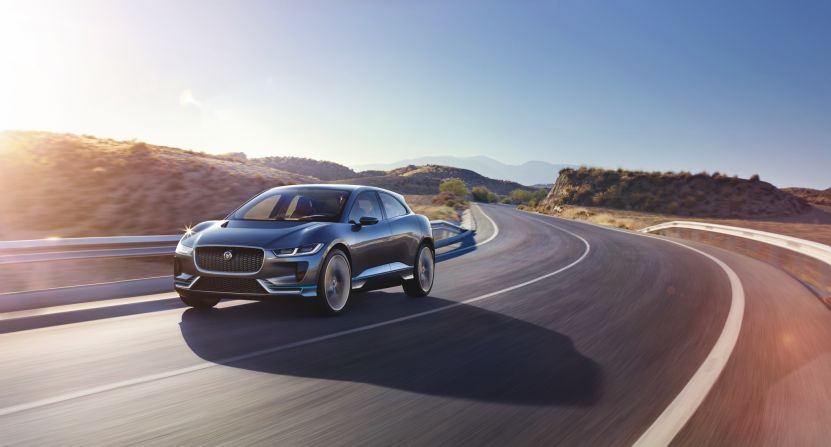
Jaguar I-Pace —
The Jaguar I-Pace is a crucial car for the old British brand, as it tries to grab the environmental high ground over its well-established German rivals. Designer Ian Callum and his team have mixed Jaguar's traditional sporting stance with a crossover shape - while taking advantage of the packaging benefits at your disposal when you don't have to worry about accommodating a combustion engine.
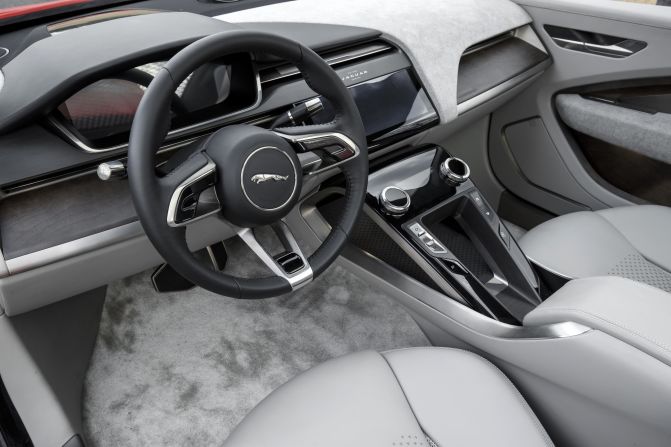
Jaguar I-Pace —
The cabin of the I-Pace is likely to follow the industry trend for fewer switches and more controls through the central infotainment screen. Car companies know that buyers want to do more through their smartphones and dashboards; they've just been working out how to deliver this in a safe, functional fashion, and at the right price. 2018 should be the year when this tech really starts to become widespread.