Preserving Macao’s bamboo tradition through sculptural works
Rita Machado and João Ó, founders of the design studio Impromptu Projects, have teamed up with local bamboo scaffolders to create works of art.
Macao Cultural Affairs Bureau
Macao's historical center was added to the World Heritage List as a place of outstanding universal value -- an accolade it owes, in part, to bamboo.
Macao Cultural Affairs Bureau
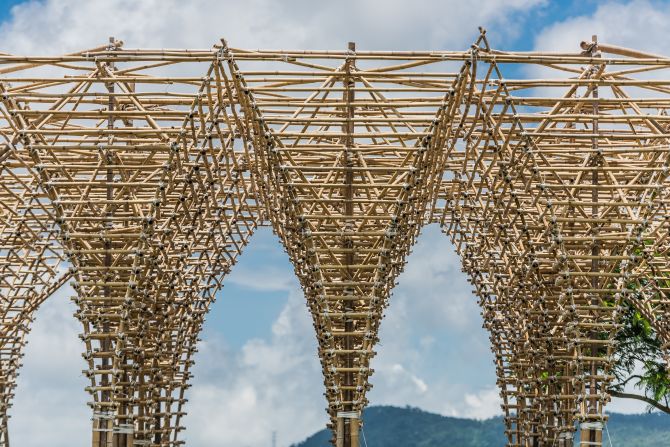
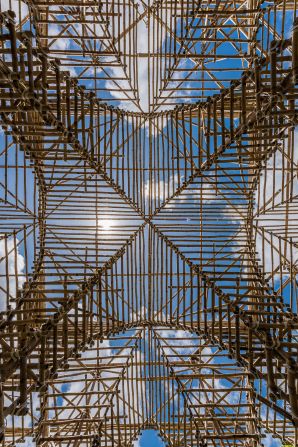
"We re-adapted this knowledge that already existed in the city and created a new form of expressing ourselves," says architect Rita Machado.
Macao Cultural Affairs Bureau
Macao's humid summers and tightly-packed buildings produce challenging conditions for the territory's remaining bamboo scaffolders.
Dan Tham/CNN
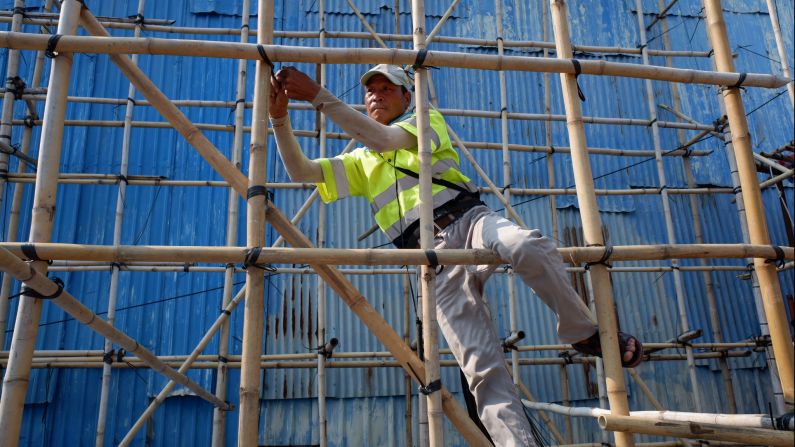
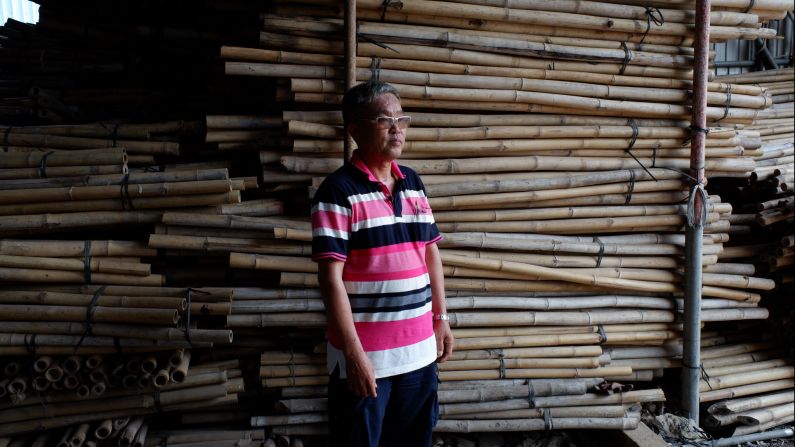
Chio Seng Wai has been in the industry for nearly 50 years. In that time he has erected hundreds of skeleton frames with his bare hands, instinctively judging the correct length of the bamboo poles and how they should be assembled.
Dan Tham/CNN
"The width of the grid in the scaffolding is the length of their arm and the height is their legs, so they can interlock it and use their hands freely," explains Ó.
Zizu and Impromptu Projects
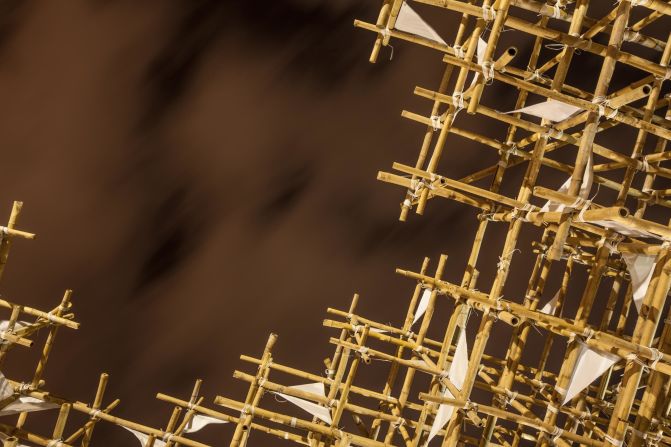
As they build the artworks, the bamboo artisans lift and tie the poles together by hand.
Impromptu Projects
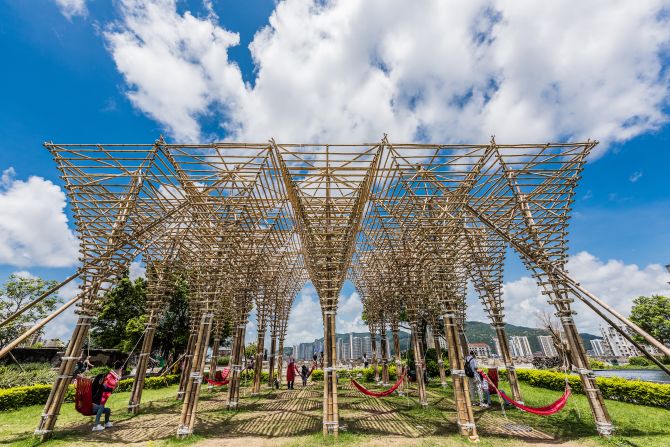
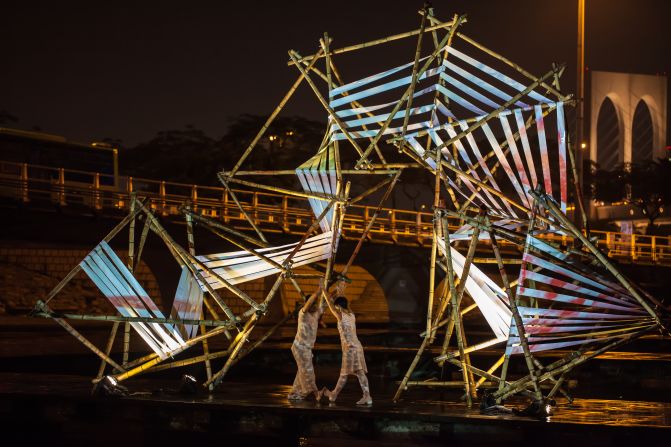
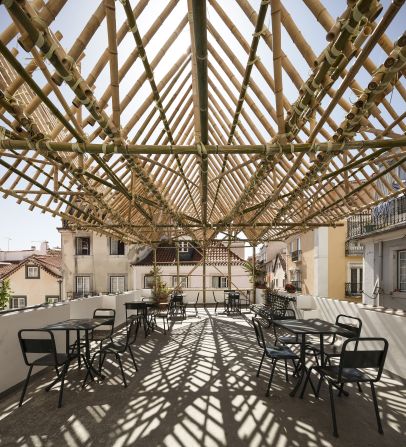
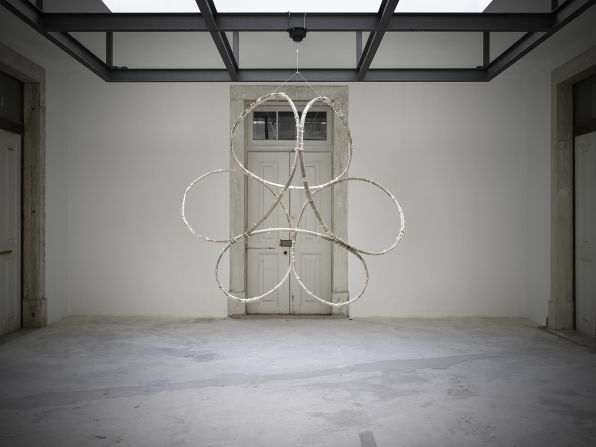
Since 2013, they have built a variety of projects from an outdoor pavilion to a stage inspired by bamboo theaters.
Impromptu Projects
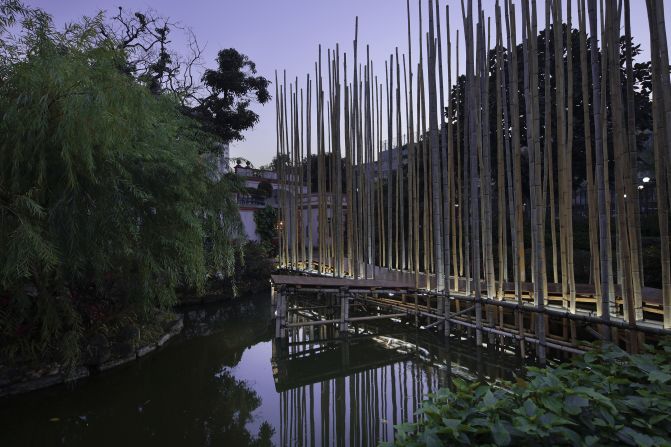
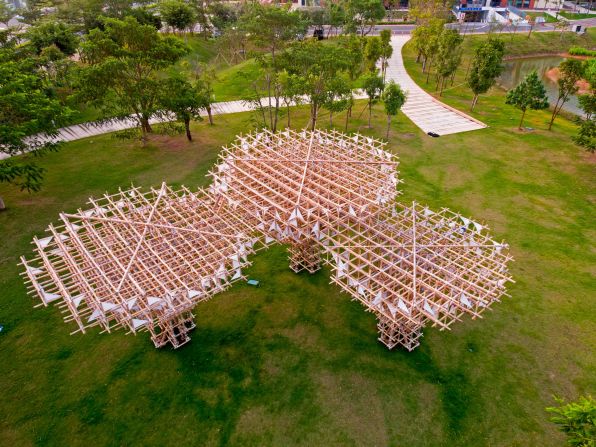
In 2015, the architects built an outdoor pavilion titled "Treeplets" at Macao University.
Chan Hin lo and Impromptu Projects
The architects say it is important to show their work to the local community, so residents appreciate bamboo scaffolding as art, not just a tool.
Impromptu Projects
Machado and Ó believe that having scaffolding workers engage in the art scene will help keep the tradition -- and an endangered profession -- alive.