Your effort and contribution in providing this feedback is much
appreciated.
Close
Ad Feedback
The complicated world of artists’ estates
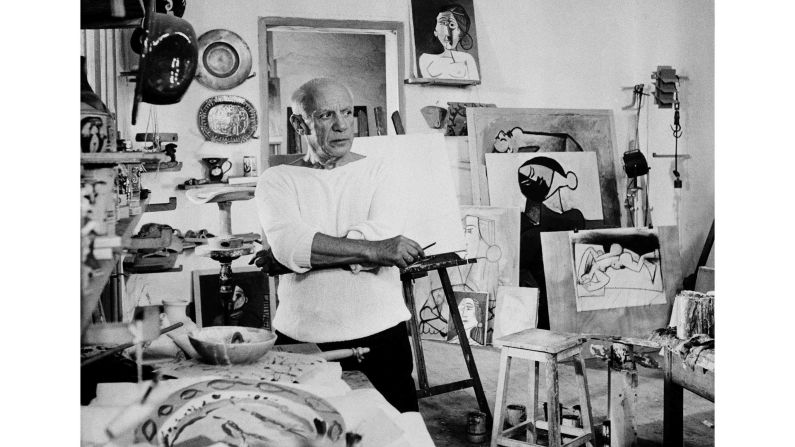
When an artist dies, it can be difficult to figure out how to handle their legacies and the works they've left behind. (Pictured: Pablo Picasso in his studio in Vallauris, France.)
AP Photo
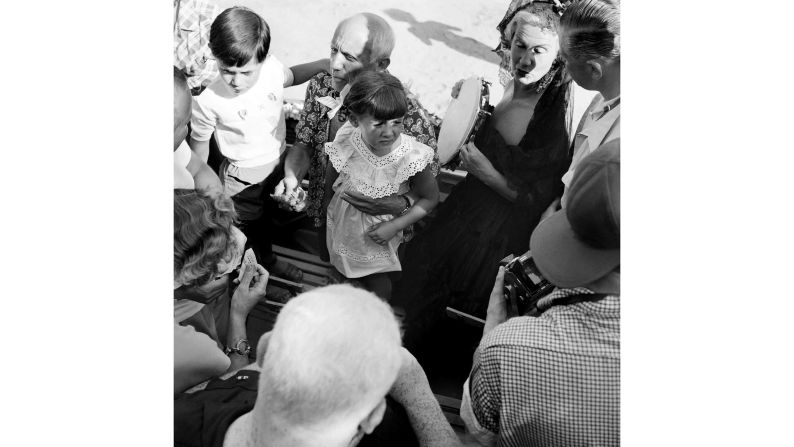
Pablo Picasso (seen here with his children Claude and Paloma, and singer Yolanda) left more than 45,000 before he died. It took six years to settle matters between his seven heirs after his death in 1973.
JEAN MEUNIER/AFP/Getty Images
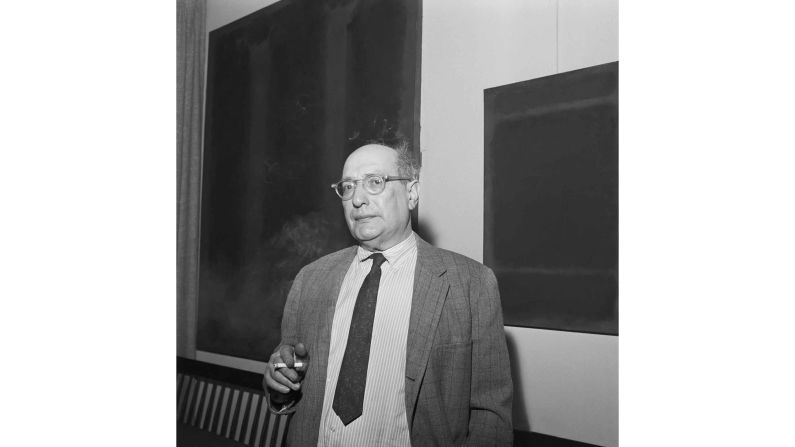
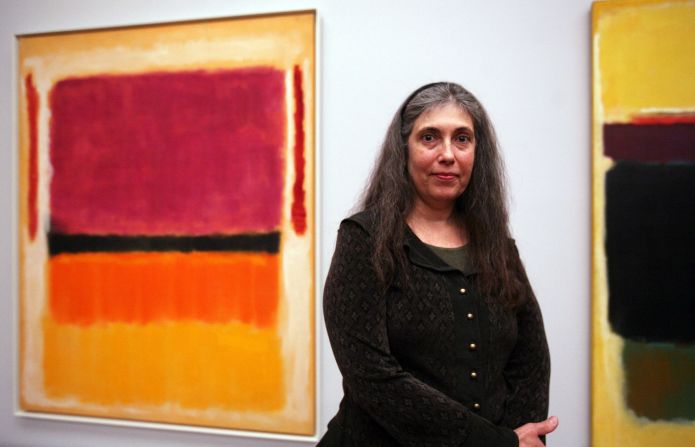
American artist Mark Rothko died in 1970. In 1976, his daughter, Kate, sued Frank Lloyd, Marlborough Fine Art and the three executors of her father's estate for fraud.
Bettmann Archive via Getty Images
She claimed that the executors sold a substantial part of the artist's estate to the Marlborough Gallery in New York at undervalued prices as part of "a plan and conspiracy to defraud the estate," according to a New York Times report at the time. Kate won the case, though she lost access to key paintings.
Johannes Simon/Getty Images Europe/Getty Images
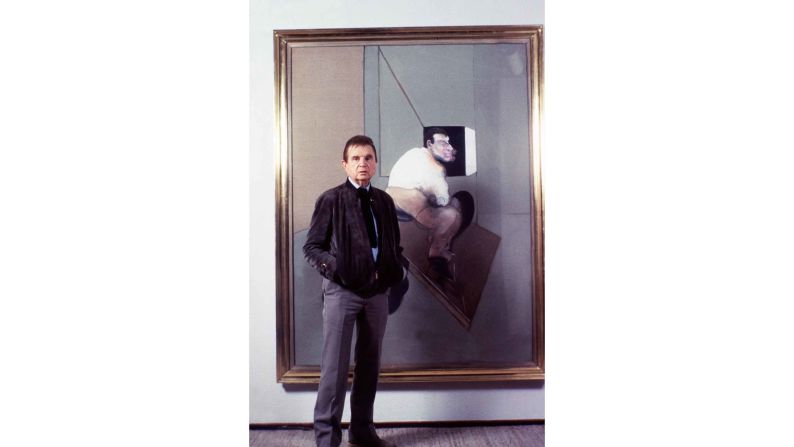
"Study For A Portrait of John Edwards" (1985) by Francis Bacon —
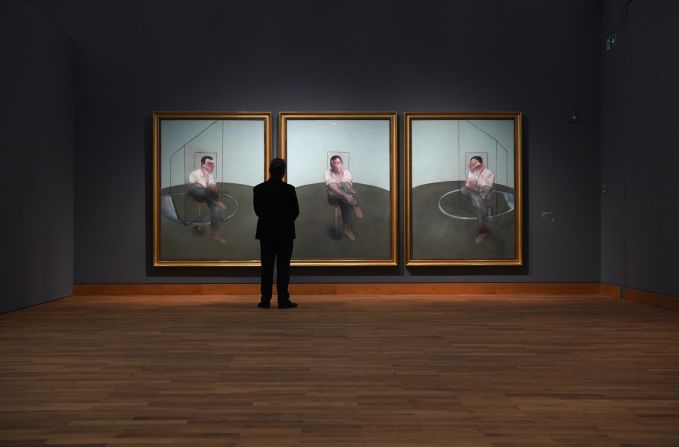
In 2000, John Edwards, longtime companion and sole heir to British artist Francis Bacon (pictured here), sued Marlborough Fine Art, accusing them of intentionally undervaluing Bacon's art when they bought them from the artist, and then reselling them at much higher prices, among other claims.
Terence Spencer/The LIFE Images Collection/Getty Images
"Three Studies for a Portrait of John Edwards" (1984) by Francis Bacon —
Marlborough strongly denied any wrongdoing, and the estate dropped the claims in 2002.
Marijan Murat/picture-alliance/dpa/AP Images
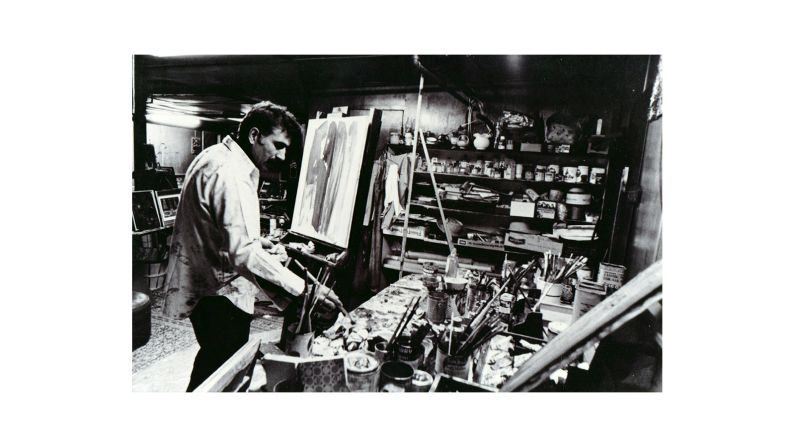
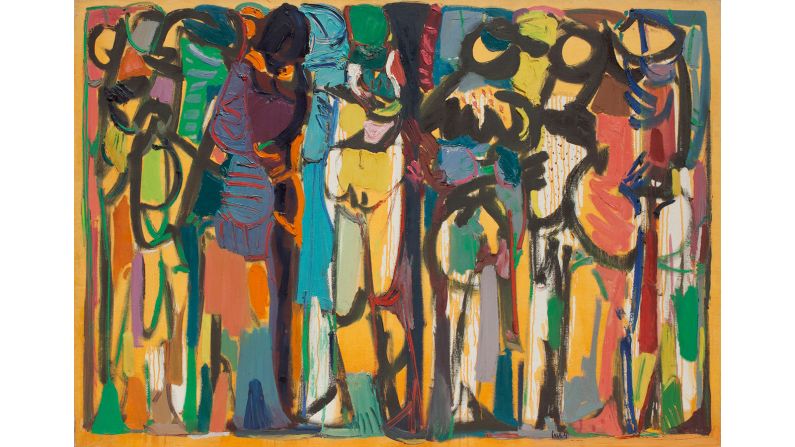
In 2011, the children of Armenian-Lebanese artist Paul Guiragossian (pictured here in studio in 1970) started the Paul Guiragossian Foundation to authenticate and archive the prolific artist's work.
Courtesy Afifa Dirani
"Fiesta" (1988) by Paul Guiragossian —
His daughter Manuella Guiragossian, who serves as president of the Foundation, says that the sale of fakes has slowed since they started issuing official certificates of authenticity.