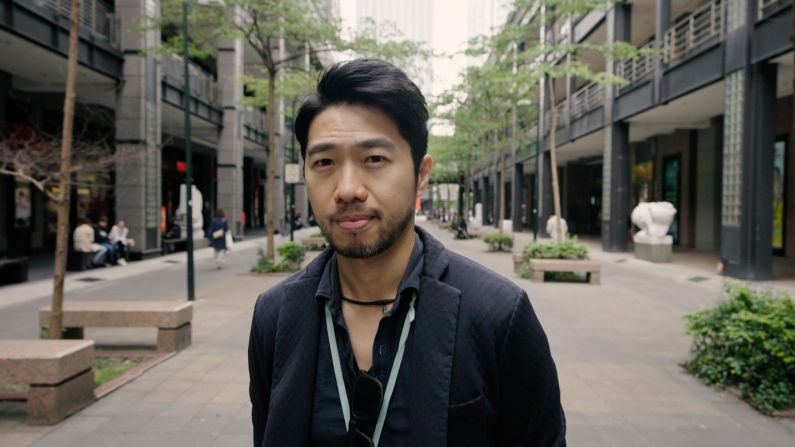
Arthur Huang is on a mission to turn trash into treasure
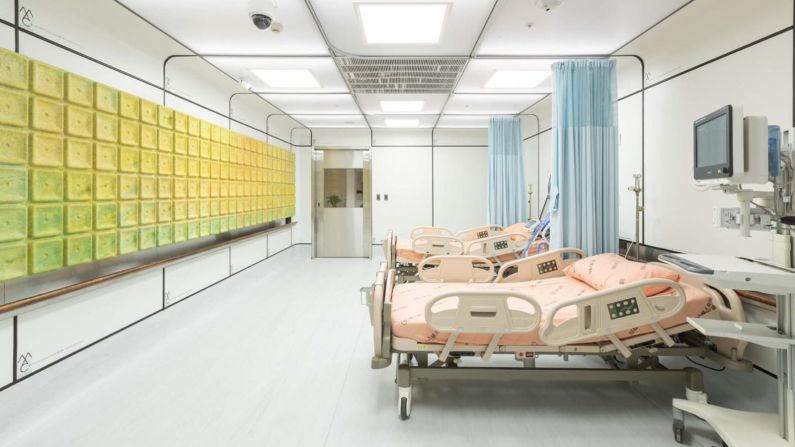
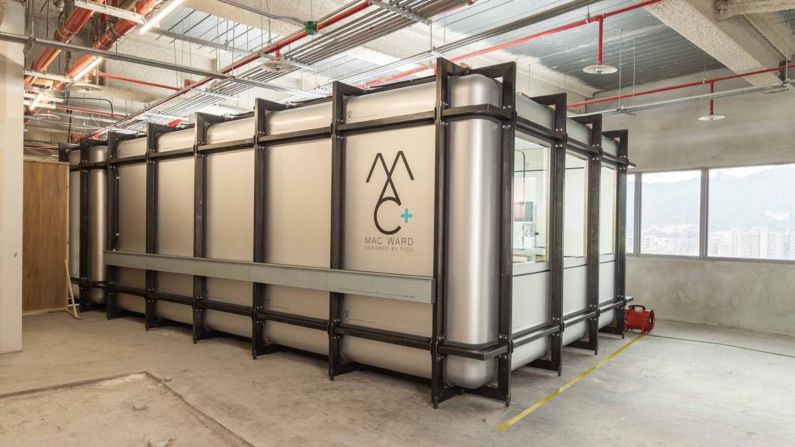
The Modular Adaptable Convertible (MAC) ward at the Fu Jen Catholic University Hospital in Taipei is the world's first hospital ward made with recycled materials, according to its creators, Taiwanese company Miniwiz. The wall panels are made from recycled aluminum and the coat hooks and door handles are made from recycled medical waste.
Taiwan Design Research Institute
A portable version of the ward was designed to be assembled in 24 hours, according to Miniwiz CEO and co-founder, Arthur Huang.
Taiwan Design Research Institute
Huang, a Taiwanese architect and engineer, was inspired by the ancient Roman practice of using discarded material in architecture.
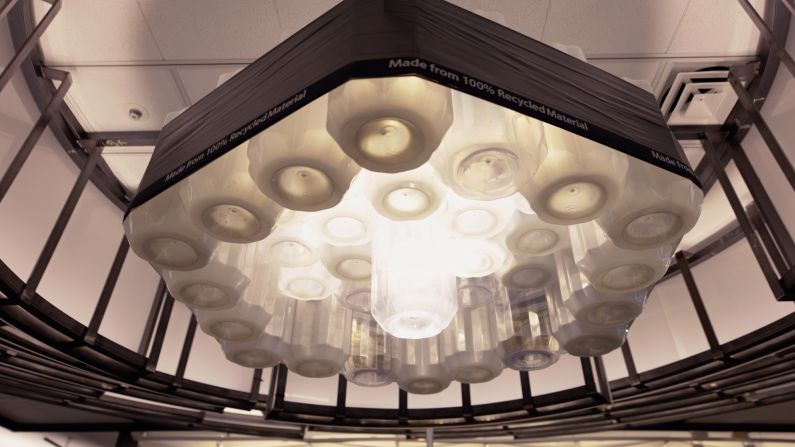
The Miniwiz office in Taipei is full of furniture and fittings made from recycled materials, like this light fixture made from plastic bottles.
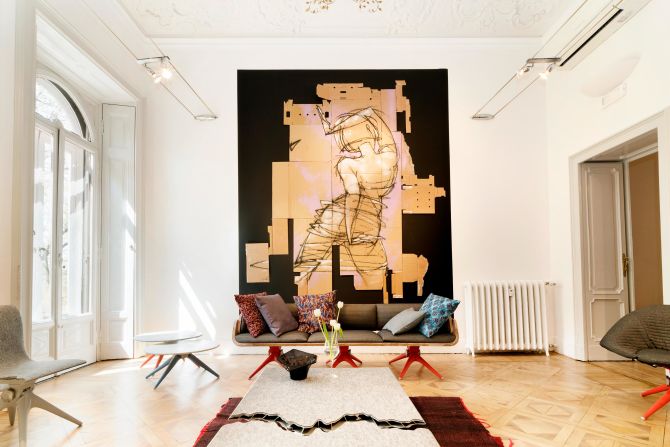
Miniwiz works with companies across the world, with projects in cities like London, New York and Shanghai. Its "House of Trash" Milan office showcases how materials made from waste can be used for high-end interior design.
Miniwiz
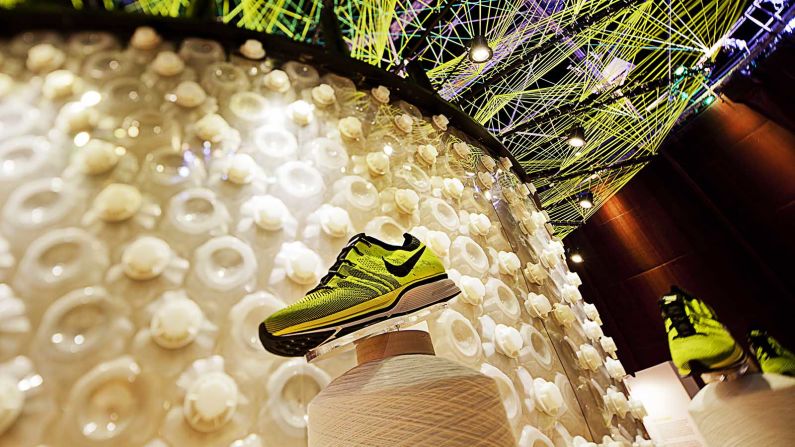
Miniwiz has been collaborating with Nike since 2011 to design fixtures made from recycled materials for their stores.
Nike
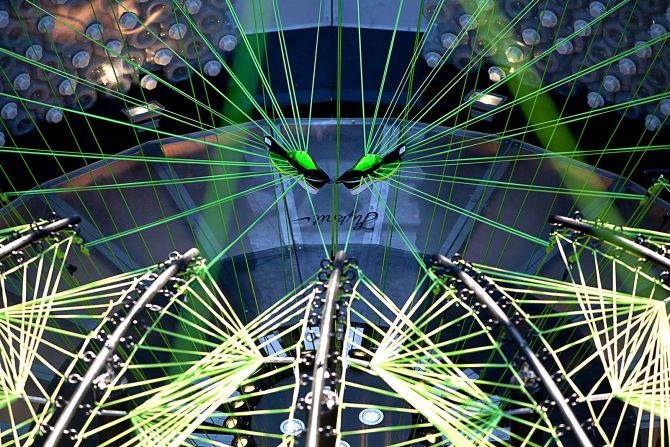
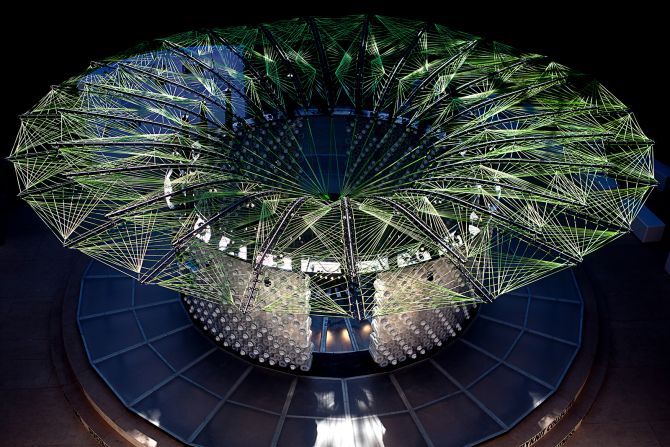
This installation, called "The Feather Pavilion," was designed by Miniwiz to celebrate the launch of Nike's Flyknit material, which is made from recycled polyester.
Nike
The Feather Pavilion was part of Beijing Design Week in 2012. Miniwiz used recycled bottles, shoelaces and rice fibers to create the structure.
Nike
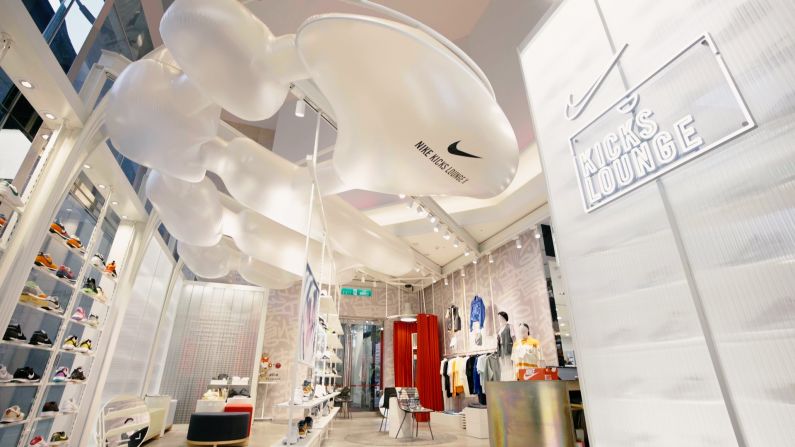
The Nike Kicks Lounge store in Taipei is one of more than 20 Nike stores Miniwiz has designed worldwide. The giant air bubble on the ceiling is made out of recycled plastic bottles and many fixtures are made from recycled Nike shoes and other materials.
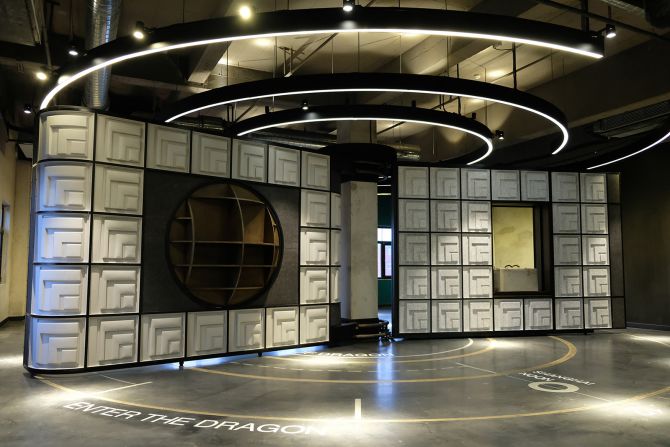
Miniwiz worked with actor and environmental campaigner Jackie Chan to design interiors for buildings in the Jackie Chan Creative and Cultural Industrial Park in Beijing. It was built using recycled material and without any toxic materials or chemicals, such as formaldehyde.
Miniwiz
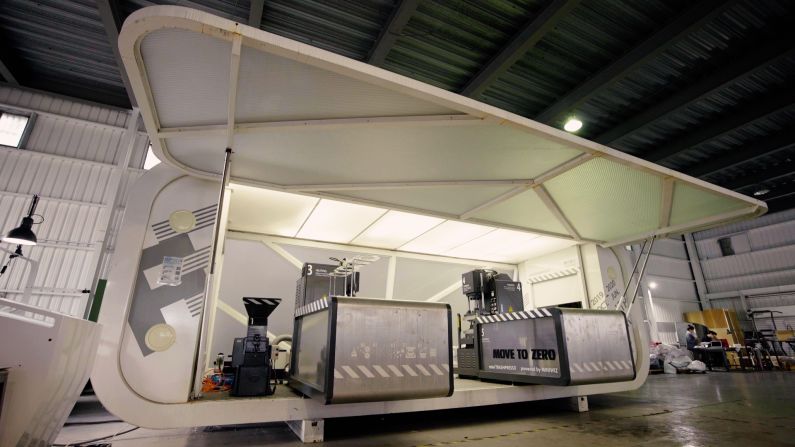
In an effort to make recycling technology more accessible to local communities, Miniwiz designed the Trashpresso -- a portable, solar-powered recycling machine with AI technology which can detect different types of plastic.
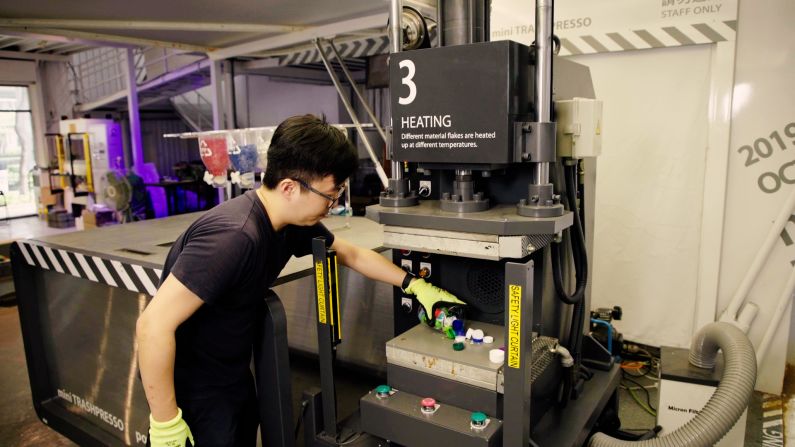
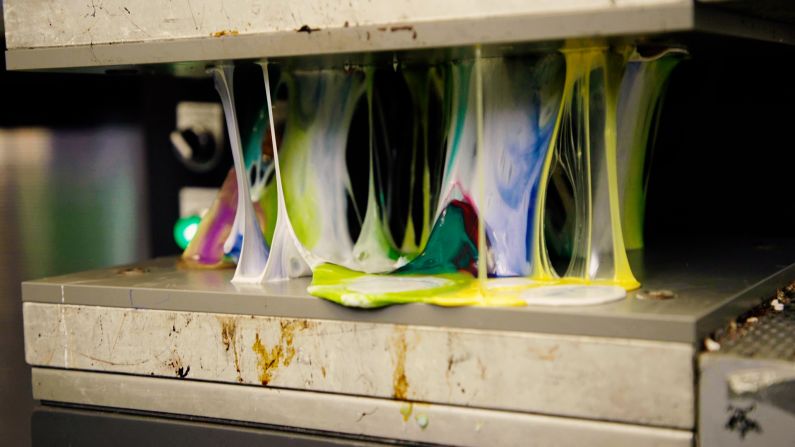
The machine can shred, melt down and compress post-consumer plastic, like bottle tops, into new plastic products.
The melted plastic can then placed in a mold to form news products.
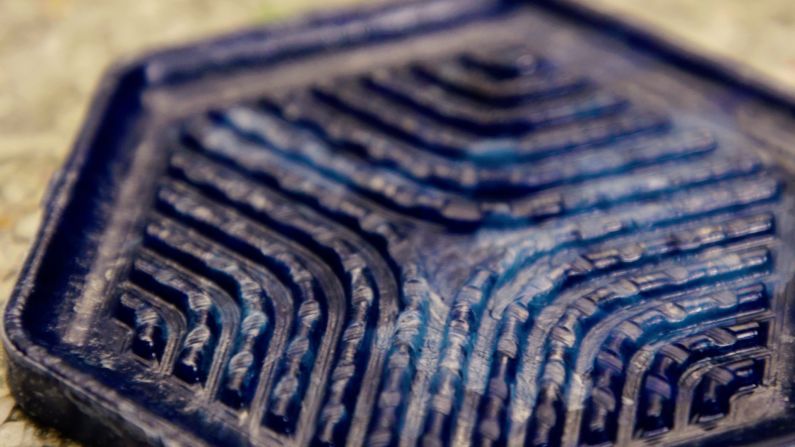
This plastic tile was made from recycled plastic in the Trashpresso.
To test the ability of the machine to withstand extreme environments, Huang and his team, along with Jackie Chan, who collaborated on the project, took the Trashpresso to the NianBao Yuze region in China's Qinghai province in 2017.
Miniwiz
The region on the Tibetan plateau had experienced an increase in waste pollution. The team partnered with a local conservation NGO to introduce the local community to on-site recycling. The Trashpresso machine is no longer there but Miniwiz hopes to scale up the technology to eventually make it available to communities like this worldwide.