Your effort and contribution in providing this feedback is much
appreciated.
Close
Ad Feedback
How warplanes were spotted before radar
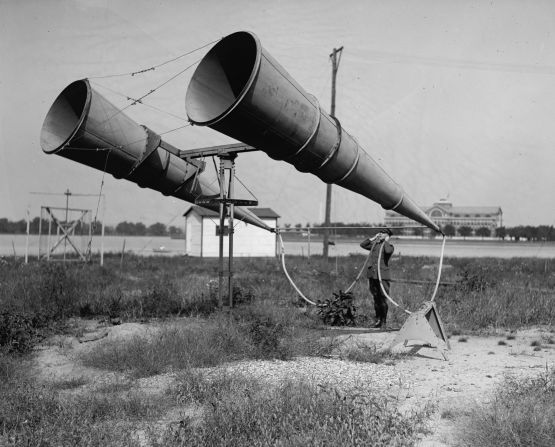
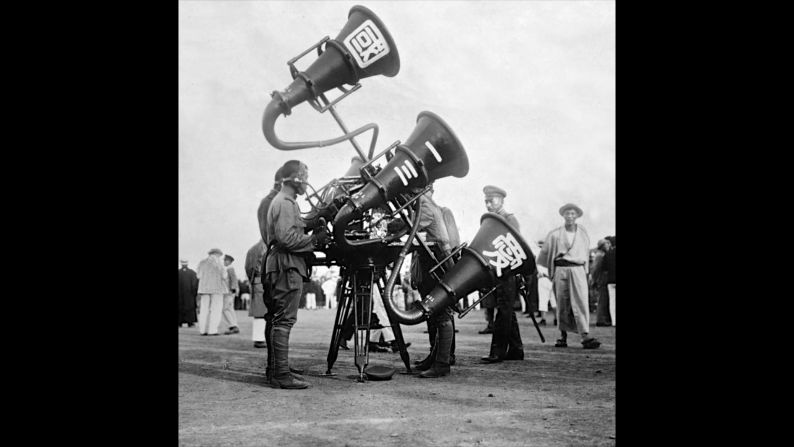
Before the invention of radar during World War II, incoming enemy aircraft were spotted using "sound locators" that looked more like musical instruments than tools of war. This one was being used at Bolling Air Field, US, in 1921.
Buyenlarge/Archive Photos/Getty Images
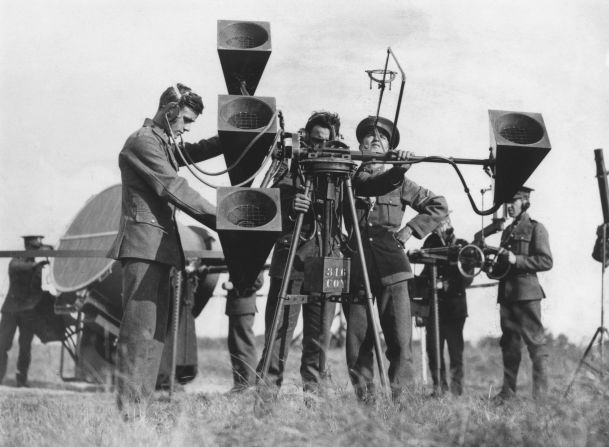
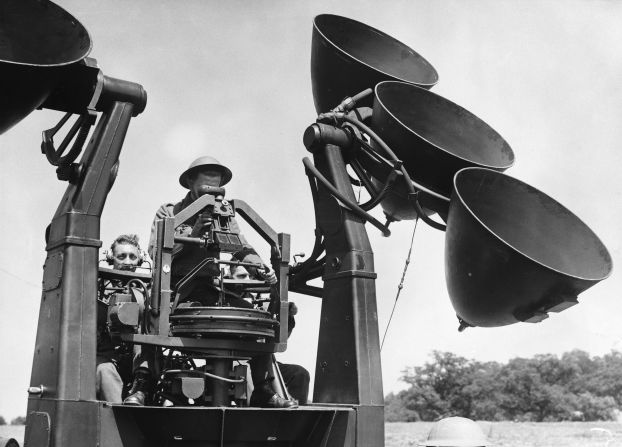
A British military sound locator in use at an airfield in southern England, in 1930. On the left is a searchlight that was used in conjunction with the locator.
Hulton Archive/Hulton Archive/Getty Images
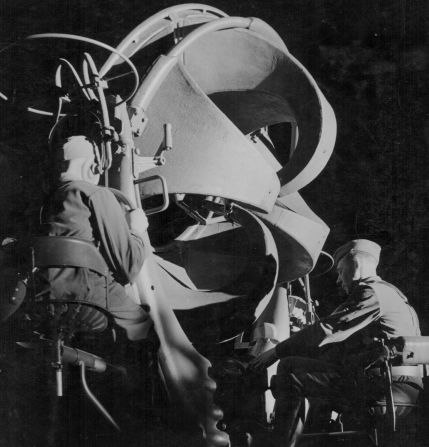
A German anti-aircraft listening post during World War Two, circa 1939-1945.
Authenticated News/Archive Photos/Getty Images
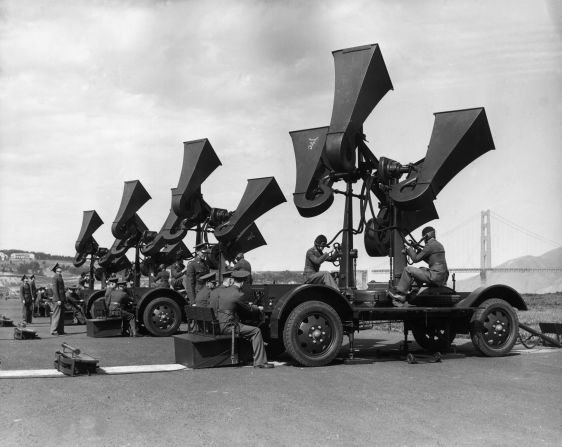
US military personnel operating airplane sound detectors as officers sit and monitor the readings, near San Francisco, California, circa 1944. The Golden Gate bridge is visible in the background.
Hulton Archive/Archive Photos/Getty Images
Japanese soldiers demonstrate the use of a "war tuba."
Mashable
According to Phil Judkins, "sound locators worked reasonably well with rain and with cloud, but they tended to get a bit muffled with fog. Then again, in that period of time aircraft themselves tended not to fly in fog."
Hulton Deutsch/Corbis Historical/Corbis via Getty Images
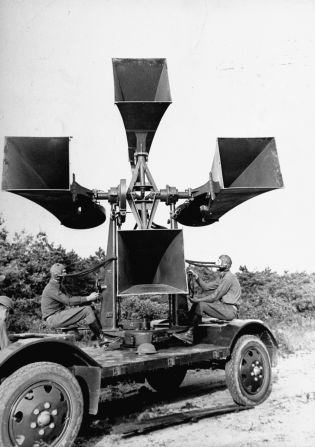
After the introduction of radar, some of the trailers used to transport sound locators were repurposed for the new invention.
Carl Mydans/The LIFE Picture Collection/The LIFE Picture Collection/Gett
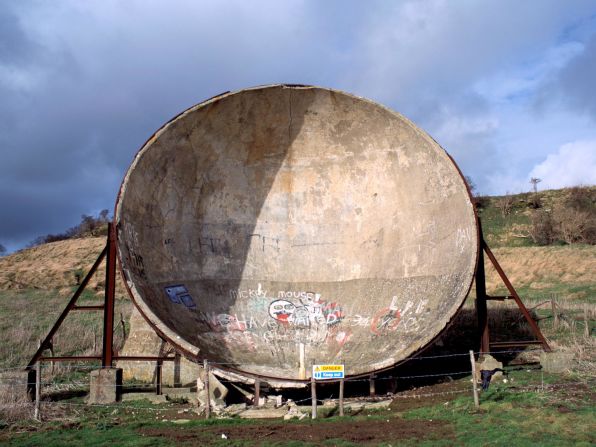
An acoustic mirror near Hythe, Kent, south-east of England.
E&E Image Library Heritage Images/Newscom
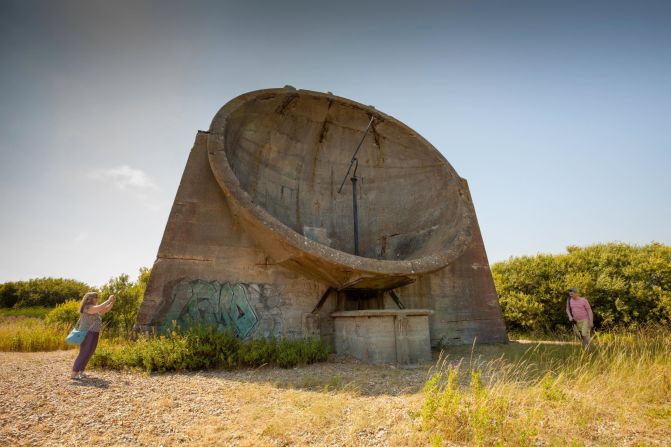
Denge Sounds Mirrors on RSPB land near Lydd, Kent, south-east of England.
Alamy
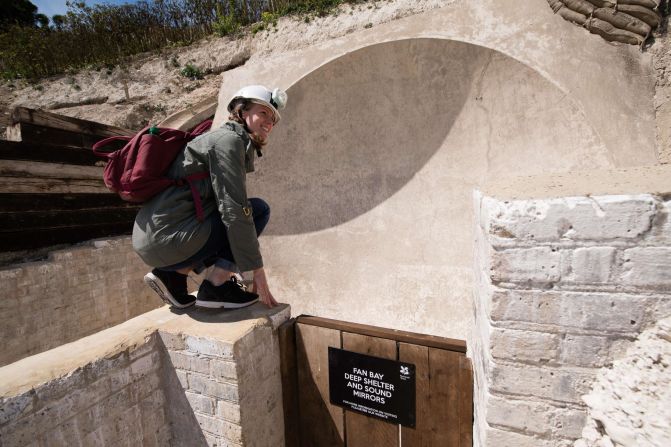
A woman poses by a First World War "sound mirror" listening device at the Fan Bay Deep Shelter within the cliffs overlooking Dover, England. The National Trust rediscovered the tunnels after purchasing the land in 2012 and after a major restoration project, the tunnels are now open to the public.