Your effort and contribution in providing this feedback is much
appreciated.
Close
Ad Feedback
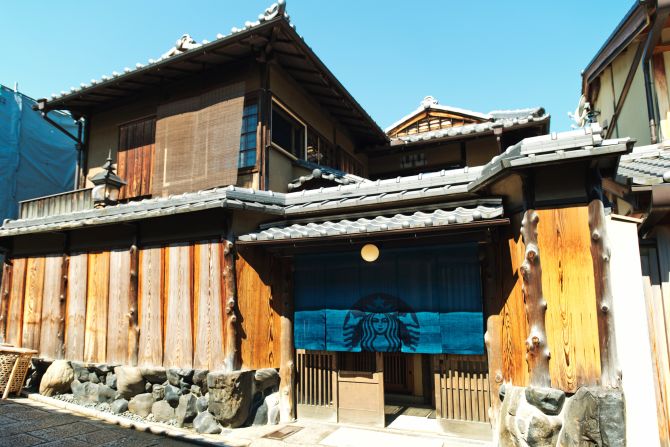
Is this the world’s coolest Starbucks?
The new Starbucks Kyoto Ninei-zaka Yasaka Chayate is set inside a two-story, 100-year-old townhouse in the heart of one of Kyoto's most historic neighborhoods.
Starbucks
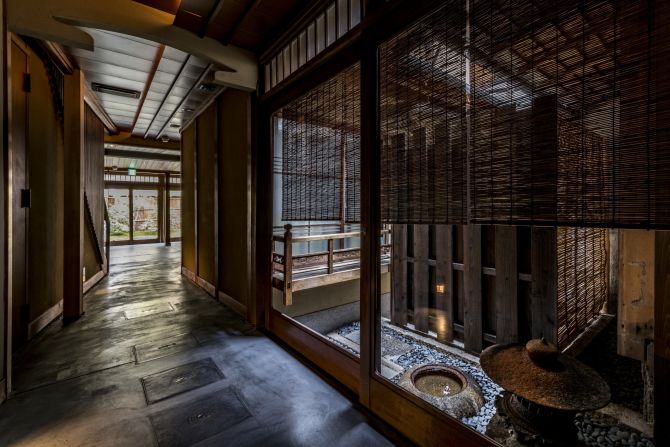
Is this really a Starbucks? The new coffeehouse feels like it's been locked inside a Meiji-era time capsule. There's even a tsubo-niwa (inner courtryard), pictured.
Starbucks
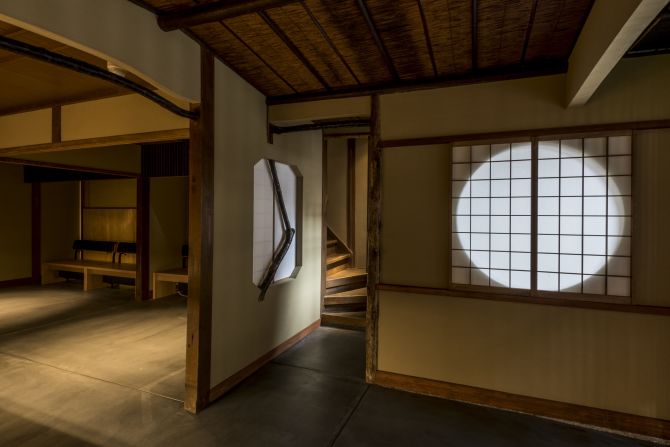
The entry features a traditional shōji window that opens up to the mae-niwa (front garden).
Starbucks
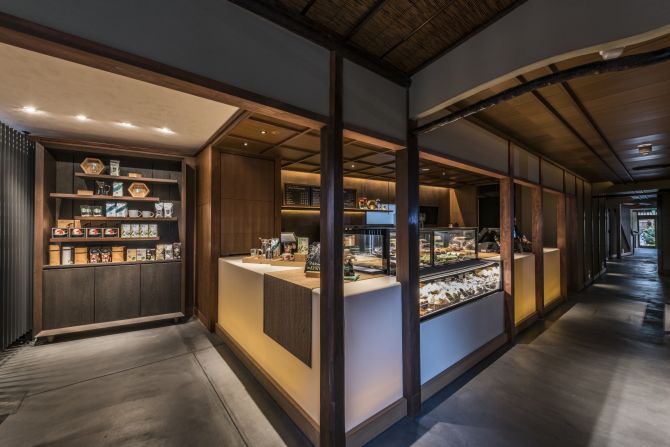
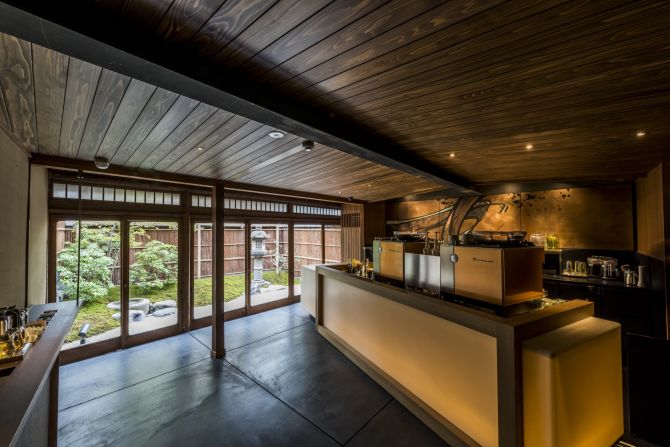
The front bar features the usual Starbucks merchandise -- but with a traditional oku-niwa garden in the distance.
Starbucks
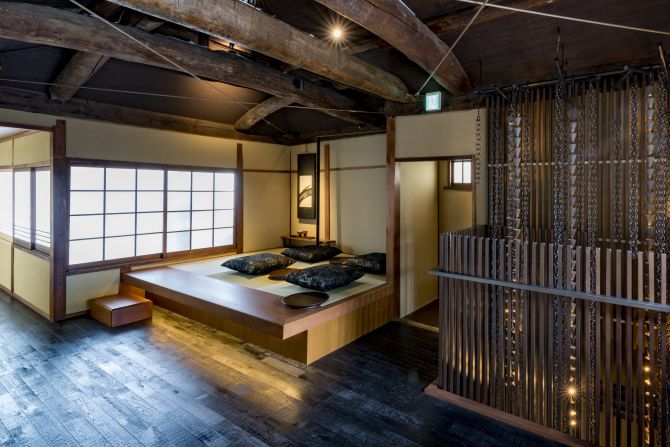
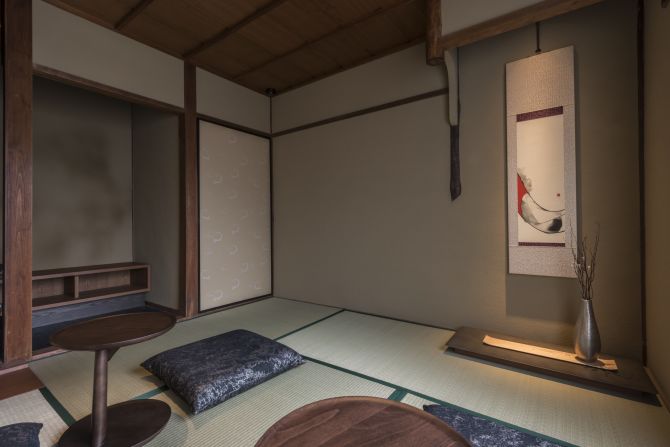
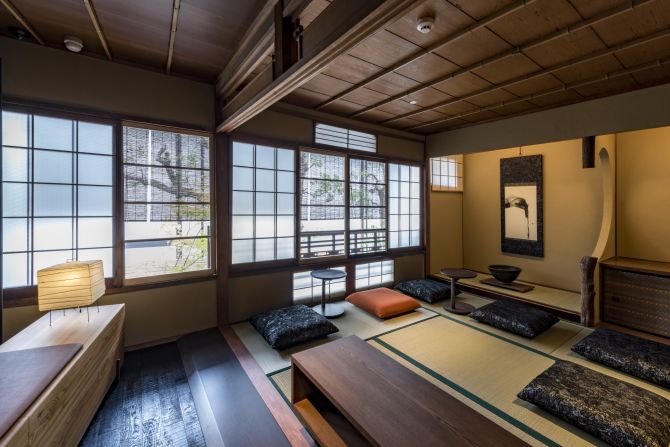
Upstairs, three rooms provide tatami mat seating and a mix of traditional details -- from hanging scrolls on the walls to traditional silk cushions, made with kimono fabric from Kyoto's Tango region.
Starbucks
"We want customers to experience a feeling of being inside a traditional Kyoto machiya wooden townhouse," says Takafumi Minaguchi, CEO of Starbucks Coffee Japan.
Starbucks
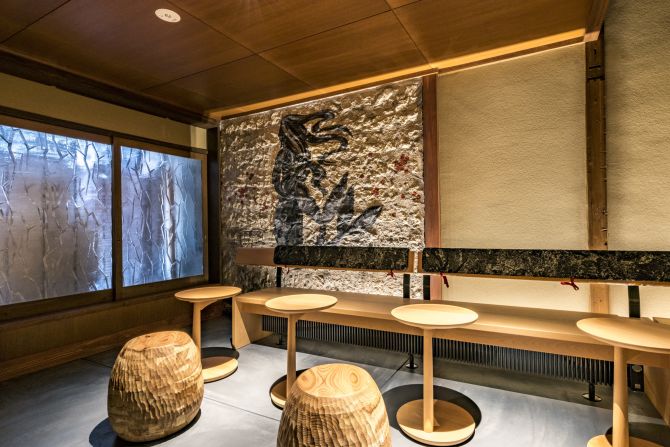
The Starbucks Kyoto Ninei-zaka Yasaka Chayate's sitting room on the main floor, formerly the building's traditional bath room, features Nishijin textiles and washi-paper on the original stone wall.
Starbucks
Following Japanese tradition, visitors are asked to take off their shoes before settling in for a coffee.
Starbucks
The new Kyoto Starbucks' Espresso Bar looks out into a small garden.
Starbucks
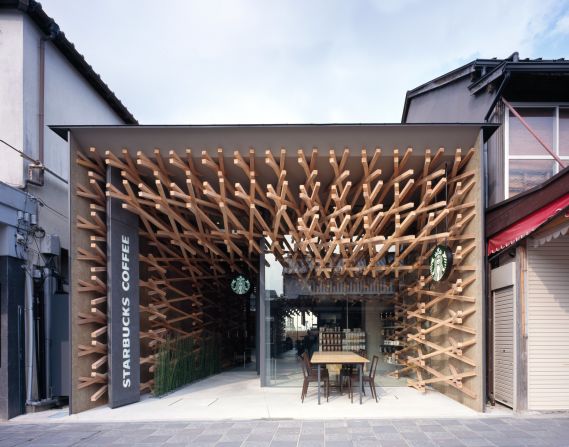
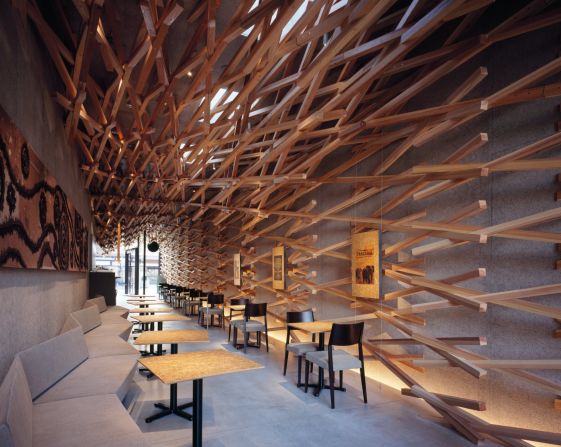
Japan's no stranger to eye-catching Starbucks. Starbucks Dazaifu, in the southwestern port city of Fukuoka was designed by Japanese architects Kengo Kuma and Associate. It's located in a historic pedestrian street that leads to the Dazaifu Tenmangu Shrine, which welcomes about 2 million visitors every year.
Masao Nishikawa
The Dazaifu coffee shop is set inside a traditional two-story shophouse, with a striking cedarwood installation -- made up of 2,000 interlaced pieces -- that seems to float in mid-air.