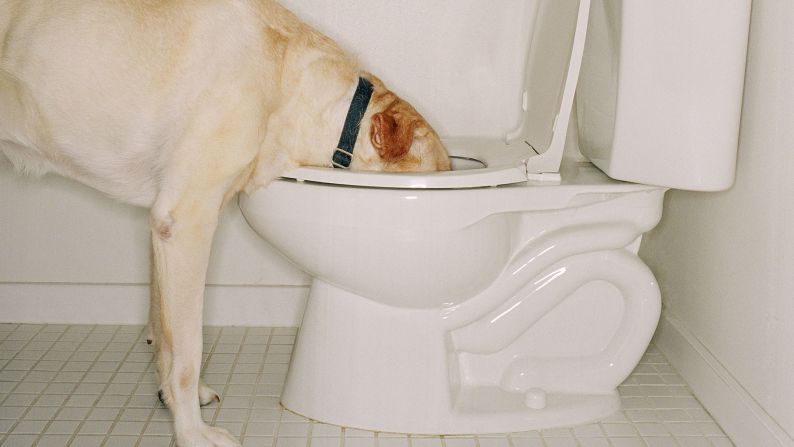
Think the toilet is the dirtiest spot in the house? You'd be wrong. "There's more fecal bacteria in your kitchen sink than there is in a toilet after you flush it," said microbiologist Charles Gerba, known as "Dr. Germ."
Andersen Ross/Stockbyte/Getty Images
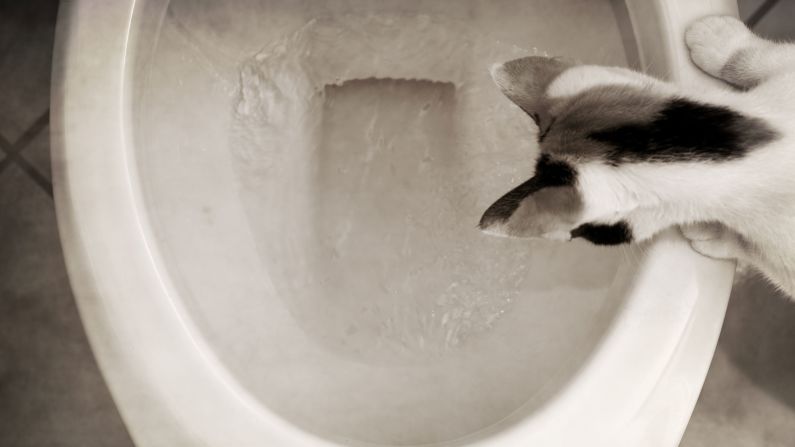
But if you flush with the toilet lid up, you can be spreading fecal material more than six feet. Yes, that means your toothbrush, towels and soap are being spattered with fecal matter.
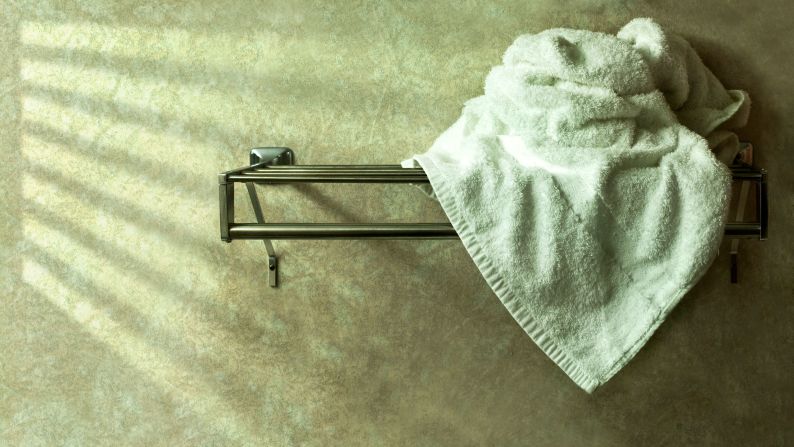
"E coli grows quite well on towels. You'll get more E-coli in your face when you dry your face with a towel at home than if you stuck your head in a toilet and flushed," Gerba said. And a cold water wash won't kill those germs, you have to use hot water and high heat to dry.
joshblake/E+/Getty Images
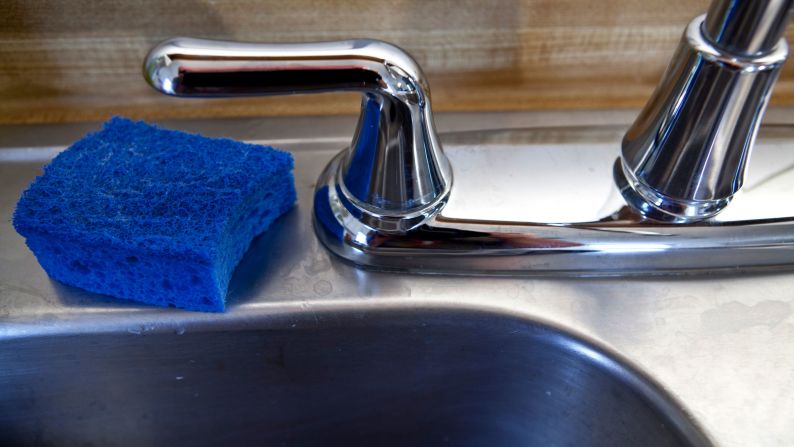
The germiest item in the house is the kitchen sponge. Typically, people wash their hands after handling raw meat in the kitchen and frequently use sponges or cloths to wipe those germs from surfaces. Replace sponges every week; microwaving them doesn't help.
Zbigniew Bzdak/Chicago Tribune/Tribune News Service via Getty Images
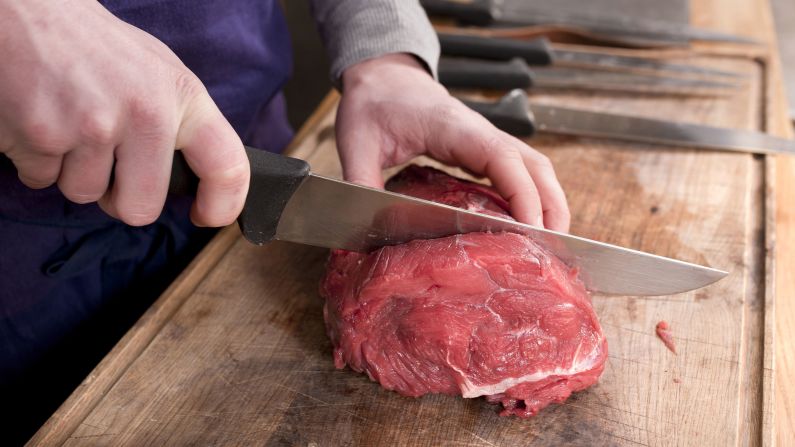
"Recent surveys of homes found more fecal bacteria on a cutting board in the average home than a toilet seat," said Gerba. "It's actually safer to make the sandwich on a toilet seat than a cutting board." Clean the board with bleach.
Andia/Universal Images Group via Getty Images
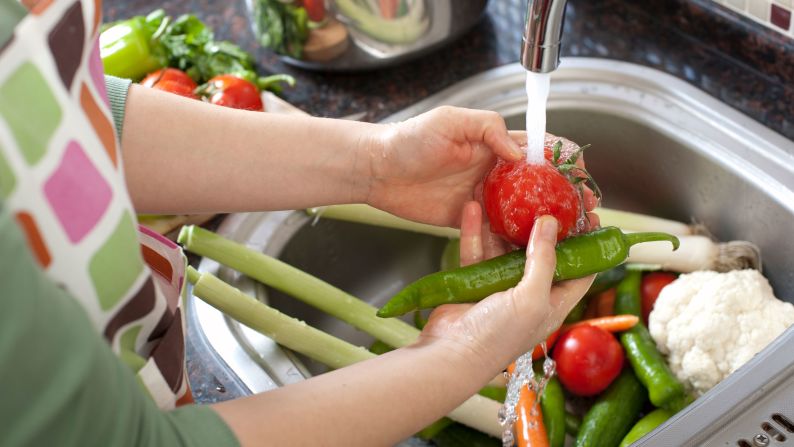
It's not a good idea to wash your veggies in the sink. "Many people defrost raw meat products in sinks or rinse raw chicken and don't do more than run water to clean it," Gerba said. "You really shouldn't be cutting up your salad in the kitchen sink."
fatihhoca/E+/Getty Images
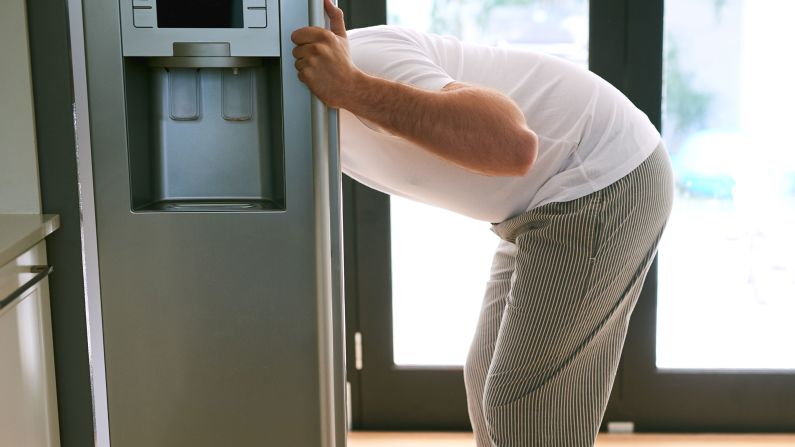
"Refrigerator handles are usually bad because the people will handle raw meat products and then go into the fridge to get something else without thinking," Gerba said.
Peopleimages/E+/Getty Images
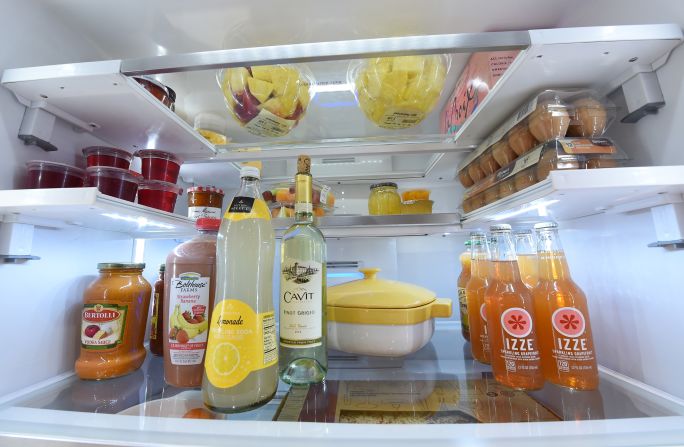
The National Sanitation Foundation found 36% of tested refrigerator meat compartments, can openers and blender gaskets contained both salmonella and E. coli, while 36% of vegetable compartments in the fridge tested positive for salmonella and 14% for listeria.
Ethan Miller/Getty Images North America/Getty Images