Fifty-five years ago, Neil Armstrong and Edwin "Buzz" Aldrin made history when they became the first humans to set foot on the moon.
Their mission, Apollo 11, was considered an American victory in the Cold War and subsequent space race, meeting President John F. Kennedy's goal of "landing a man on the moon and returning him safely to the Earth" before the end of the decade.
More than half a billion people are estimated to have watched on television as Armstrong climbed down the ladder of the Eagle lunar lander and proclaimed, "That's one small step for man, one giant leap for mankind."
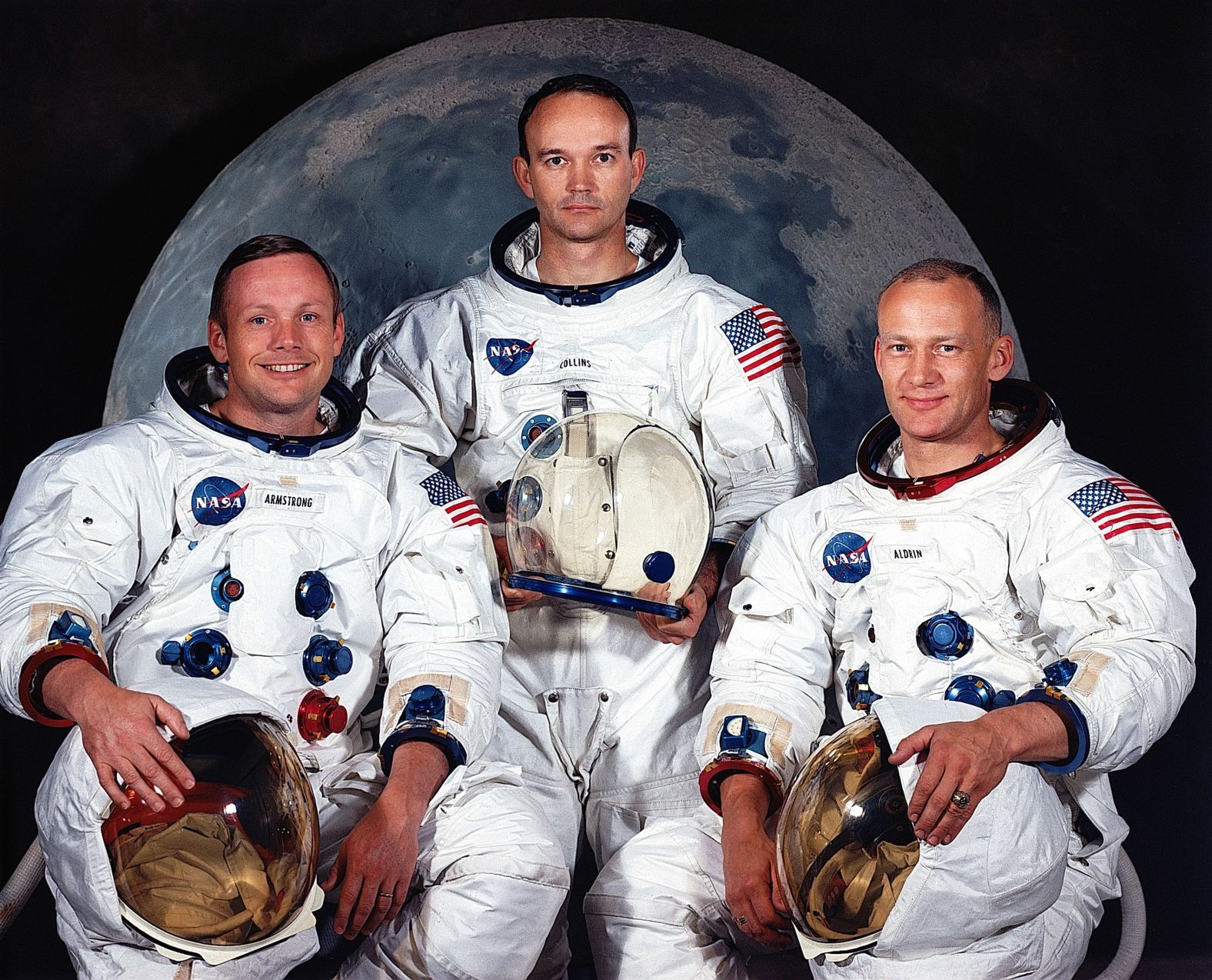
Apollo 11's crew is pictured before the launch. From left are Armstrong, Michael Collins and Aldrin. Collins piloted the command module that orbited the moon, while Armstrong and Aldrin spent time on the surface.
NASA/Hulton Archive/Getty Images

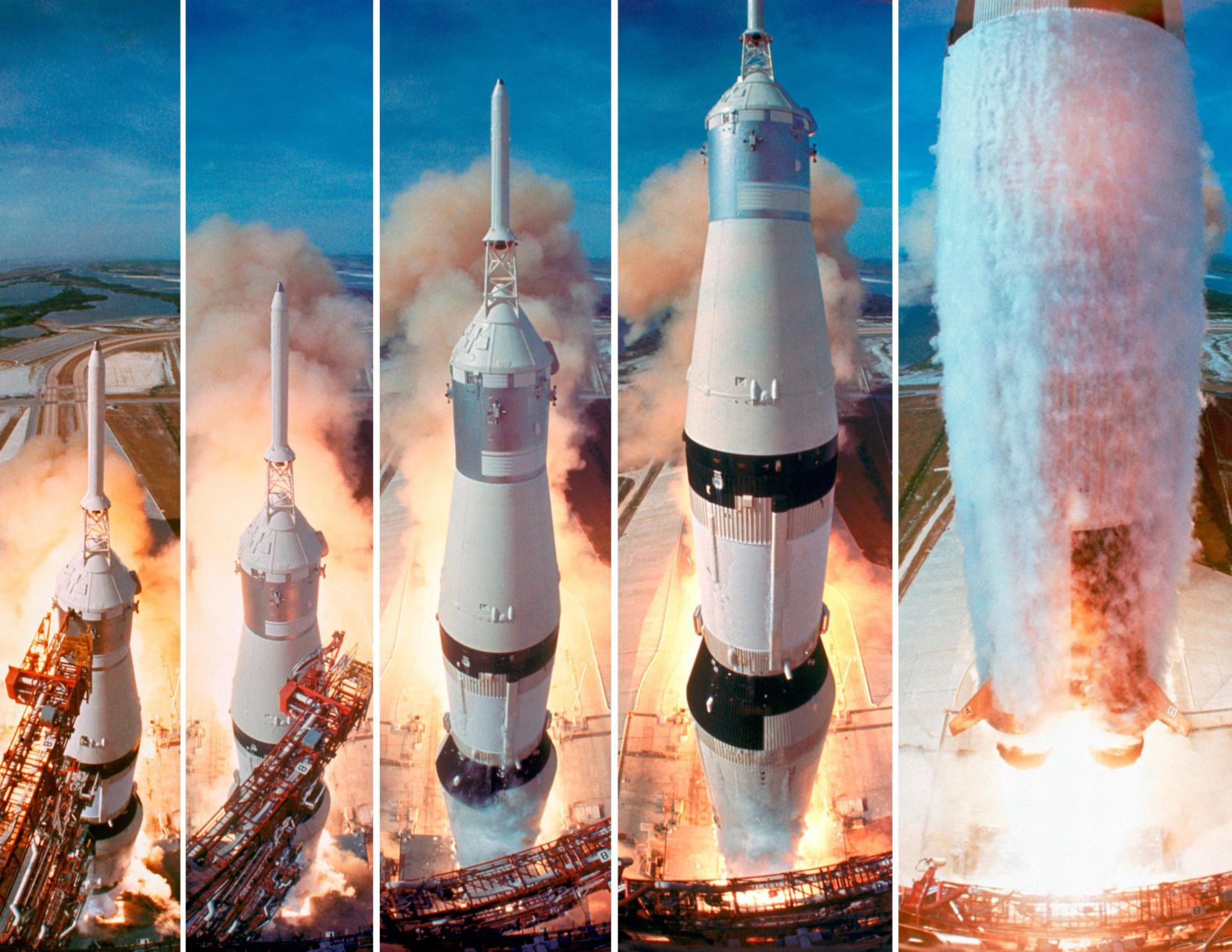
A Saturn V rocket launched Apollo 11 into space on July 16, 1969.
Ralph Morse/The LIFE Picture Collection/Getty Images

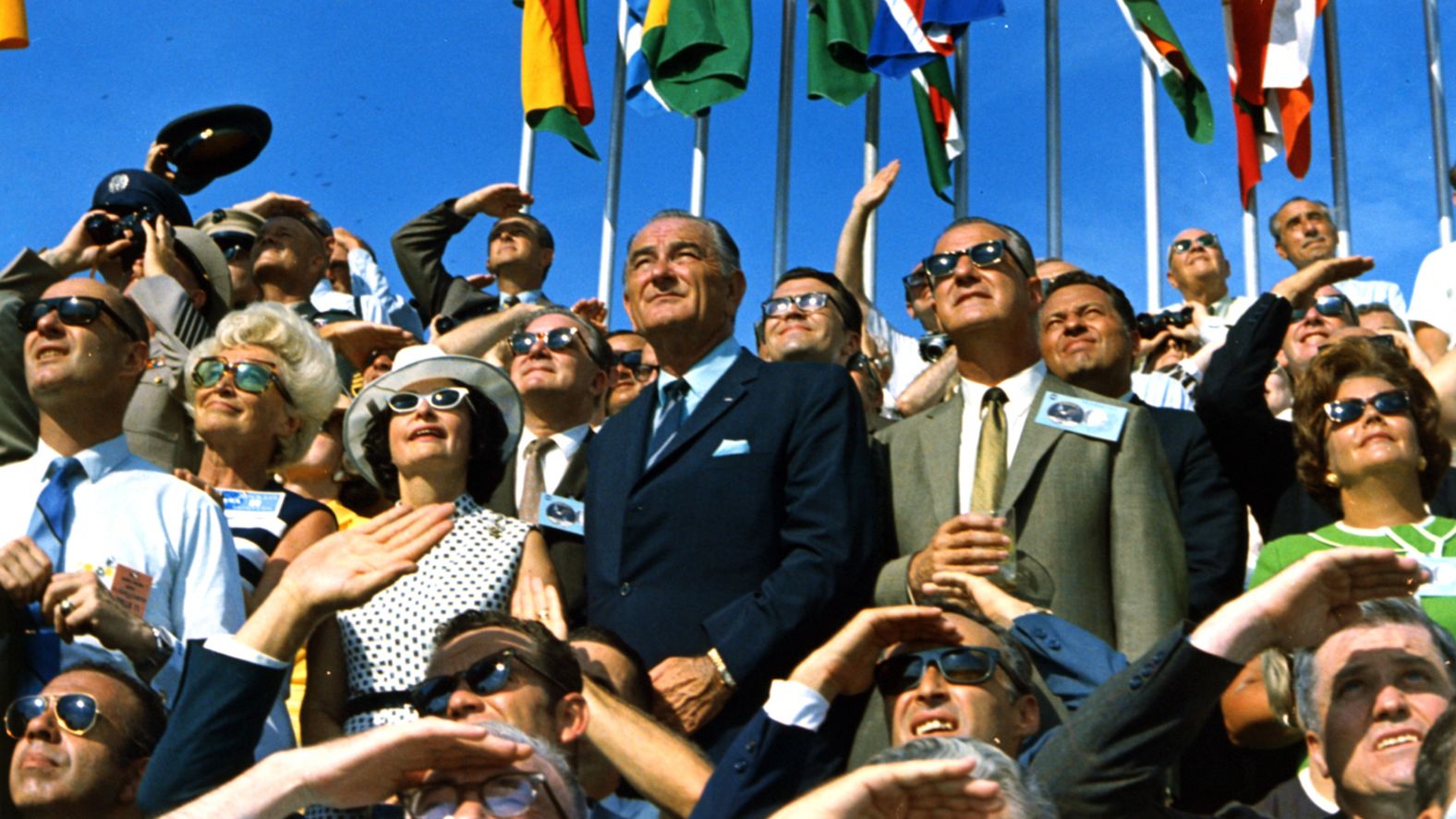
Former US President Lyndon B. Johnson and then-Vice President Spiro Agnew were among those watching the launch at Florida's Kennedy Space Center.
NASA

It took the crew 76 hours to travel 240,000 miles from the Earth to the moon.
NASA

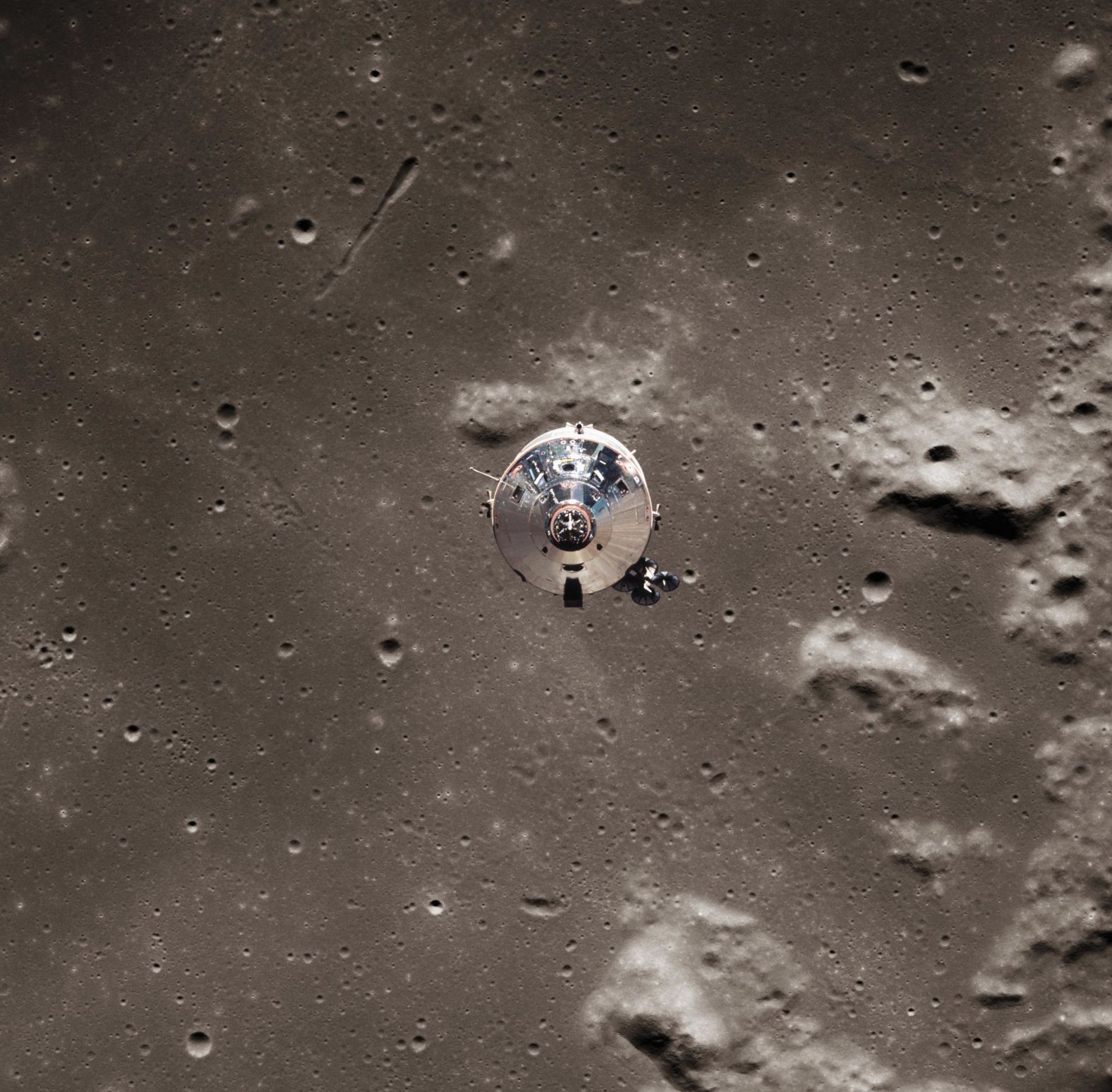
The Apollo 11 spacecraft consisted of a command module, Columbia, and a lunar module, Eagle. This image, taken from the Eagle lunar module, shows the Columbia command module pulling away near the lunar surface.
NASA/Corbis Historical/Getty Images

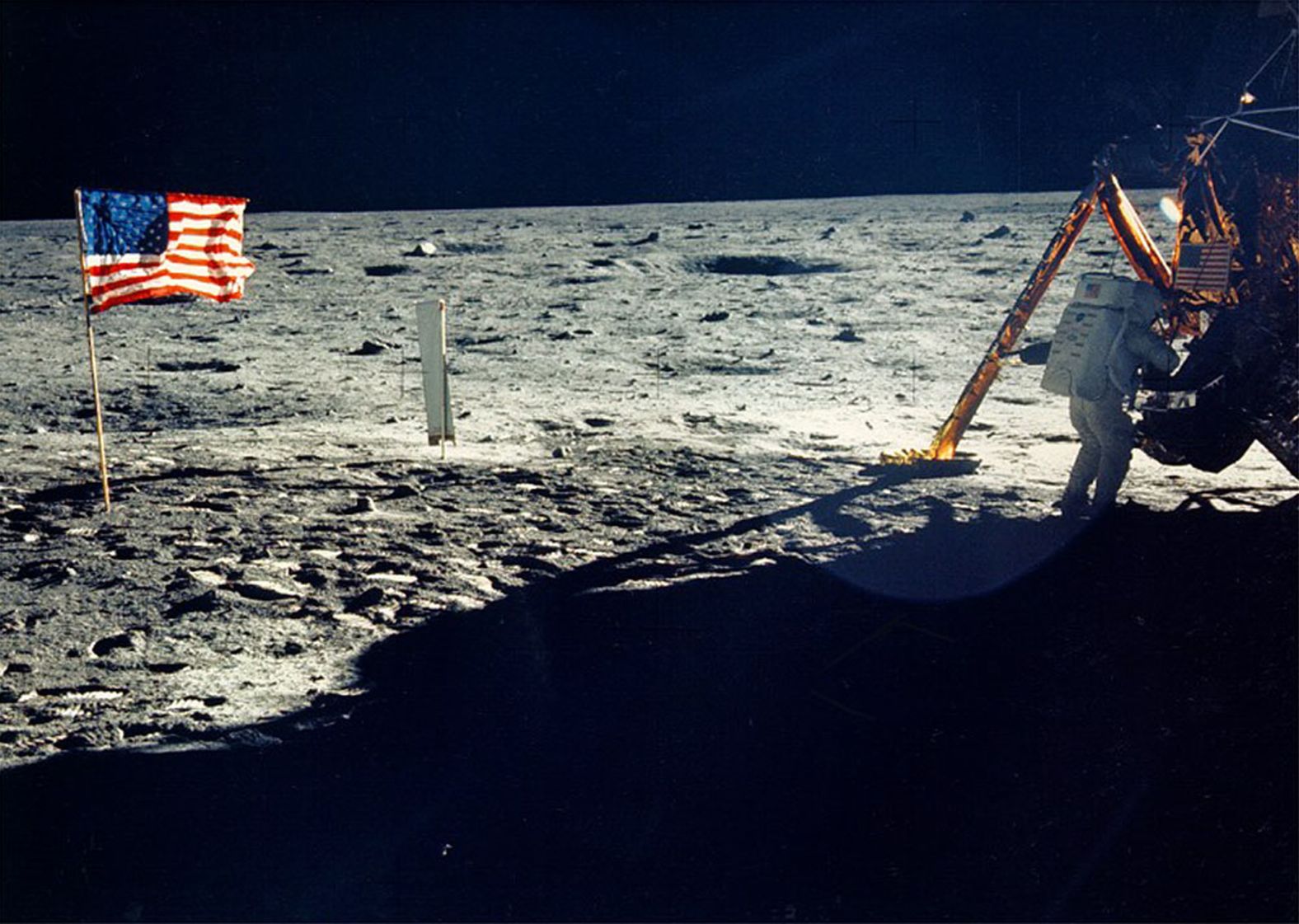
Armstrong works outside the Eagle module shortly after becoming the first man to step foot on the lunar surface. There are few photographs of Armstrong on the moon since he was the one taking most of the photos.
NASA/Hulton Archive/Getty Images

Fans at a Philadelphia Phillies baseball game cheer after the announcement that the Eagle had made a safe lunar landing on July 20, 1969.
Bill Ingraham/AP

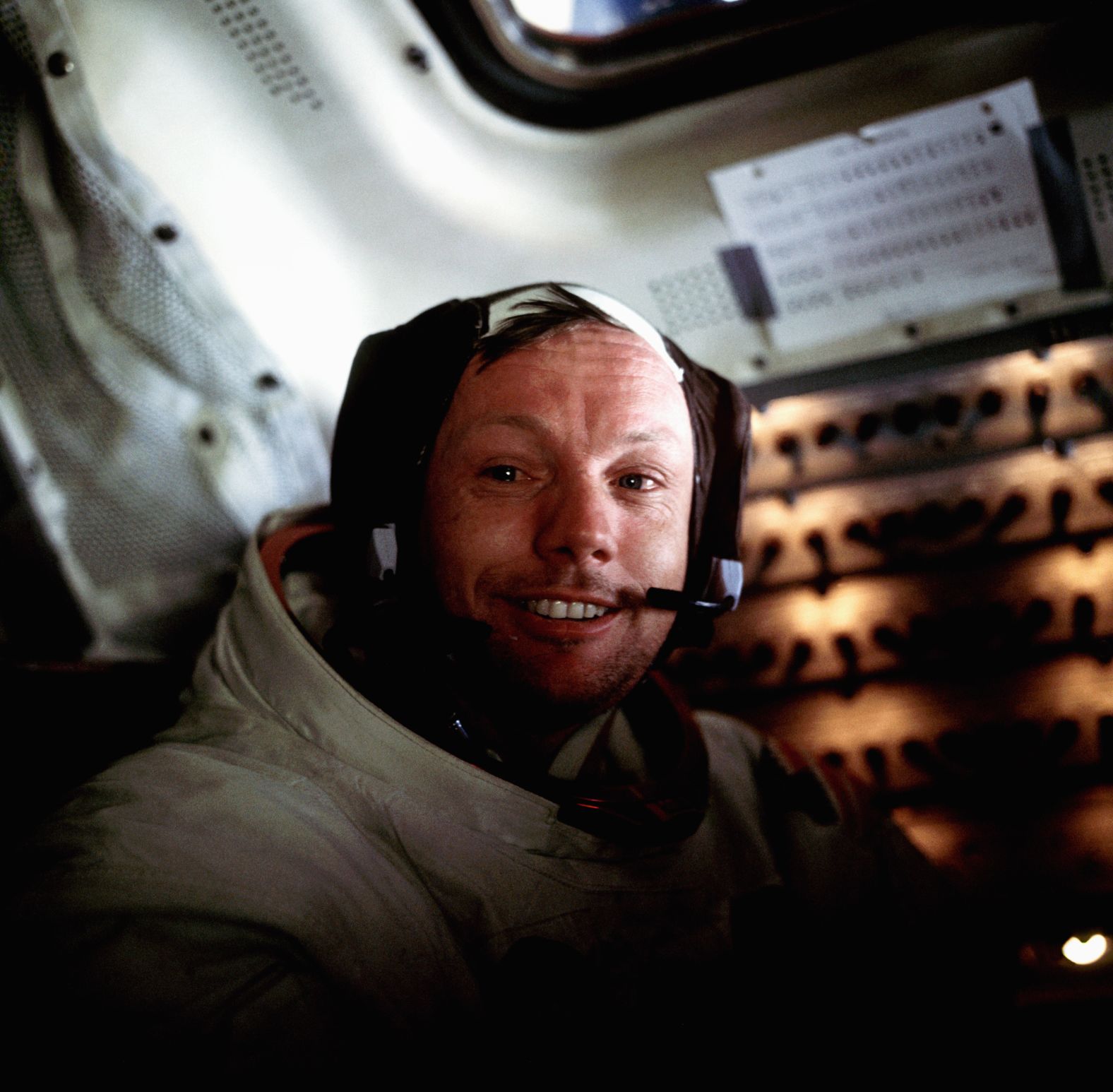
Armstrong is pictured aboard the Eagle just after the historic moonwalk. As Armstrong lowered himself to the surface, people watching around the world heard him call it "one small step for man, one giant leap for mankind." Armstrong later said he had intended to say "a man" and thought he had. Studies have been carried out over the years to discover whether he uttered that one little sound. Either way, his intention was clear.
NASA/Corbis Historical/Getty Images

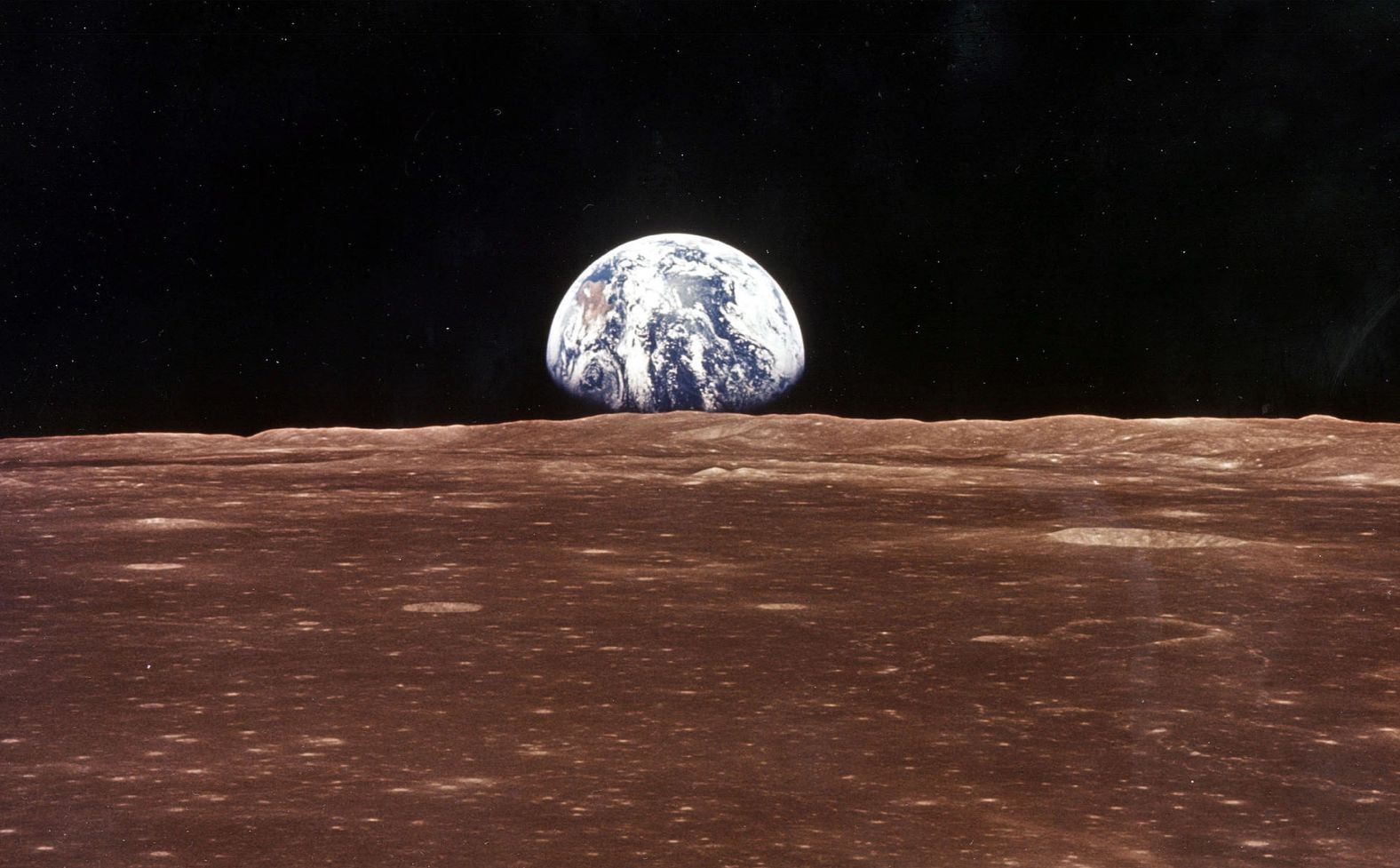
A view of Earth appears over the lunar horizon as Apollo 11's command module comes into view of the moon.
NASA/Hulton Archive/Getty Images

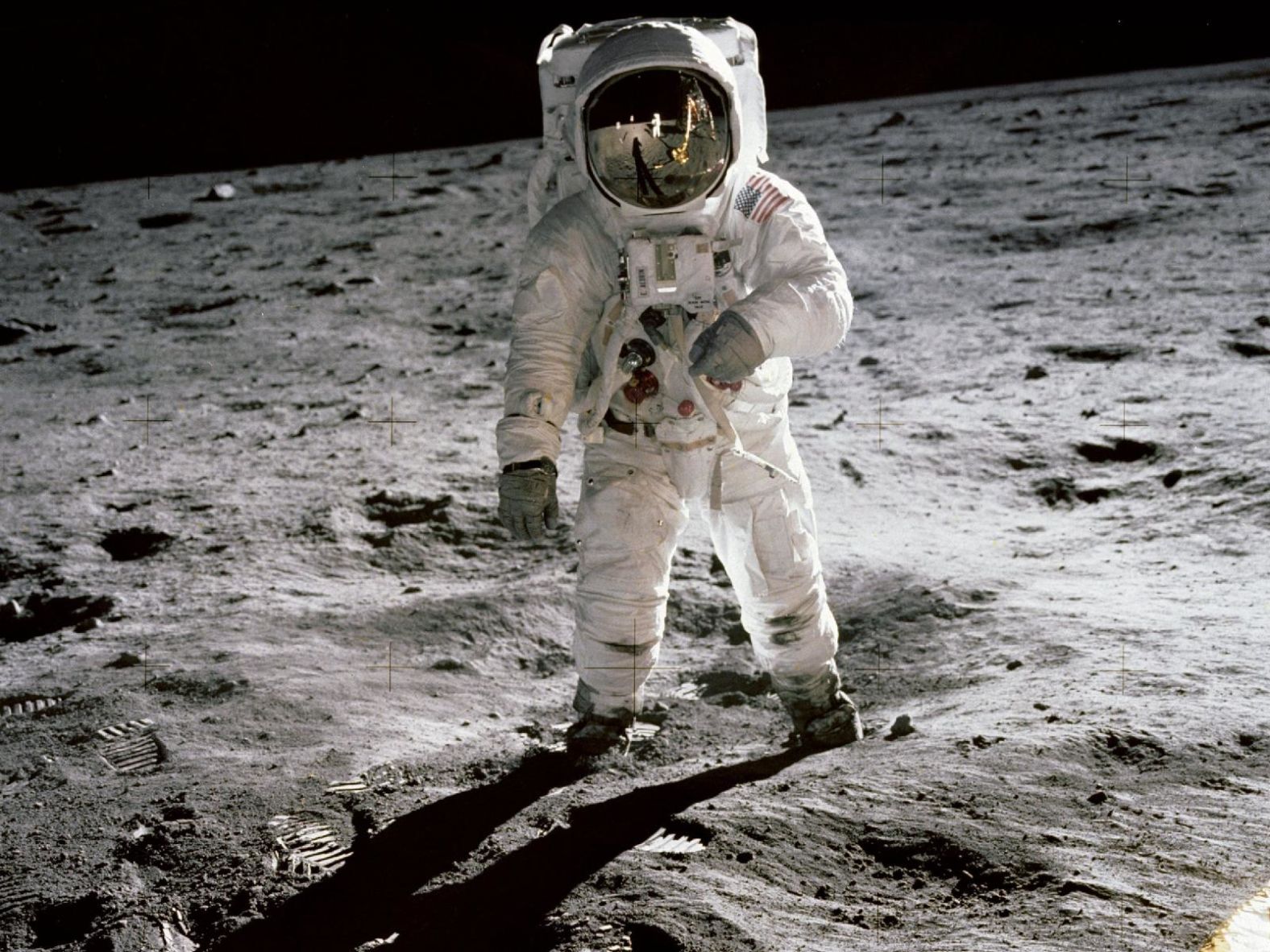
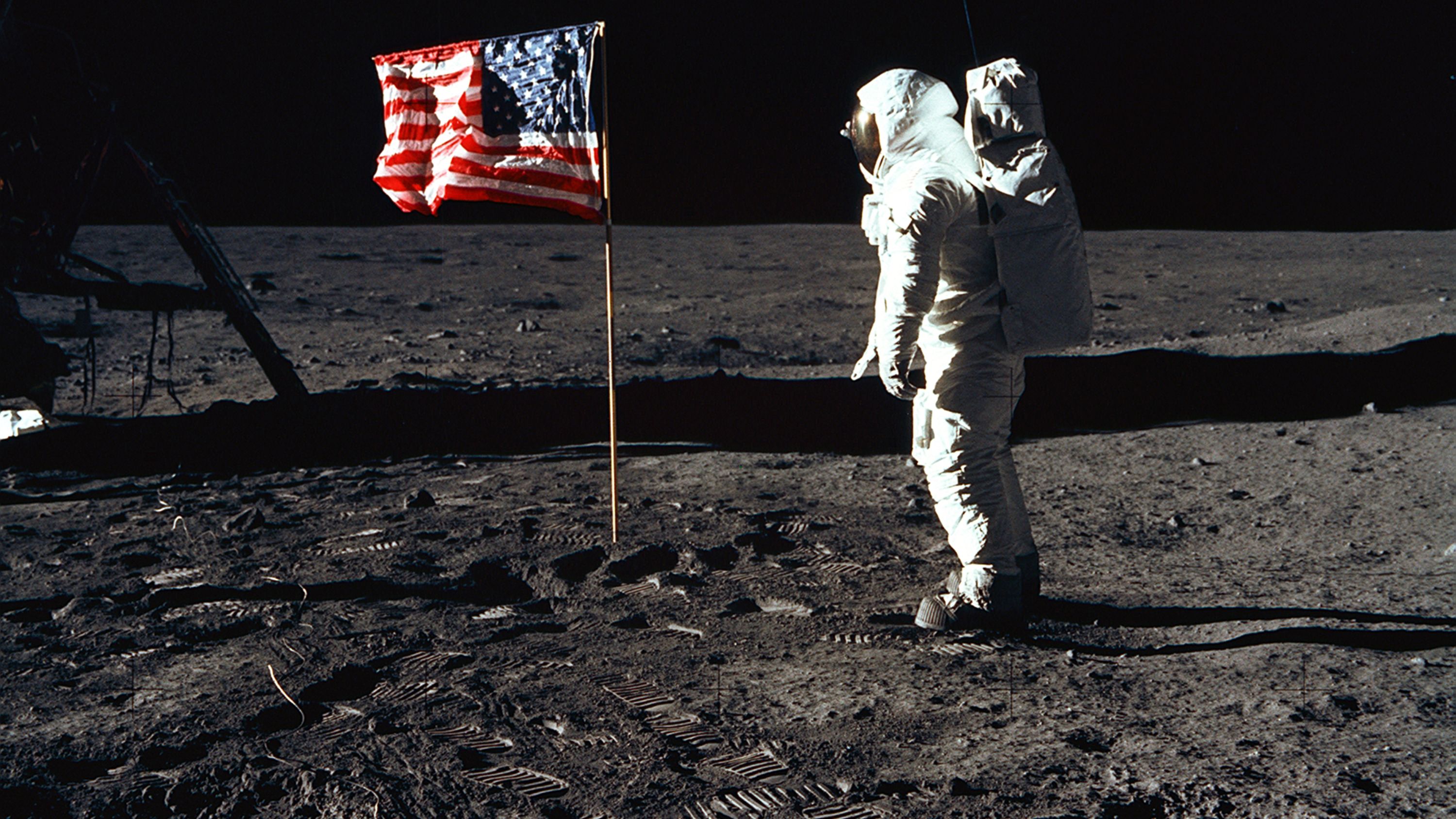
Aldrin walks on the surface of the moon. He and Armstrong spent a little over two hours collecting rock samples and data near the moon's Sea of Tranquility region. They also left behind a plaque signed by all three crew members and President Richard Nixon. The plaque reads: "Here men from the planet Earth first set foot upon the moon, July 1969 A.D. We came in peace for all mankind."
NASA

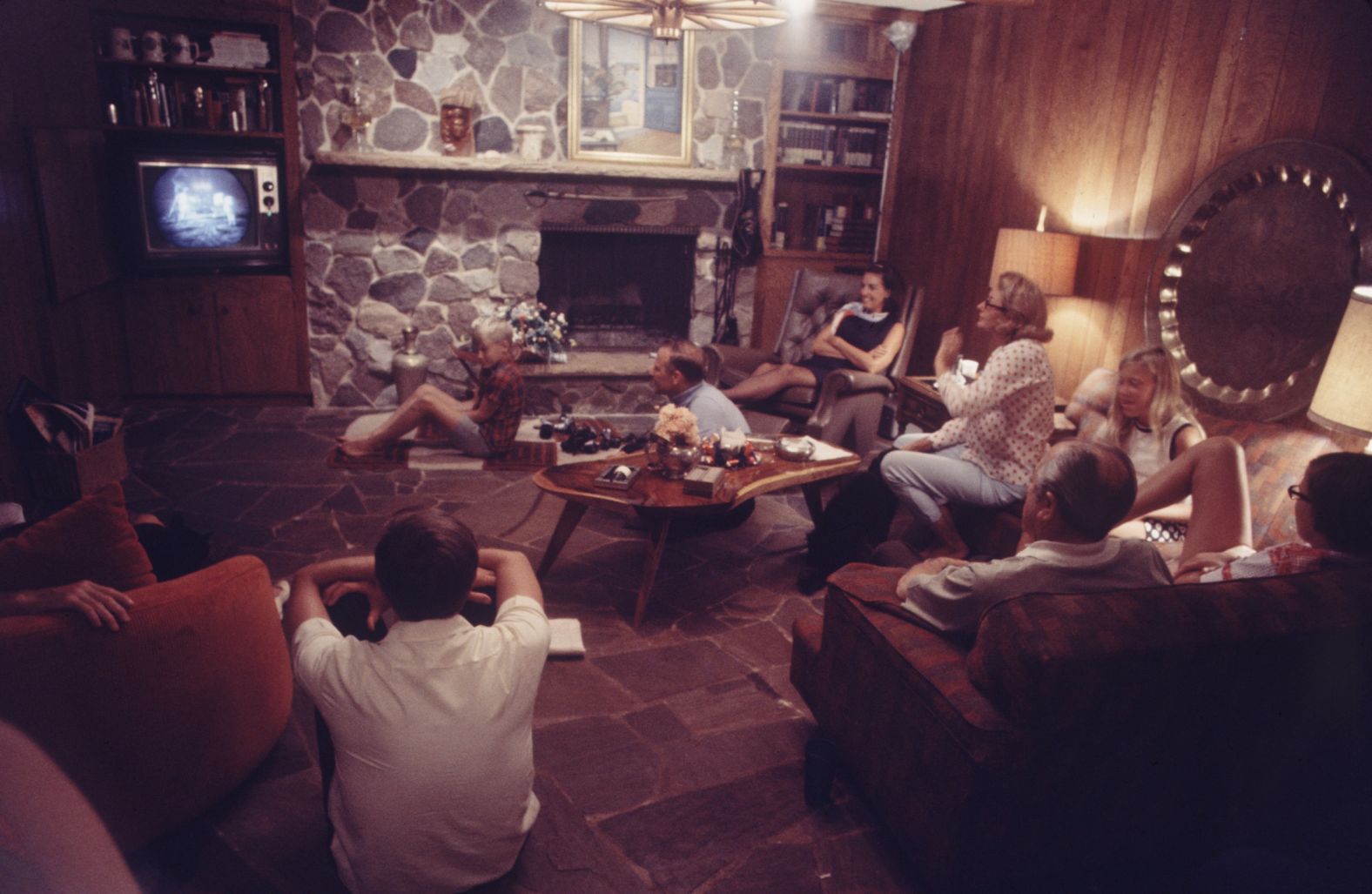
Aldrin's family and friends watch the mission on television from his home in Texas. Aldrin's then-wife, Joan, is in the polka-dot shirt. ABC, CBS and NBC spent $11 million to $12 million to cover the mission from July 20-21.
Lee Balterman/The LIFE Picture Collection/Getty Images

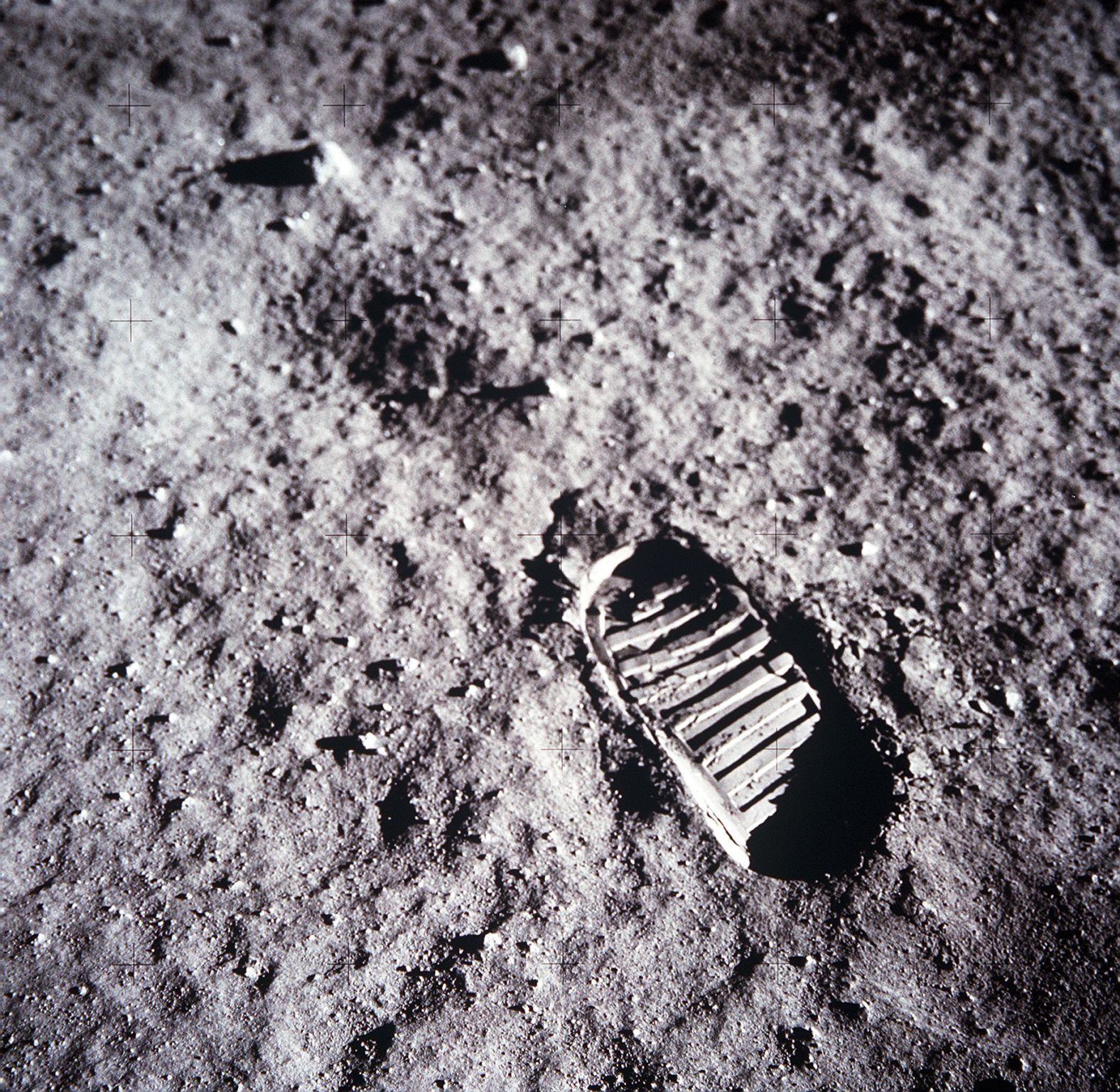
An astronaut's boot print leaves a mark on the lunar surface.
NASA/Hulton Archive/Getty Images

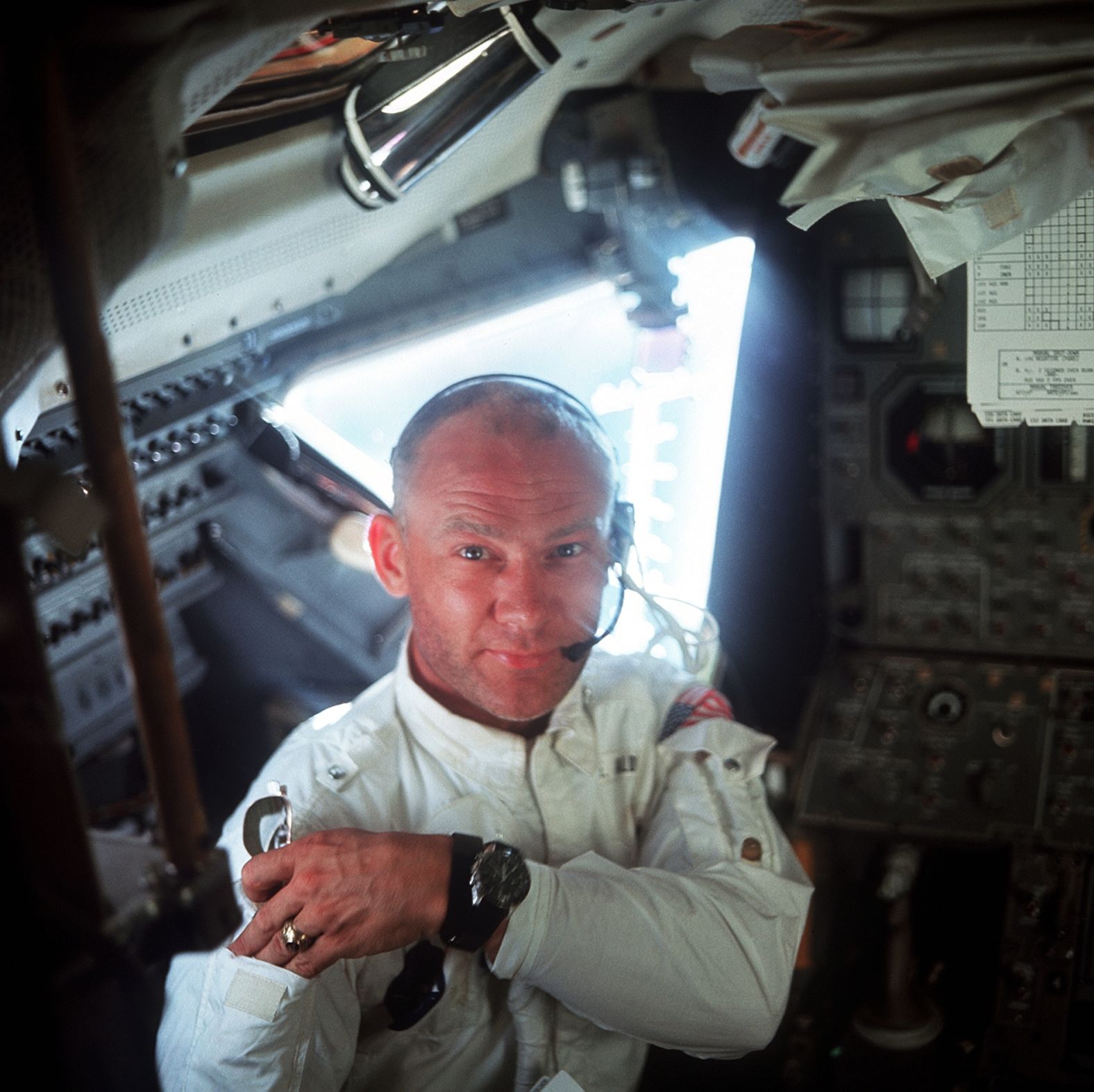
Aldrin, the lunar module pilot on the Apollo 11 mission, is pictured before the moon landing.
NASA

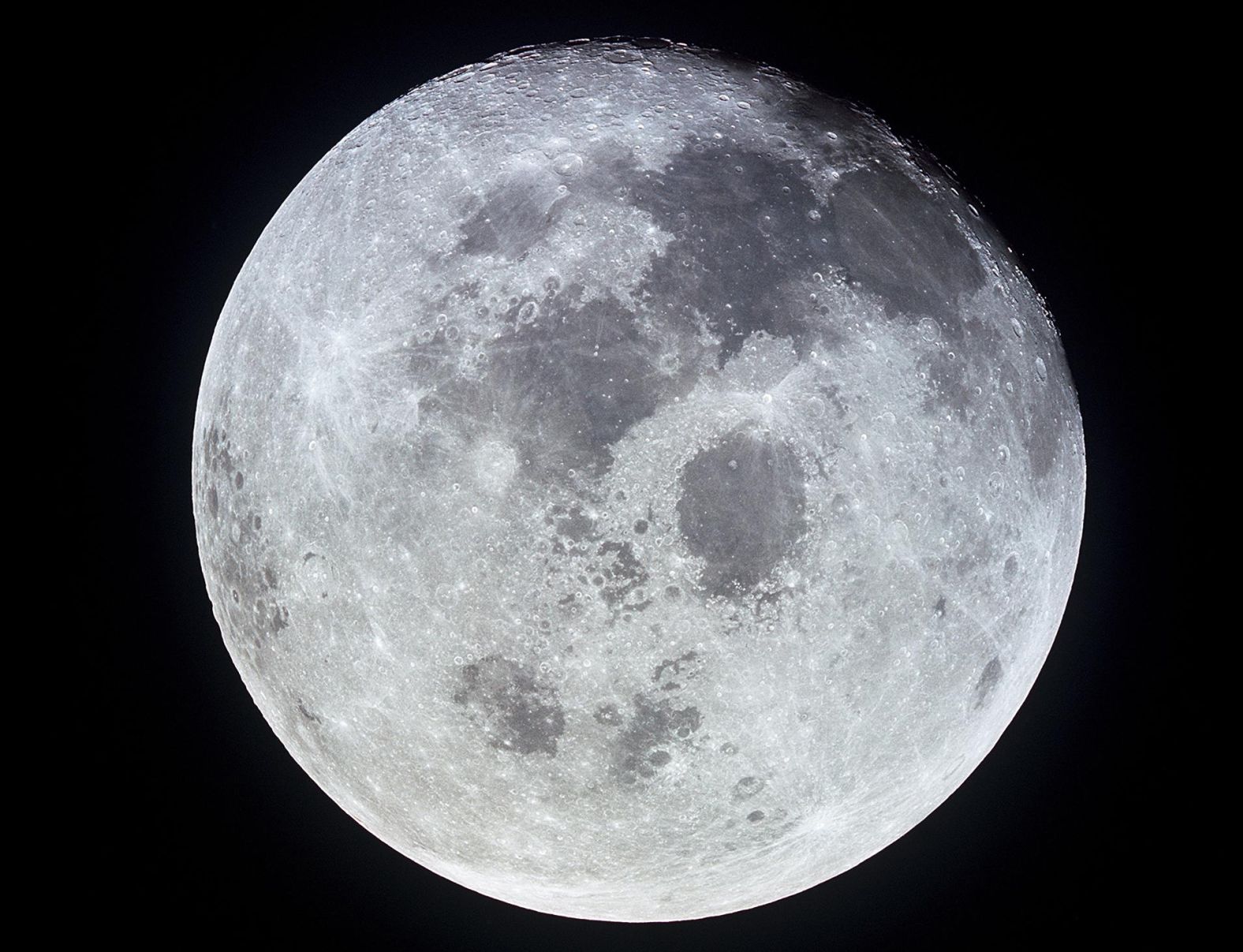
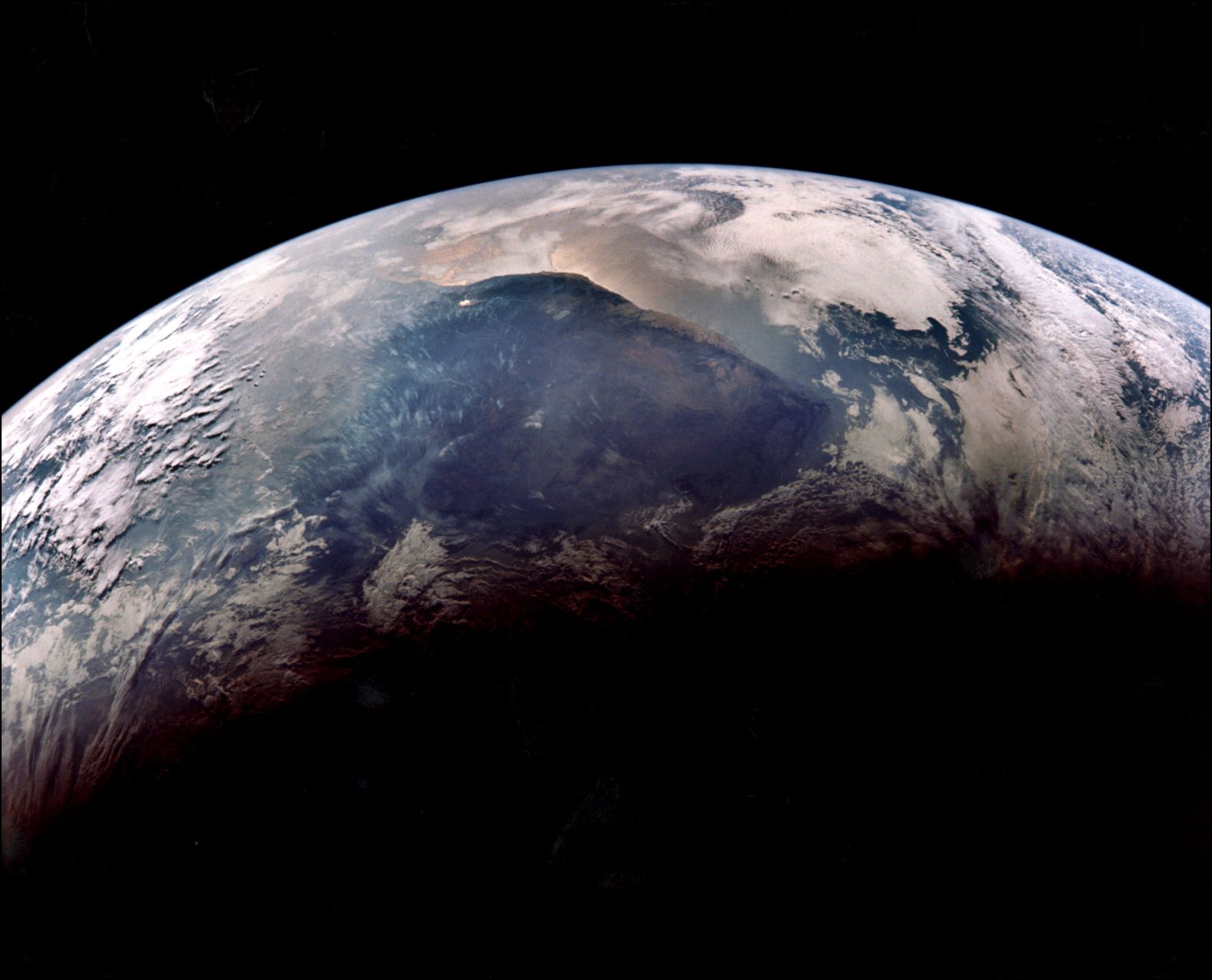
Apollo 11 photographed this view of Earth as it approached on its return from the moon.
AFP/Getty Images

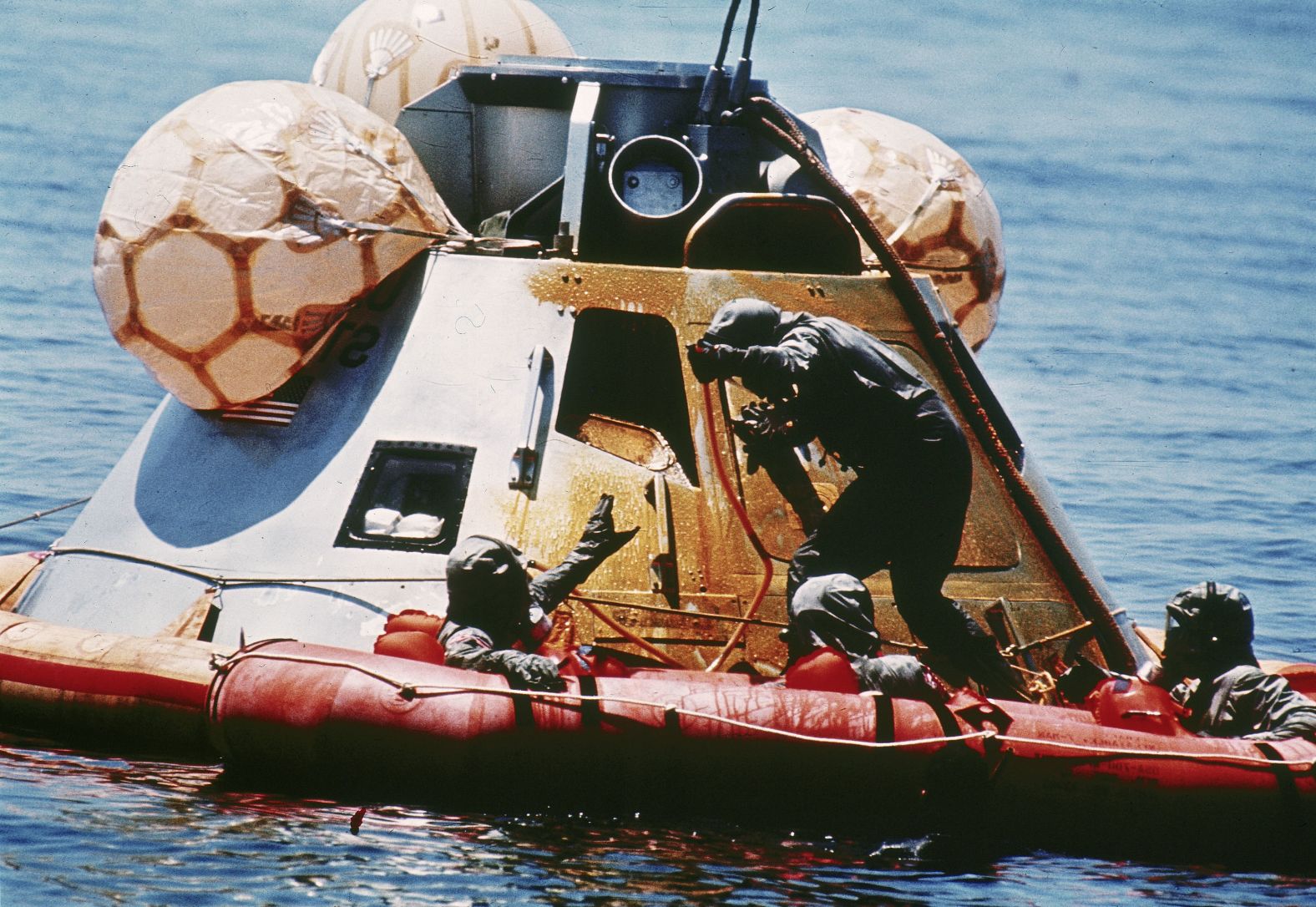
US Navy personnel assist the astronauts after their reentry vehicle landed safely in the Pacific Ocean on July 24, 1969.
AP

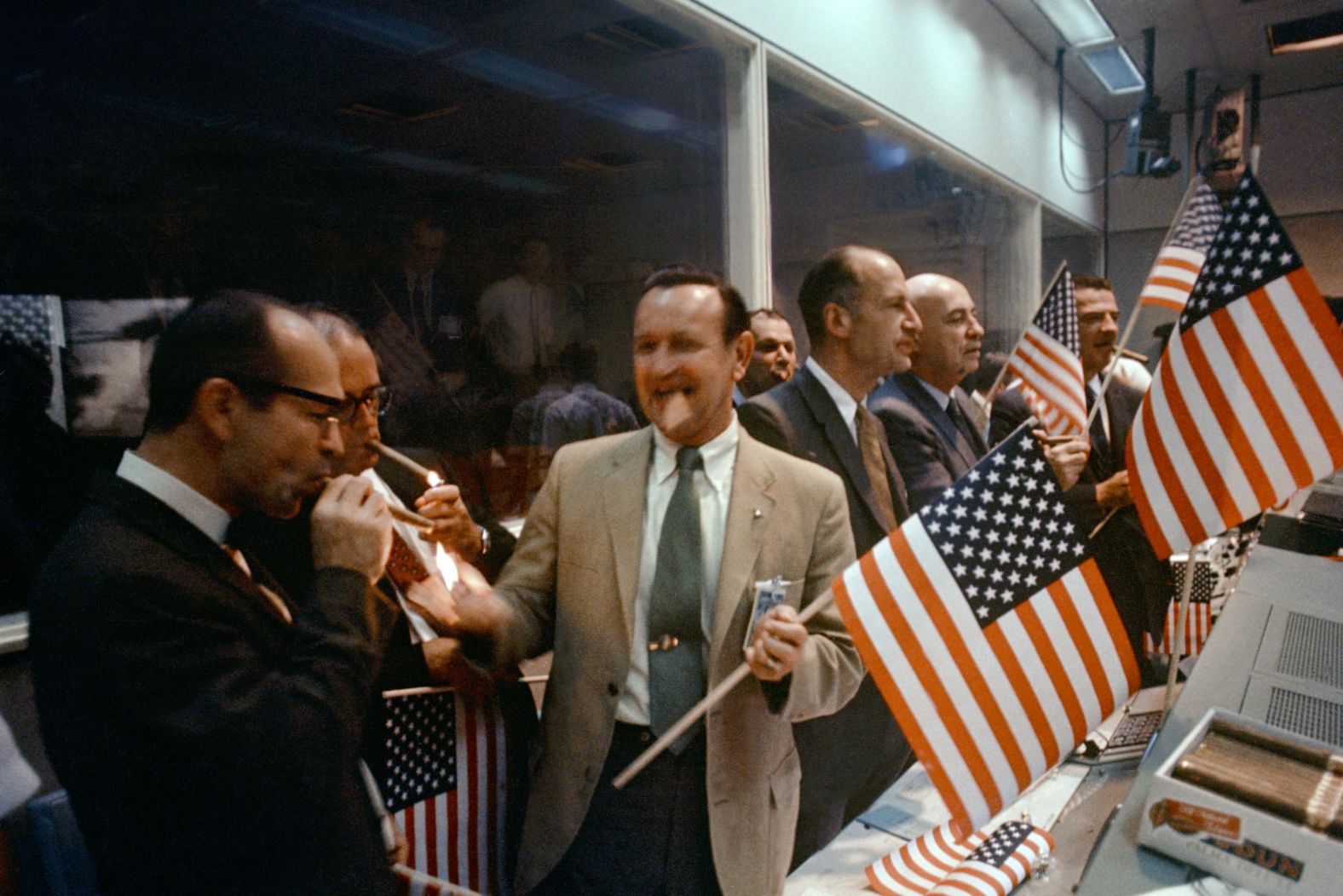
NASA officials and flight controllers celebrate the successful conclusion of the mission.
NASA

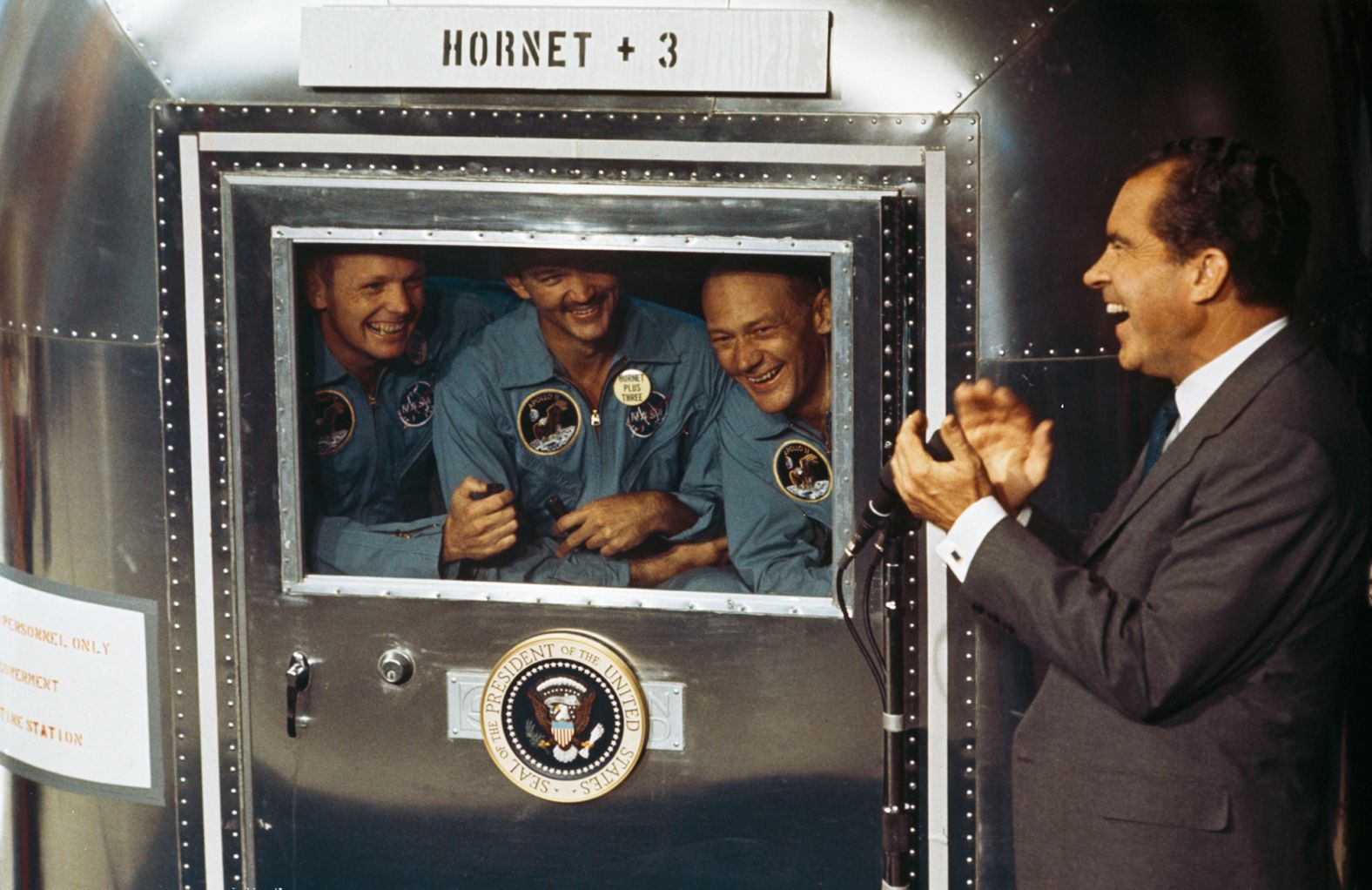
Nixon spends time with the astronauts, who were in a quarantine trailer for their first few days back on Earth. From left are Armstrong, Collins and Aldrin. Since Apollo 11, only 10 other people have walked on the moon. The last was in 1972 during the Apollo 17 mission.
MPI/Getty Images