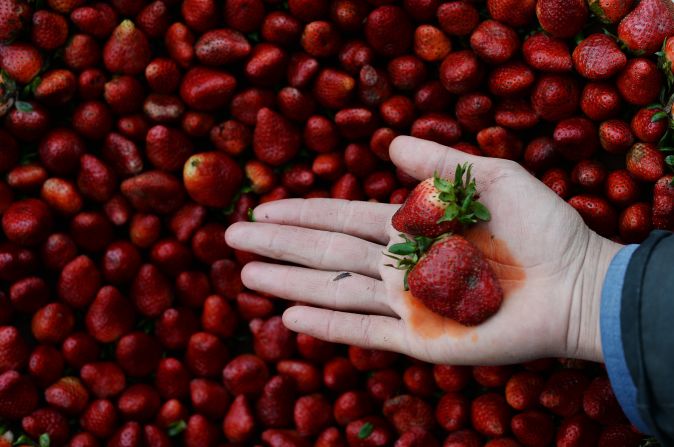
Strawberries topped the dirty dozen list in 2018 for the third year in a row. One strawberry sample revealed 22 separate pesticide residues, and a third of all samples contained 10 or more pesticides. However, the most recent Pesticide Data Program report issued by the US Department of Agriculture indicates that when pesticide residues are found on foods, they are nearly always at levels below the human tolerance limits set by the US Environmental Protection Agency.
SHAH MARAI/AFP/Getty Images
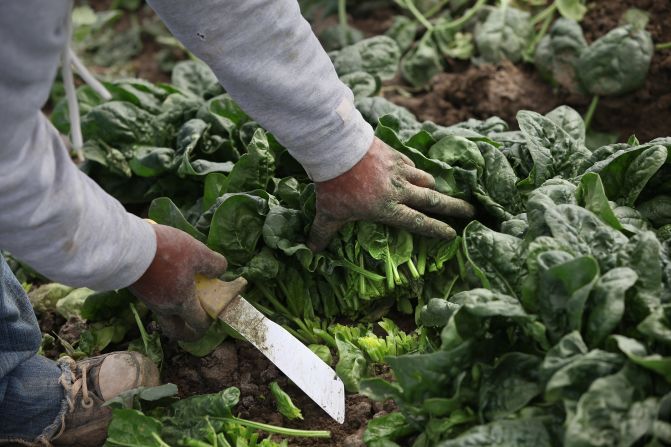
Spinach —
Spinach, in the second spot this year, had relatively high concentrations of a neurotoxic or brain-damaging insecticide. Overall, 97% of spinach samples contained pesticide residues.
John Moore/Getty Images
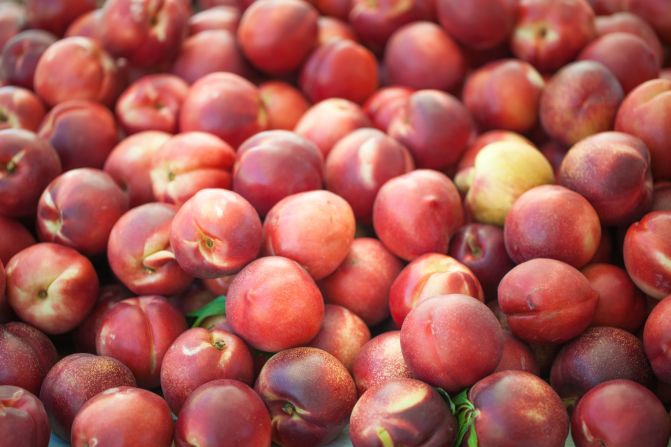
Nectarines —
Nearly 94% of tested nectarines, third on the list, contained two or more pesticides, while a single sample showed residue from 15 separate pesticides.
Shutterstock
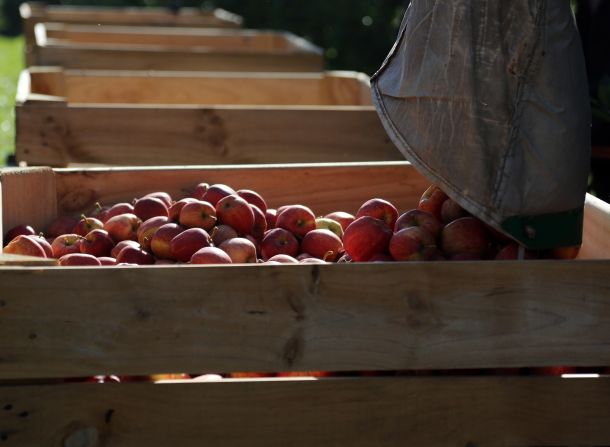
Apples —
Nine out of every 10 apples showed pesticide residue, while eight out of every 10 samples contained a pesticide banned in Europe due to the belief that it causes cancer. Apples rank fourth among the dirty dozen.
Matt Cardy/Getty Images
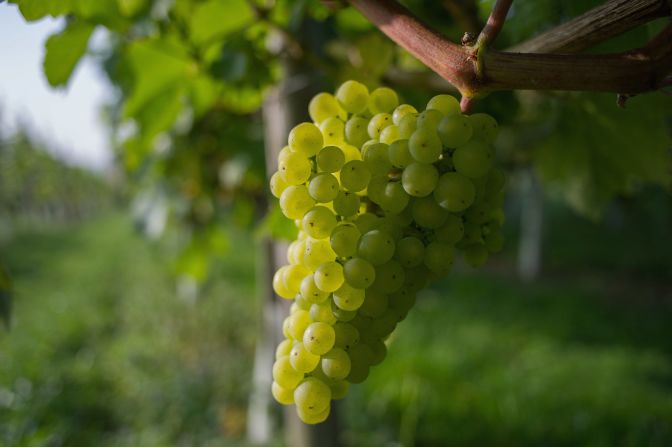
Grapes —
On average, grape samples contained five pesticide residues in 2018. With more than 96% of grape samples testing positive for pesticides, the Environmental Working Group placed this popular fruit in position five on its annual list of dirty produce.
Ian Forsyth/Getty Images
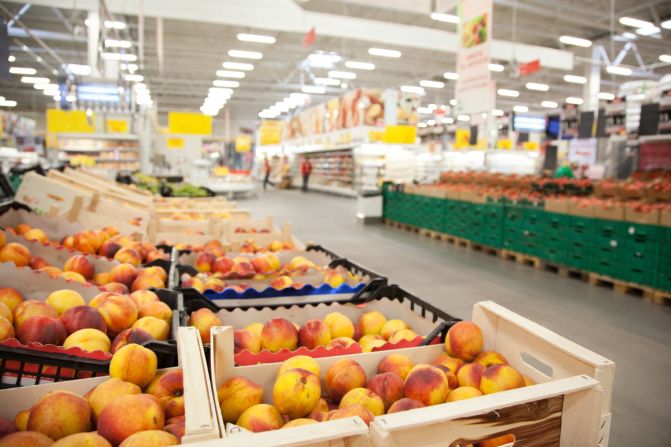
Peaches —
Close to every peach sample tested -- 99% -- showed detectable pesticide residue. Ranking sixth out of 12, peaches showed, on average, four pesticides per sample.
Shutterstock
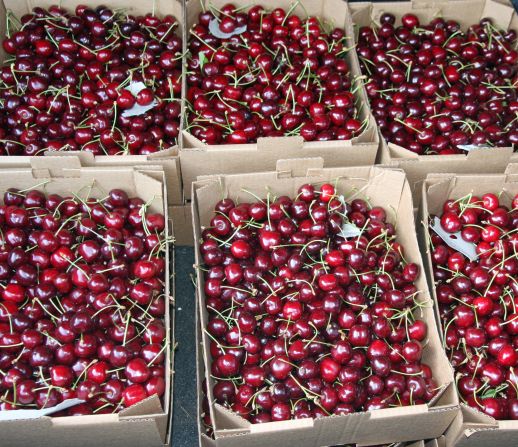
Cherries —
On average, samples of cherries contained five pesticides, while nearly a third contained a pesticide that European health authorities believe causes cancer. The group placed cherries in the seventh position among the dirty dozen.
Shutterstock
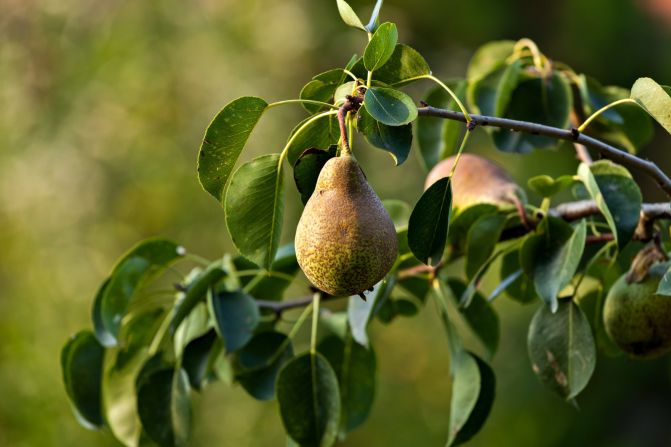
Pears —
Several pesticides in high concentrations, including insecticides and fungicides, were found on this eighth-ranking stone fruit. More than half of all pears had residues of five or more pesticides, the group found.
shutterstoc
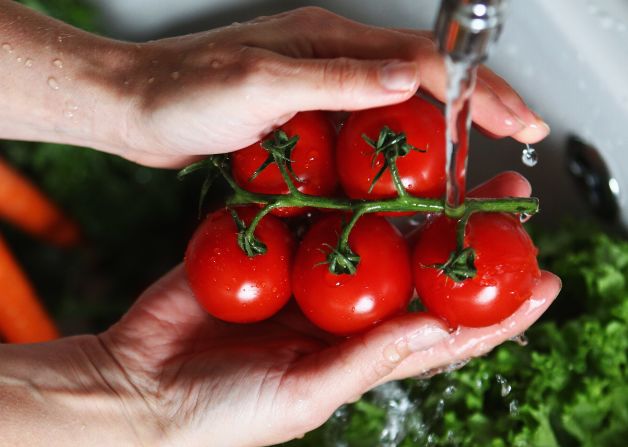
Tomatoes —
Tomatoes, ninth among the dirty dozen, showed four pesticides on average, while a single sampled showed a variety of pesticides.
Joern Pollex/Getty Images/File
Celeries —
Nearly all celery samples -- 95% -- contained pesticide residue, with 13 pesticides found on a single sample. For these reasons, the Environmental Working Group placed this popular produce in position 10 among 2018's dirty dozen.
Shutterstock
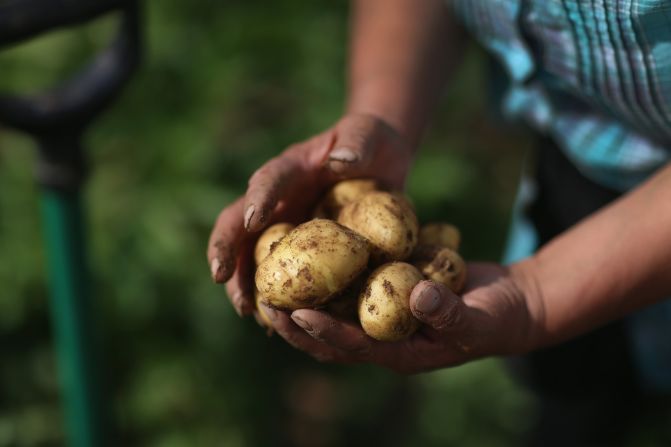
Potatoes —
By weight, potatoes contained more residual pesticides than any other crop, with a single chemical contributing the bulk. Potatoes just avoided the top 10 dirtiest produce, slipping onto the dirty dozen list in position 11.
Joe Raedle/Getty Images
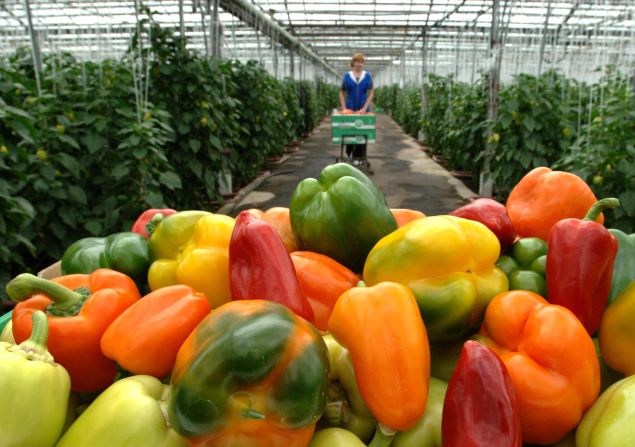
Sweet Bell Peppers —
Sweet bell peppers round out the list of 2018's dirty dozen. Almost 90% of sweet bell pepper samples contained residual pesticides. This vegetable may contain fewer pesticides than other foods on the list, but the pesticides tend to be more toxic to human health, the group says.