Oldest town in Denmark holds clues to the Viking Age
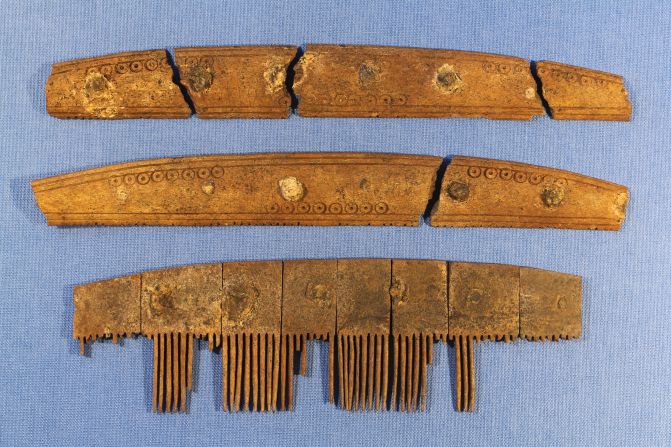
This 1,200-year-old comb was discovered by archaeologists during excavations of Ribe, an ancient market town in Denmark. The teeth would have fitted between the two connecting plates, now detached because the tiny iron nails have corroded.
Courtesy The Museum of South Western Jutland
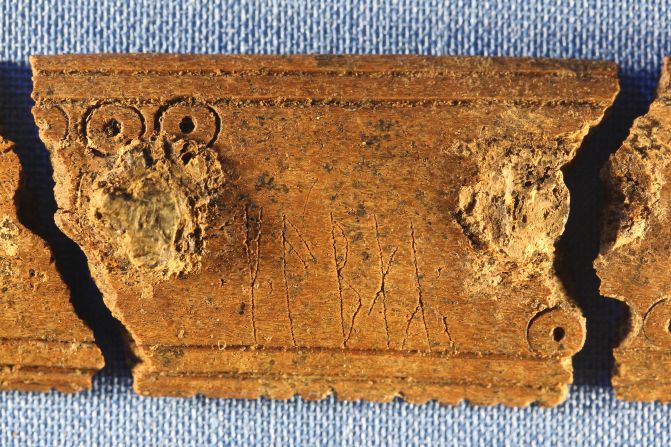
A word is etched onto the surface of the comb, in the Viking runic alphabet. It spells "kąbaʀ," which means "comb." On the other side, the verb "to comb" is inscribed. These runes could be one of the earliest examples of the new Viking alphabet, following its sudden change around 800 AD.
Courtesy The Museum of South Western Jutland
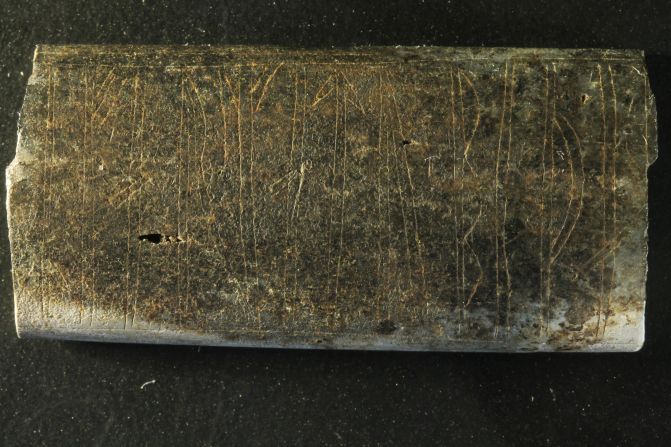
A fragment from a plate made from bone or antler was found nearby. This also had a runic inscription, in a more formal style of writing thought to be decorative. The inscription says "...Rfark(or 'm')atubiÞa..." The meaning is yet to be deciphered.
Courtesy The Museum of South Western Jutland
The Vikings were Scandinavian seafaring warriors. They colonized wide areas of Europe from the 9th-11th Century AD. Their empire reached as far as Greenland.
Hulton Archive/Hulton Archive/Getty Images
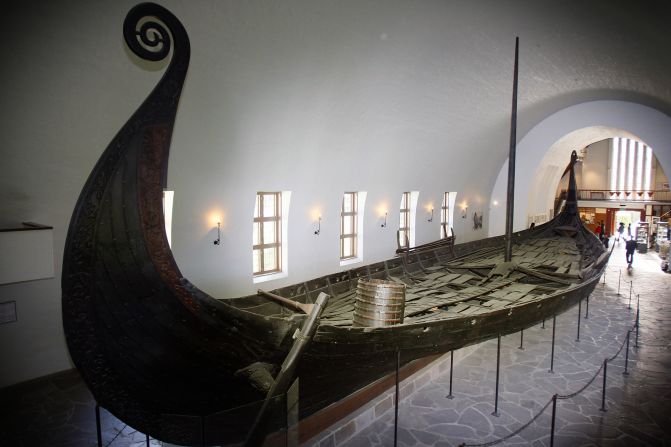
The Viking Age is known for its sea fleets. They would set sail to foreign lands to conquer new lands, or find wares for new trade. This is the Oseberg ship on display at the Viking Ship Museum in Oslo.
JUNGE, HEIKO/AFP/Getty Images
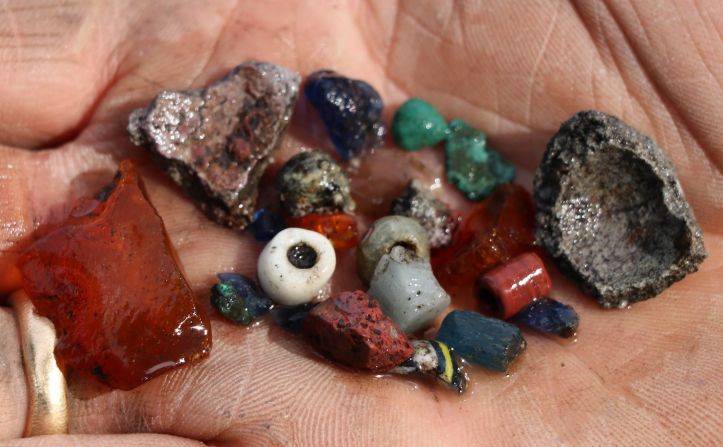
The excavation in Ribe, carried out by a team of Danish archaeologists from Aarhus University, has unearthed many Viking treasures. This is a selection of the finds from just one bucket of soil from the street of the Viking marketplace. It includes bits of amber, glass beads, fragments of glass vessels, pieces of bronze and parts of crucibles used for melting metal .
Courtesy The Museum of South Western Jutland
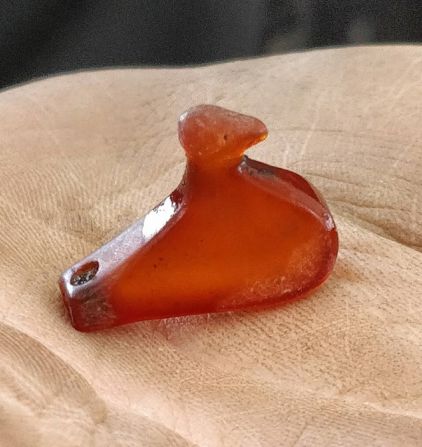
This is a small bird figure carved in amber. The hole in the tail suggests it could have been used as a bead in a necklace.
Courtesy The Museum of South Western Jutland
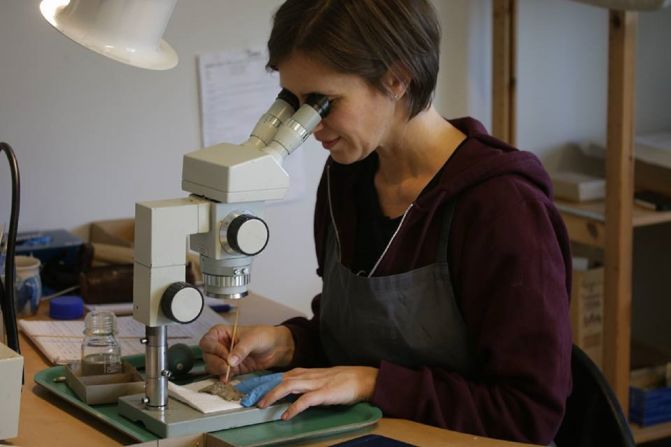
The team's chief conservator Karen Lovén cleans a lead model (see next slide) found at Ribe -- which lead archaeologist Sindbæk refers to as the "Athens of the Vikings".
Courtesy The Museum of South Western Jutland
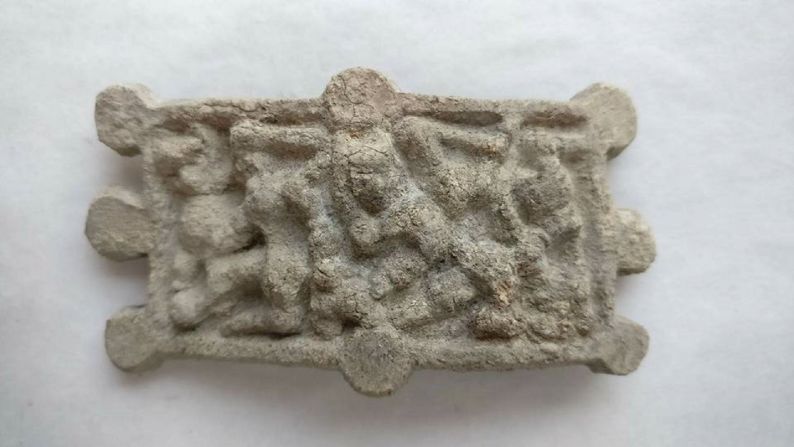
This is the lead model, which would have been pressed into clay to produce casting molds for copper alloy objects. Using models like these, Viking-age craftsmen in Ribe were able to mass produce popular ornaments.
Courtesy The Museum of South Western Jutland
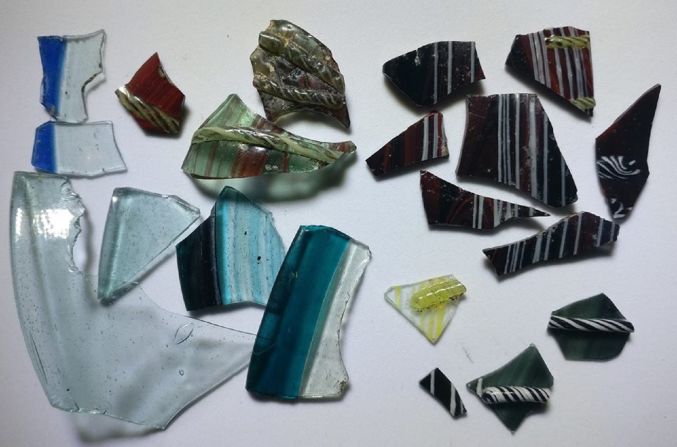
These fragments of glass vessels come from the Frankish kingdom. They may have been produced in Cologne, Germany. Decorated drinking glasses like these held great prestige among the Vikings, and archaeologists have found many shards of them in Ribe, which testifies how it was one of the major trading hubs.
Courtesy The Museum of South Western Jutland
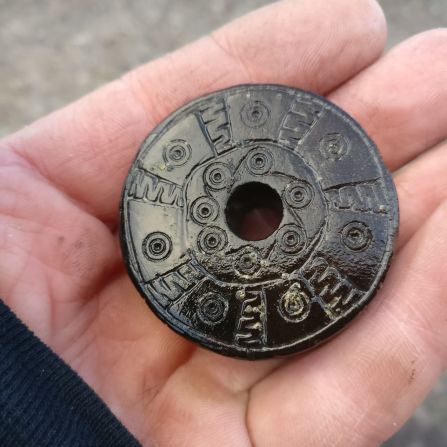
This is a spindle whorl carved from red deer antler, found in Ribe. It would have been used as a weight to stabilize and reinforce the rotation of the spindle when producing woolen yarn.
Courtesy The Museum of South Western Jutland
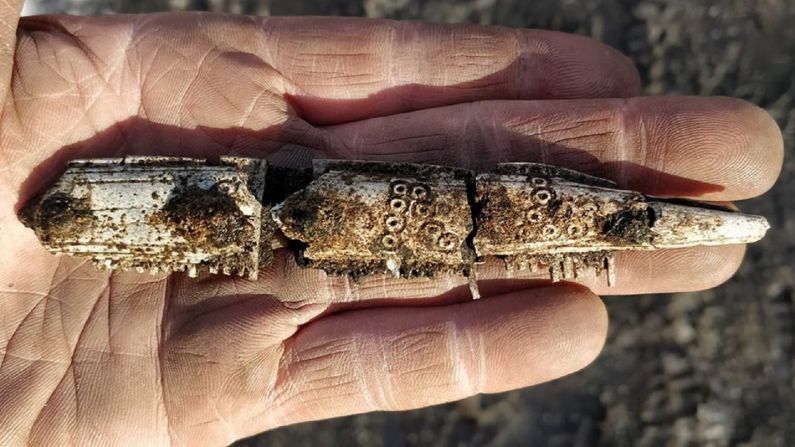
This is a fragment of another antler comb, which would have been similar to the one with runes. This one is decorated with ring-and-dot ornaments. The comb was burned, hence the white color.
Courtesy The Museum of South Western Jutland
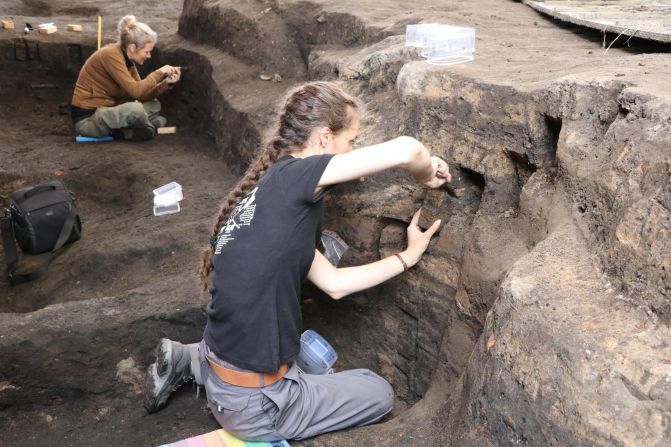
Two field assistants sample the soil for geological analysis, which helps to understand the detailed history of how the layers have formed. Ribe has many very rich archaeological layers where some bone and wood has been preserved.
Courtesy The Museum of South Western Jutland
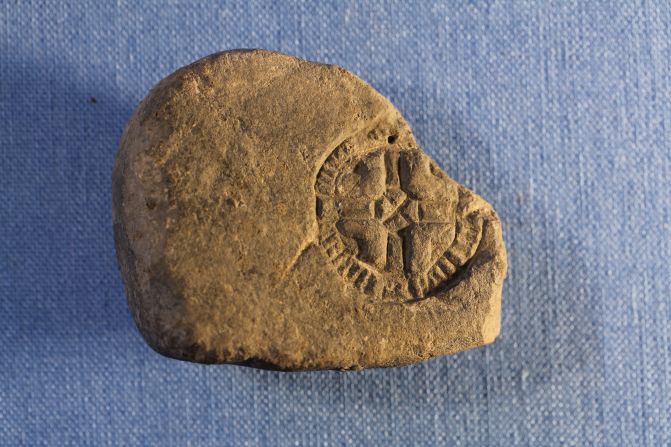
This stone would have been a casting mold for small lead amulets. The cross symbol may show influence from Christian mission.
Courtesy The Museum of South Western Jutland
This 1,200-year-old comb was discovered by archaeologists during excavations of Ribe, an ancient market town in Denmark. The teeth would have fitted between the two connecting plates, now detached because the tiny iron nails have corroded.
Courtesy The Museum of South Western Jutland
This 1,200-year-old comb was discovered by archaeologists during excavations of Ribe, an ancient market town in Denmark. The teeth would have fitted between the two connecting plates, now detached because the tiny iron nails have corroded.