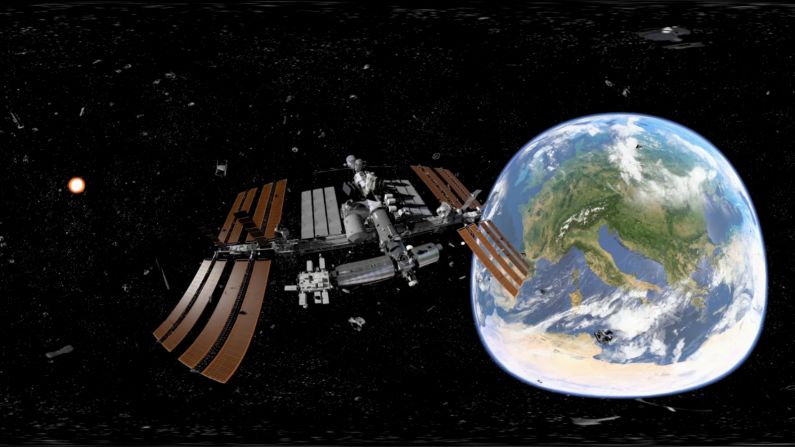
Schools around the world are introducing virtual reality (VR) applications. Students can explore faraway countries or take a virtual trip to the International Space Station, as in this scene produced by Discovery VR.
Courtesy Discovery VR
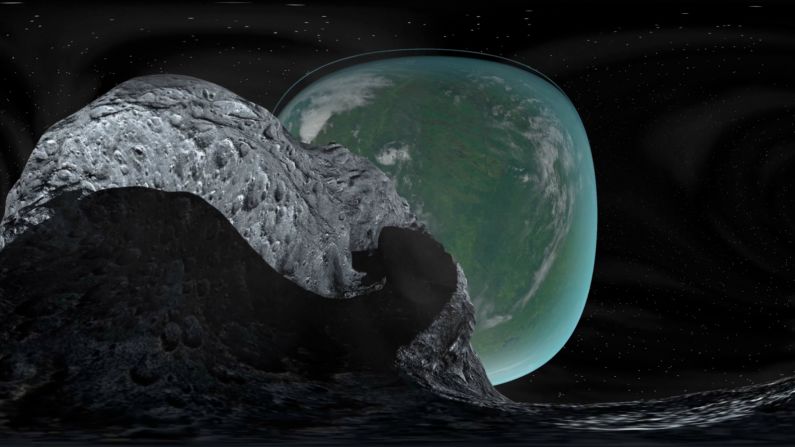
Some of the 360-degree panoramas, also called photo spheres, are computer-generated images.
Courtesy Discovery VR
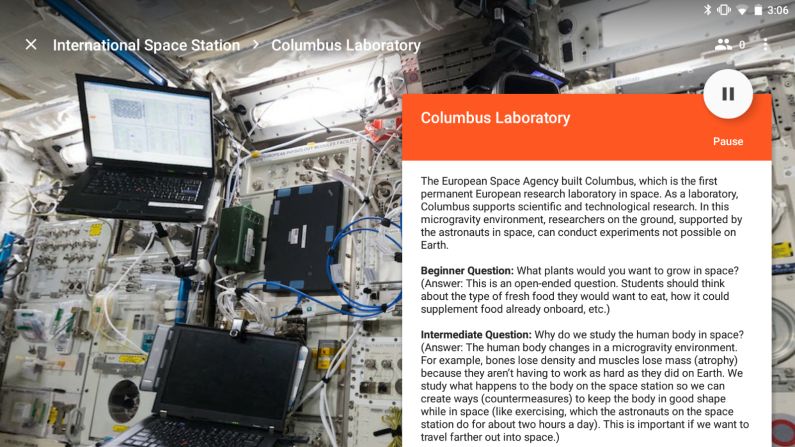
Others like Google Expeditions, pictured, are photographs which the user can navigate by moving their head up and down or from side to side.
Google
The smartphone applications can be downloaded free of charge on iOS and Android.
Google
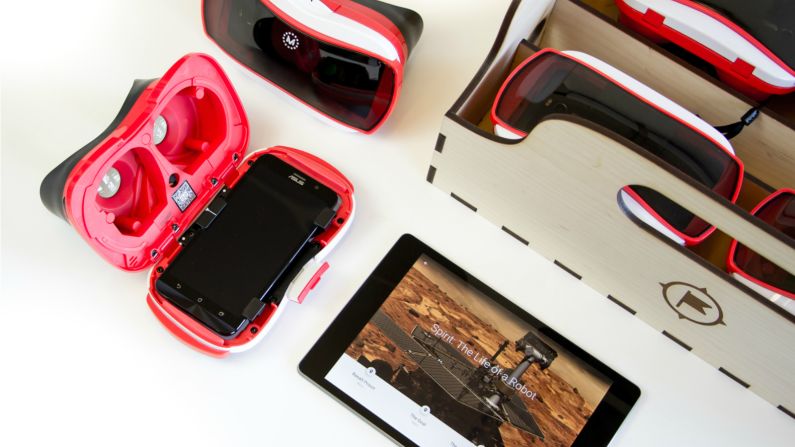
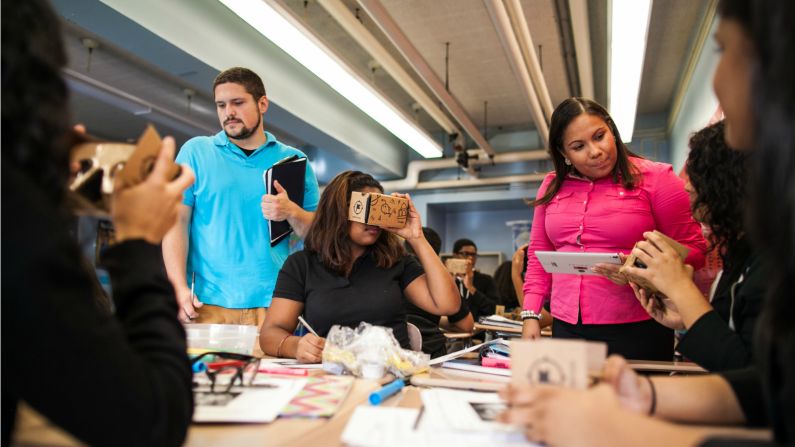
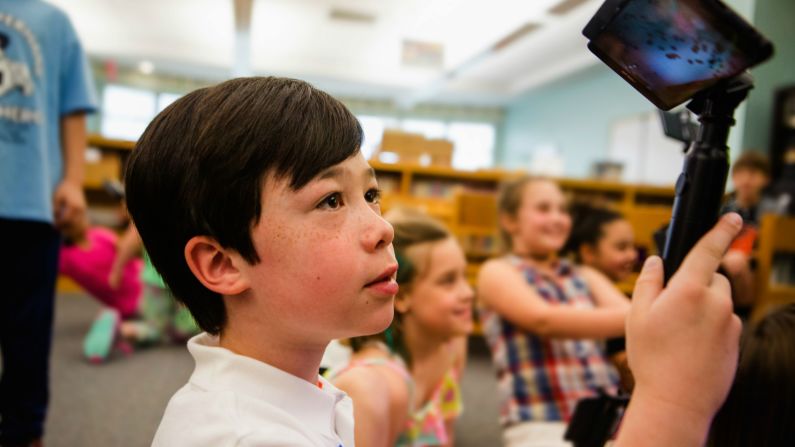
The application can be controlled by the teacher using a tablet. Students use a headset which is attached to the smartphone. There is a range of headsets available, for example Google Cardboard.
Google
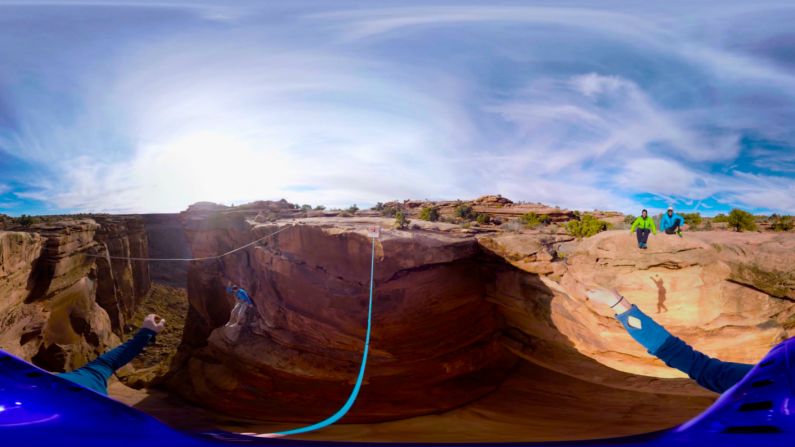
The adventurous can get a glimpse into what it's like to cross a canyon hundreds of feet above the ground (here seen in the Utah deserts) with Discover VR's "Walk the Tight Rope."
Courtesy Discovery VR
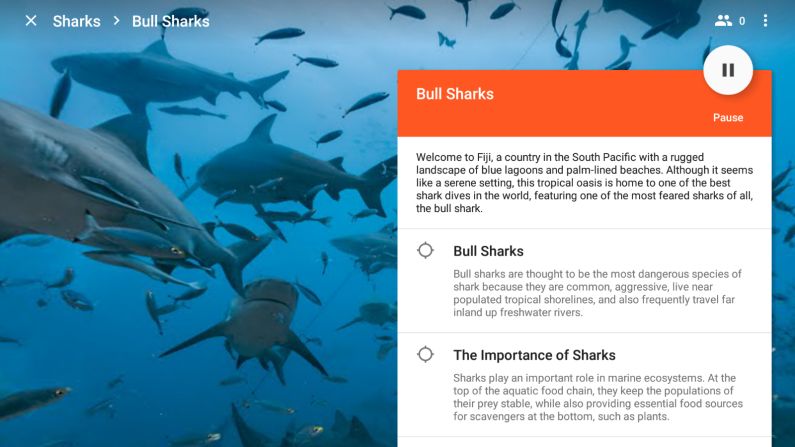
Others may choose to swim with bull sharks in Fiji, using one of Google's 600 different expeditions.
Google
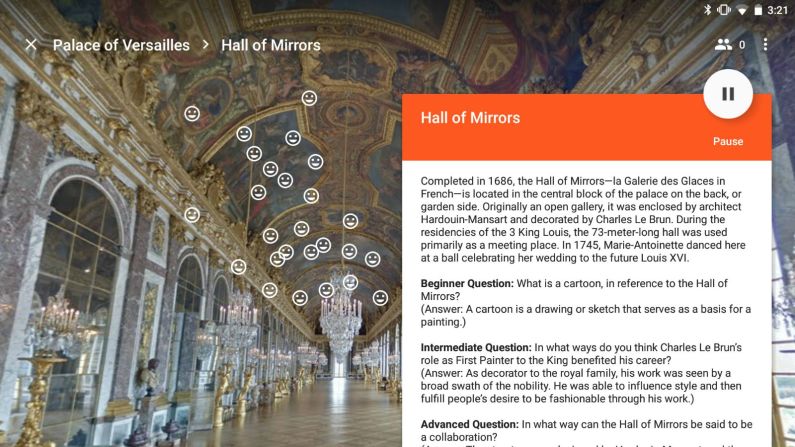
For history students and art enthusiasts there are archeological sites and iconic buildings to roam, such as Versailles in France, pictured.
Google
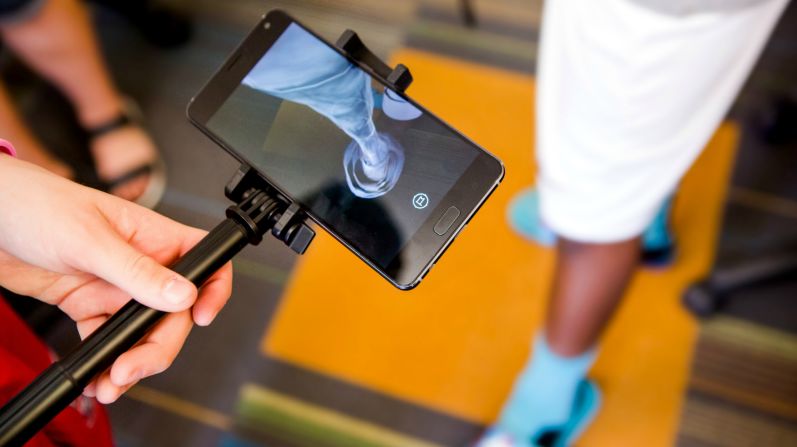
The technology is evolving. This fall will see the introduction of a new educational tool by Google based on augmented reality (AR).
Google
The new application will bring objects such as tornadoes or DNA helices into the classroom as part of the Google Expedition Pioneer Program.