Everyone is a little guilty of bad food hygiene, and it doesn't always mean you'll get sick. But, the bacteria suggests which food habits are most risky.
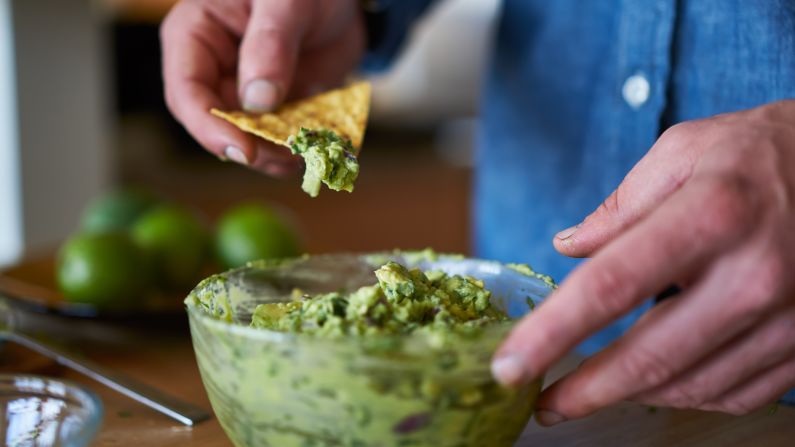
Double-dipping resulted in higher levels of bacteria left over in dips in an experiment conducted by Clemson University researchers. Salsa ended up with five times more bacteria than cheese and chocolate dips.
Shutterstock
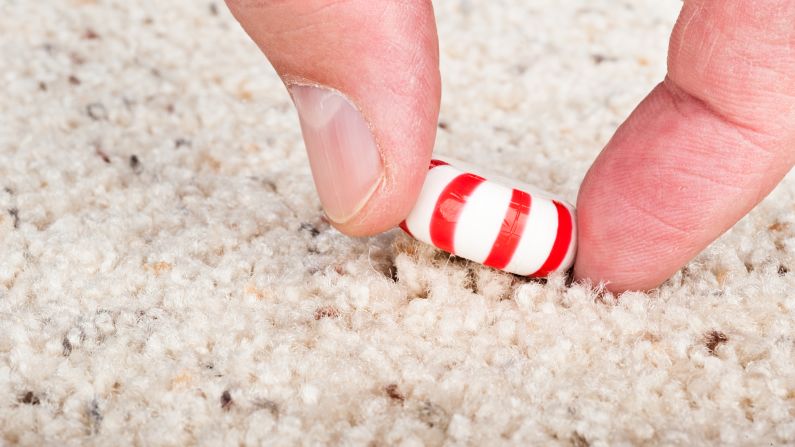
The five-second rule is only partly true. Two studies found that the longer a piece of food stayed on the floor, the more bacteria it would pick up. But it depends on the kind of bacteria, the length of time and the floor surface.
Shutterstock
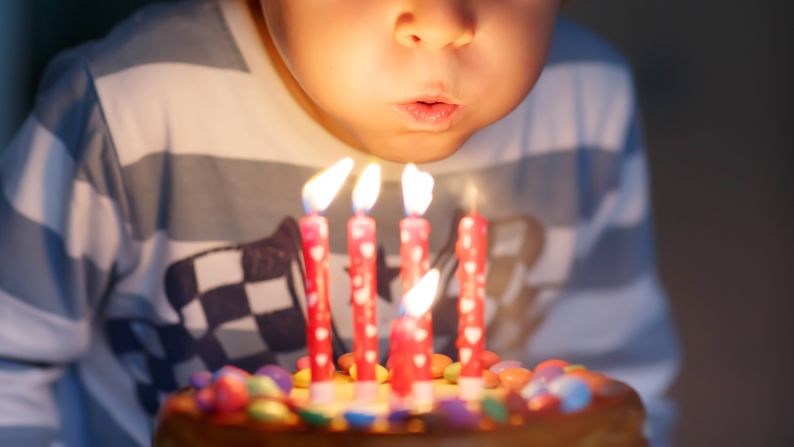
When candles were blown out on a cake, 1400% -- or 15 times -- more bacteria was found on the frosting compared with frosting on cakes with candles that were not blown out, according to a study.
Shutterstock
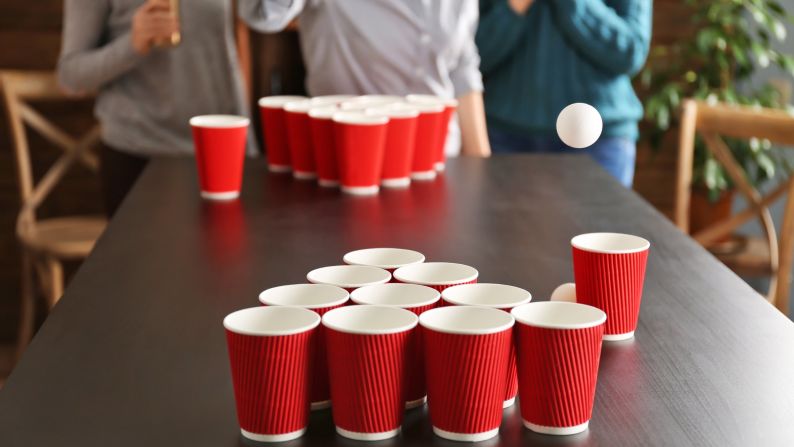
A study found that 100% of the bacteria on a pingpong ball transferred directly into the beer it landed in.
Shutterstock
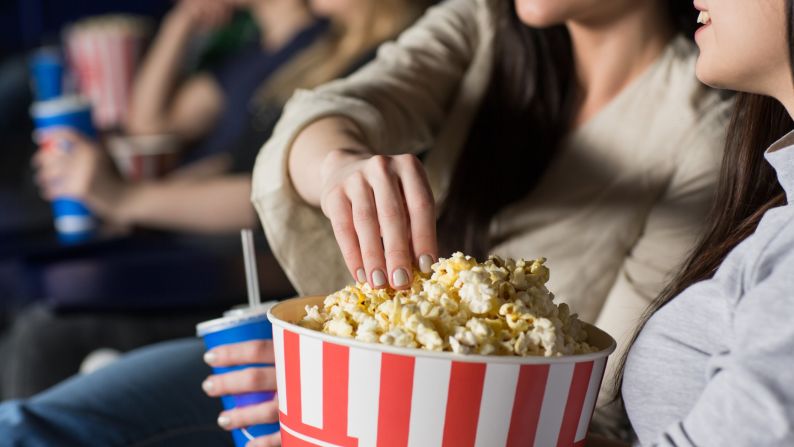
Very little of the bacteria on hands was found to transfer to the popcorn in a shared bowl. More hand bacteria are transferred when you take a mouthful of popcorn, though.
Shutterstock
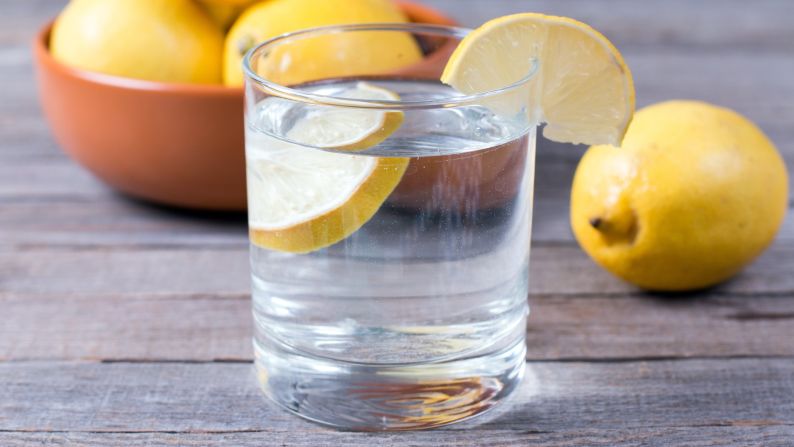
Both ice and lemons in water have the potential to transfer bacteria. A study found that a hand or an ice scoop contaminated with E. coli could transfer the bacteria to ice.
Shutterstock
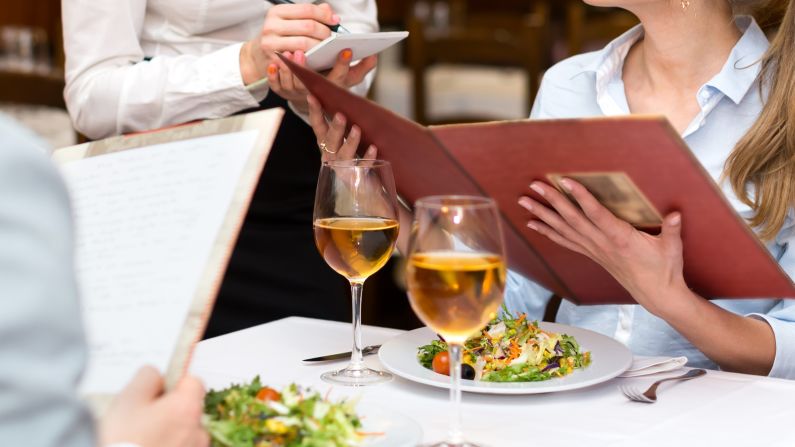
Restaurant menus can carry bacteria, though the levels are usually low. More bacteria can be found on menus during busy restaurant hours than less-busy times.