This city is a tinderbox – and the US is building a drone base next door | CNN
Thank You!
Your effort and contribution in providing this feedback is much
appreciated.
Close
Ad Feedback
This city is a tinderbox – and the US is building a drone base next door
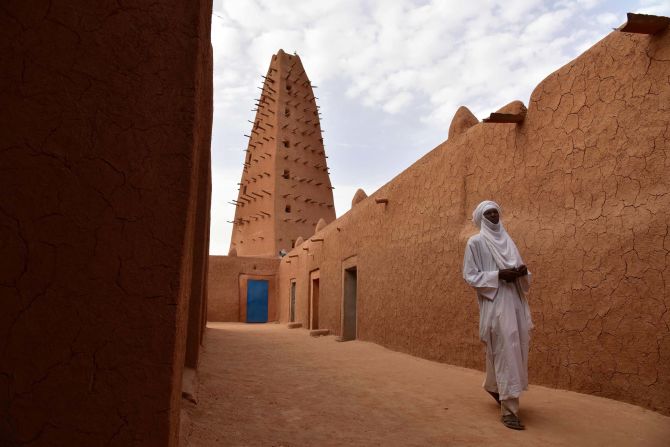
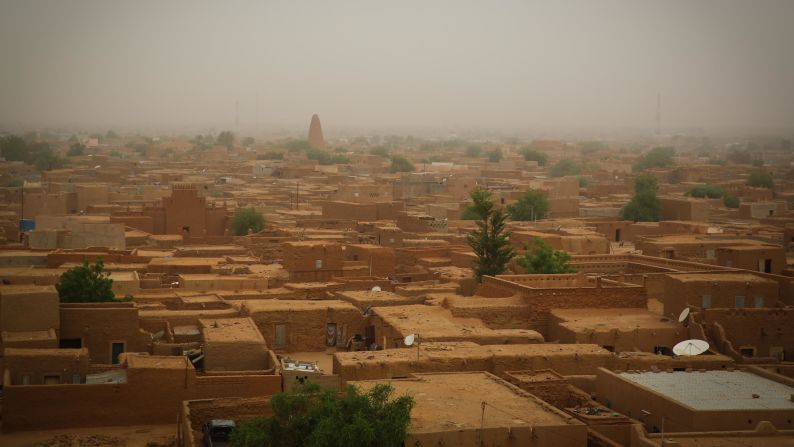
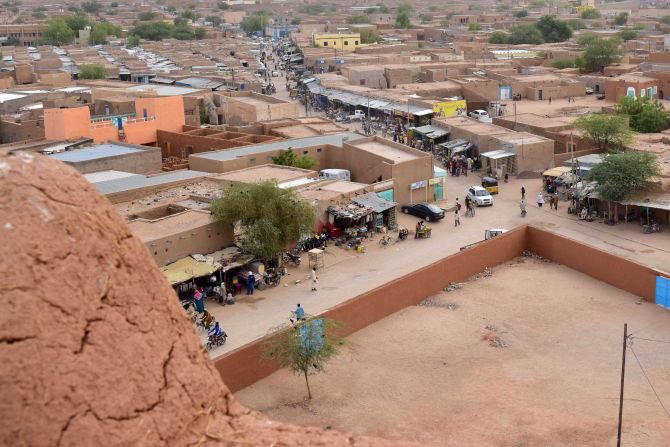
Agadez, in the west African nation of Niger, has profited from its role as a trading point and transit hub at the edge of the Sahara Desert for centuries.
ISSOUF SANOGO/AFP/Getty Images
Today most of its cargo is human: The city is a major stopping point on the people-smuggling route from Africa to Europe, via Libya.
Brent Swails/CNN
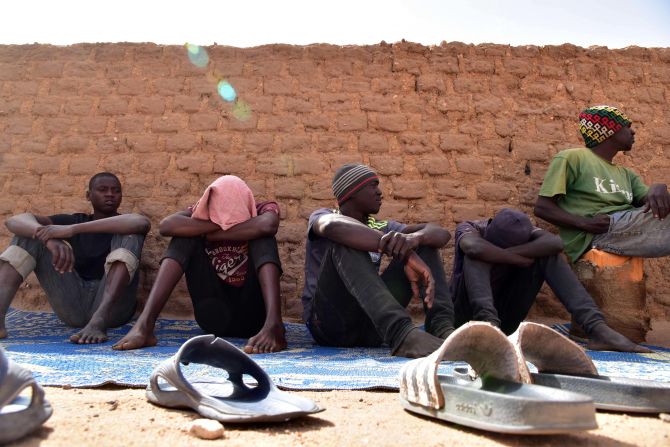
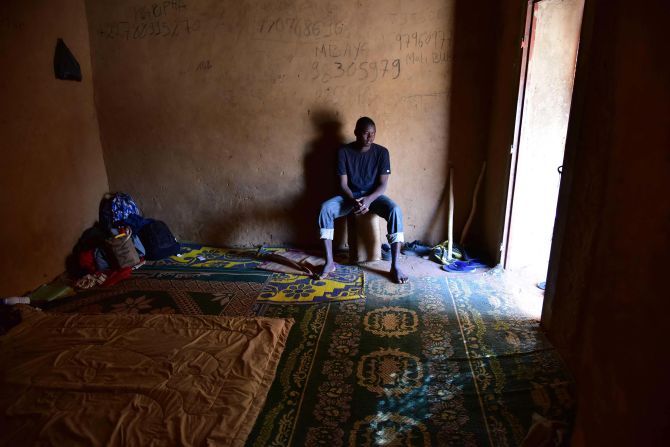
Smugglers hide migrants in this sprawling ghetto in the city. In spite of a government crackdown, the trafficking trade continues.
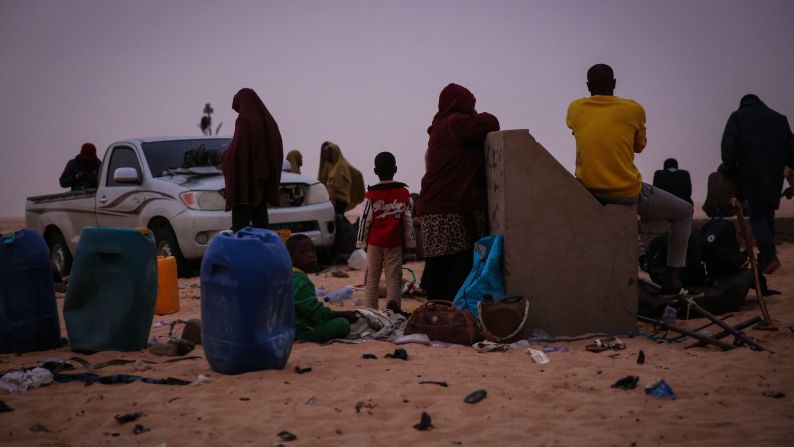
Brent Swails/CNN
Migrants from West Africa wait in the city ahead of their journey to Libya, from where they will attempt to reach Europe by crossing the Mediterranean Sea.
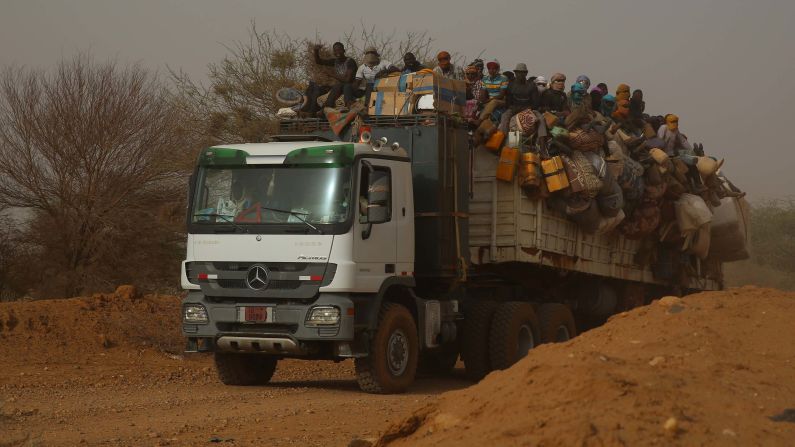
ISSOUF SANOGO/AFP/Getty Images
Goods and people move along the "national highway" just outside Agadez.
Brent Swails/CNN
But as the military clamps down on the routes traditionally used by smugglers, they move onto more remote, riskier roads. This group says they were abandoned in the desert after their truck broke down.
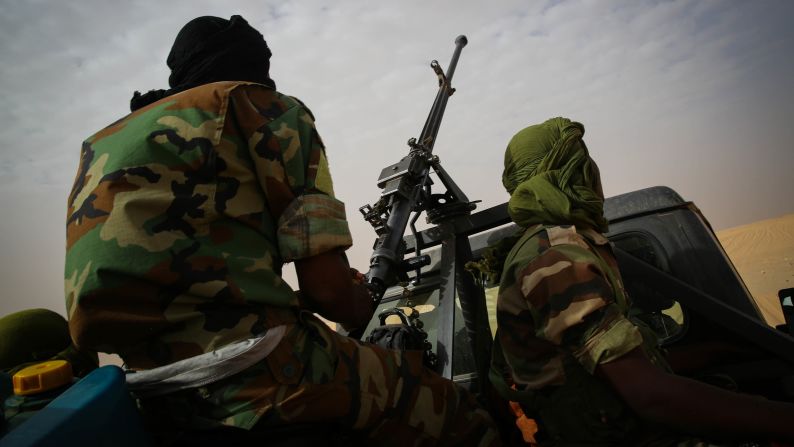
Brent Swails/CNN
Soldiers escort the rescued migrants back to Agadez. No one knows just how many migrants are perishing in the desert, but the IOM says its joint operations with the military have saved 600 lives since April.
Brent Swails/CNN
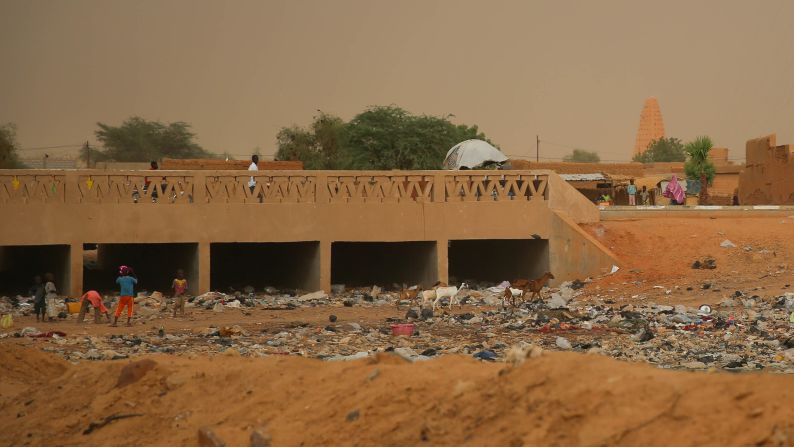
Agadez is becoming a tinderbox, packed with migrants willing to risk everything, those who have spent all they had and failed to make it to Europe, and an unemployed local population rapidly running out of patience.
ISSOUF SANOGO/AFP/Getty Images
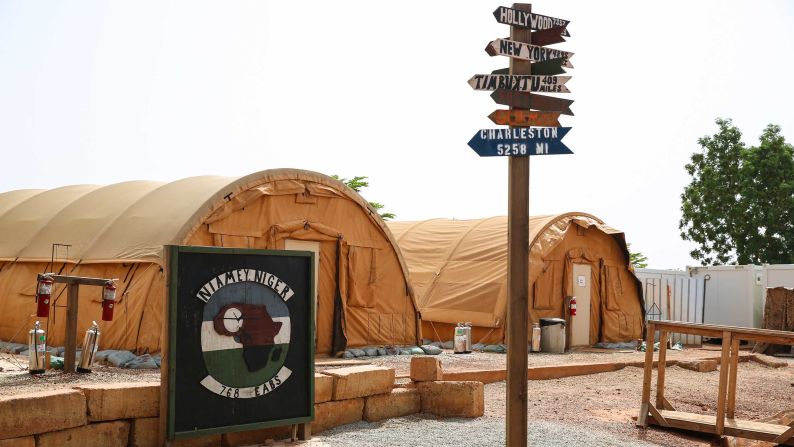
Air Base 101 in Niamey, the capital of Niger, currently houses US AFRICOM's aerial surveillance operations and a support staff of around 300 U.S. troops.
Brent Swails/CNN
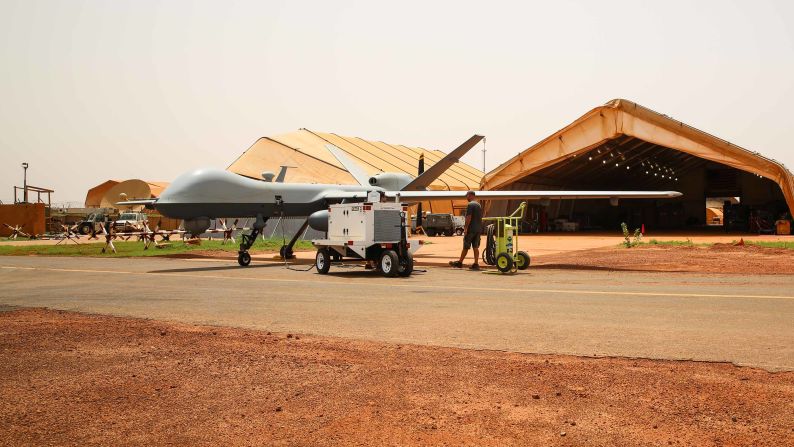
From 2018, AFRICOM will launch its MQ9 Reapers -- "hunter/killer" drones with advanced intelligence gathering capabilities -- from Air Base 201 in Agadez.
Brent Swails/CNN
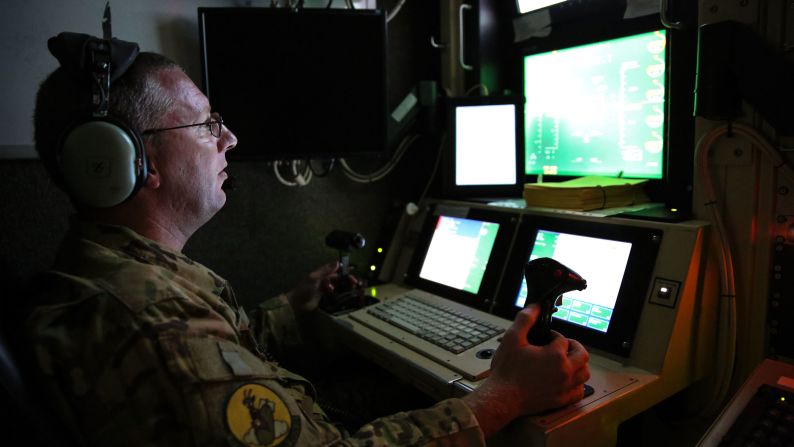
Airmen stationed in Niamey perform the drone take offs and landings, before handing the controls over to pilots in the United States to fly the missions.
Brent Swails/CNN
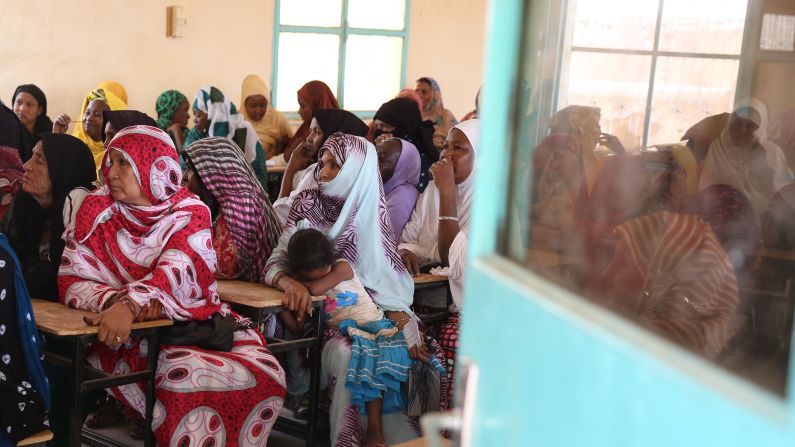
Members of an Agadez women's group listen during a workshop led by the US Army. "The closer we build a relationship with a local community wherever we are, it helps maintain our safety, it helps to maintain our security," says Captain Kyle Staron.
Brent Swails/CNN
But with migrants still willing to risk everything in the hope of a better life in Europe, Agadez remains a transit point for people's hopes, dreams and their despair.