Fiber helps stave off heart disease, cancer and digestive problems while helping control cholesterol, blood sugar and weight gain. But Americans get an average of only 15 grams a day instead of the 25 to 30 that doctors recommend. It's not hard to add fiber to your daily diet. Start by learning your top fiber choices and then get creative, like this salad that combines beans and peaches with the roughage of lettuce.
Westend61/Getty Images
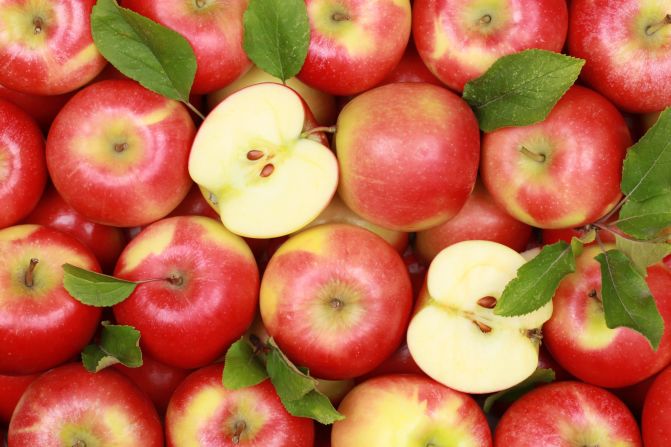
Eating fresh fruit is an easy way to add fiber each day. Apples add about 4½ grams; bananas and oranges have 3 grams.
Shutterstock
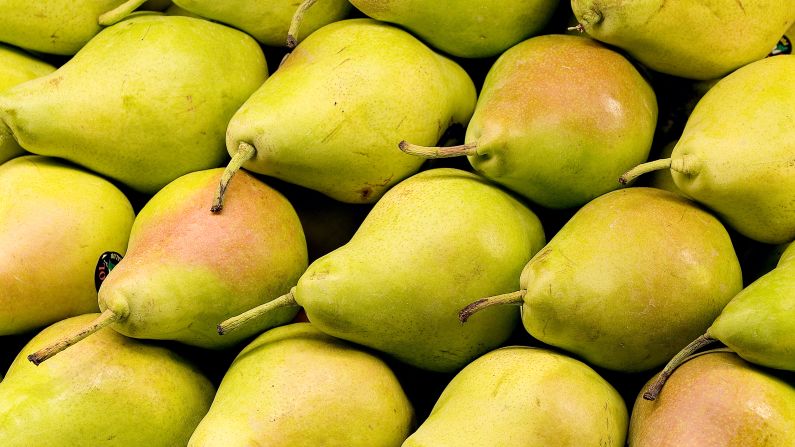
At 6 grams each, pears have some of the highest fiber content in the fruit family. Eat them raw, in salads or poached in wine or pomegranate juice for dessert.
Jose R. Aguirre/Cover/Getty Images
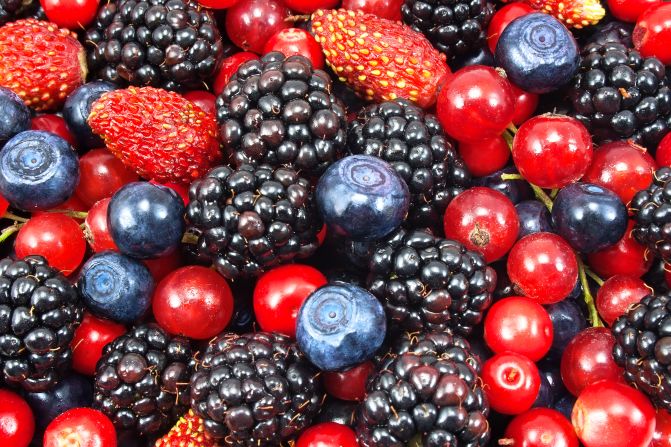
Fresh berries are an especially easy way to punch up your fiber intake. These bite-size beauties are chock full of fiber; a cup of most berries adds 3 to 4 grams and satisfies your sweet tooth, to boot.
Shutterstock
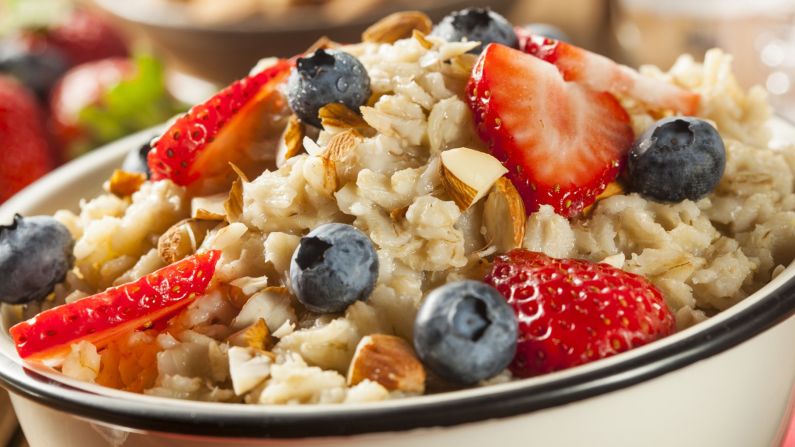
Whole-grain cereal is an easy way to jump-start your daily intake of fiber. A cup of cooked oatmeal has 5 grams, and you can easily add another 3 or 4 with fruit and nuts. Other good choices are whole-bran cereals; if they are too wholesome for your taste, try adding a half-cup to your favorite brand to adjust.
Shutterstock
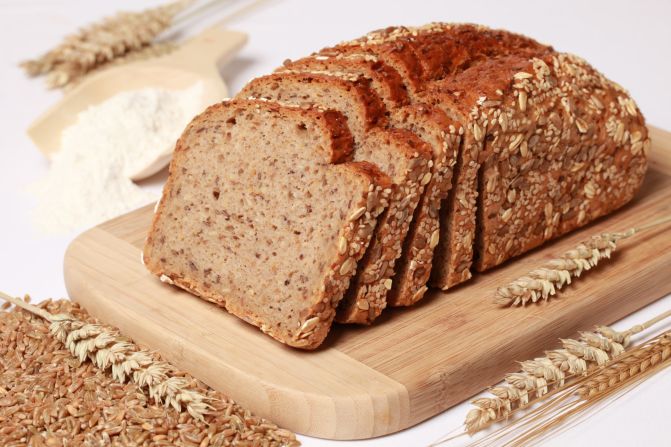
Multigrain bread is another easy way to add fiber to your diet. Make a sandwich out of this healthy choice, and you've added 2 grams of fiber.
shutterstock
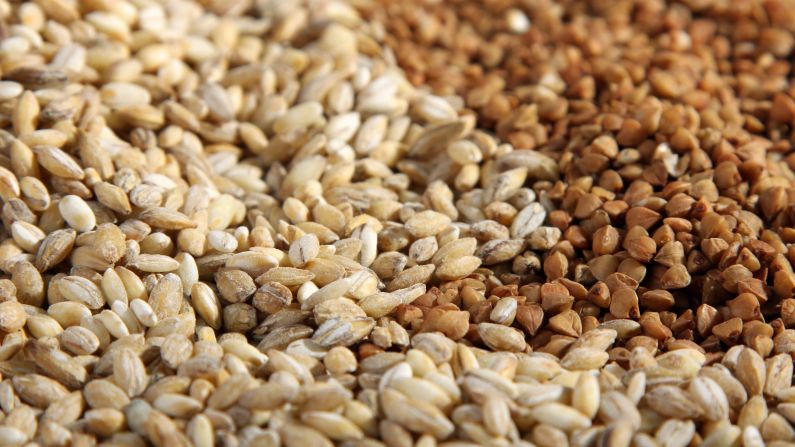
Trying an unusual grain each week is another great way to pump up your fiber intake. Start by replacing white rice with brown, and you've added 3 grams. A cup of amaranth, an ancient seed, has 5 grams of fiber. Even better, a cup of dry bulgur has 26 grams. Quinoa has 3 grams of fiber and all nine essential amino acids, making it the "perfect protein" at 4 grams per serving.
Shutterstock
Mix Greek yogurt with berries, whole-grain granola and some nuts. Before you know it, you've added a couple of grams of fiber and had a great low-cal dessert.
Brian Macdonald/Photodisc/Getty Images
A cup of hummus has 15 grams of fiber. Made of chickpeas and spices, hummus makes a great snack. Use whole-wheat pita points to boost the fiber even more.
Shutterstock
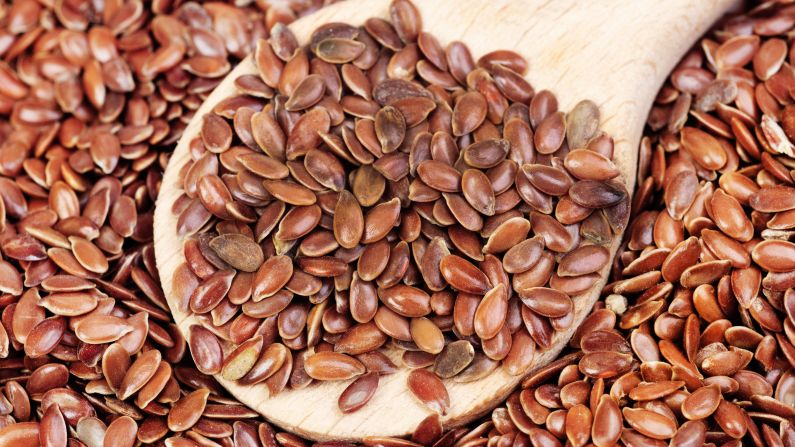
Flaxseed is packed with fiber. One tablespoon has about 3 grams, so a little goes a long way. Add a few grains of this nutty-flavored seed to your yogurt parfait or salad, or grind it and add to meatloaf or other recipes.
Shutterstock
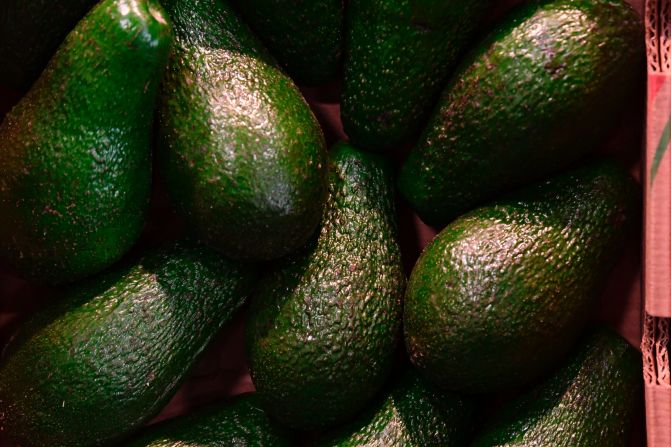
You might be surprised to find out that a cup of sliced avocado contains 10 grams of fiber and a lot of good-for-your-heart fat, despite the calorie count. Think past guacamole. Try spreading avocado on toast for breakfast, adding slices to your quesadilla, spread on sandwiches and even as a basis for chocolate pudding.
TOBIAS SCHWARZ/AFP/Getty Images
Winter squashes are good choices for fiber as well, ranging from 2 to 4 grams per cup serving. Try out a new recipe, such as this spaghetti squash, perfect for a low-carb diet.
LauriPatterson/E+/Getty Images
Beans of all kinds are super choices to add fiber to your diet. A cup of baked, navy or kidney beans contains 19 grams of fiber; black beans come in at 29 grams. Green beans have 3½ grams per cup -- not bad, but think beyond that dinner staple for maximum fiber intake.
Courtesy Marcelo Trasel/Creative Commons/Flickr
Lentils are another type of legume, like beans, that pack a fiber power punch. A cup of these tasty seeds has 16 grams of fiber.
Brent Hofacker/Shutterstock
Finally, a word of caution: Any addition of fiber requires an equal addition of water to keep it moving through your digestive system. So drink up! And if you're not used to eating fiber, add it slowly over a few weeks to avoid bloating, flatulence and other issues that may erupt.