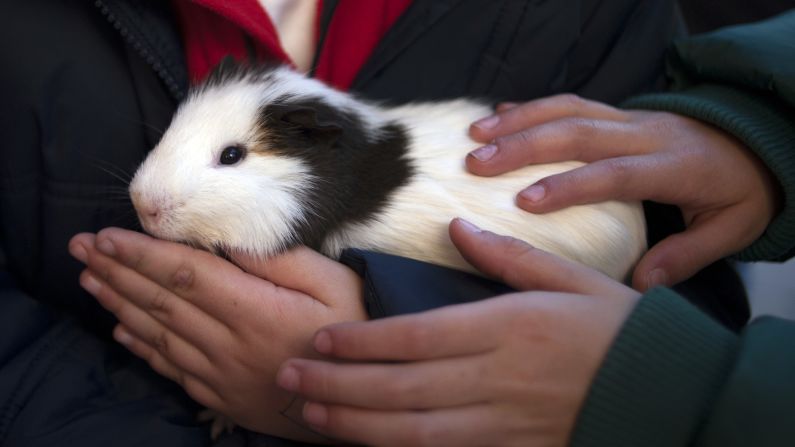
Guinea pigs may be beloved pets in the United States, but in Peru, they are part of a traditional dish. Known as cuy, or cuy chactado if fried whole, they are most often eaten in the Andean region. The meat is low-fat and tastes similar to rabbit.
JORGE GUERRERO/AFP/Getty Images
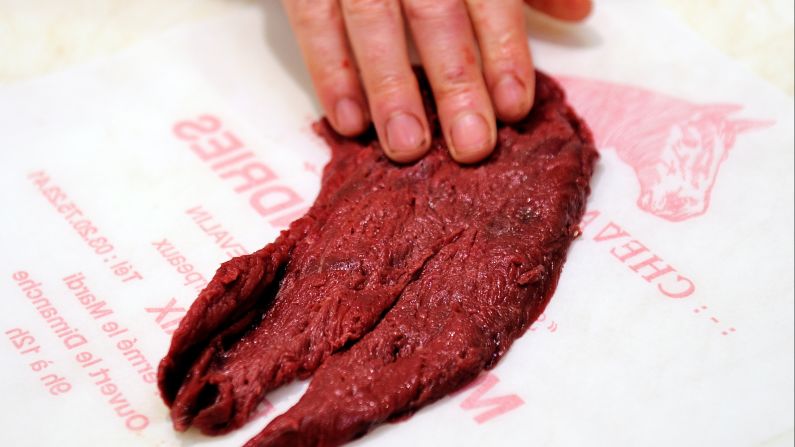
In Italy, horse meat goes by a number of names. In Venice, it is straeca; in Sicily, it is often served in meatballs. In Japan, sakura can be served raw. In Sweden, hamburgerkott is served like a traditional burger.
PHILIPPE HUGUEN/AFP/Getty Images
Rocky Mountain oysters are not actually oysters; they are fried bull testicles, and they're a popular dish in the Western US. They have also been used to flavor beer in Denver. They are a good source of vitamin C and iron, although if fried, they are not a health food by any means. They taste gamey and are a little rubbery.
Karl Gehring/Denver Post/Denver Post/Getty Images
Rattlesnake is also eaten in the American West and in parts of South America. In the US, it's rarely sold commercially but is often available after large snake roundups. Low in fat and calories, it can be barbecued or served in chili.
YURI CORTEZ/AFP/Getty Images
Bunnies may be pets and friendly harbingers of Easter, but they are also often on the menu in Malta, China, Venezuela, Cyprus, France, Spain, Portugal, Russia and many other countries. Historians suggest that many American pioneers still starved to death after eating them, a phenomenon called "rabbit starvation." The animals don't have a lot of fat or nutritional value, for that matter.
DAMIEN MEYER/AFP/Getty Images
The Kentucky stew called burgoo is traditionally made with whatever meat is available, including possum, raccoon and squirrel. However, if you order it at Lexington's popular horse park, Keeneland, or you are at the Kentucky Derby in Louisville, rest assured that roadkill will not be served. Every Kentuckian has a different recipe, but the hearty barbecue-type stew is now more often made with pork, beef or chicken.
Andreas Rentz/Getty Images
Milt is the polite name for fish sperm, and sometimes the organs that contain the sperm are eaten as well. In Japan, it is shirako, or "white children." Some Russians eat moloka, pickled herring milt served on toast. In Sicilian cuisine, it's called lattume and comes from tuna. It is served as pasta topping or in olive oil.
Leisa Tyler/LightRocket/Getty Images
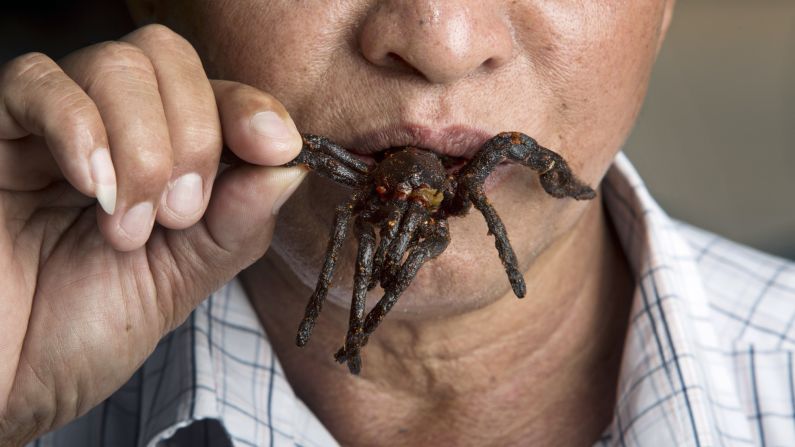
In Cambodia, fried tarantula was a subsistence dish when people were starving under the brutal Khmer Rouge government of the 1970s. They're now a popular treat that tastes like crab and is often served with garlic.
Bloomberg/Getty Images
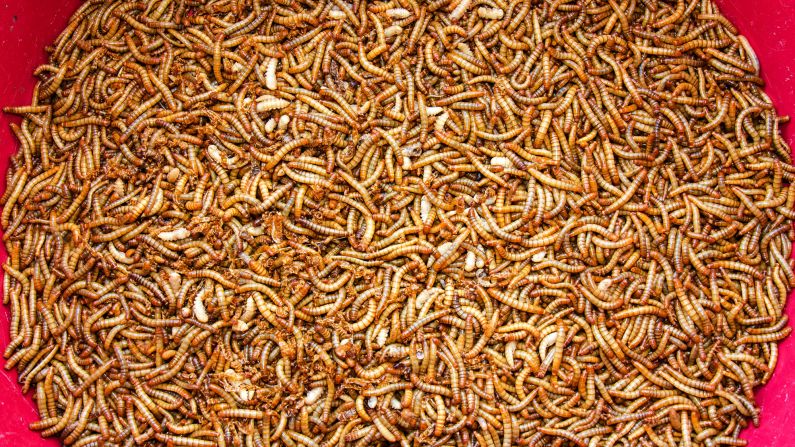
In Italy, maggots give the traditional Sardinian cheese casu marzu its flavor. The maggots grow on pecorino that's been left out to rot. Star chef Gordon Ramsay called it "the most dangerous cheese in the world." It is said to have an hours-long aftertaste.
shutterstock
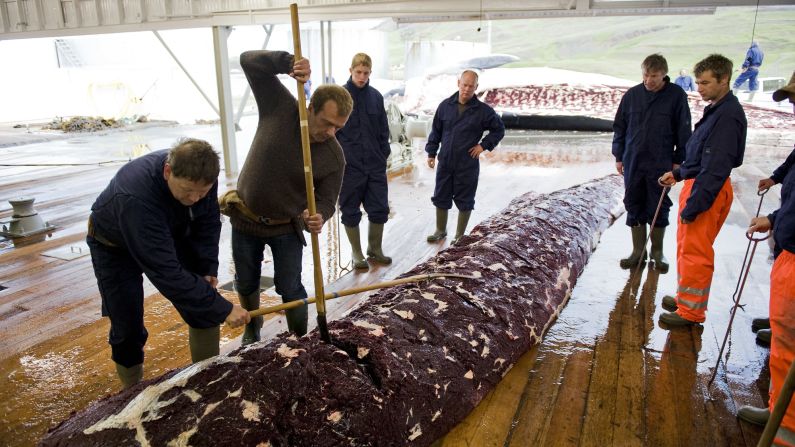
Although many species are endangered, whales are still hunted, and a few still eat them. The Inuit eat a traditional whale dish. In Norway, minke whale, a species that is declining but not endangered, is sold as hvalkjott. In Japan, diners have been eating whale meat for centuries. Although the practice is in decline, in 2014, the Prime Minister was photographed eating whale to convey to Parliament that he wanted the country to resume commercial whaling.
HALLDOR KOLBEINS/AFP/Getty Images
Many Americans see them as highly intelligent creatures that should be protected, but dolphin is on the menu in some Caribbean islands. As with tuna, dolphin meat contains a lot of mercury and can be dangerous, studies show.
MARCO BERTORELLO/AFP/Getty Images
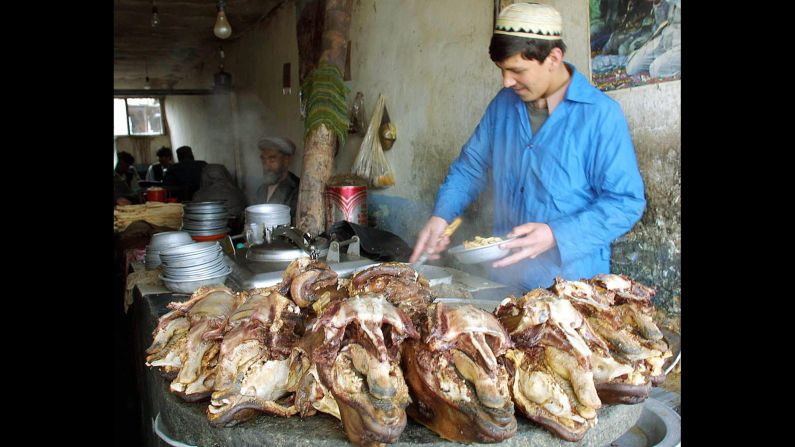
In parts of the Middle East and in Iceland -- where it's called svio -- you can order sheep's head cut in half and smoked, often served with scoops of mashed potato and turnip.
Getty Images
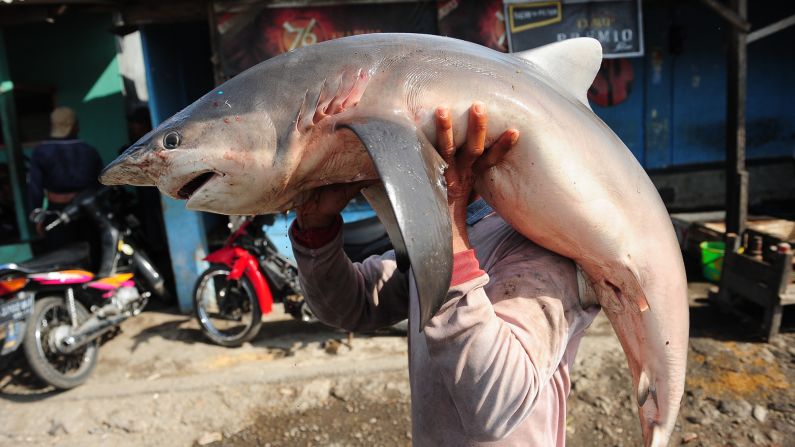
Icelanders also eat shark, or kaestur hakarl, which is made by fermenting the meat for 12 weeks before it's hung out to dry for four to five months; it's noted for a unique urine-like smell. In Asian countries, shark is often dried, salted or smoked. The controversial shark fin soup is considered cruel and has been banned in many countries.
Robertus Pudyanto/Getty Images
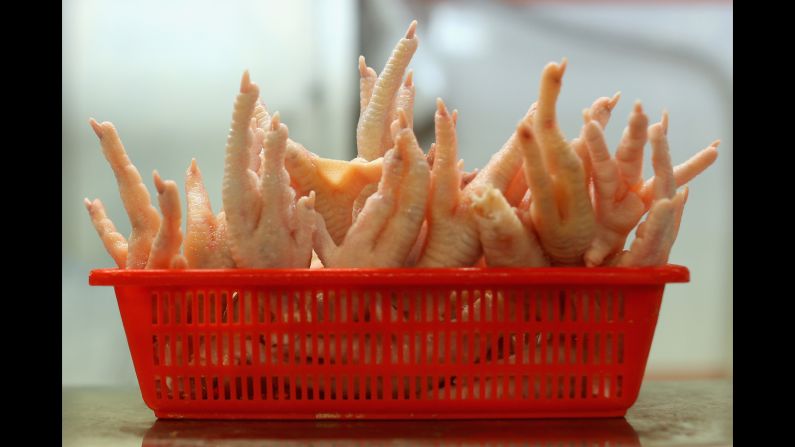
Chicken feet are popular throughout Asia and the Caribbean. They're often served with onion and barbecue sauce.
Cameron Spencer/Getty Images
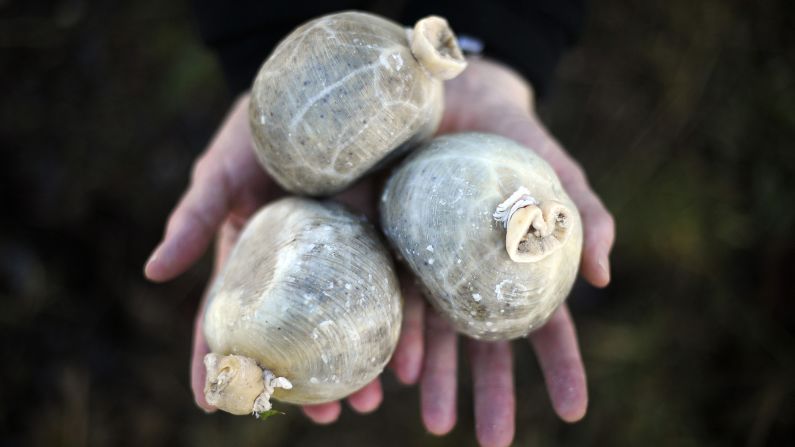
Haggis, Scotland's national dish, is a mix of sheep heart, liver and lungs made into a savory pudding, mixed with oatmeal and spices and then encased, traditionally in sheep's intestine. It's been banned from import to the US for almost half a century, but there's talk of lifting the ban.
ANDY BUCHANAN/AFP/Getty Images
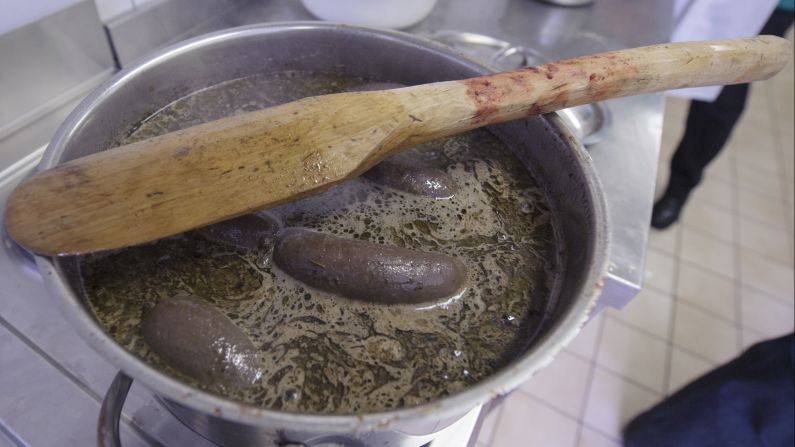
Estonian blood sausage is a popular dish for Christmas. Many cultures have similar dishes. In Poland, it's made from pork or beef and is called kiszka. In Spain, it's morcilla. England has its black pudding, France its boudin noir and Uruguay its morcilla dulce. Blood sausage is a good source of iron but high in fat and salt.
RAIGO PAJULA/AFP/Getty Images
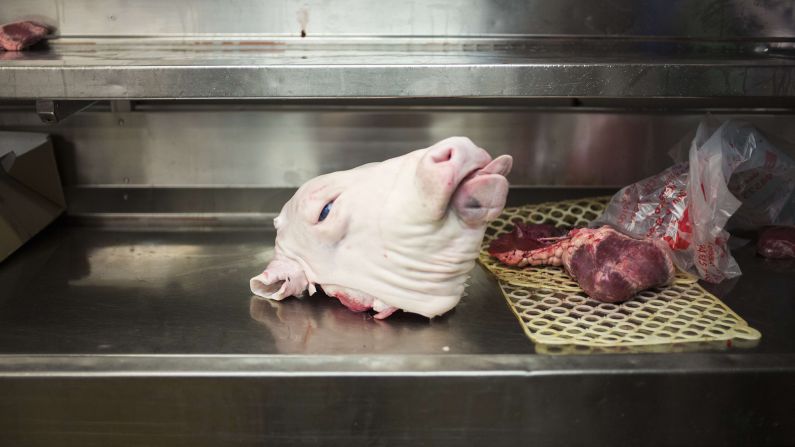
In France or just French restaurants, you can get tete de veau, or head of calf. It is popular in Italy, and a version is eaten in the Middle East. It's served boiled and can be eaten at dinner or breakfast. It's tender and can take about seven hours to prepare.
LIONEL BONAVENTURE/AFP/Getty Images
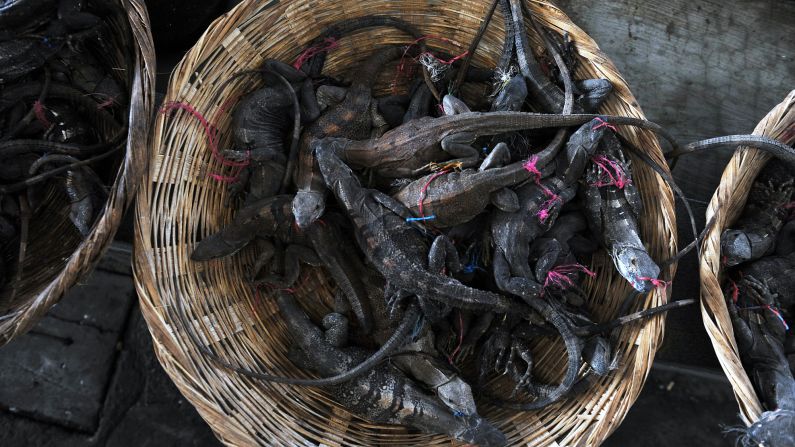
In Central America, iguana is on the menu in roast form and in stews. In Puerto Rico, where green iguanas are an invasive species, the slightly sweet meat can be found in a stew served with onions and tomatoes.