Meet the dogs that can sniff out cancer better than some lab tests
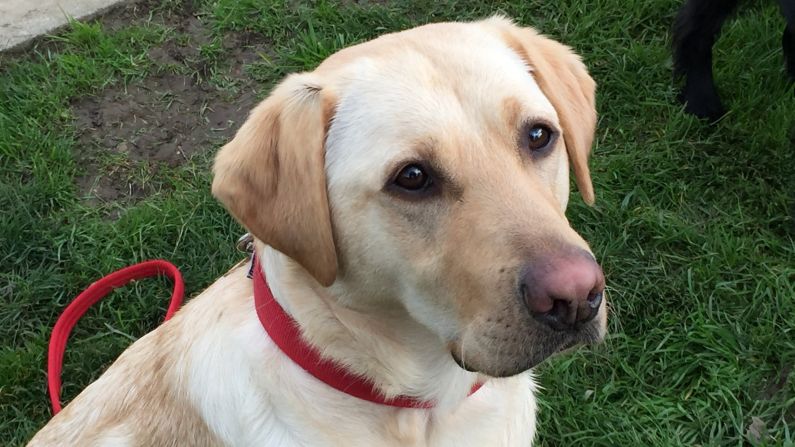
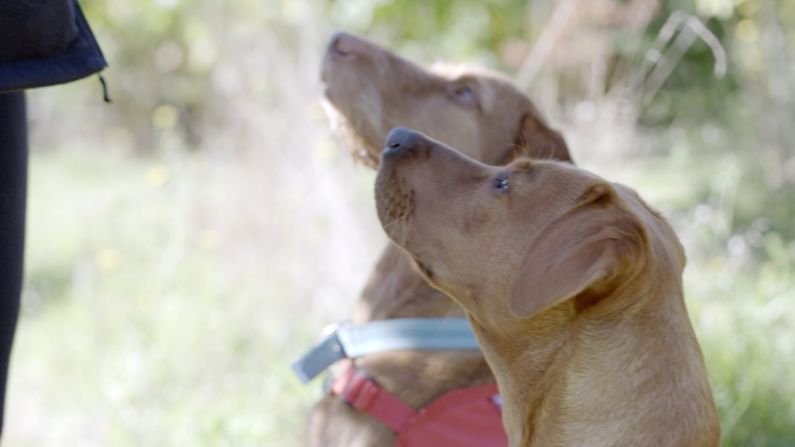
Kiwi, a yellow Labrador, is a former guide dog. She's a fantastic problem solver. Any dog has a powerful sense of smell, but hunting dogs like Kiwi are more easily trained.
John Bonifield/CNN
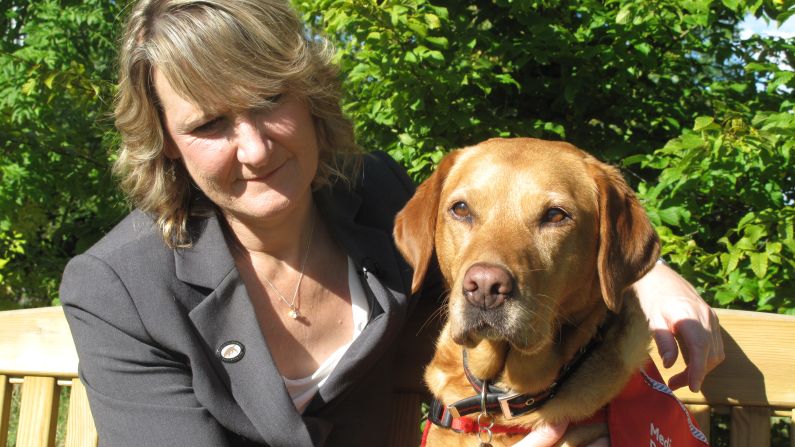
Claire Guest is the CEO of Medical Detection Dogs, a company that trains dogs to sniff out cancer. Her fox red Labrador, Daisy, caught her breast cancer six years ago when she was 45. "She kept staring at me and lunging into my chest. It led me to find a lump," Guest remembers.
John Bonifield/CNN
Ulric, a cross between a Labrador and a golden retriever, is a bit of a water baby. He loves to get into troughs of water that are left out for cattle and will retrieve his ball from the bottom of a stream.
John Bonifield/CNN
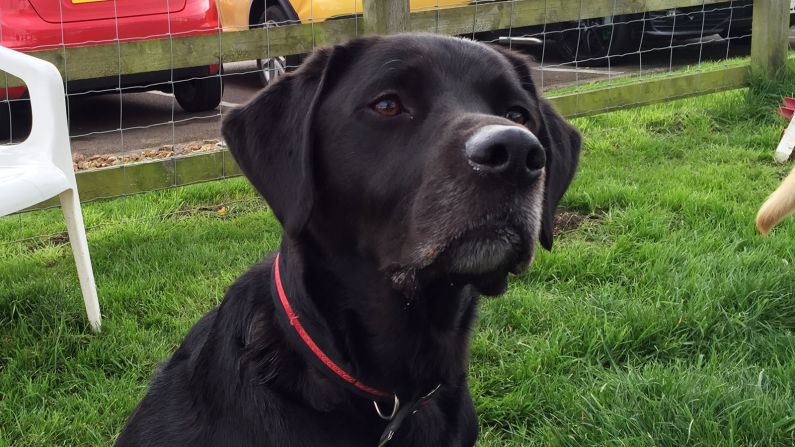
Lucy, a cross between a Labrador retriever and an Irish water spaniel, failed miserably at guide dog school. But she has performed astonishingly well at sniffing out bladder, kidney and prostate cancer. She detects cancer correctly more than 95% of the time. That's better than some lab tests used to diagnose cancer.
Courtesy of Alex Bieraugel
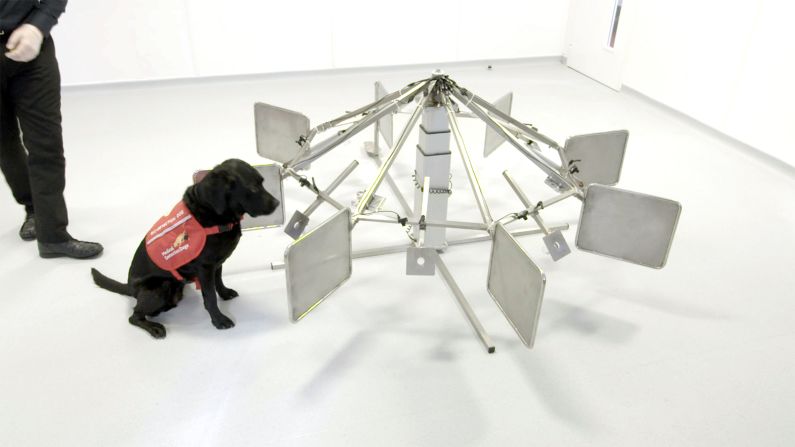
Karry, who is one-quarter curly-coated retriever and three-quarters Labrador, was too excitable to be a medical assistance dog for diabetics, so all that energy is now focused on problem solving. She's learning to sniff out prostate cancer.
John Bonifield/CNN
Fifteen-month-old Florin is young, but she's already showing promise detecting cancer. She's a fox red Labrador, just like her aunt, Daisy. She was bred with the hope that Daisy's cancer-sniffing DNA would run in the family. Behind her, Midas, a white-haired Hungarian vizsla, was initially trained to detect bed bugs. Now, she sniffs out cancer. Midas is a diva. She sits on Guest's chair when she isn't there, and bosses other dogs around.
Courtesy of Alex Bieraugel
Kiwi, a yellow Labrador, is a former guide dog. She's a fantastic problem solver. Any dog has a powerful sense of smell, but hunting dogs like Kiwi are more easily trained.
John Bonifield/CNN
Kiwi, a yellow Labrador, is a former guide dog. She's a fantastic problem solver. Any dog has a powerful sense of smell, but hunting dogs like Kiwi are more easily trained.