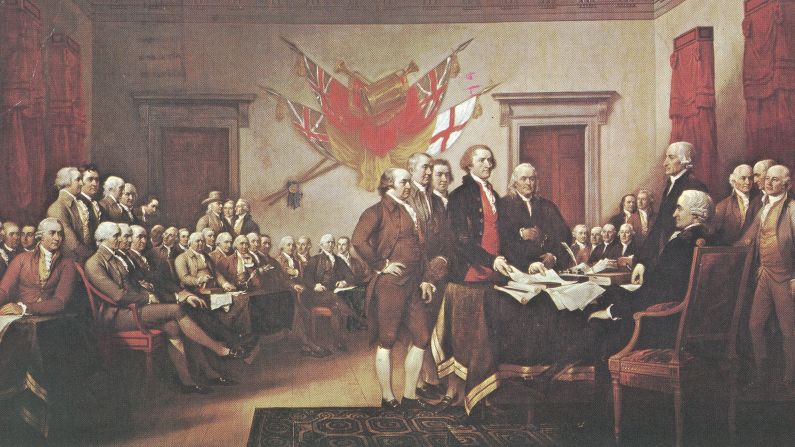
The Enlightenment movement, which questioned traditional authority and embraced rationalism, heavily influenced The Declaration of Independence. In breaking away from Great Britain, Thomas Jefferson called on the "certain unalienable rights" of "life, liberty and the pursuit of happiness." These rights varied only slightly from the rights of "life, liberty and property" British philosopher John Locke laid out in his 1689 "Two Treatises of Government."
Hulton Archive/Getty Images
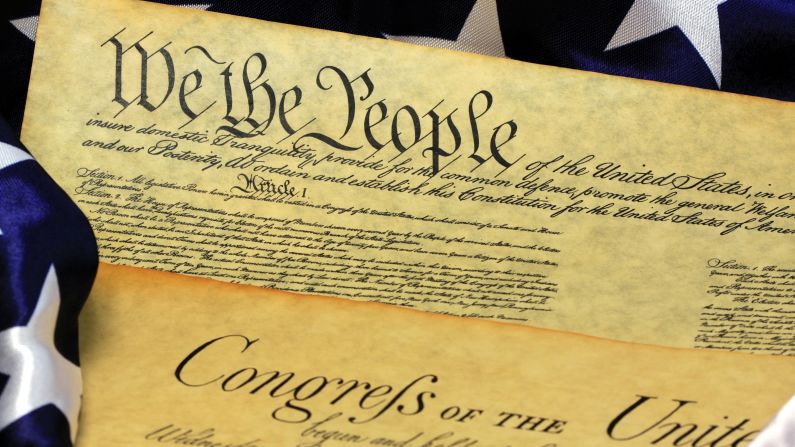
The Bill of Rights, the first 10 amendments added to the U.S. Constitution, were meant to put specific limits on government power. The early U.S. government was split into two factions: the Federalists, who supported a strong national government, and the Anti-Federalists, who feared centralized government. The Bill of Rights were added as part of a compromise between the sparring parties.
Shutterstock
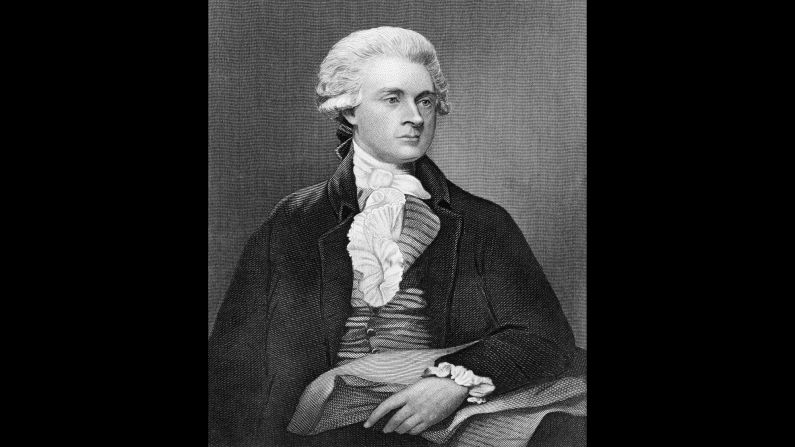
Thomas Jefferson was the main author of the Declaration of Independence and the nation's third President. He was also deeply interested in science, philosophy and architecture. He designed his own gravestone and insisted that it read, "Here was buried, Thomas Jefferson, Author of the Declaration of American Independence of the Statute of Virginia for religious freedom & Father of the University of Virginia."
Kean Collection/Getty Image
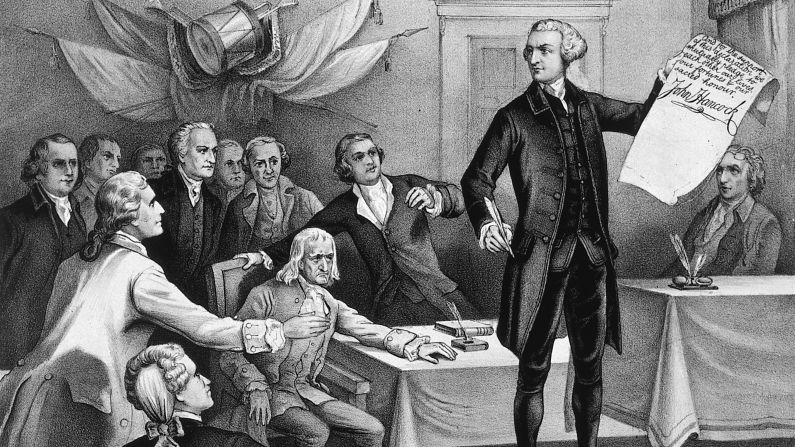
John Hancock is best known for his extravagant signature on the Declaration of Independence, which he was the first to sign. However, Hancock was also a key figure in early revolutionary politics and one of the richest men in New England.
MPI/Getty Image
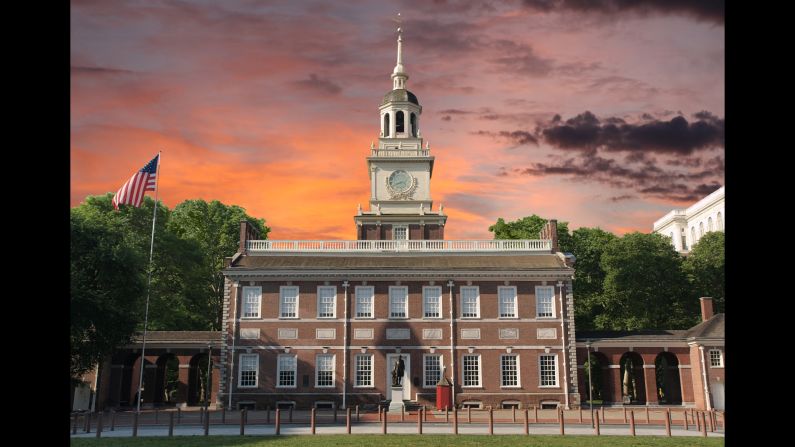
The Declaration of Independence and the U.S. Constitution were both debated and adopted in Philadelphia's Independence Hall. Nearby is the cracked Liberty Bell, which reads "Proclaim liberty throughout all the land onto all the inhabitant thereof." The bell and its inscription were later used as a rallying cry for the abolitionist and women's suffrage movements.
Shutterstock
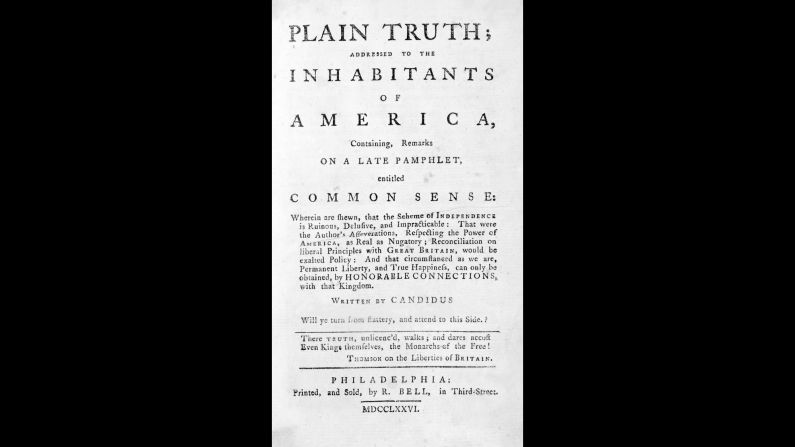
Thomas Paine published "Common Sense" in 1776. It was written in a plain style meant to convince the "common people" of the colonies to support the independence movement. The pamphlet was wildly popular, with founding father John Adams remarking that, "Without the pen of the author of Common Sense, the sword of Washington would have been raised in vain."
Shutterstock
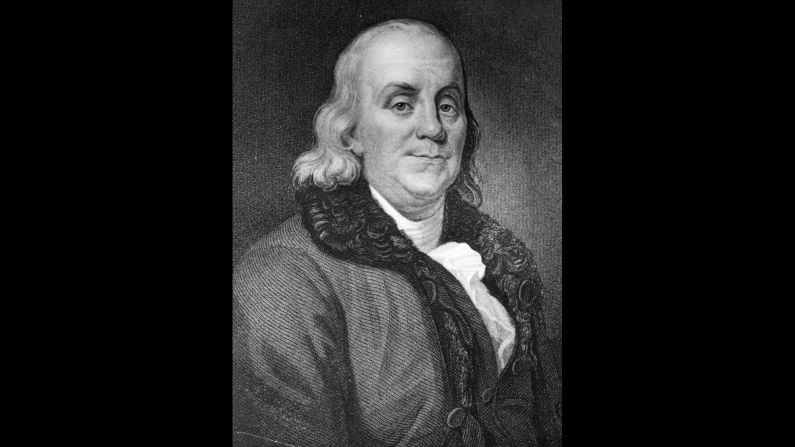
Benjamin Franklin was an author, publisher, ambassador, inventor, political theorist and scientist. While arguably one of the most Influential founding fathers, he never ran for President and died early in George Washington's first term.
Hulton Archive/Getty Images
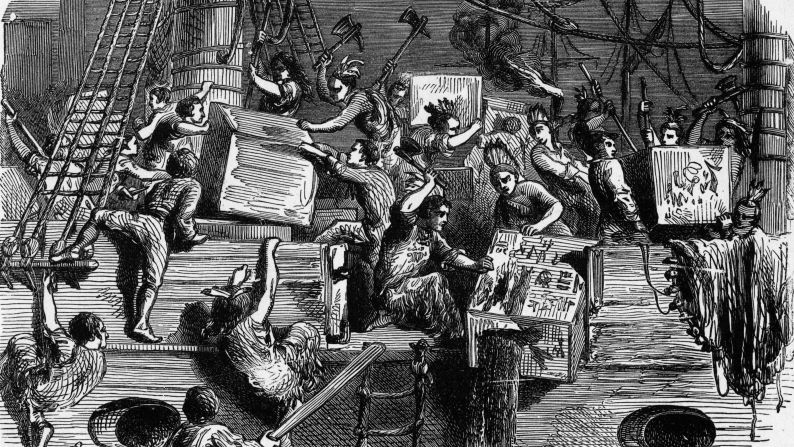
Enraged by the British Parliament's tax on tea, rebel colonists, some disguised as Native Americans, destroyed an entire East India Company tea shipment in the Boston Harbor. The British government responded with a crackdown on self-government in the colonies, which liberty-seeking colonists called the "Intolerable Act." Rising tensions sparked the American Revolution in 1775.