Your effort and contribution in providing this feedback is much
appreciated.
Close
Ad Feedback
Ad Feedback
Can animals predict earthquakes?
A paca rodent is caught in the beam of the study's movement-triggered camera. Scientists found that wildlife movement in a national park in Peru thinned out to nothing ahead of a Richter 7 earthquake.
Courtesy of TEAM Network
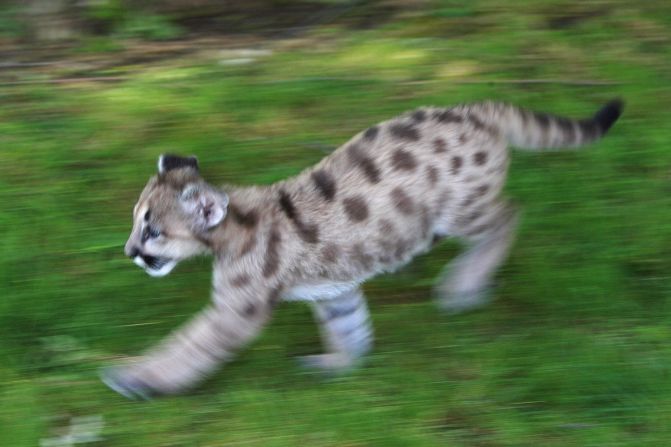
A puma is caught by the team's motion camera. In the study, scientists have found that wildlife activity drops significantly in the days and weeks before an earthquake.
Courtesy of TEAM Network
Scientists believe the animals are not trying to escape danger but the positive ions produced ahead of most tremors.
Getty Images
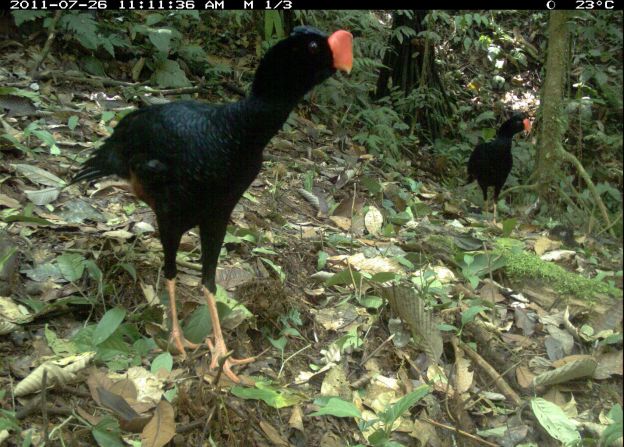
Ground-dwelling birds such as this razor-billed curassow were found to be particularly highly attuned to tremors.
Courtesy of TEAM Network
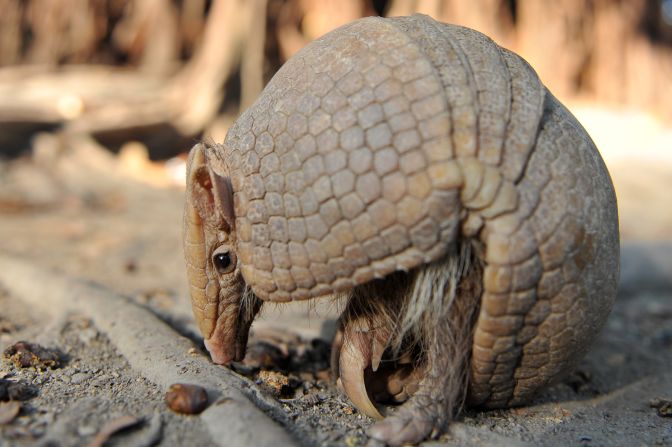
Researchers said that armadillos were among the first animals to reappear after a quake. "It was almost as if they were coming out of hiding," said team leader Dr Rachel Grant.
Getty Images
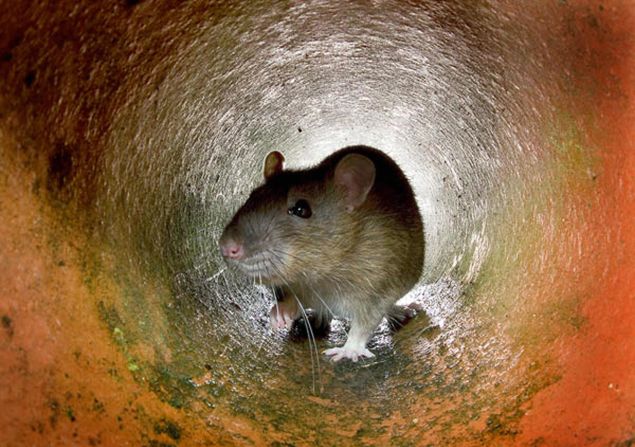
Rats have long been thought to have a "sixth sense" that can warn them about upcoming earthquakes.
AFP/Getty Images
The findings backed earlier studies from Japan and China that showed that lab rats displayed problems with their circadian rhythms -- the biological patterns that regulate sleep -- ahead of earthquakes.
A mountain lion (puma concolor), one of the species of wild animals observed during the study.
Getty Images
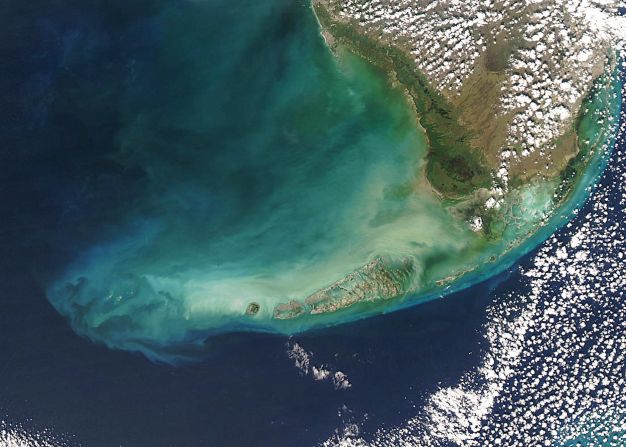
The next step is underwater: plankton, seen here from space, could be a good bio-indicator for earthquakes.