‘Ghost’ boat that cruises on bubbles | CNN Business
Thank You!
Your effort and contribution in providing this feedback is much
appreciated.
Close
Ad Feedback
Ad Feedback
‘Ghost’ boat that cruises on bubbles
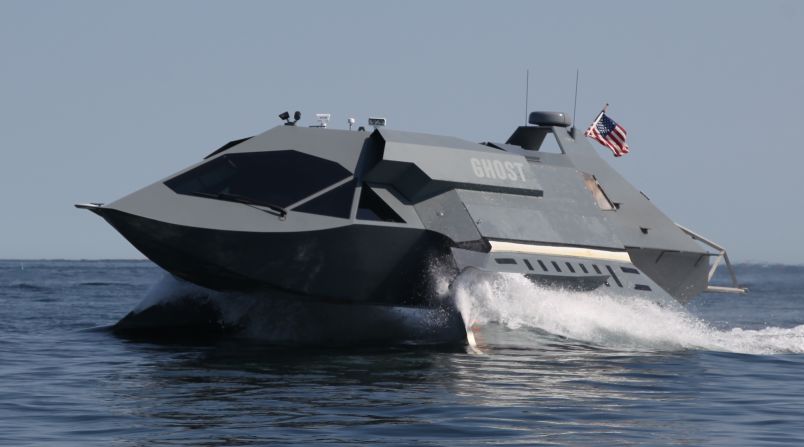
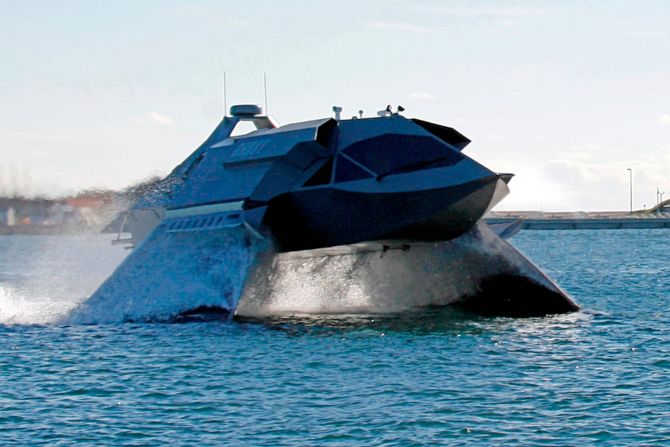
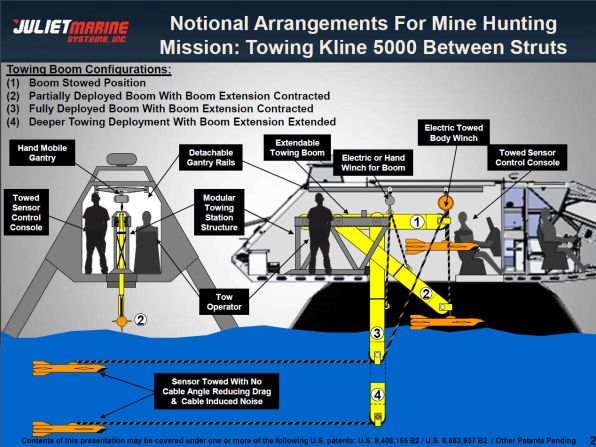
"Ghost" is a prototype marine craft designed and developed by Juliet Marine Systems. The vessel cost $15 million to develop and can achieve speeds in excess of 50 knots (57 mph).
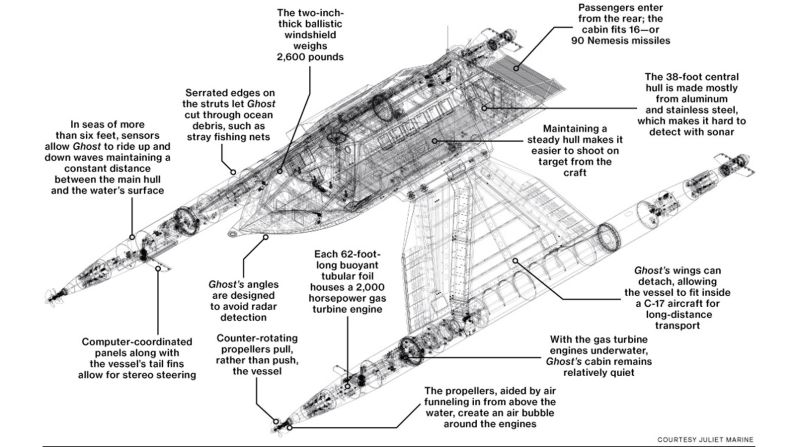
The vessel's design utilizes an effect known as supercavitation: the Ghost's hydrofoil tubes create a bubble cushion that reduces drag.
"We're actually flying through this incredibly dense foam, which is mostly air, which gives us much higher speeds," said Gregory Sancoff of Juliet Marine Systems.
The technology behind "Ghost."
courtesy juliet marie
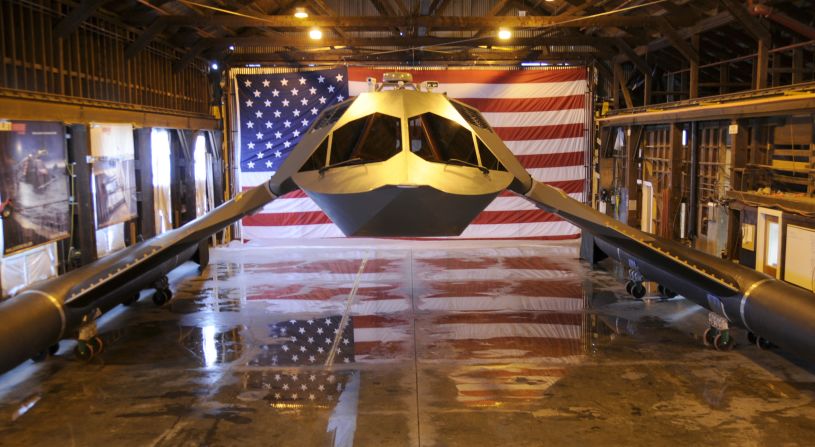
Ghost's designers initially thought the vessel would serve military purposes, as pictured, but they say civilian ferry companies and offshore oil rigs are also piqued by the technology.
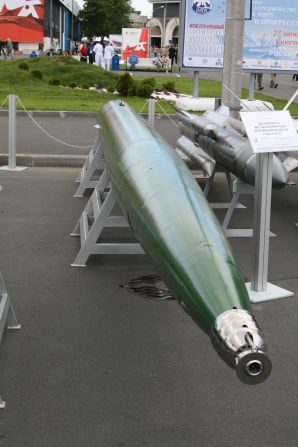
The Russian VA-111 Shkval torpedo uses supercavitation to reach speeds in excess of 200 knots (230 mph).
courtesy One half 3544
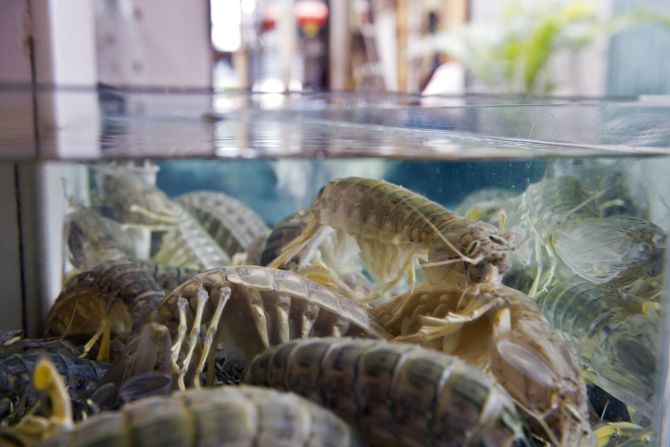
Cavitation is also found in nature: The mantis shrimp has claws that accelerate so fast when it strikes that they create air bubbles which, when they explosively collapse, also serve to stun its prey.